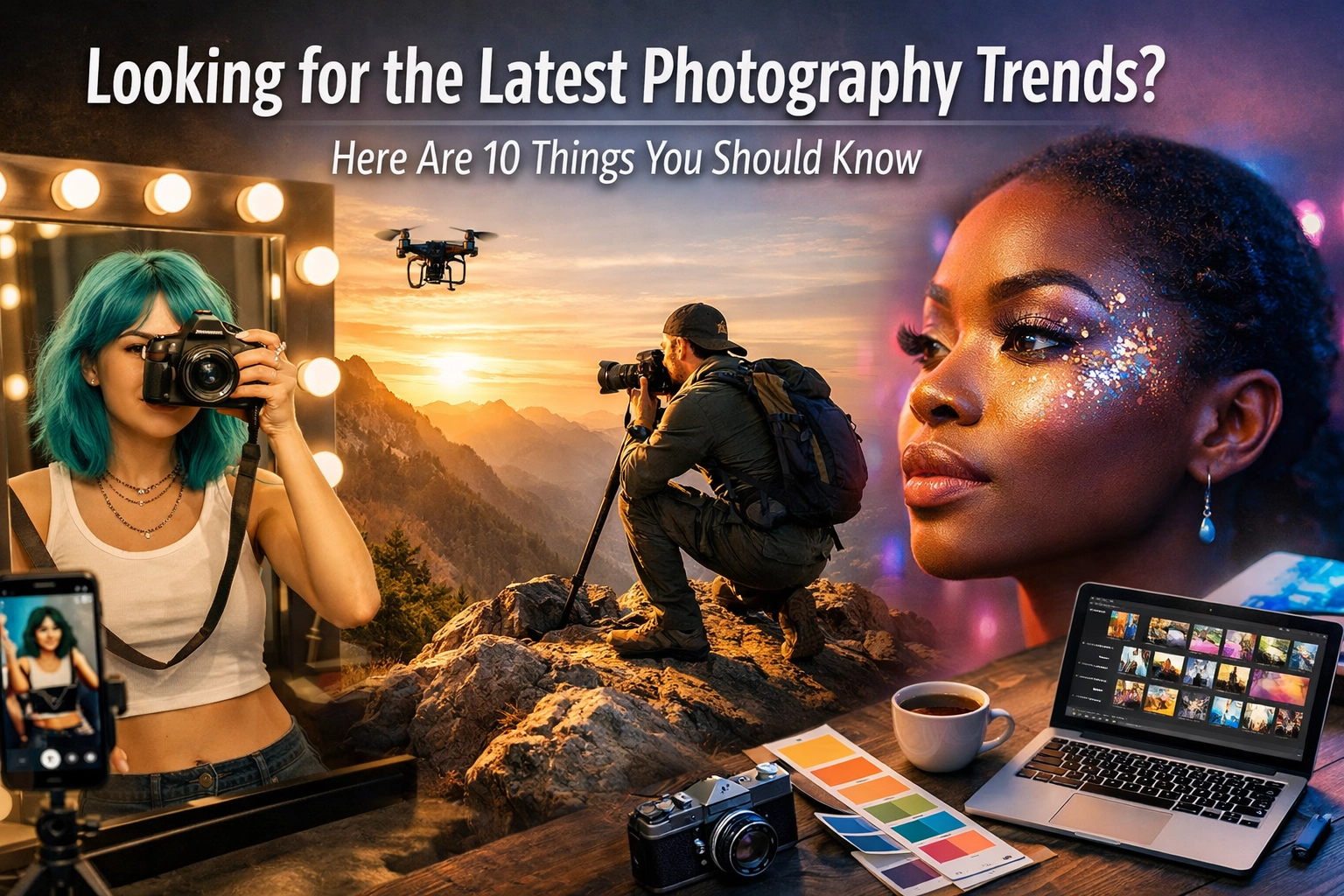
It’s March 2026, and if you haven’t checked your camera bag or your editing workflow lately, you might be living in the past. Photography isn’t just about "capturing a moment" anymore; it’s about preserving a moment that feels dangerously real. We’ve spent years chasing the highest resolution, the smoothest bokeh, and the most perfect skin tones. But guess what? We got bored.
The industry has taken a sharp turn. People are tired of the plastic, AI-generated perfection that flooded our feeds over the last couple of years. We’re seeing a massive shift toward what I like to call "The Human Element." It’s messy, it’s grainy, and sometimes it’s even out of focus: and that’s exactly why people love it.
At Shut Your Aperture, we stay on top of these industry shifts so you don't have to. If you're looking to dominate search rankings or just want to make sure your portfolio doesn't look like a 2014 Instagram filter, here are the top 10 photography trends you need to know right now.
1. The Death of the "Perfect" Image
For a long time, the goal of every photographer was to eliminate flaws. We used high-end retouching to remove every stray hair and every speck of dust. In 2026, that trend is officially dead. Authenticity is the new currency.
Clients are now asking for photos that look "unproduced." We’re talking about visible grain, intentional motion blur, and a lack of traditional "posture." This is about capturing the hugs that almost smell and the tears that haven't been edited away. This shift toward raw humanity is a direct response to the rise of AI. When a machine can generate a perfect human face, the only way to prove you’re real is to show the imperfections.
2. The Analog Renaissance (Again)
You thought film was a fad? Think again. Analog photography is experiencing its biggest surge in decades. It’s not just about the "look": it’s about the process. Photographers are tired of taking 4,000 photos on a Sony A7R V and spending weeks culling them. They want the 36-exposure limit. They want the tactile feel of a Leica or a vintage Canon AE-1.
This trend is also driving a huge market for film-emulation tools. If you aren't shooting actual film, you're likely using advanced software like Luminar to add realistic grain and film-stock colors to your digital files. The goal is to make a $5,000 digital setup look like a $50 thrift store find. For more tips on mastering this look, check out Shut Your Aperture.
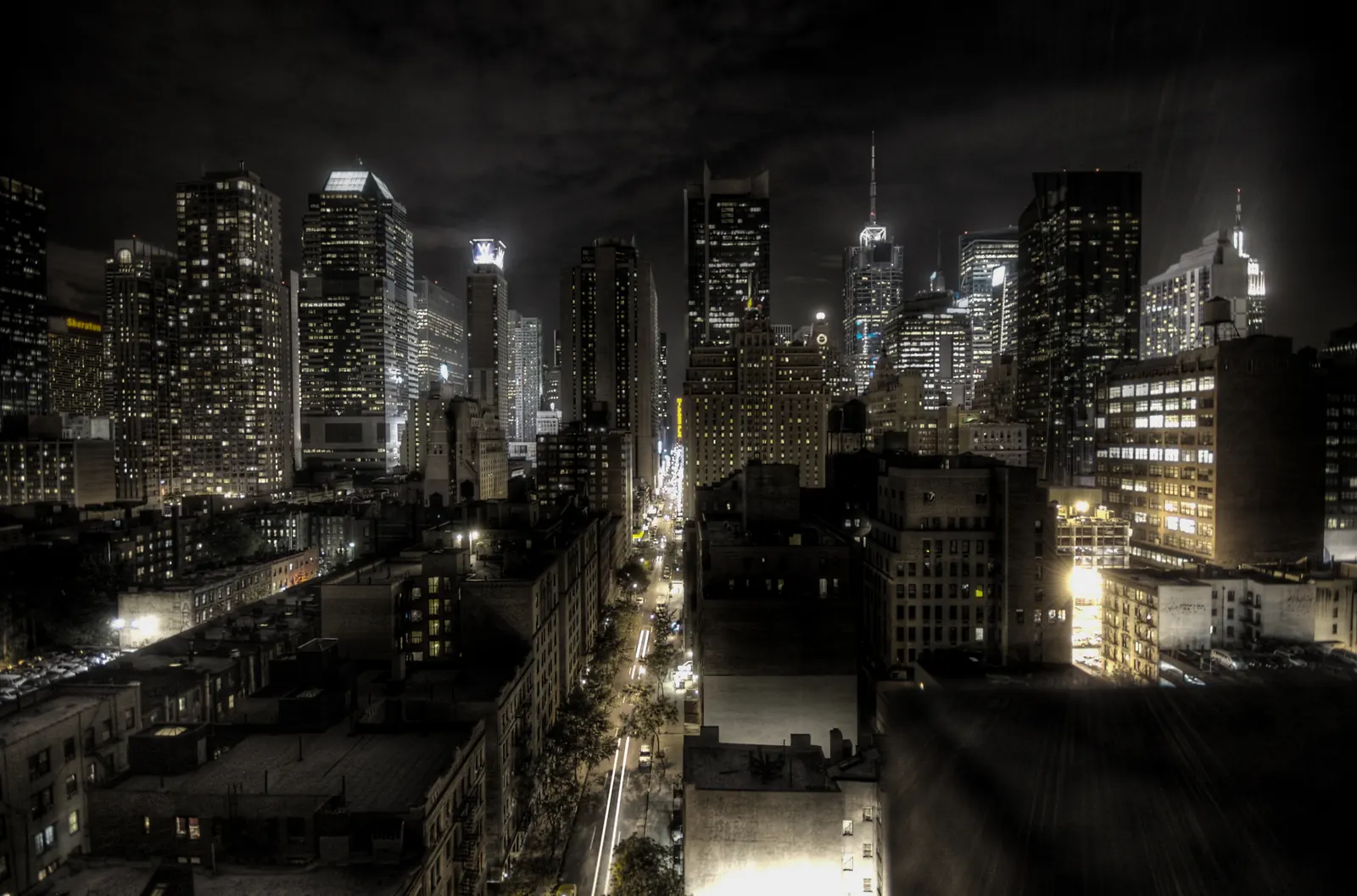
3. Direct Flash: The Paparazzi Aesthetic
Remember when we were told to never use the pop-up flash? Forget all of that. Direct flash is the "it" style of 2026. It creates a raw, high-contrast, "deer in the headlights" look that feels immediate and urgent. It’s a style heavily influenced by fashion campaigns and street photography.
This aesthetic works because it feels honest. It doesn't look like a multi-thousand-dollar lighting setup; it looks like you were there, in the moment, and you just happened to snap the shutter. It creates hard shadows and vivid, punchy colors. If you’re looking to get into this style, head over to www.proshoot.io for reviews on the best compact flashes for this specific look.
4. AI as Your Workflow Assistant, Not Your Master
We can't talk about 2026 without mentioning AI. However, the trend has shifted from creating images with AI to using AI to manage the boring stuff. Professional photographers are using tools like Luminar to handle heavy-duty culling, color grading, and object removal in seconds rather than hours.
The "Luxury Aesthetic" of 2026 is fundamentally human, but it's powered by AI in the background. It allows us to focus on the creative direction while the software handles the technical drudgery. This allows for faster turnarounds, which is essential if you want to keep up with viral trends on social media.
5. Narrative-Driven Documentary Work
Photography is moving away from the single "hero shot" and toward complete storytelling. Whether it’s a wedding, a corporate event, or a travel series, the trend is to capture the narrative. This means less time posing people and more time being a "fly on the wall."
Brands are looking for documentary-style imagery that carries its own narrative about their identity. They don't just want a photo of a product; they want a photo of the product being used in a real, slightly messy environment. This is where lesser-known vistas for enigmatic photos come into play: finding unique locations that haven't been over-photographed on Instagram.
6. Bold Perspectives and Wide-Angle Distortion
Traditional framing rules are being tossed out the window. We’re seeing a lot of overhead "God’s eye" views, reflections in strange surfaces, and, most notably, intentional wide-angle distortion.
Using a 12mm or 14mm lens for a portrait used to be a cardinal sin. Now, it’s a stylistic choice. It creates a sense of "refined nostalgia" and exaggerates the perspective in a way that feels modern and edgy. It’s about making the viewer feel like they are right in the middle of the action, even if the proportions are a little wonky.
7. The Grunge Aesthetic and Tangible Textures
In a world of digital screens, people crave texture. This trend involves using grainy film stocks, scrapbook-style textures, and even torn edges in post-processing. It’s a "grunge" look that feels like it belongs in a 90s zine.
Many photographers are now using rare textures for tangible aesthetic photography to give their work a physical presence. This involves layering scans of old paper, dust, and scratches over digital images to create something that feels like you could touch it. It’s the ultimate "anti-AI" statement.
8. Surrealism and Conceptual Storytelling
As we get more comfortable with digital manipulation, surrealism is making a huge comeback. But it’s not the "cheesy Photoshop" surrealism of the early 2000s. It’s more subtle and conceptual. Think: familiar objects in unfamiliar places, or using props as metaphors for identity.
Photographers are seeking out hidden gem locations for travel photography to serve as backdrops for these impossible scenarios. By blending a real, raw location with a surreal element, you create a visual "glitch" that stops the scroll. If you want to see more of this, Edin Chavez often covers these conceptual shifts over at blog.edinchavez.com.
9. Identity-Driven Portraiture
The standard "LinkedIn headshot" is officially dead. In 2026, professionals want branding imagery that defines their unique visual voice. Portraiture is now an identity statement.
This means portraits are becoming more cinematic. We’re seeing more environmental portraits that show who the person is, not just what they look like. People are moving away from studios and into the real world, looking to discover ethereal landscapes for captivating shots that represent their personal brand.
10. Immersive Product Experiences
For the commercial photographers out there, the game has changed. Product photography isn't just a static 2D image anymore. We’re seeing a rise in 360-degree interactive scenes and augmented reality (AR) placement.
Customers want to see hyper-realistic macro detail. They want to see the texture of the fabric or the grain of the wood. This requires a mix of traditional photography and 3D rendering. It’s a high-tech trend that balances out the "low-fi" grunge movement happening in the lifestyle space. For the latest gear reviews to handle these high-res requirements, check out the resources at www.proshoot.io.
How to Stay Relevant in 2026
So, how do you keep up with all these shifts? The key is to stop trying to be "perfect" and start trying to be "interesting." Here are a few quick tips to implement today:
- Experiment with Direct Flash: Even during the day. It adds a layer of professionalism and "cool" that natural light sometimes misses.
- Embrace the Grain: Don't be afraid of high ISO. Use Luminar to add texture if your sensor is too "clean."
- Tell a Story: Don't just post one photo. Post a series of three or five that walk the viewer through an experience.
- Go Wide: If you’ve been stuck on a 50mm or 85mm lens, try a 16mm or 24mm for your next portrait session.
The photography industry in 2026 is more vibrant and diverse than ever. Whether you're leaning into the high-tech world of AR or the old-school soul of 35mm film, the most important thing is to stay curious. The trends will always change, but the need for a good story never does.
Keep shooting, keep experimenting, and most importantly, keep it real. For more deep dives into the world of photography gear and news, make sure to keep an eye on our latest updates here at Shut Your Aperture. We're constantly culling through the noise to bring you what actually matters in the world of pixels and film.
If you're looking for even more inspiration, head over to www.edinfineart.com to see how these trends are being applied in the fine art world, or check out www.edinstudios.com for professional production insights.
Photography isn't just about what you see; it's about how you see it. Now go out there and show us something we haven't seen before.