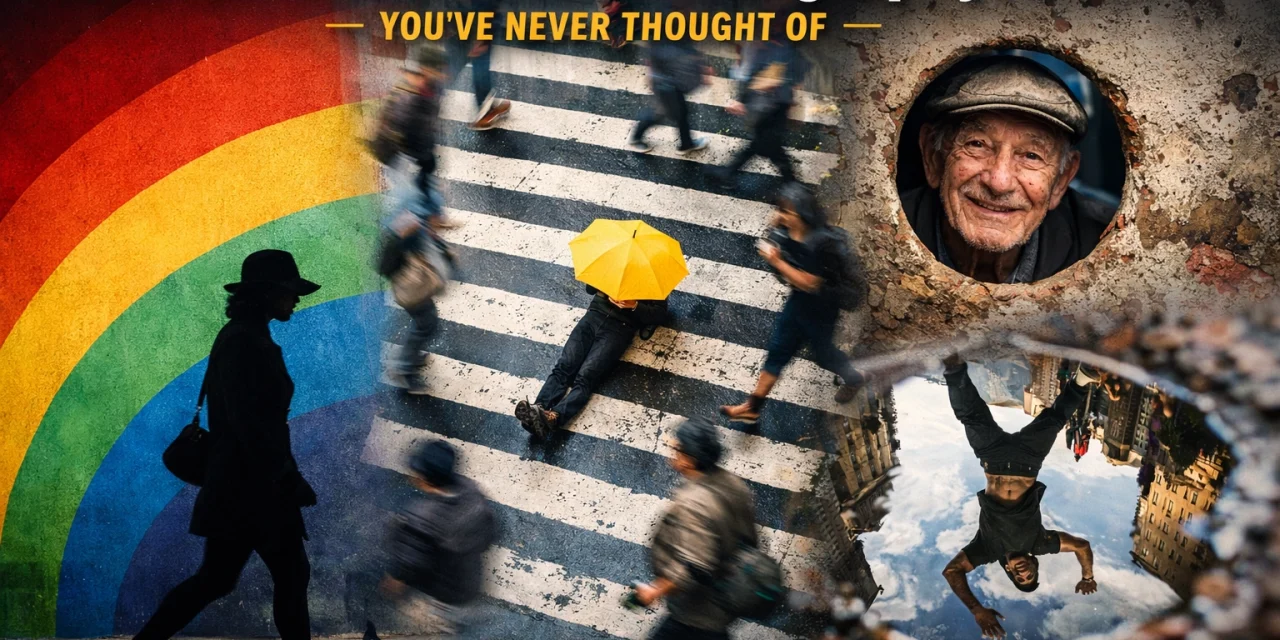
Street photography is the ultimate playground for any photographer. It’s raw, it’s unpredictable, and honestly, it’s a bit of a rush. But let’s be real, after a few years of walking the same city blocks, everything starts to look like a cliché. You’ve seen the "guy with an umbrella" and the "shadow on a brick wall" a thousand times.
If you’re feeling like your portfolio is hitting a plateau, you don’t need a new camera (though why everyone is talking about AI-integrated mirrorless cameras might tempt you). What you need is a fresh set of eyes.
Here are 25 creative street photography ideas to get you out of your comfort zone and back into the flow.
1. The "Statue" Method (Stay in One Spot)
Most people think street photography is about walking ten miles a day. Try the opposite. Find a corner with interesting light or a cool backdrop and stay there for exactly one hour. Don't move your feet. By forcing yourself to stay put, you start to notice the subtle rhythms of the city and the way people interact with that specific space. You’ll see narratives unfold that you’d miss if you were just passing through.
2. Shoot Through Obstructions
Don’t wait for a clear view. Shoot through things. Use a chain-link fence, a shop window, or even some low-hanging leaves to frame your subject. This adds layers and depth to your image, making the viewer feel like they are peeking into a private moment. It creates an "observer" vibe that is quintessentially street.
3. Embrace Negative Space
We often try to cram as much "city" as possible into a frame. Try the minimalist approach. Find a massive, blank wall or an empty plaza and wait for a single subject to enter. Placing your subject on the far edge of the frame or following the rule of thirds against a sea of nothingness creates a powerful, cinematic feel.
4. Get Extremely Low
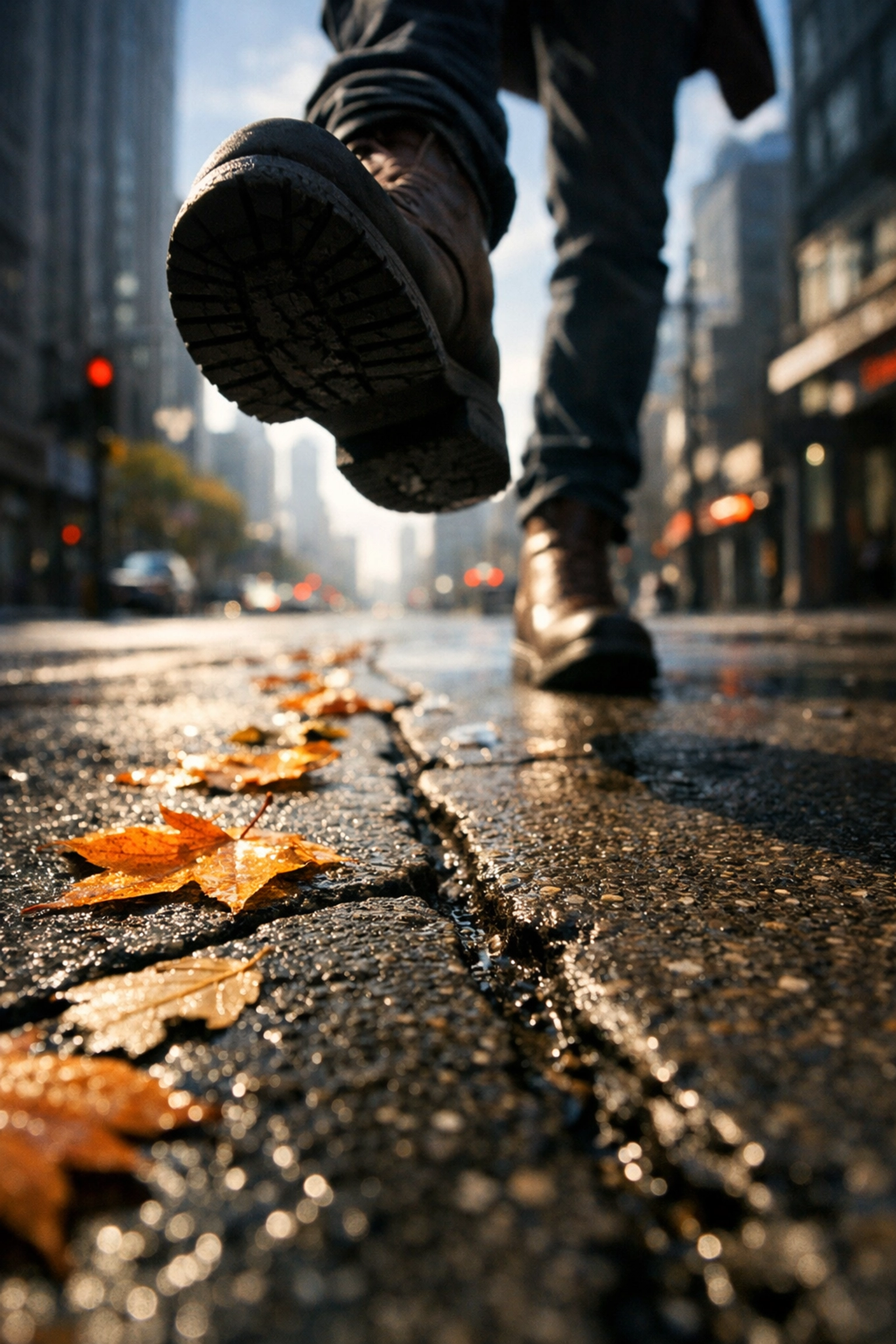
Change your perspective, change your photo. Instead of shooting from eye level, get your camera down on the pavement. This makes pedestrians look like giants and turns ordinary sidewalk cracks into leading lines. It’s one of those secrets to enchanting urban photography that people always forget to use.
5. Catch the "Focused" Crowd
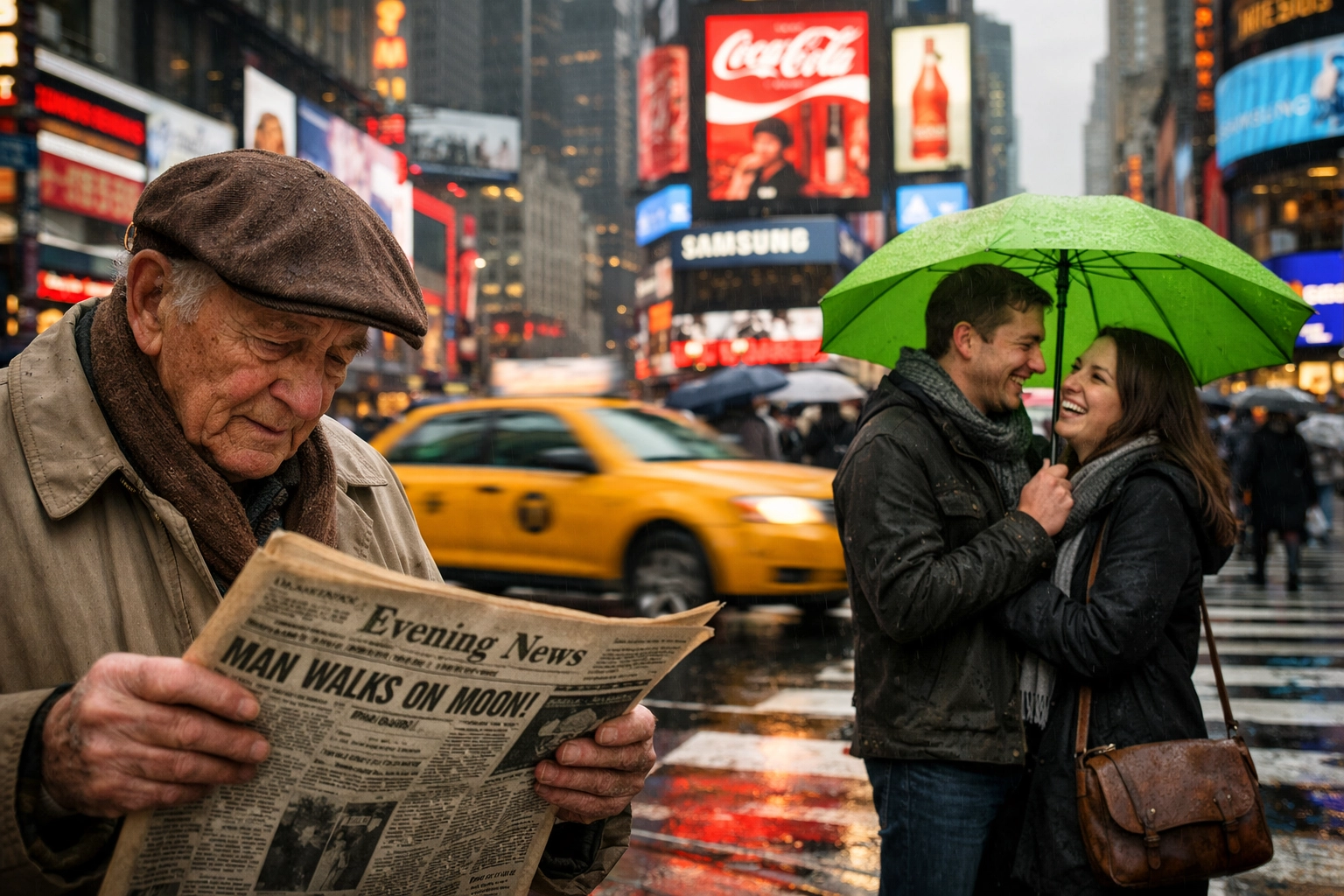
Look for people who are deeply absorbed in something. Someone reading a newspaper (yes, they still exist), a student hunched over a book at a cafe, or someone intensely studying a subway map. Their lack of awareness of the camera allows for the most authentic candid expressions.
6. Neon and Night Glow
Street photography doesn't end when the sun goes down. Use neon signs, streetlights, and glowing storefronts as your primary light sources. The high contrast between the bright lights and the deep shadows of the night creates an edgy, "Blade Runner" aesthetic. When you get home, use Luminar to really make those colors pop and control the glow.
7. Puddles and Reflective Surfaces
After a rainstorm, the city turns into a mirror. Don't just take a photo of a puddle; get your lens as close to the water as possible to capture a perfectly symmetrical world. If it’s dry, look for shop windows or the shiny hoods of parked cars. Reflections add a dreamlike quality that breaks the reality of the street.
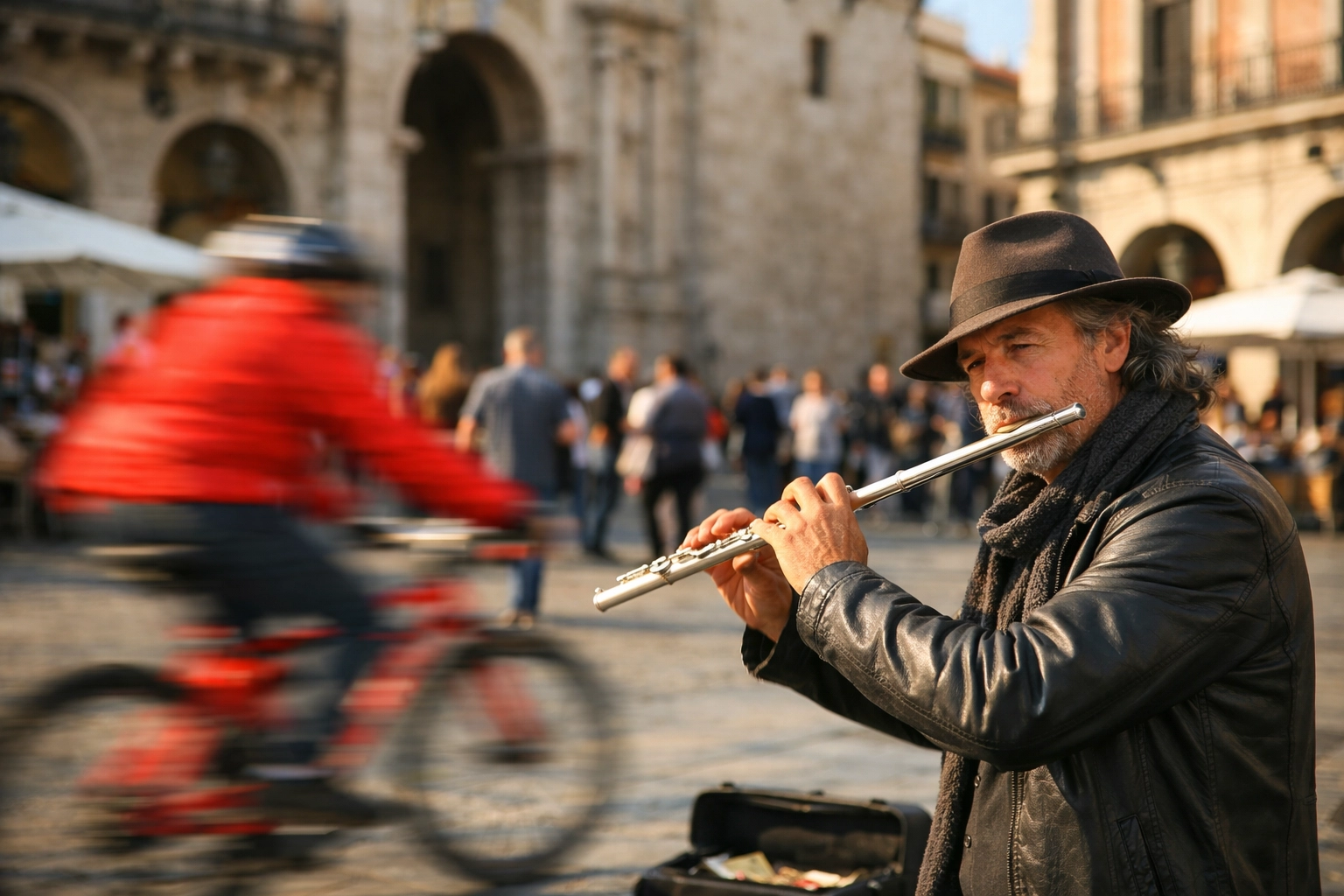
8. Motion Blur for Energy
Frozen action is cool, but motion blur tells a story of a city that never stops. Use a slower shutter speed (around 1/15th or 1/30th of a second) and pan your camera with a passing cyclist or taxi. This keeps the subject relatively sharp while the background turns into a streak of color. It’s a great way to practice your technical skills: check out more tips on PhotoGuides.org if you're struggling with the settings.
9. High-Speed Sync Flash in Daylight
Most people think flash is for the dark. Using a flash during a bright afternoon can create a high-contrast, "gritty" look that's popular in modern fashion-forward street photography. It fills in harsh shadows and makes your subject jump off the background. It's bold, it's intrusive, and it looks amazing.
10. Focus on the Fashion Details
You don't always need a face to tell a story. Spend an afternoon focusing only on what people are wearing. Shoot just the shoes of people walking by, or the way someone holds a vintage leather bag. Fashion is a huge part of the urban identity, and these detail shots can make for a great cohesive series.
11. Construction Zone Chaos
Construction sites are messy, but they are full of geometry, bright colors (safety orange!), and interesting textures. Capture the contrast between the rigid, industrial environment and the people navigating through it. The struggle of someone trying to push a stroller past a jackhammer is a classic street photography moment.
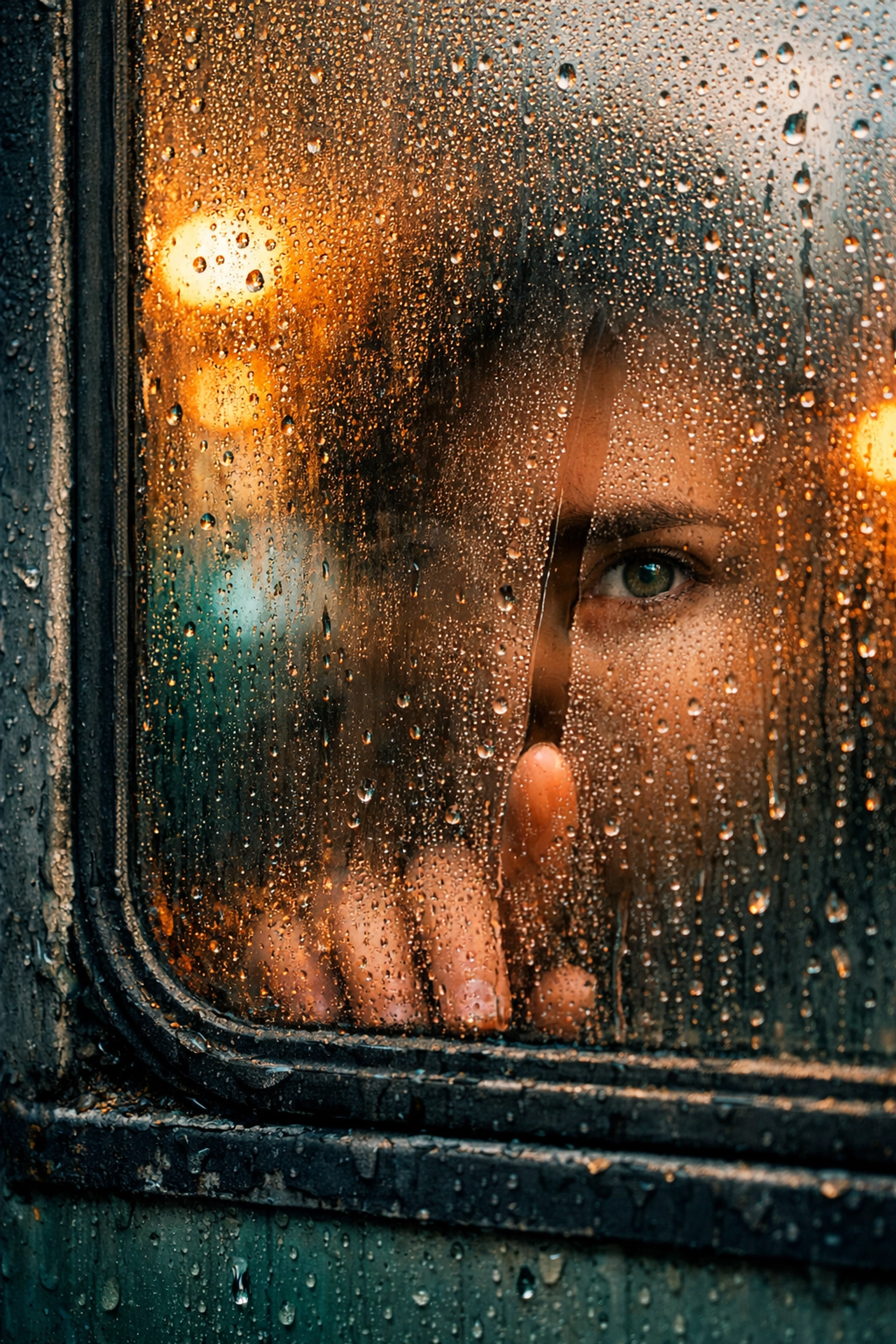
12. Use "Rare" Textures
Keep an eye out for interesting surfaces. Peeling paint, rusted metal, or even the condensation on a bus window. Combining these textures with a human element creates a tangible feel in your photos. If you want to dive deeper into this, we have a whole guide on using rare textures for tangible aesthetic photography.
13. The Shadow Play
Wait for the "Golden Hour" when shadows are long and dramatic. Instead of photographing the person, photograph their shadow stretched across the pavement. Sometimes the shadow tells a more interesting story than the person casting it.
14. Architecture as the Subject
In street photography, we usually focus on the person. Flip the script. Make the building the hero and let the people be the "accessories." A tiny human figure against a massive, brutalist concrete building emphasizes the scale of the city and the feeling of urban isolation.
15. Create a Triptych
Don’t think in single frames. Look for three related shots that tell a story. Maybe it’s three different people waiting at the same bus stop at different times, or three different angles of the same street musician. Presenting them together as a triptych adds a narrative layer that a single photo can't achieve.
16. Double Exposures
Many modern cameras allow you to do double exposures in-camera. Try overlapping a textured wall or a forest of skyscrapers with a silhouette of a person. It creates a surreal, layered look that feels more like art than journalism. If your camera doesn’t do it, you can easily layer your shots in post-processing.
17. Black and White Noir
Strip away the color to focus purely on light, shadow, and form. Black and white street photography is a classic for a reason: it removes the distraction of a bright red Coca-Cola sign and forces the viewer to look at the emotion and the composition. For more inspiration on classic styles, visit blog.edinchavez.com.
18. Water in Motion
Fountains, leaking fire hydrants, or just heavy rain can be your best friend. Capturing the "splash" adds a dynamic element to an otherwise static street scene. If you're interested in mastering this, check out our guide on water photography and capturing beauty in motion.
19. Street Art Interaction
Don't just take a picture of a mural. That's someone else's art. Wait for someone to walk past the mural in a way that creates a new story. Maybe the person in the mural looks like they are looking at the passerby, or the colors of the subject's clothes match the graffiti perfectly.
20. The Creativity Jar
If you're really stuck, make a "creativity jar." Write down different focal lengths, shutter speeds, and themes (e.g., "blue," "hats," "dogs," "1/2 second") on scraps of paper. Pick two at random before you head out. Being forced to shoot "dogs" with a "long exposure" will definitely push your creative boundaries.
21. Documenting the "Worker"
Street photography isn't just about commuters. It’s about the people who make the city run. Photograph the street sweepers, the chefs taking a smoke break in the alley, or the window washers. These images offer a behind-the-scenes look at urban life that most people ignore.
22. Capture the "Ghost" Commuter
Use a tripod (or a very steady hand/ledge) and a long exposure of 1-2 seconds in a crowded area like a train station. The stationary architecture will stay sharp while the crowd turns into a ghostly, ethereal blur. It’s a perfect visual representation of the "hustle and bustle" of city life.
23. Silhouettes at Sunset
Find a high vantage point where you can look down on a street as the sun sets behind the buildings. This creates perfect conditions for silhouettes. Anyone walking through those pockets of light will be reduced to a dark shape against a glowing background. It's simple, clean, and always effective.
24. Professional Gear, Amateur Mindset
Sometimes we get too caught up in technical perfection. Try using a lens you hate, or a camera you haven't touched in years. Or, go the other way and see how the pros do it at www.proshoot.io to see if a gear shift is actually what you need. Sometimes, limiting your gear (like only taking one prime lens) is exactly what triggers a creative breakthrough.
25. The Layered Narrative
This is the "boss level" of street photography. Try to capture a frame where there are multiple things happening at different distances. A person in the foreground, a different action in the mid-ground, and a compelling background. It’s hard to pull off, but when you get all those elements to align, you have a masterpiece.
Getting the Most Out of Your Walk
Street photography is as much about your mental state as it is about your camera settings. If you’re feeling frustrated, take a break. Grab a coffee, sit on a bench, and just watch. The best shots often come when you stop looking for them and just let the city happen around you.
Once you’ve captured these creative shots, the real work begins in the digital darkroom. I always recommend using Luminar for street shots because its AI tools are incredible at enhancing street lights and adding that final bit of grit or polish without spending hours on masks.
Remember, there are no "rules" in the street; only opportunities. So grab your gear, head out, and shut your aperture (or open it wide, we won't judge). The city is waiting.