If you’ve been hanging around any photography forums lately, or just scrolling through your feed, you’ve probably heard the buzz. It’s not just about more megapixels or faster frame rates anymore. The conversation has shifted. Everyone is talking about AI. And no, I don’t mean robots taking over the world, I mean AI-powered mirrorless camera features that are making our lives as photographers a whole lot easier (and more fun).
It wasn't long ago that getting a sharp shot of a bird in flight or a fast-moving car felt like a rite of passage. You had to put in the hours, master the back-button focus, and hope your camera’s autofocus system didn't decide to focus on a random leaf in the background. But things have changed. We’ve entered an era where the camera is doing some of the heavy lifting, letting us focus on the creative side of things.
At Shut Your Aperture, we’ve been tracking these tech trends closely. From the Sony a7R V to the Nikon Z8, the landscape of what a "standard" camera can do has been completely rewritten.
The Autofocus Revolution: Subject Recognition on Steroids
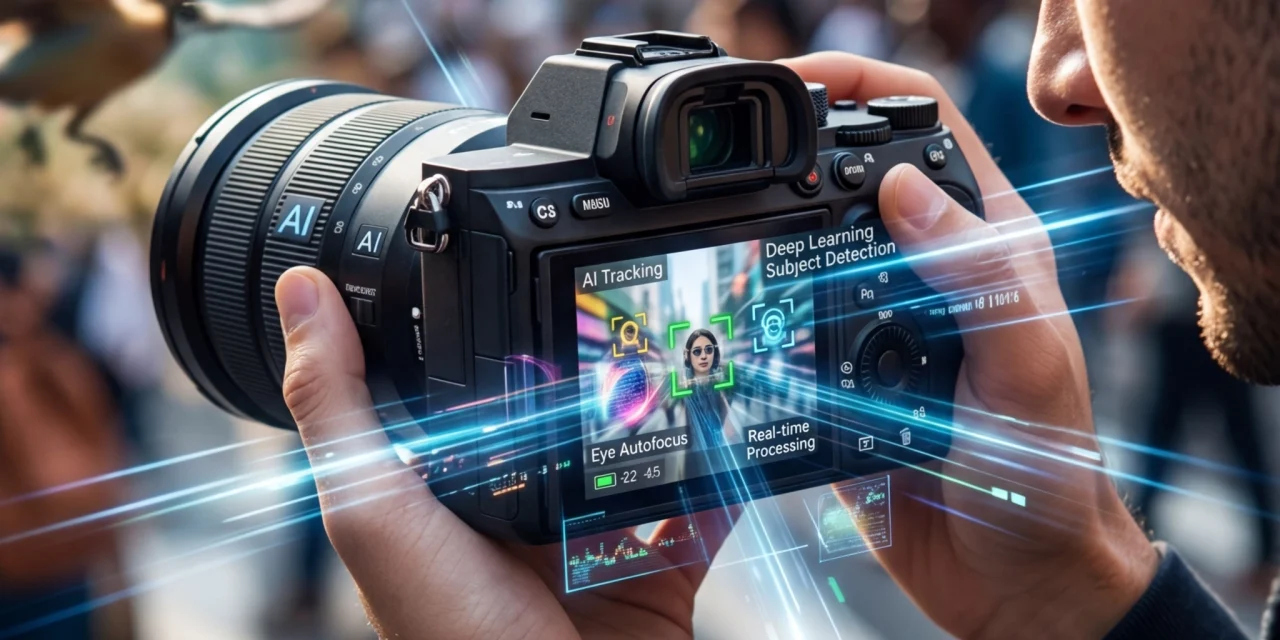
The biggest game-changer is undoubtedly AI-powered autofocus. In the past, autofocus looked for contrast or phase differences. It was smart, but it didn't really know what it was looking at. Today’s mirrorless cameras use deep learning algorithms to identify specific subjects.
We’re talking about cameras that can distinguish between a human eye, an animal’s eye, a bird, a car, a motorcycle, a train, and even an airplane. The Sony a7R V is a prime example. Its dedicated AI processing unit doesn’t just see a person; it recognizes the human form. Even if your subject turns their back or hides their face behind a mask, the camera stays locked on because it understands the "pose" of a human body.
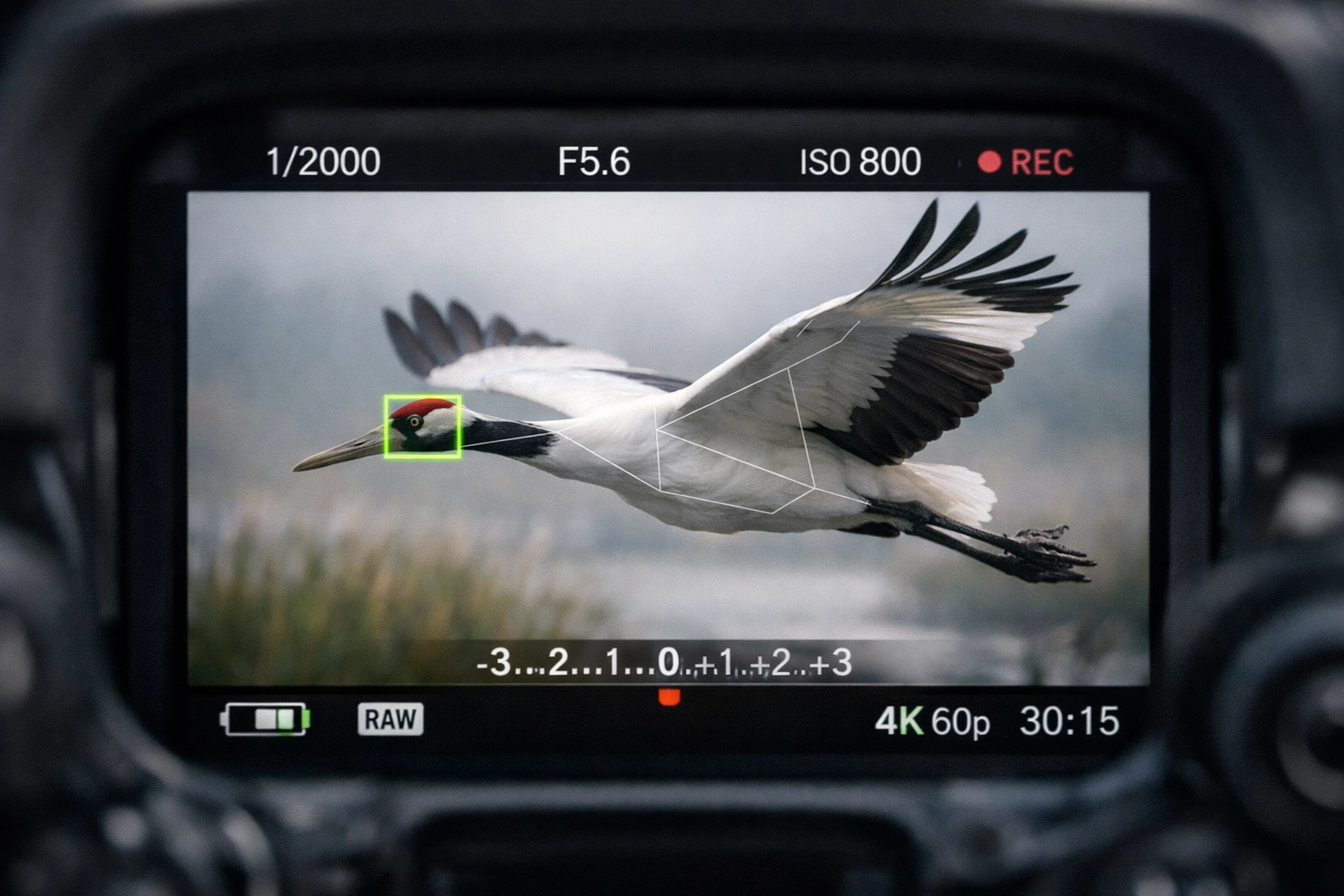
This level of tracking is a lifesaver for wedding and event photographers. Imagine being in a crowded room where people are constantly moving. In the old days, you’d be fighting the focus point. Now, you set it to human eye detection, and the camera does the work. It allows you to focus on the composition and the moment rather than technical settings. If you’re just starting out, check out some of our how-to guides to see how to set up these modes for the first time.
Democratizing the "Pro" Shot
One of the coolest things about this AI shift is that it’s not just for the pros anymore. You don’t need a $6,000 flagship body to get these features. We’re seeing these high-end AI capabilities trickle down to mid-range and even entry-level cameras.
Take the Nikon Z50 II, for example. For around $1,000, you’re getting subject detection capabilities that were exclusive to the top-tier Nikon Z9 just a couple of years ago. This is huge for hobbyists. A beginner can now pick up a camera and nail a shot of their dog running in the park on the first try. It lowers the barrier to entry and lets more people enjoy the craft without the frustration of blurry photos.
This democratization means that the "secret sauce" of professional photography is shifting. It’s no longer about who has the best gear that can focus the fastest, everyone has that now. It’s back to the basics: light, composition, and story. If you want to dive deeper into the basics of great imagery, I highly recommend checking out PhotoGuides.org for some solid foundational tips.
The Hybrid Beast: More Than Just Stills
The new AI features aren’t just helping with photos. They’ve completely blurred the line between stills and video. Most modern mirrorless cameras are now genuine hybrid machines. We’re talking 4K 60p, 10-bit color, and internal Raw video as standard features in gear that fits in your backpack.
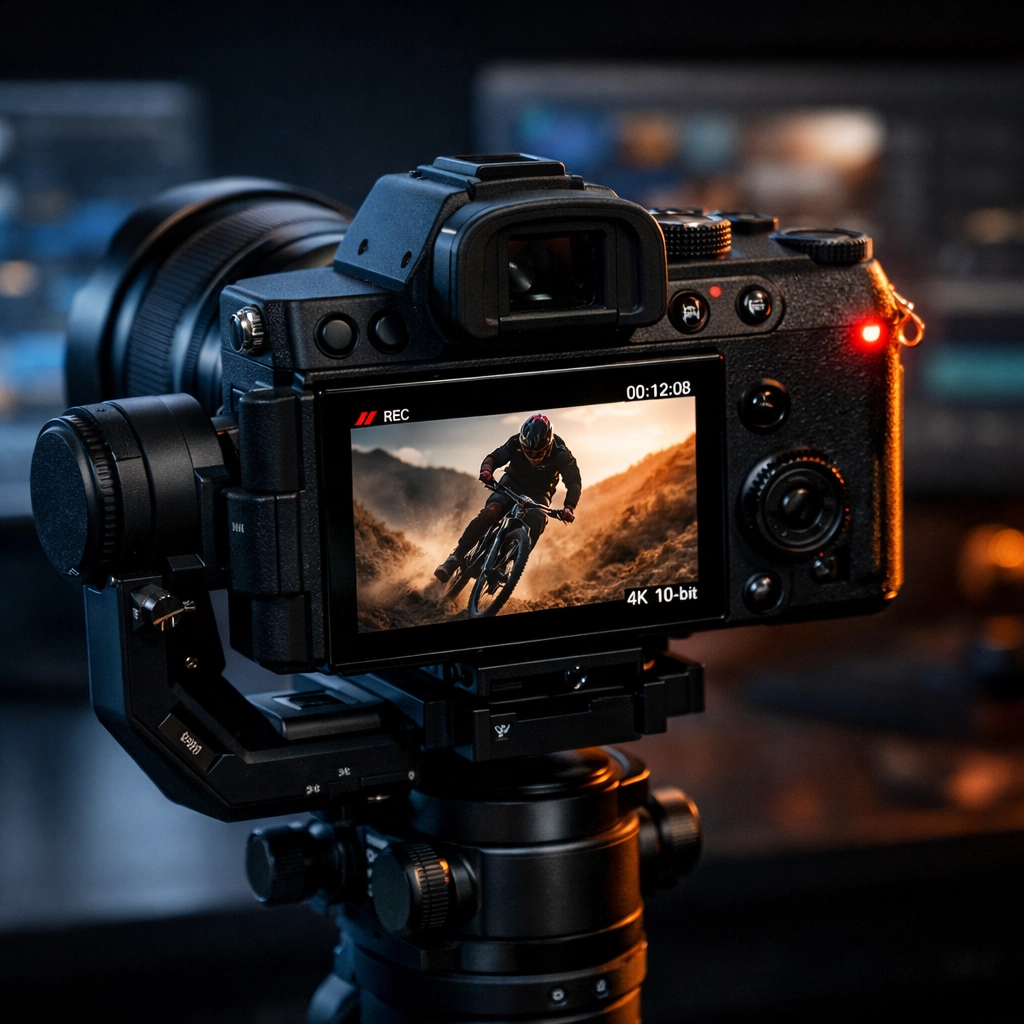
The AI autofocus works just as well in video mode. For vloggers and solo content creators, this is a godsend. You can set the camera on a tripod, walk in front of it, and know that it will track your eye perfectly without hunting. Gone are the days of "breathing" lenses and out-of-focus vlogs. Our team at Edin Studios has been using these hybrid features to streamline our commercial shoots, and the time saved on set is incredible.
Computational Photography: Beyond the Sensor
While the hardware is getting smarter, the software is where the real magic happens after the shutter clicks. AI is moving into the post-processing world in ways we never imagined. If you’re looking to take your AI-powered shots to the next level, you have to look at tools like Luminar.
Luminar uses AI to do things that used to take hours in Photoshop. Want to swap a boring sky for a dramatic sunset? One click. Need to enhance the lighting on a subject’s face without affecting the background? The AI handles the masking for you. This is computational photography at its best, and it complements the AI in your camera perfectly.
Even for landscape photography, AI helps in sharpening images and removing noise without losing detail. It’s like having a digital assistant that knows exactly how to polish your work.
Is It Still "Real" Photography?
I hear this question a lot. If the camera is doing the focusing and the software is doing the editing, is the photographer still relevant?
The answer is a resounding yes.
Think of AI as a tool, like the transition from manual focus to autofocus years ago. AI doesn't tell you what to shoot. It doesn't choose the perfect angle or wait for the exact moment the light hits the mountain peak. It just ensures that when you do decide to take the shot, the technical execution is flawless.
The "photographer's eye" is still the most important part of the equation. Whether you’re shooting documentary work or high-end product photography, the creative vision belongs to you. AI just takes away the "oops, I missed focus" factor.
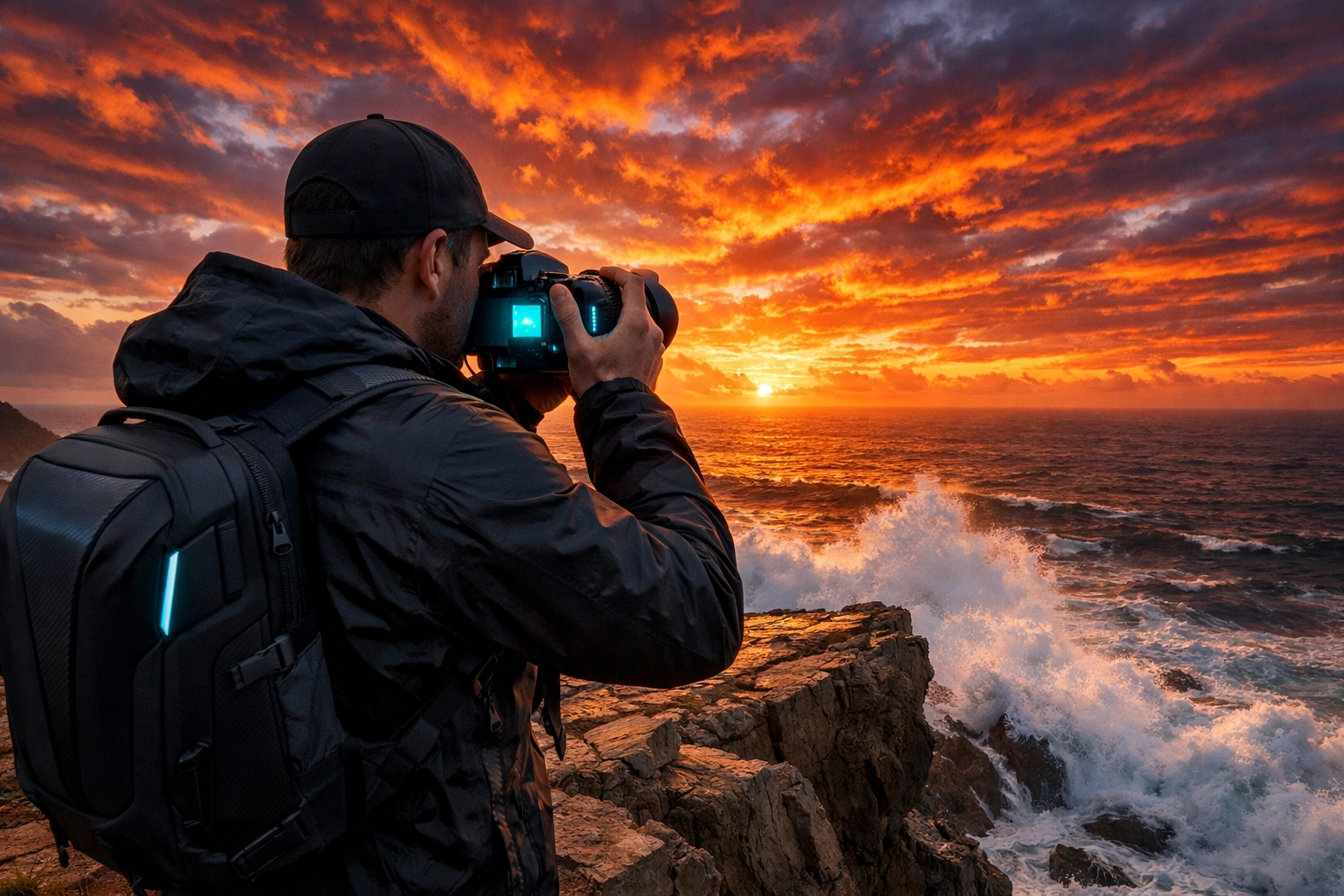
I was chatting with Sonny, our Social Media Manager, about this last week. He’s putting together a series of videos for our trending section that shows exactly how these AI features look in real-time. It’s one thing to read about it; it’s another to see a focus box stick to a bird's eye like glue while it’s diving at 40 miles per hour.
Why You Should Care Now
If you’re still rocking a DSLR or an older mirrorless body, you might be wondering if it’s time to upgrade. My advice? Don't upgrade just for the sake of a new toy. Upgrade because the tech is finally at a point where it removes the friction between your vision and the final image.
If you find yourself missing shots of your kids, your pets, or your travel adventures because your camera can’t keep up, then the new AI features are absolutely for you. They allow you to stay in the moment rather than being buried in a menu or squinting at a viewfinder.
For those of you into timelapses or long-exposure work, these smart features even help with exposure leveling and interval tracking. The tech is pervasive, and it's making every niche of photography more accessible.
Real-World Examples
Let's look at a few scenarios where these features shine:
- Wildlife Photography: You’re in the woods, and a rare bird appears. You have three seconds to get the shot. With AI bird-eye detection, you don't have to toggle focus points. You just point and shoot.
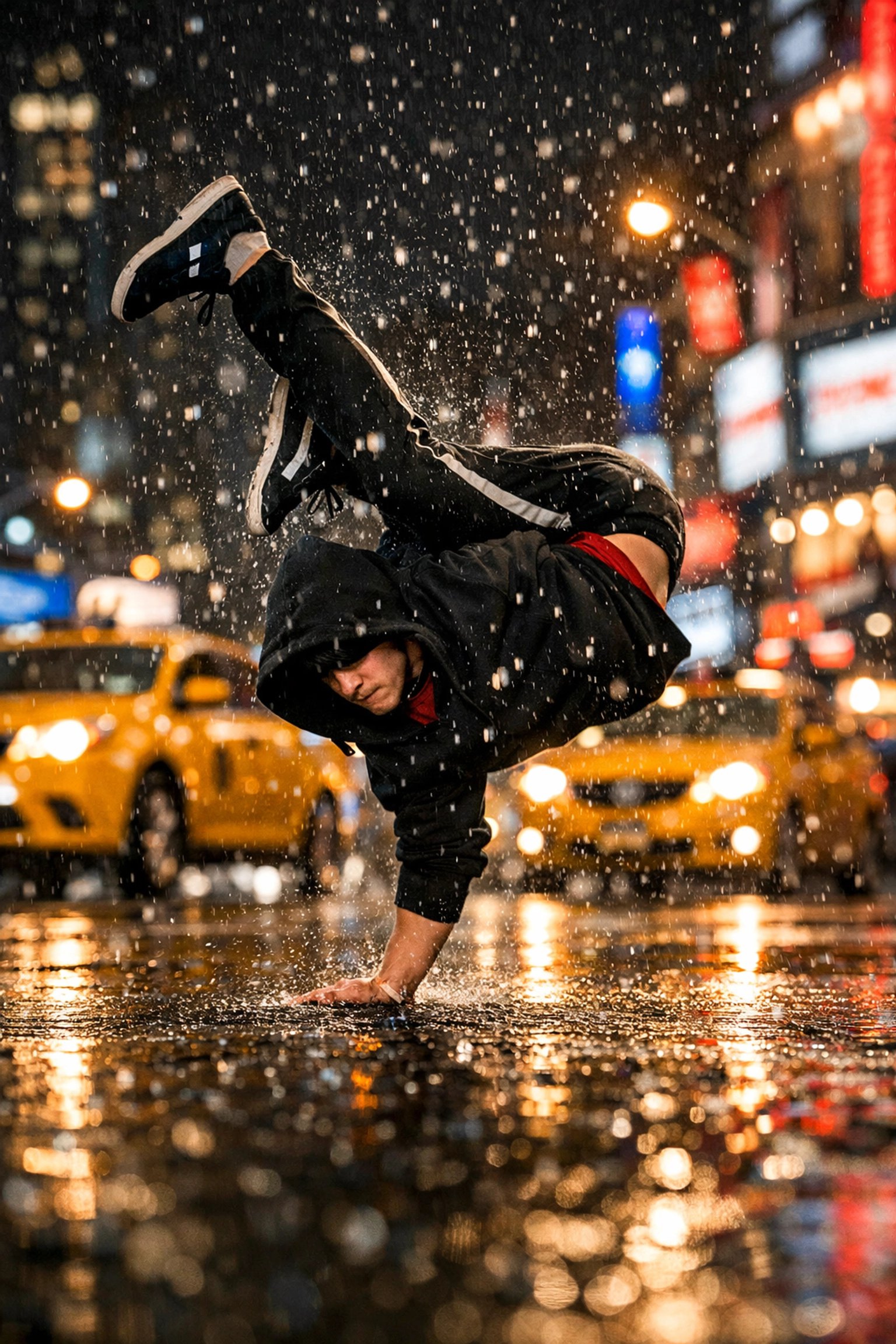
- Sports: A soccer player is running toward the camera. Traditional autofocus might jump to the player behind them or the grass. AI subject tracking knows you want the person in the foreground.
- Street Photography: You want to capture a candid moment. You can use the flip-out screen, hold the camera at your waist, and let the AI find the person’s face while you blend into the crowd. For more on this, check out Edin Chavez's blog for his street sessions.
Integrating AI into Your Workflow
Getting a new camera is step one. Step two is learning how to trust it. It takes a bit of time to let go of the control we’re used to having. I recommend spending a weekend just playing with the subject tracking settings. See how far you can push it.
And don’t forget the back-end. Tools like Luminar are designed to handle the massive amounts of data these new cameras produce. If you’re shooting 100 shots of a bird in flight because the camera made it so easy, you’re going to need AI to help you cull and edit those shots efficiently.
If you want to see some of the results we've been getting with these setups, take a look at our photo series gallery. You can see the sharpness and clarity that this new tech allows.
Final Thoughts on the AI Shift
The "mirrorless war" isn't about who has the best sensor anymore; it's about who has the best "brain" inside the camera. Sony, Canon, and Nikon are all pushing the limits of what AI can do for us. It’s an exciting time to be a photographer.
We’re no longer limited by the hardware's inability to see what we see. Now, the only limit is our own imagination. So, if you’ve been on the fence, go to a local shop, pick up one of these AI-powered machines, and see it for yourself. It feels a bit like magic the first time that focus box locks onto a subject and refuses to let go.
For more gear reviews and tech updates, keep an eye on our videos section. We’re constantly testing the latest releases to see if they live up to the hype. And if you're looking for some pro-level prints to see what these sensors can really do, head over to Edin Fine Art or ProShoot.io for some inspiration.
Photography is evolving. It’s faster, it’s smarter, and it’s more accessible than ever. Embrace the AI, master the tools, and go out there and create something beautiful. Don't worry about the technicalities: the camera's got your back. Focus on the story. That’s the one thing AI can’t do for you.