There is an intrinsic magic in the way the world awakens. For those of us who carry a camera into the wild, the landscape isn’t just a subject; it’s a living, breathing canvas that whispers stories of time, weather, and light. Landscape photography is a journey of reverence: a stoic pursuit that requires us to be present when the rest of the world is still asleep.
Whether you are standing on the edge of a jagged cliff in Barcelona or capturing the ethereal fog rolling through a local forest, the goal remains the same: to freeze a fleeting moment of natural wonder and turn it into something eternal. But capturing that majesty requires much more involved than a fancy lens. It requires a blend of technical mastery and artistic vision.
In this ultimate guide, we are going to dive deep into the essential landscape photography tips that will transform your shots from simple snapshots into professional-grade art. From mastering the exposure triangle to understanding the ephemeral nature of light, let’s explore how you can succeed in this beautiful craft.
The Technical Tapestry: Mastering the Exposure Triangle
Before we can paint with light, we must understand our tools. The "holy trinity" of photography: aperture, shutter speed, and ISO: forms the foundation of every image you take. While many photography for beginners guides touch on these, landscape photography demands a specific application of these principles.
Aperture and the Depth of Field
In the realm of landscapes, we usually want everything from the blades of grass at our feet to the distant mountain peaks to be tack-sharp. This is where aperture plays its most vital role. I have tried every setting under the sun, and for most wide-angle scenes, a smaller aperture (a larger f-number like f/8 to f/16) is your best friend. This creates a deep depth of field, ensuring your entire "canvas" is in focus. Be careful not to push too far into f/22, as lens diffraction can actually start to soften your image.
Shutter Speed: The Clock of the Camera
Shutter speed is how you control the passing of time. If you want to capture the stoic stillness of a mountain, a standard shutter speed will do. However, if you want to turn crashing waves into ethereal mist or a waterfall into a silken ribbon, you’ll need to master long exposures. This is where the landscape begins to dance.
ISO: Keeping it Clean
In landscape photography, noise is the enemy of detail. To maintain the highest possible image quality, always aim for your base ISO (usually ISO 100). This ensures your shadows remain clean and your colors remain vibrant.
Compositional Conjuring: Mapping the Canvas
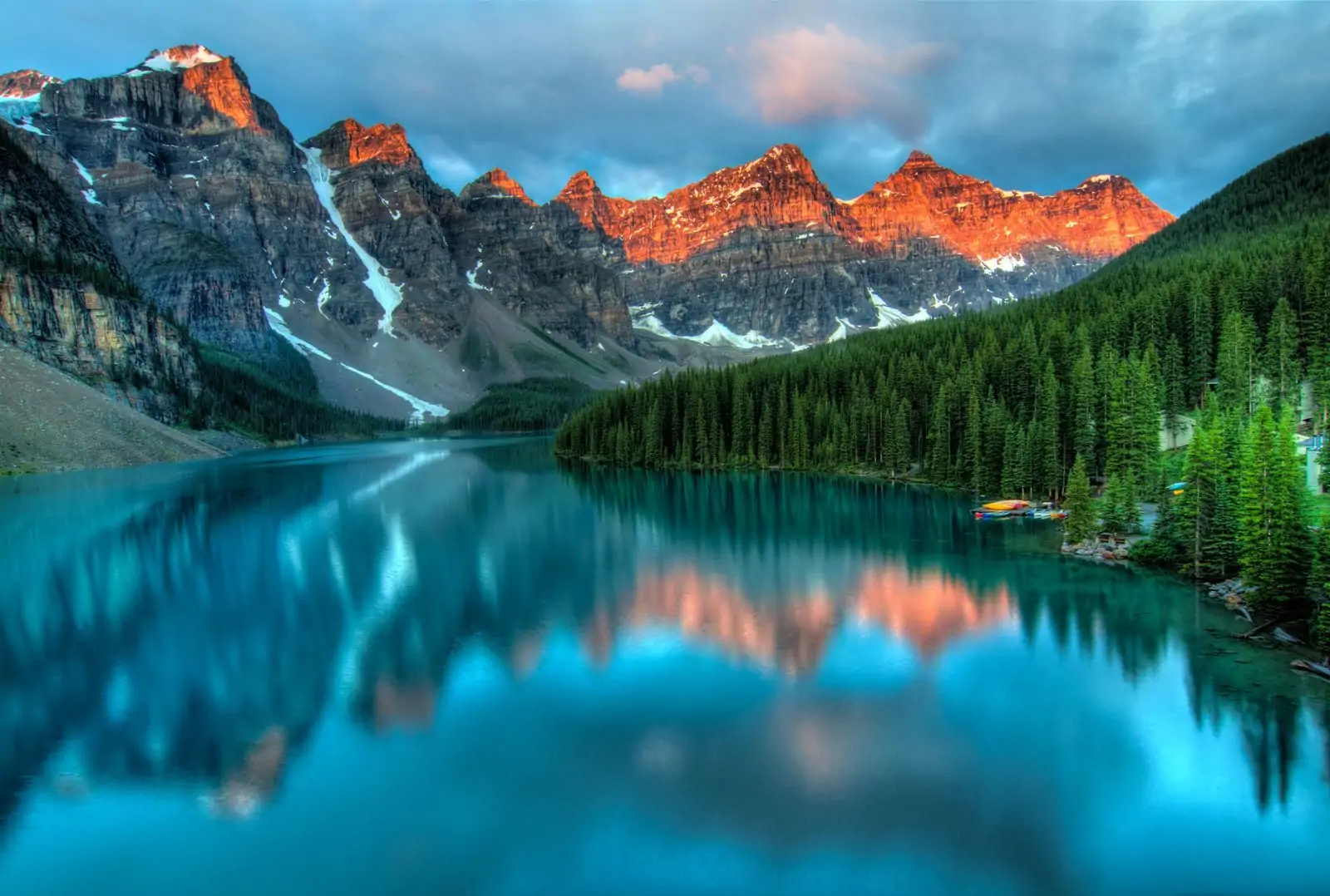
Composition is the language of photography. It’s how you tell the viewer’s eye where to look and what to feel. While the scenery might be grand, a photo without structure can feel chaotic and lost.
The Rule of Thirds and Beyond
The rule of thirds is the most fundamental of all landscape photography tips. Imagine your frame divided into a 3×3 grid. By placing your horizon line on the upper or lower third, or your main subject at one of the intersections, you create a sense of balance and flow.
- Top Third: Use this when the foreground is the star of the show.
- Bottom Third: Use this when the sky is putting on a dramatic performance with fiery clouds or a looming storm.
Leading Lines and Layering
Nature is full of lines: rivers, paths, ridgelines, or even the shadows cast by trees. Use these "leading lines" to pull the viewer into the frame. Furthermore, think in layers: Foreground, Midground, and Background. A compelling foreground element, like a weathered rock or a patch of wildflowers, gives the viewer a "place to stand" within the image, providing a sense of scale and depth that is truly immersive. If you find yourself struggling with these concepts, check out these 7 mistakes you’re making with landscape photography to see if you’re falling into common traps.
Gear: The Unsung Heroes of the Great Outdoors
While the eye creates the image, the gear facilitates the vision. I’ve often said that certain pieces of equipment aren't just tools; they are game-changers.
The Mighty Tripod
If you are serious about landscape photography, a tripod is non-negotiable. It is the single easiest way to improve your sharpness. It allows you to use those small apertures and low ISOs even when the light is fading. A sturdy tripod is a stoic companion, holding your camera still against the wind while you wait for that perfect second of light.
Lenses and Cameras
While you can take a landscape with any camera, some are built for the job. The Nikon D850 remains a legendary choice for its incredible dynamic range and resolution. Pair it with a wide-angle lens (14mm to 35mm) to capture the vastness of the horizon, or a telephoto lens (70mm to 200mm) to pick out intimate details and compress the landscape.
Essential Filters
Filters are the secret weapon of the professional. A Circular Polarizer is essential for cutting glare on water and making the greens of a forest pop. Neutral Density (ND) filters act like sunglasses for your lens, allowing for those long exposures during the day. If you want to learn more about advanced techniques using multiple exposures, my HDR tutorial is a great place to start.
Lighting: The Painter’s Brush
In landscape photography, light is everything. It is the paintbrush that colors the world. You can have the most beautiful location on Earth, but if the light is flat and harsh, the photo will fall flat.
Golden Hour Glory
The hour after sunrise and the hour before sunset provide a soft, warm, directional light that creates long shadows and adds incredible texture to the land. This is when the sun "dances" with the hills, and everything feels imbued with a sense of wonder.
Blue Hour Brilliance
Don't pack up as soon as the sun dips below the horizon! The "blue hour" offers a cool, ethereal glow that is perfect for cityscapes or moody mountain scenes. The light is even, and the world feels quiet and serene. This is an excellent time to experiment with long exposures, as seen in projects like Tiny Sydney.
Dealing with "Bad" Weather
Fellow enthusiasts, do not be deterred by a grey sky. Overcast days are essentially nature’s giant softbox, providing perfect light for forest photography or waterfalls where you want to avoid harsh highlights. Stormy weather brings drama: lightning, dramatic clouds, and shifting light that can result in truly unique compositions.
The Digital Darkroom: Developing the RAW Vision
Capturing the image is only half the battle. To truly succeed, you must master the art of post-processing. Modern cameras capture a massive amount of data, but that data needs to be refined.
The Power of RAW
Always, and I mean always, shoot in RAW format. Unlike JPEGs, RAW files contain all the uncompressed data from your sensor. This gives you the flexibility to recover highlights, lift shadows, and adjust white balance without destroying the quality of the image. It is the digital equivalent of a darkroom negative.
Subtle Editing for Maximum Impact
The goal of editing should be to enhance the natural beauty, not to create something fake. Focus on:
- Contrast and Clarity: To bring out the textures of rocks and clouds.
- Color Balance: To reflect the mood of the moment.
- Vignetting: To subtly draw the eye toward the center of the frame.
For those looking to streamline their workflow, software like Luminar 4 offers powerful AI-driven tools that can help you achieve professional results quickly. You can explore more options in our software category.
Persistence and the Stoic Pursuit
If there is one landscape photography tip that outweighs all others, it is this: Patience.
Landscape photography is not about instant gratification. It’s about returning to the same spot five mornings in a row until the clouds finally break. It’s about hiking miles in the dark to be in position for a sunrise that might not even happen. Nothing compares to the feeling of finally "earning" a shot after days of waiting.
Venture forth with a sense of curiosity. Look at the work of masters like Joao Freire or Cory Richards to see how they interpret the world. But ultimately, focus on developing your own eye. What do you see when you look at the horizon? What part of the scene speaks to your soul?
For more inspiration and technical deep dives, feel free to browse our tutorials or watch some of our behind-the-scenes videos.
Finding Your Unique Voice
While the rules of composition and the mechanics of the exposure triangle provide a framework, the most important element of landscape photography is you. Your perspective, your patience, and your reverence for the natural world are what will set your work apart.
Don't be afraid to break the rules. Sometimes a centered horizon works perfectly for a reflection. Sometimes a "blown out" sky adds to the ethereal feeling of a high-key image. Use these tips as a foundation, then build your own style on top of them.
If you are looking for high-quality prints to inspire your home office, check out Edin Fine Art, or if you're ready to take your professional skills to the next level, visit ProShoot.io.
Landscape photography is a lifelong journey. It is a commitment to seeing the world in its most honest and beautiful states. Now that we’ve delved into the technical and artistic requirements of the craft, it’s time to get down to the most important step: getting out there.
Seize these moments! The light will never be exactly the same as it is right now. Pack your gear, check the weather, and head into the wild. Whether you're capturing the biolapse of a blooming flower or the stoic grandeur of a mountain range, remember that every shutter click is a tribute to the beauty of our planet.
If you have questions about specific gear or want to share your latest landscape wins, drop me a line below or head over to our submissions page to show us what you've been working on. You can also find more of my personal work and thoughts on my personal blog.
In the end, landscape photography is a spiritual reward. It forces us to slow down, to breathe, and to appreciate the ephemeral beauty of the world around us. It teaches us that while the light may fade, a well-captured moment lasts forever. Happy shooting, fellow enthusiasts. Venture forth and capture the world!
Luminar Neo’s Sky AI, atmosphere AI and SuperSharp are designed for landscape work — replace flat skies, add depth, and recover detail in seconds. Tagged as affiliate per FTC.