Welcome back to the Shut Your Aperture blog. It’s April 2026, and the world of photography is moving faster than a shutter at 1/8000th of a second. Whether you are just picking up your first mirrorless camera or you’ve been lugging around a tripod since the film days, there is always something new to learn.
In this guide, we are going to dive deep into the latest tutorials, industry news, and some of those timeless techniques that still win awards. We’re talking about everything from mastering your manual settings to the specialized world of luxury real estate and landscape art. Grab a coffee, and let’s get into it.
The State of Photography in 2026
We’ve seen a lot of changes recently. Artificial Intelligence is no longer a scary buzzword; it’s a tool in our pockets. But despite the tech leaps, the core of a good photo hasn’t changed. It’s still about light, composition, and that "feeling" you get when you nail the shot.
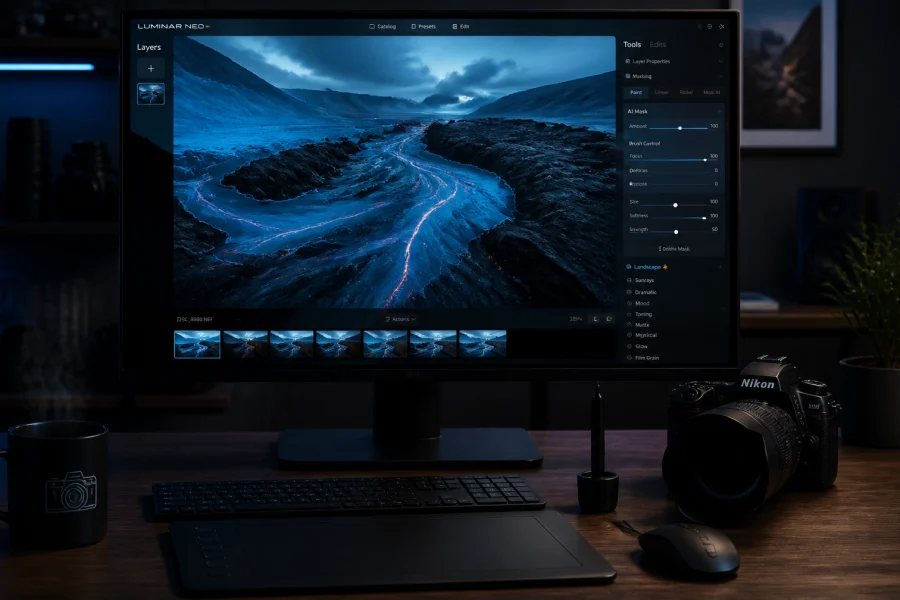
If you are looking for more technical breakdowns, check out Shut Your Aperture for some excellent deep dives into camera hardware. Locally, we’ve been focusing on how to blend these new AI tools with traditional skills. For instance, using Luminar has become a staple for many of our workflows because it simplifies the heavy lifting of post-processing without stripping away the artist's intent.
Back to Basics: Mastering the Exposure Triangle
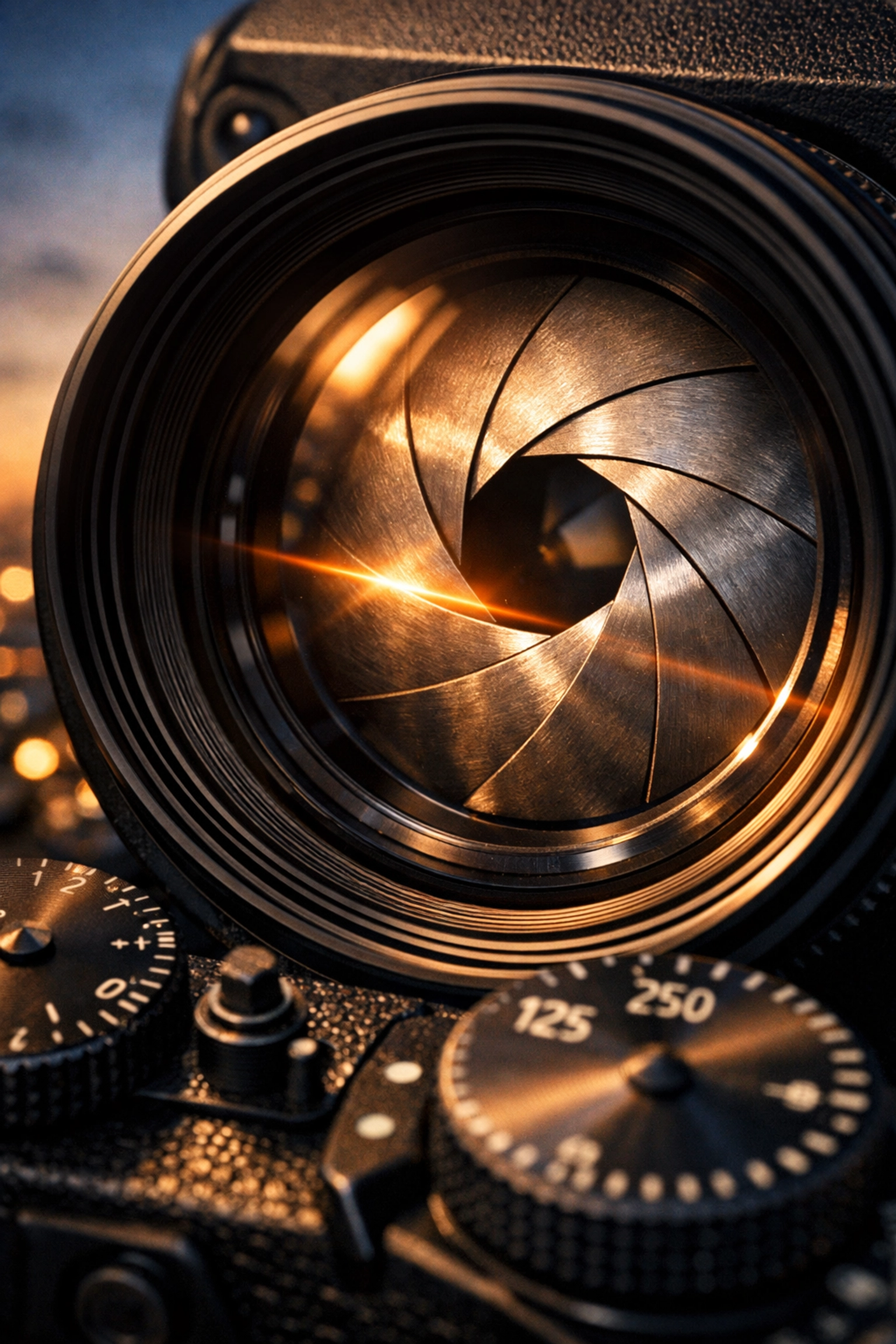
You can’t build a house without a foundation, and you can’t take a pro-level photo without understanding the exposure triangle. Even in 2026, with cameras that have incredible "Auto" modes, knowing how to manipulate these three elements manually is what separates a snapper from a photographer.
- Aperture: This controls your depth of field. Want that creamy, blurred background in your portraits? Open it up to f/1.8.
- Shutter Speed: This is how you freeze a bird in flight or create those silky waterfalls.
- ISO: This is your sensor's sensitivity to light. Keep it low (100-400) for crisp shots, and only crank it up when the sun goes down.
If you’re struggling with these, head over to www.proshoot.io for some hands-on drills. Mastering these settings allows you to play with light in ways a computer just can't predict.
Elevating Your Real Estate Game
Real estate photography has exploded over the last few years. It’s no longer just about taking a wide-angle shot of a living room and calling it a day. Today’s market demands emotion. Buyers want to see themselves living in the space.
We’ve talked before about how vistas and perspectives can completely change how a potential buyer perceives a property. It’s about manipulating the viewer's eye to see the potential of a home.
If you’re looking to take your listings to the next level, you should consider if cinematic techniques could transform your property showcases. Using video and lighting to tell a story is the gold standard right now. Speaking of lighting, understanding the role of luminosity in real estate photography is the difference between a flat, boring room and an inviting sanctuary.
For those high-end, million-dollar listings, you want to aim for an ethereal imagery style. Soft shadows, glowing highlights, and a clean, airy feel are what sell luxury homes in today's market.
Learning from the Masters: Landscape Photography
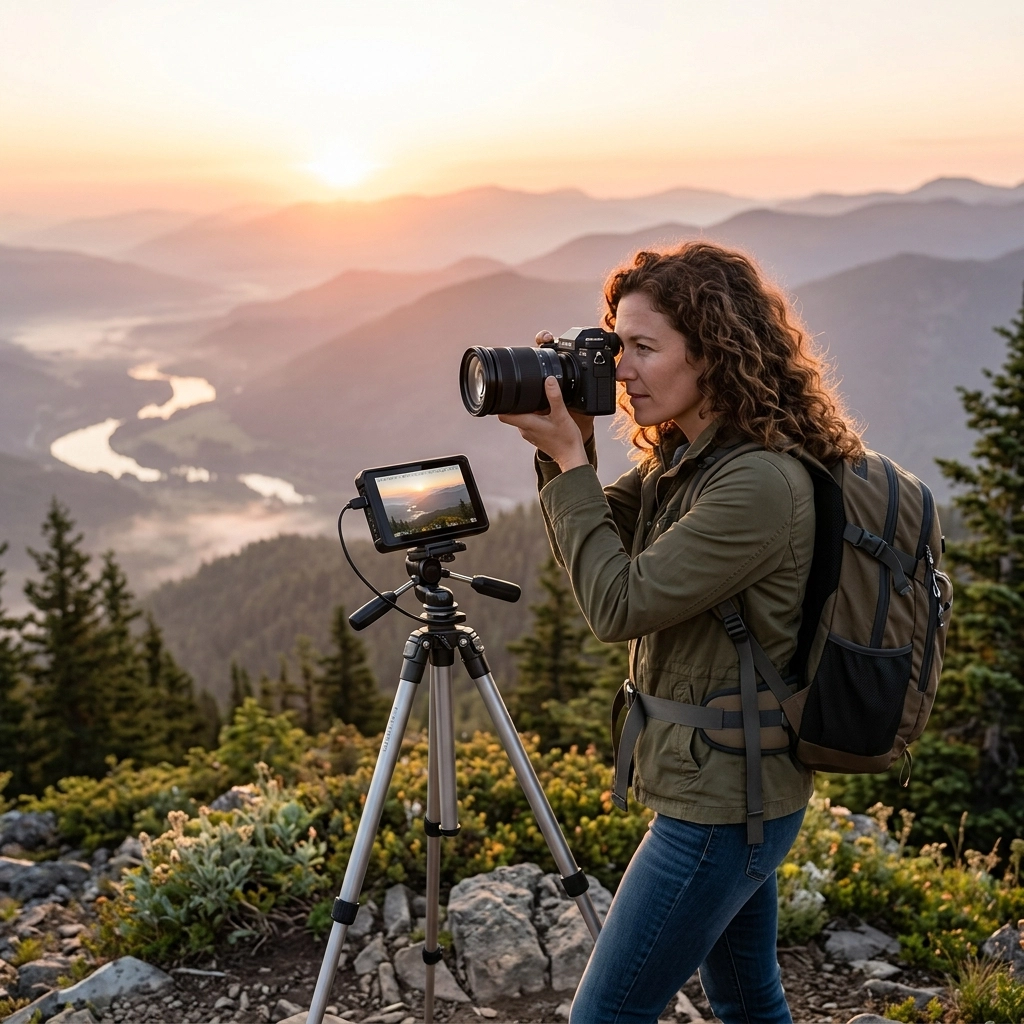
Landscape photography is perhaps the most humbling genre. You are entirely at the mercy of Mother Nature. If she doesn’t want to give you a sunset, you aren’t getting one.
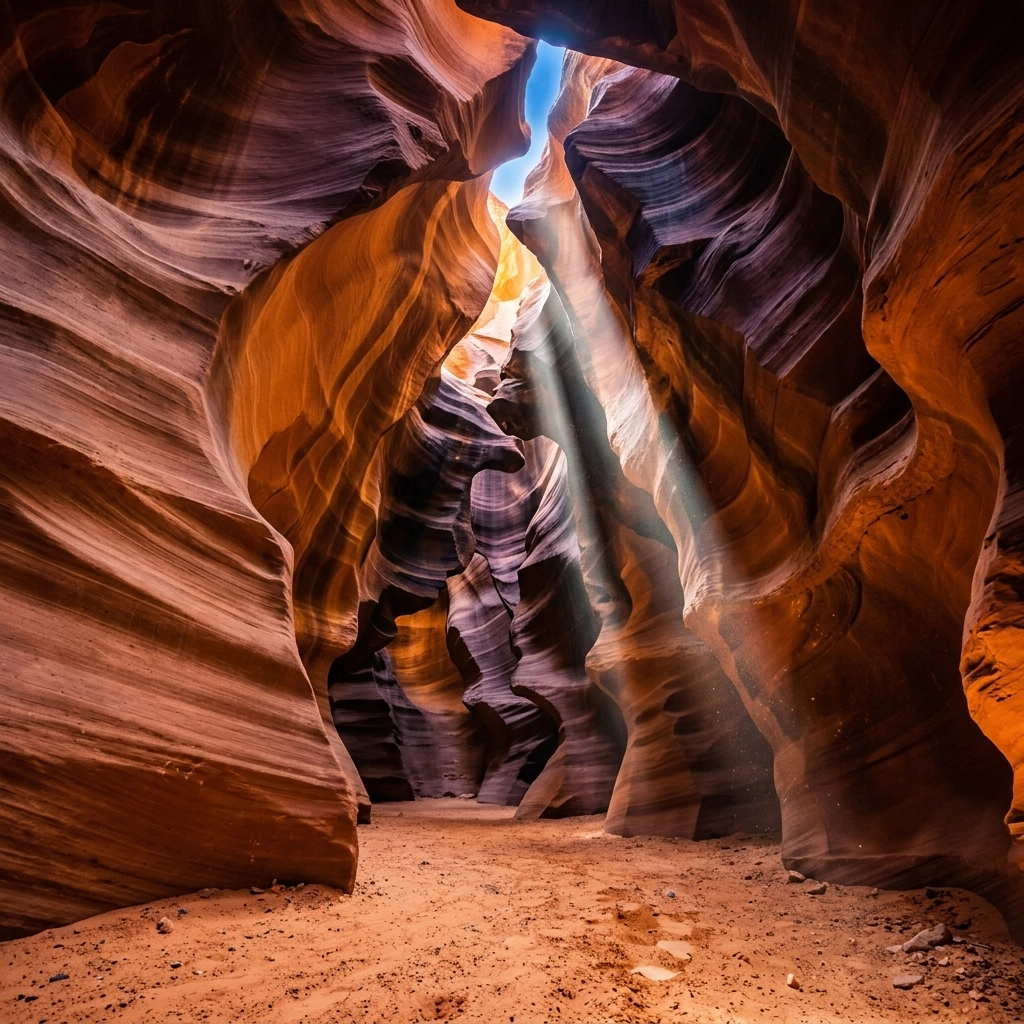
One name that always comes up when discussing the pinnacle of this art form is Peter Lik. His work has inspired millions, and there are specific lessons in landscape photography from Peter Lik that we can all apply to our own work. It’s about patience, waiting for that "perfect" light, and having the technical skills to capture it when it finally happens.
His ability to capture vast, vibrant scenes is why Peter Lik’s photographs are inspiring art lovers worldwide. If you want to see how this translates into fine art, take a look at www.edinfineart.com for some incredible examples of gallery-quality landscapes.
Composition: More Than the Rule of Thirds
We all know the rule of thirds. It’s the first thing you learn. But in 2026, we’re seeing a shift toward more "intentional" breaking of the rules.
- Symmetry and Centering: Sometimes, putting your subject right in the middle creates a powerful, confrontational image.
- Leading Lines: Use roads, fences, or even shadows to pull the viewer’s eye through the frame.
- Frame within a Frame: Look for windows, doorways, or overhanging branches to add depth to your shot.
Composition is about storytelling. For more inspiration on how to tell a visual story, Edin Chavez shares some great insights over at blog.edinchavez.com. He often talks about the "why" behind the photo, which is just as important as the "how."
The World of Luxury and Lifestyle
Photography isn't just about sunsets and buildings; it's about the way we live. Commercial and lifestyle photography has taken a turn toward the ultra-exclusive. We’ve been seeing a huge demand for high-end food and restaurant photography.
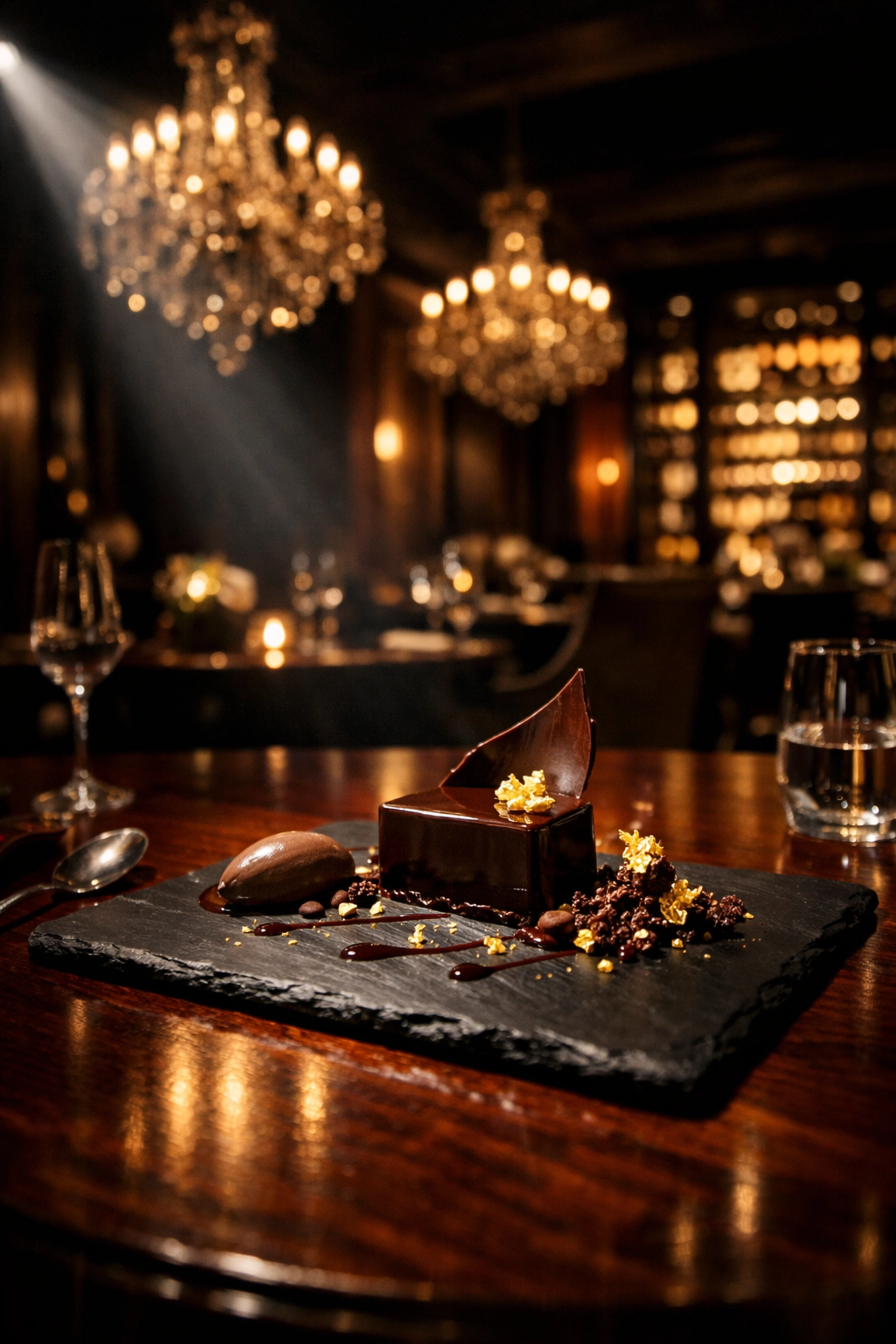
When you are shooting luxury dining at the world’s most exclusive restaurants, you aren't just taking a picture of a plate of food. You are capturing an experience. The lighting has to be moody, the details have to be sharp, and the atmosphere has to be palpable.
This type of work requires a studio mindset, even when you're on location. If you’re interested in how pro studios operate, check out www.edinstudios.com to see their setup and process.
Post-Processing: The Final Touch
A RAW file is like a piece of unpolished marble. It has all the potential in the world, but it needs a sculptor to bring out the beauty.
Editing software has become incredibly powerful. As mentioned earlier, Luminar is a favorite for many because of its AI-driven features. It allows you to replace skies, enhance skin tones, and adjust lighting with just a few clicks. However, the key is to stay subtle. The best edit is the one no one knows happened.
Quick Editing Tips:
- Check your Histogram: Don't trust your eyes alone; look at the data to make sure you aren't clipping your highlights or shadows.
- Color Grading: Use color to set the mood. Blues and teals for a cinematic, cold feel; oranges and yellows for warmth and nostalgia.
- Sharpening: Only sharpen where it’s needed. Sharpening the whole image can lead to unwanted noise in the shadows.
Photography News: What’s Trending in 2026?
The biggest news this year has been the integration of "Smart Sensors" that can predict movement better than ever. We’re also seeing a massive resurgence in analog-style digital cameras: people want the knobs and dials back. They want the tactile feel of photography, not just a touchscreen.
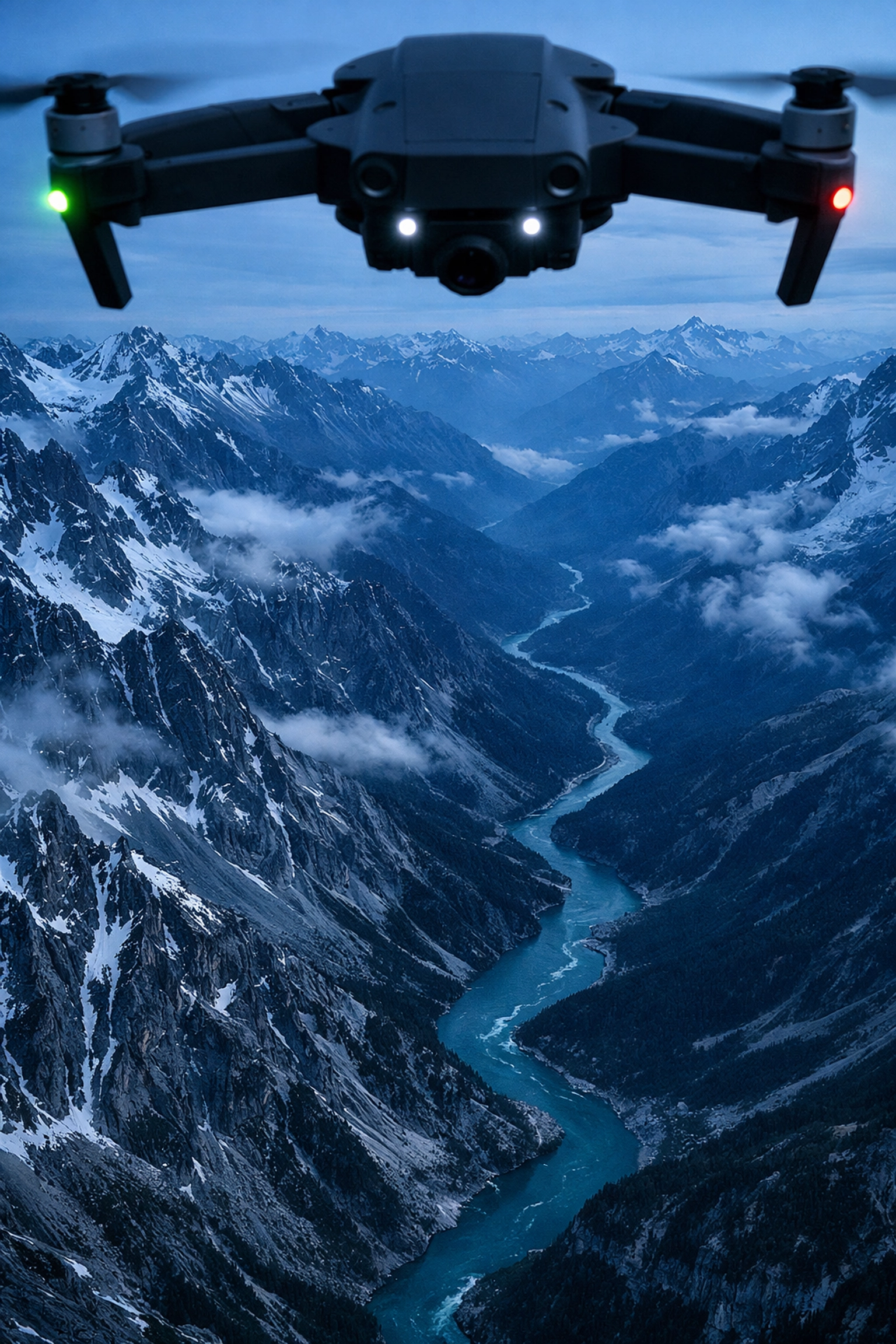
Drones have also become even smaller and quieter, making them essential for real estate and landscape work. If you haven't added an aerial perspective to your portfolio yet, 2026 is the year to do it.
Street Photography and the Human Element
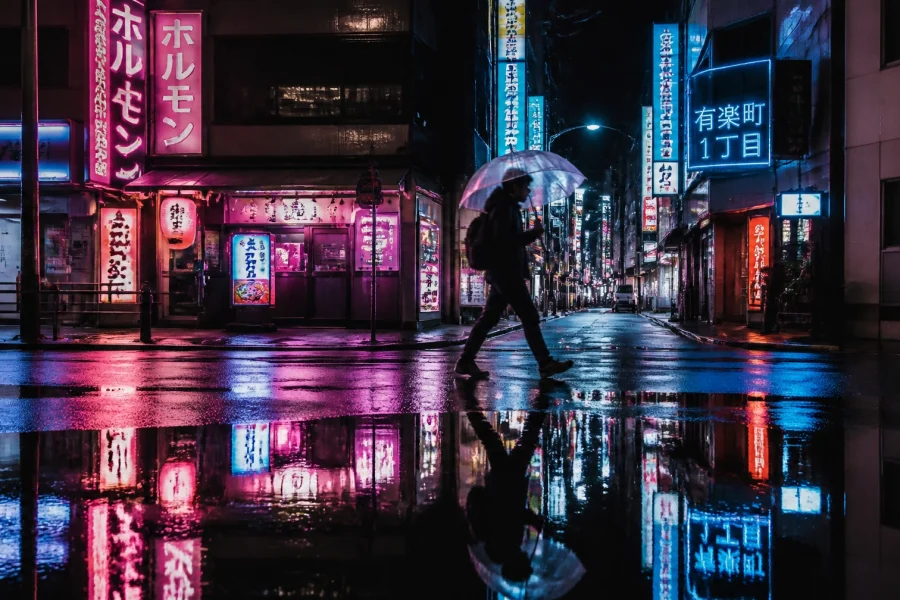
Finally, let’s talk about people. Street photography is perhaps the purest form of the craft. It’s candid, it’s raw, and it’s unpredictable. The best tip for street photography? Be invisible. Wear neutral clothes, use a small camera, and keep your eyes open.
Wait for the "decisive moment." It’s that split second where everything aligns: the light, the person’s expression, and the background. It takes practice and a lot of missed shots, but when you get it, there’s no better feeling.
Putting It All Together
Photography is a journey, not a destination. You never really "finish" learning. Whether you are exploring the role of luminosity in real estate photography or trying to mimic the greats like Peter Lik, the most important thing is that you keep shooting.
Don't be afraid to fail. Take the bad photos. Experiment with weird angles. Use tools like Luminar to see how far you can push your creativity. And most importantly, share your work. Photography is a visual language meant to be spoken.
For more updates, sitemaps, and archives of our past tutorials, you can browse through our post-sitemap1.xml or check out the category-sitemap.xml to find exactly what you are looking for.
Keep your batteries charged and your lenses clean. We’ll see you out there in the field. Remember to coordinate with Sonny on social media to share your latest shots: we love seeing what our community is creating. If you're looking for more inspiration, keep browsing Shut Your Aperture. We’ve got plenty of content coming your way.