If you’ve been following photography news lately, you’ve probably noticed every camera brand is trying to pull off the same magic trick: make the gear smaller, then brag that it somehow does more. GoPro has owned the tiny-camera lane for years, but for a long time that lane came with an unspoken warning label: fun footage, sure, but maybe don’t expect cinema magic.
That’s where things get interesting.
The GoPro MISSION 1 feels like GoPro finally deciding to stop playing the “cute little action cam” role. This isn’t just a Hero with a few extra tricks and a shinier pitch deck. We’re talking 1-inch sensors, interchangeable lenses, and color science that sounds a lot less like “weekend trail ride” and a lot more like “okay, who gave the tiny camera a film budget?”
In this edition of our camera gear reviews, we’re digging into why the MISSION 1 series matters, why creators are paying attention, and why some bigger rigs are suddenly looking a little nervous.
The Death of the "Action Cam" Label
For years, “action camera” basically meant, “super handy, weirdly durable, and yeah… the image quality is fine.” You bought one because it could survive a beating, not because you were trying to match footage from a serious cinema setup. Low light was usually rough, dynamic range was a compromise, and the footage had that unmistakable action-cam look.
That’s why the MISSION 1 series feels different. It sounds like GoPro looked at the way filmmakers were already using their cameras as crash cams, hidden cams, and backup cams, then asked the obvious question: what if this little thing didn’t have to look like the odd one out in the edit?
That’s the real shift here. GoPro isn’t just making something for travel clips and bike helmets anymore. The MISSION 1 looks like it was built for actual production work, and squeezing 14 stops of dynamic range into a body this small is the kind of move that makes people do a double take.

Meet the Lineup: MISSION 1, PRO, and ILS
GoPro didn’t show up with one camera and call it a day. They rolled out a full little family here, and each version feels aimed at a slightly different kind of shooter.
1. The Standard MISSION 1
This is the base model, if “base model” is even the right phrase when you’re still getting a 1-inch 50MP sensor. It’s the version for creators who want a serious image upgrade without turning their camera bag into a hardware experiment. You get 8K30, 4K120, and a big enough leap from the Hero 12 or 13 that it won’t feel like a minor refresh.
2. The MISSION 1 PRO
The PRO is where GoPro starts acting a little cocky, and honestly, fair enough. It runs on the new GP3 processor built on 5nm architecture and pushes 8K at 60fps and 4K at 240fps. That’s absurdly fast for something this compact. It also adds GP-Log2, which is exactly the sort of thing color nerds and editors love because it gives them more room to shape the footage without it falling apart.
3. The MISSION 1 PRO ILS
This is the one that makes people pause mid-scroll.
The "ILS" stands for Interchangeable Lens System. In other words, GoPro gave it a Micro Four Thirds (MFT) mount.
Yes, really.
A GoPro with swappable lenses is the kind of rumor people would have laughed off a few years ago. But here we are. And that one change makes this camera way more versatile. Suddenly it’s not locked into the classic ultra-wide action-cam look. You can use better glass, shoot tighter frames, work in trickier light, and get a lot more creative without giving up the compact GoPro feel.

The Tech Inside: Why It Actually Matters
A lot of new cameras sound amazing in announcement videos and then feel a lot less exciting once the confetti settles. That’s not really the vibe here. The MISSION 1 specs actually solve real problems.
The 1-Inch Sensor
The 50MP 1-inch sensor is doing a lot of the heavy lifting. Bigger sensor, better image quality, especially once the lighting gets messy. That means cleaner footage, more flexibility in post, and less of that “well, it looked fine outside at noon” energy. GoPro says the MISSION 1 can hit 14 stops of dynamic range, which is not a casual number.
The GP3 Processor
Then there’s the GP3 processor, which might be the unsung hero of the whole thing. Fast frame rates are great, but keeping the camera from cooking itself during long shoots is arguably even better. Older GoPros could get a little dramatic under pressure. The GP3 is supposed to run cooler, last longer, and boost battery life by up to 70% in 4K compared to the Hero 13. That’s the sort of upgrade people actually notice in the real world.
32-Bit Float Audio
And then there’s 32-bit float audio, which sounds boring right up until it saves your audio from disaster. If levels spike unexpectedly, you’ve got way more flexibility to recover things in post. It’s not the flashiest feature on the spec sheet, but it might end up being one of the most useful.
Post-Processing: Making the Footage Pop
If you plan on shooting in 10-bit GP-Log2, just know the footage is going to look a little flat at first. That’s normal. It’s not broken, it’s just waiting for you to stop being lazy in post. The upside is you get way more room to shape the final look, which is kind of the whole point.
And because the MISSION 1 is tossing around big 8K files, your editing workflow matters. A lot. We’ve found that Luminar can be surprisingly useful for quick color cleanup and AI-powered adjustments when you want your frames to look polished without spending half your life nudging sliders around. It’s mostly known as a photo editor, but the color tools are genuinely helpful when you’re dialing things in before the full video edit.
If words like Log, bitrate, codecs, and focal lengths start sounding like a conversation you accidentally walked into, that’s where the Shut Your Aperture Learning Portal comes in. We break this stuff down in plain English so you can actually use the gear instead of just reading spec sheets and pretending to understand them.

Ruggedness: It’s Still a GoPro
Whenever a brand tries to move upmarket, there’s always that little fear that the product is about to become expensive, delicate, and weirdly afraid of weather. Nobody wants a camera that looks pro but has the emotional stability of a croissant.
Thankfully, GoPro seems to have remembered its whole identity. Even the MISSION 1 PRO is waterproof to 20 meters (66 feet) without needing a housing. The ILS version changes things a bit because of the lens mount, but the body itself still sounds properly rugged.
That matters a lot for documentary shooters, travel filmmakers, and basically anyone who doesn’t work in a perfectly controlled studio. If your style is more “throw it in the bag and figure it out on location,” this is exactly the kind of durability you want. It’s also a great fit for the Havana drone photo adventure kind of shooting where portability and toughness really earn their keep.
GoPro MISSION 1 vs. The Competition
So how does the MISSION 1 stack up against the usual competition? Better than a lot of people probably expected. In our recent camera gear reviews, we’ve covered some strong releases from Sony and DJI, and this is the first time in a while that GoPro feels like it’s crashing that party with zero shame.
- VS DJI Osmo Pocket 4: The Pocket 4 is great for smooth vlogging and easy everyday shooting. But it’s not exactly built for chaos. The MISSION 1 feels way tougher, and the jump to 8K gives it more room to flex.
- VS Sony Alpha Series: Sony’s A7SIII still wins if you want full-frame low-light performance and dreamy background blur. No surprise there. But the MISSION 1 is tiny, light, and way easier to carry without turning your shoulder into a complaint department. For a lot of creators, that matters more than winning every spec battle. It’s much easier to bring along on a Havana urban art photo walk.

Why This Matters for the Industry
This camera matters for a pretty simple reason: it shows how quickly the gap between “tiny camera” and “serious camera” is disappearing. Not that long ago, 10-bit 8K video with interchangeable lenses was deep into “hope your credit card is feeling brave” territory. Now those kinds of features are showing up in something small enough to disappear into a jacket pocket.
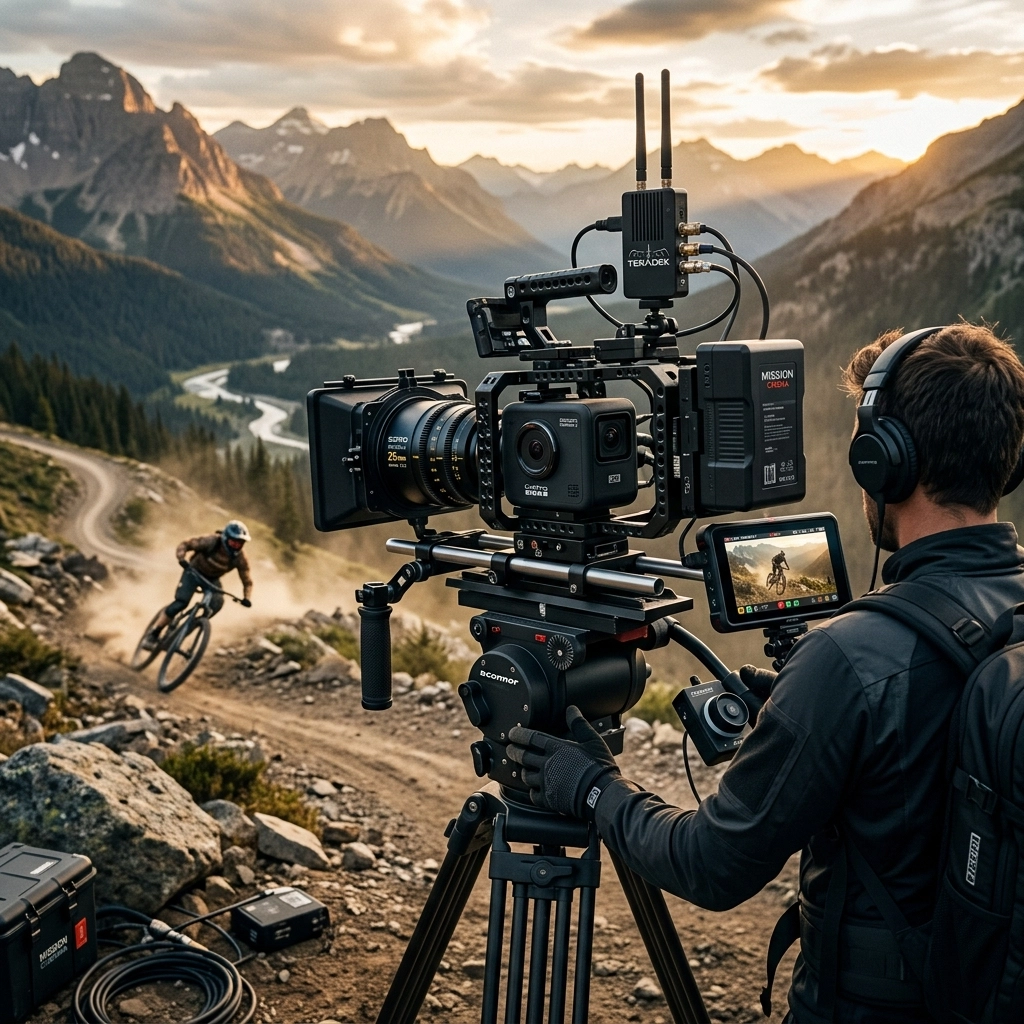
That changes the creative side of things in a big way. You can mount a MISSION 1 ILS on a smaller FPV drone, wedge it into awkward angles, or stick it in places where a full cinema rig would just become a very expensive inconvenience. More flexibility usually means better shots, or at least more chances to get weird with your ideas.
And like we mentioned in our post about why photography news matters, once one company starts pulling this off, everybody else has to respond. Sony, Canon, and Nikon may not be panicking, but they’re definitely not ignoring it.
Is the GoPro MISSION 1 Right for You?
If all you need is a camera for casual clips, vacation moments, or your cat randomly attacking a sock, this is probably overkill. A regular Hero or your phone will get that done without making your wallet nervous.
But if you’re:
- A Content Creator who wants cleaner, sharper video that feels more polished right out of the gate.
- A Professional Cinematographer who needs a rugged B-cam or C-cam that won’t feel like the weak link.
- An Adventurer who wants serious image quality without dragging a full mirrorless setup up a mountain.
Then the MISSION 1 starts to look very tempting. And the PRO ILS version is the real wildcard. A GoPro body that takes legit lenses is one of those ideas that sounds fake until you see it actually happen.
Final Thoughts
GoPro really didn’t play it safe with this one. The MISSION 1 series feels like the company looked at the action-cam box everyone put them in and decided to kick the sides out. Small camera, big ambitions, and for once that phrase doesn’t feel like marketing fluff.
If you want to get your head around all the new features without drowning in jargon, the Shut Your Aperture Learning Portal is a solid place to start. We keep it practical, easy to follow, and useful for people who’d rather shoot than spend six hours decoding spec sheets.
The photo and video world moves fast, but this feels like one of those releases that actually shifts the conversation. Whether you’re capturing Havana’s architectural beauty or filming something a lot messier and louder, the MISSION 1 makes a strong case for keeping your gear small and your ideas big.
Stay tuned for more photography news and gear breakdowns. It’s a pretty fun time to be a creator.