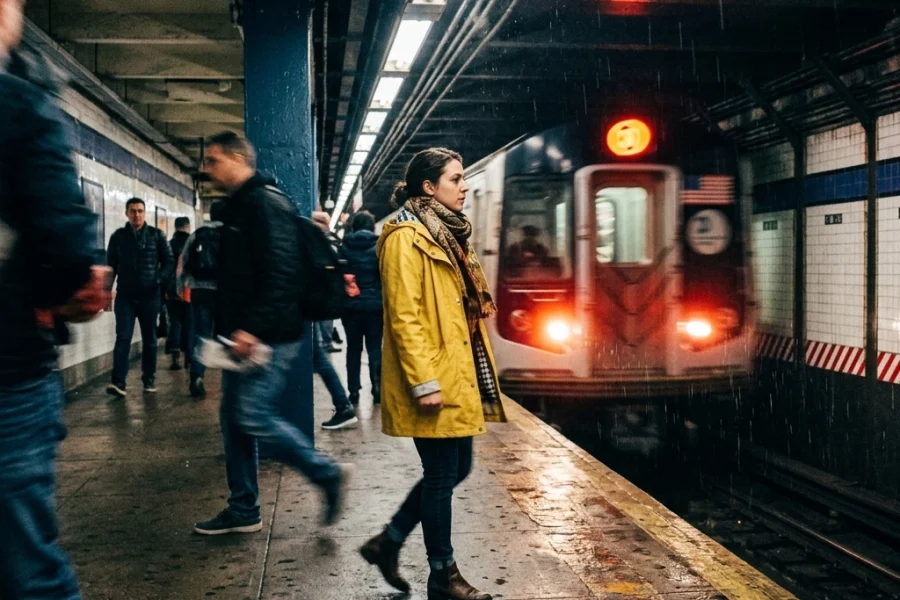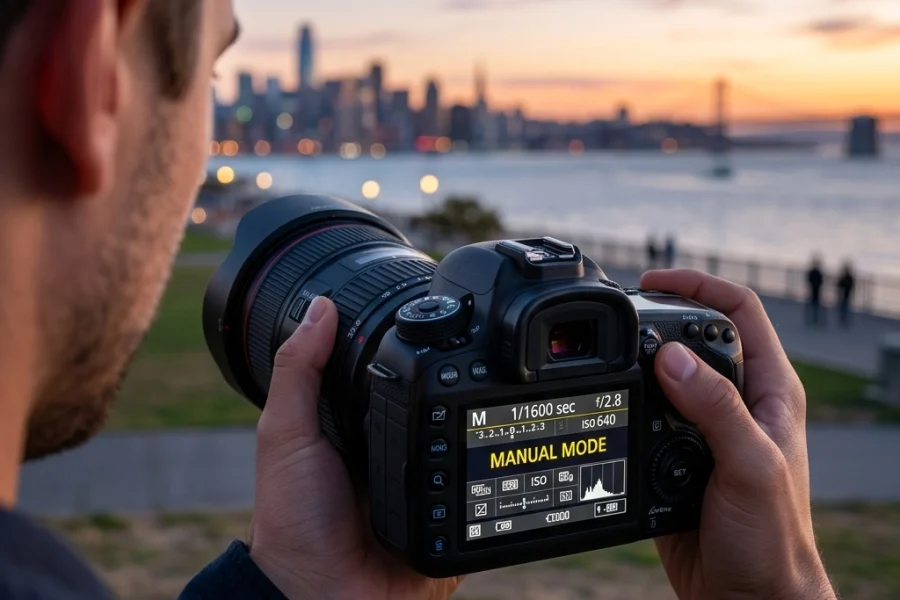
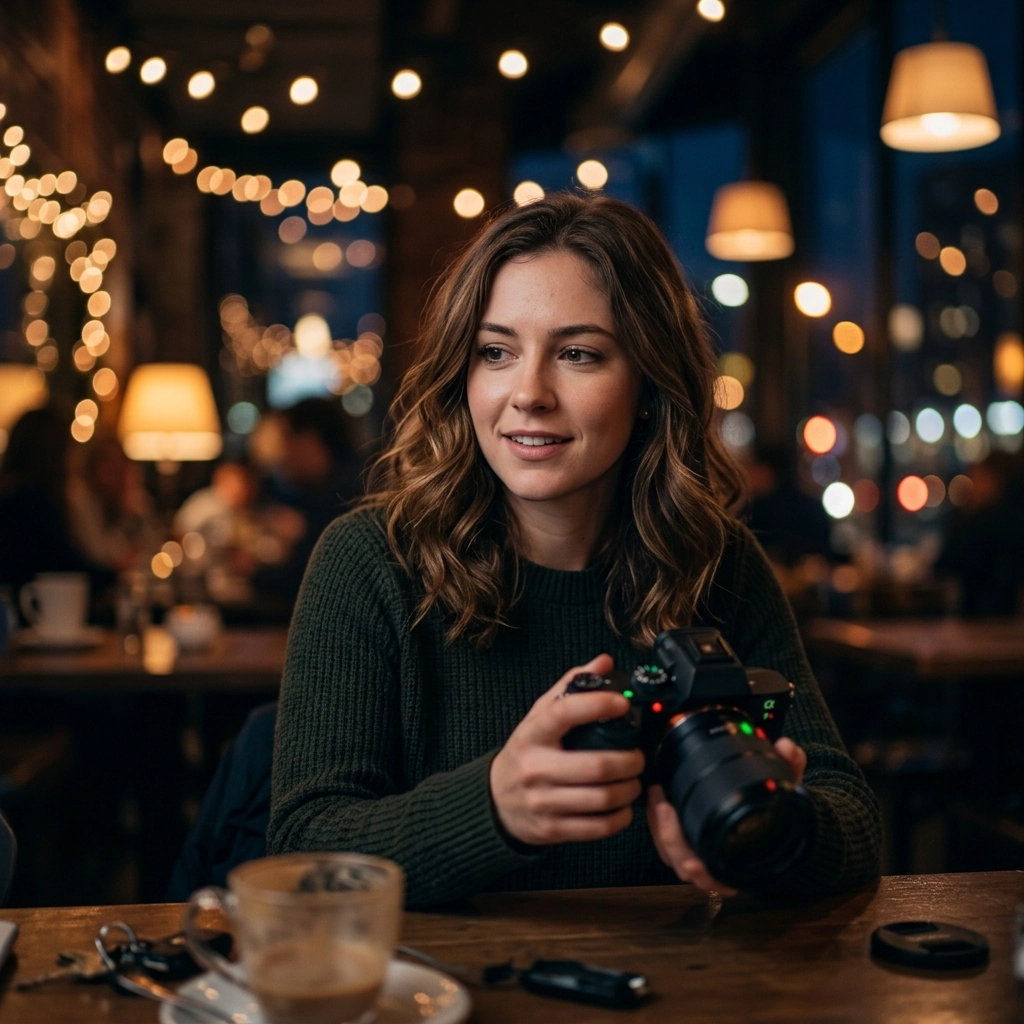
There is something undeniably cool about low-light portraits. When the sun dips below the horizon or you’re tucked away in a dimly lit jazz club, the atmosphere shifts. Shadows get longer, colors get richer, and there’s a sense of mystery that you just can't replicate at high noon.
But let’s be real: shooting in the dark is frustrating. You come home, upload your photos, and realize half of them are blurry, the other half look like they were shot through a screen door of digital noise, and your subject's face is out of focus. It’s enough to make you want to put the lens cap on and call it a day.
Most of these issues aren't because your camera is "bad." Even if you aren't rocking a Canon EOS R5 or a Sony A7R V, you can still get killer shots in the dark. The problem usually lies in the technique.
If you want to stop taking "okay" photos and start creating cinematic masterpieces after hours, you need to stop making these seven common mistakes.
1. Missing the Focus (The "Hunting" Trap)
The biggest vibe-killer in low-light photography is a blurry eye. In the dark, your camera’s autofocus system is basically blind. It looks for contrast to lock on, and when everything is a murky shade of charcoal, the lens just "hunts" back and forth until it gives up.
The Fix:
First, stop relying on the "All Points" AF mode. Switch to a single-point focus and aim it right at the subject's eye, specifically the one closest to the camera. If it still won't lock, use the "Phone Trick." Have your subject hold their phone light up to their face for just a second. Lock your focus (or use back-button focus), then have them turn the light off before you snap the shutter.
If you’re feeling brave, switch to manual focus. With modern mirrorless cameras, you can use "focus peaking", those little colored highlights that show you what's sharp, to nail the shot even when you can barely see. For more deep dives into technical skills like this, check out the photography tutorials at Shut Your Aperture.
2. Being Terrified of High ISO
We’ve all been told that ISO is the enemy. "Keep it at 100 or your photo is ruined!" That’s great advice if you’re shooting landscape composition in the middle of the day, but in a dark alley at 10 PM? It’s a recipe for disaster.
The Problem:
When you keep your ISO too low, you’re forced to use a shutter speed that is way too slow. This results in "camera shake" or "motion blur." A grainy photo is a choice; a blurry photo is a mistake.
The Fix:
Crank that ISO. Modern sensors are incredible. Don't be afraid to push it to 3200, 6400, or even higher. Digital noise is much easier to fix than motion blur. You can use tools like Luminar which have incredible AI-driven noise reduction features that can clean up a "noisy" image in seconds without losing the detail in the skin.

3. Relying on the Wrong Aperture (and Lens)
I see this all the time: photographers trying to shoot low-light portraits with a "kit lens" that has a maximum aperture of f/5.6. It just won’t work. You’re trying to fill a bucket with water using a cocktail straw.
The Problem:
A narrow aperture (high f-number) doesn't let enough light hit the sensor. This forces your ISO to skyrocket and your shutter speed to crawl. Plus, you lose that creamy background bokeh that makes portraits pop.
The Fix:
Invest in "fast" glass. We’re talking f/1.8 or f/1.4 primes. An 85mm f/1.8 is the gold standard for low-light portraits. It opens up the "floodgates" for light and creates a beautiful separation between your subject and the background. If you’re used to the wide look of golden hour landscapes, shifting to a tight 85mm or 50mm will change your life.
Also, keep an eye on your shutter speed. A good rule of thumb is the "Reciprocal Rule": if you're shooting at 85mm, keep your shutter at at least 1/80th or 1/100th of a second to avoid the jitters.
4. Ignoring the "Gift" of Ambient Light
Just because it’s dark doesn't mean there is no light. The mistake is ignoring where the light is coming from and just placing your subject anywhere.
The Problem:
When you place a subject under a harsh overhead streetlamp, they get "raccoon eyes", dark shadows in the eye sockets. If you place them too far from a light source, they look flat and muddy.
The Fix:
Be a moth. Look for the light. Use neon signs, shop windows, or even the glow from a nearby phone. Position your subject so the light hits their face at a 45-degree angle (Rembrandt lighting). This creates shape and dimension. If you want more inspiration on finding light in the city, PhotoGuides.org has some great location-scouting tips.
Think about the quality of light too. A large window of a closed shop acts like a giant softbox. A tiny LED streetlamp acts like a spotlight. Use them intentionally.

5. The "Flash Phobia"
Many "natural light" photographers treat flash like it’s a dirty word. They think it’s going to look like a 1990s DMV photo. While "on-camera" direct flash is usually terrible, avoiding flash entirely in low light is a massive missed opportunity.
The Problem:
Without any supplemental light, you have zero control over the "catchlights" in the eyes. Without catchlights, eyes look dead and soul-less.
The Fix:
Use off-camera flash. Even a cheap speedlight with a small diffuser can make a world of difference. You aren't trying to overpower the darkness; you’re just trying to "kiss" the subject with enough light to separate them from the background.
Think of flash as an adjustment brush you use in real-time. If you’re curious about how to integrate these high-tech looks, read up on AI photo editing tools and techniques for 2026. You can learn how to blend flash shots with ambient backgrounds for a high-end commercial look.
6. Trusting Your Camera’s Metering
Your camera is smart, but it’s also easily fooled. In a dark environment, your camera looks at the scene and thinks, "Whoa, it’s way too dark in here! I better overexpose this to make it look like daytime!"
The Problem:
If your camera overexposes a low-light scene, it destroys the mood. Worse, it often "blows out" the highlights on the subject's face because it's trying to find detail in the dark shadows of the background.
The Fix:
Use Exposure Compensation. Dial it down to -1 or even -2. You want the shadows to stay dark. You want the atmosphere to feel like nighttime. Check your histogram, don't trust the screen on the back of your camera, because in the dark, that screen looks much brighter than it actually is.
If you want to see how the pros handle exposure in tricky situations, Edin’s fine art gallery shows exactly how to embrace deep blacks while keeping the subject's skin tones perfect.

7. Forgetting to Direct (The "Frozen Subject" Error)
When it’s dark, we get so focused on the settings and the focus that we forget to talk to the human in front of the lens.
The Problem:
Because low light usually requires a slightly slower shutter speed, any movement, even breathing, can cause blur. If you don't give your subject clear direction, they might move at the wrong time, or they might look stiff because they're trying too hard to stay still.
The Fix:
Communication is key. Tell them, "Okay, hold that for three seconds." Give them something to lean on: a wall, a lamp post, or a chair. Not only does this help them stay still, but it also adds a natural element to the pose.
Direct them toward the light. If the light is coming from a high window, have them tilt their chin up. If you need more tips on how to handle the "business" side of a shoot and keeping things professional, Edin Chavez’s personal blog is a goldmine for the human side of photography.
Post-Processing: Where the Magic Happens
Let’s be honest: even the best low-light shot needs some love in post-production. This is where you fix the white balance (indoor lights are often way too yellow) and manage the noise.
Using Luminar is a game-changer here because of its ability to selectively enhance "Face AI" without affecting the dark, moody background. You can bring back the sparkle in the eyes and smooth out skin that might look a bit "gritty" due to high ISO.
When you’re editing, remember to keep the "vibe" of the night. Don't lift the shadows so much that it looks like it was shot in a studio. Keep those blacks deep. It adds contrast and makes the colors pop.

Practice Makes Perfect
Low-light portraiture is essentially "Photography Hard Mode." It tests your gear, your patience, and your technical knowledge. But when you get it right? It’s the most rewarding feeling in the world.
If you’re struggling, don't get discouraged. Pick one of these mistakes to fix on your next shoot. Maybe tonight you just focus on "The Moth Technique" and finding better ambient light. Tomorrow, maybe you tackle manual focusing.
For those of you looking to really level up your game and get away from the "spray and pray" method of shooting in the dark, I highly recommend checking out our full suite of learning materials at Shut Your Aperture. We dive deep into the settings that actually matter so you can spend less time chimping at your screen and more time creating art.
The world looks different after the sun goes down. Don't miss out on those shots just because you're afraid of a little darkness. Grab your fastest lens, crank that ISO, and go see what you can find.