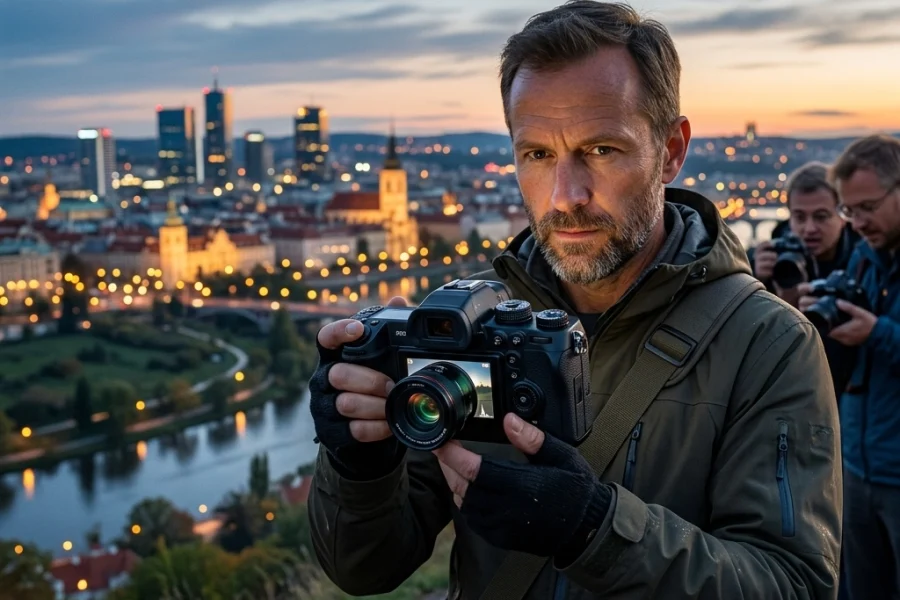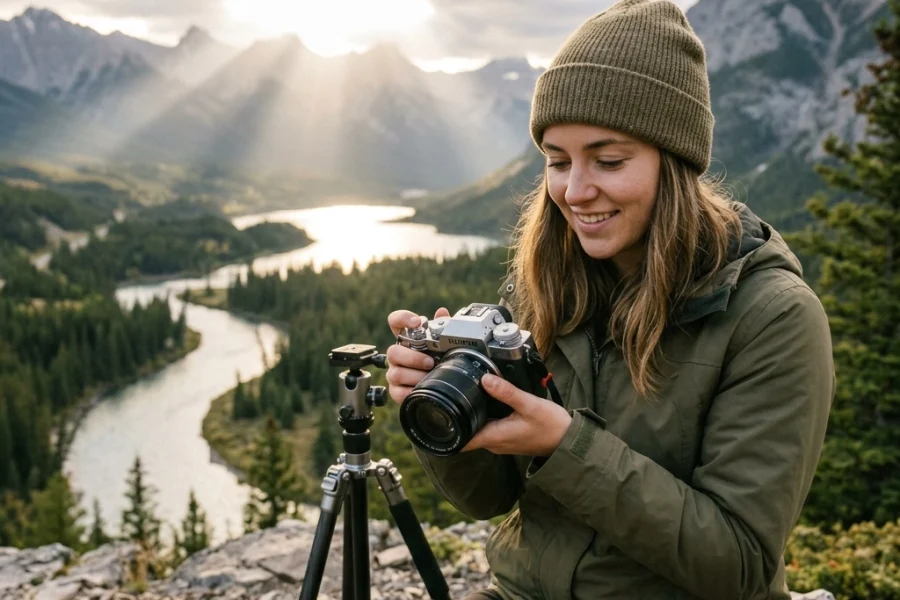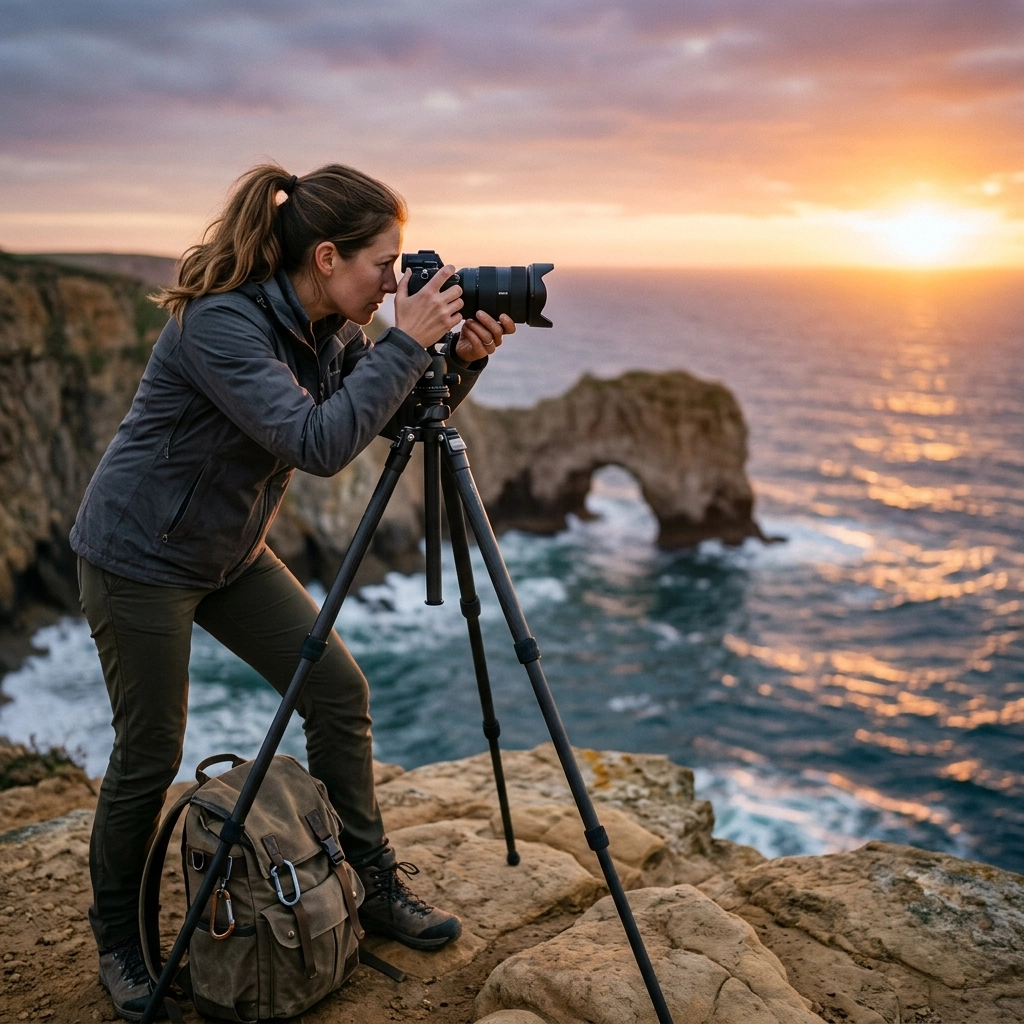
Welcome to 2026. If you’re reading this, you’ve likely realized that photography isn't what it used to be five or ten years ago. We are living in a wild new era where AI-generated imagery and traditional "pixel-hunting" have merged into something entirely different: Digital Art.
But here’s the thing: while the tools have changed, the soul of a great photograph hasn't. Whether you’re shooting on a brand-new mirrorless beast or a smartphone that has more processing power than a 2010 laptop, the principles of light, story, and composition remain your north star.
At Shut Your Aperture, we believe that the best camera is the one you know how to use. That’s why we’ve put together this massive guide to help you navigate the current landscape of photography tutorials, industry news, and the technical skills you need to dominate the scene today.
The State of Photography in 2026
In 2026, the barrier to entry has vanished. Everyone is a "photographer," but very few are artists. The difference lies in education. You can buy the most expensive gear on the planet, but if you don't understand how to manipulate light or how to tell a story with a single frame, you’re just someone with a heavy neck strap.
The news cycle moves fast. One week, we’re talking about the latest firmware update for the Sony A7R V; the next, we’re debating whether AI-assisted autofocus is "cheating" (spoiler: it’s not; it’s a tool). To stay ahead, you need to be a constant student. You should be looking for daily photography tutorials that challenge your perspective and force you to pick up your camera even when you don't feel like it.

Mastering the Fundamentals: Light is Everything
If there is one thing that separates the pros from the amateurs, it’s how they handle light. You can have the best composition in the world, but if the lighting is flat or muddy, the photo is dead on arrival.
When you're looking for pro photography tutorials, focus on how light creates shape and depth. Most beginners make the mistake of thinking more light is better. It’s actually the opposite. Shadows are what give your image dimension.
Natural Light vs. Artificial Light
One of the biggest hurdles for new photographers is mastering natural light. It sounds easy: just go outside, right? Wrong. Dealing with the harsh midday sun or the rapidly changing colors of a sunset requires serious skill. In fact, there are at least 7 mistakes you’re probably making with natural light portraits right now, from placing your subject in "patchy" light to ignoring the importance of a simple reflector.
If you want to take your education to the next level and really dive deep into these concepts, you should check out the structured courses at Shut Your Aperture Academy. It’s where we break down the "why" behind the "how."
Gear News: The Battle of the Titans
It’s May 2026, and the gear wars are still going strong. If you’re in the market for a new body, the choices are tougher than ever. The two biggest names in the game are still duking it out for the top spot.
Canon EOS R5 vs. Sony A7R V
This is the heavyweight match of the decade. If you are a high-resolution junkie, you’ve probably spent hours looking at the Canon EOS R5 vs. Sony A7R V comparison.
- Sony A7R V: Known for its incredible AI-based autofocus that can track everything from insects to airplanes. It’s a landscape and studio photographer’s dream.
- Canon EOS R5: The colors are still legendary, and the ergonomics feel like an extension of your hand. It’s a versatile beast for those who jump between stills and high-end video.
But what if you aren't looking for a $4,000 body? The mid-range market is where the real innovation is happening. The Sony A7 IV vs. Canon EOS R6 Mark II debate is still a hot topic for wedding and event photographers who need reliability without the massive file sizes of the 60MP+ sensors.
The Rise of the OM System
Don't sleep on Micro Four Thirds. The OM System OM-1 Mark II has become a cult favorite for photographers who want to travel light without sacrificing pro features. Whether you’re looking for wildlife photography settings or you need the perfect setup for sports photography, this camera punches way above its weight class.

Digital Art and the Post-Processing Revolution
In 2026, taking the photo is only 50% of the job. The other 50% happens at your computer (or tablet). We aren't just "fixing" photos anymore; we are creating art.
If you want to see what high-level digital art looks like, take a peek at Edin Fine Art. You'll see how a RAW file can be transformed into a gallery-worthy masterpiece through careful editing and vision.
Software You Need to Know
Adobe Lightroom and Photoshop are still the industry standards, but they aren’t the only players in the game. AI-powered tools have made complex tasks like masking and sky replacement a one-click affair.
One of the most powerful tools currently available is Luminar. What makes Luminar stand out in 2026 is its ability to handle "boring" tasks automatically, allowing you to focus on the creative color grading and atmosphere. If you haven't integrated Luminar into your workflow yet, you’re essentially working harder, not smarter.
Niche Tutorials: Finding Your Path
The "Generalist" is a dying breed. To succeed in the modern era, you need to find a niche and own it. Here are some of the most popular paths for photographers right now and the tutorials that will help you get there.
1. Street Photography
Street photography is the purest form of the craft. It’s about anticipation and luck. But there are secrets the pros use to get those "decisive moments" without getting punched in the face. We’ve actually revealed some street photography secrets that experts usually keep to themselves. It’s all about blending in and knowing your gear so well that you don't even have to look at your dials.
If you're using an OM System, check out these specific street photography settings to ensure you never miss a beat.
2. Corporate and Headshot Photography
If you want to make money, this is where it’s at. Every professional needs a headshot, and they are willing to pay for quality. Mastering this requires a mix of technical lighting skills and "people" skills. Check out our ultimate guide to professional corporate headshots to learn how to pose your clients and deliver images that actually help them get jobs.
3. Landscape and Nature
Landscape photography in 2026 is all about dynamic range and composition. Whether you’re using a Sony ZV-E10 II or the OM-1 Mark II, you need to know how to stack exposures and handle the elements.
For more in-depth field guides on traveling for landscapes, head over to PhotoGuides.org. They have some of the best location-specific advice for photographers who want to get off the beaten path.
4. Product and Real Estate
These are the "bread and butter" niches. Real estate agents always need photos, and e-commerce is bigger than ever.
- Real Estate: You need to master wide-angle lenses and HDR. (See OM-1 Mark II Real Estate Settings).
- Product: It’s all about the macro details and clean lighting. (See Sony ZV-E10 II Product Settings).

How to Stay Updated (Without Going Insane)
The sheer volume of photography news can be overwhelming. Between new lens releases, AI updates, and social media algorithm changes, it’s easy to feel like you’re falling behind.
Here is my advice: Pick your mentors wisely.
Don't follow 500 different photography "influencers." Follow a few who actually shoot for a living and provide real value. I’m a bit biased, but I think Edin Chavez’s blog is a great place to start. He shares behind-the-scenes stories from real-world assignments that you just won't find in a standard technical manual.
Also, keep an eye on the industry stalwarts. Check out news hubs that offer deep dives into sensor technology and optical engineering. But remember, reading about photography isn't the same as doing it.
Create a Learning Schedule
To truly succeed in this new era, you need a mix of passive and active learning:
- Passive: Listen to photography podcasts while you drive or edit. Stay up to date on the latest gear releases.
- Active: Dedicate at least two hours a week to a specific tutorial. If you’re struggling with portrait photography settings, spend an afternoon shooting specifically to master that one thing.
The Ethical Dilemma of 2026: AI in Photography
We can't have a "guide to the new era" without talking about AI. Many photographers are scared of it. They think it’s going to replace them.
Here is the truth: AI won't replace photographers, but photographers who use AI will replace those who don't.
From denoising software that makes a photo shot at ISO 12800 look like it was shot at ISO 100, to tools like Luminar that can relight a scene in seconds, AI is a superpower. It allows you to spend less time in front of a glowing screen and more time out in the world with your camera.
The ethics come into play when you start generating things that weren't there. As a digital artist, you have to decide where your line is. Is it still a "photograph" if you added a mountain range that wasn't there? Maybe not. Is it a "work of art"? Absolutely. Be honest with your audience about your process, and you’ll find that people value the vision more than the "purity" of the RAW file.

Putting It All Together
Photography in 2026 is a blend of technical mastery, digital artistry, and constant adaptation. The "Ultimate Guide" isn't a destination; it’s a mindset.
You need to know your camera settings inside and out: whether you're looking for wedding photography settings or just trying to figure out how to get a sharp shot of your dog in the backyard. But you also need to understand the tools of the modern age, from AI-powered editing to the latest mirrorless innovations.
Your Action Plan:
- Audit Your Skills: What is the one thing you’re worst at? Is it lighting? Composition? Editing? Focus your next month of learning on that one weakness.
- Update Your Workflow: If you are still editing like it’s 2018, try out some new tools. Download Luminar and see how much time it saves you.
- Go Shoot: All the tutorials in the world won't help if your camera is sitting on a shelf collecting dust.
- Join a Community: Head over to Shut Your Aperture Academy and connect with other people who are on the same journey.
The new era of digital art is here. It’s vibrant, it’s fast-paced, and it’s full of opportunity for those willing to learn. Stop worrying about whether you have the "perfect" gear and start focusing on how you can tell a better story.
Go out there, shoot something amazing, and remember: shut your aperture every once in a while and just enjoy the view.