
Let’s be real for a second: in 2026, your digital presence is your primary handshake. Whether you’re a CEO, a freelance graphic designer, or a mid-level manager looking to climb the ladder, people are judging you based on that tiny circular thumbnail on LinkedIn long before they ever hear you speak.
If you’re still using a cropped photo from your cousin's wedding or a selfie you took in your car because "the lighting was decent," you’re leaving money on the table. A high-quality headshot isn't just a photo; it’s a tool for authority. If you want to stop being "just another profile" and start looking like the expert you are, you need to master the art of the professional portrait.
In this guide, I’m going to break down five essential professional corporate headshot tips that will take you from amateur to industry leader overnight. We’re going deep into the psychology of wardrobe, the mechanics of posing, and the technical secrets that the pros use to make their clients look like a million bucks.
1. Wardrobe: Dress for the Job You Want (and the Camera)
The first step in how to prepare for a headshot session starts in your closet. You’ve probably heard the advice to "dress professionally," but what does that actually mean for the camera? The lens sees things differently than the human eye.
The Power of Solids
Patterns are the enemy of a great headshot. That tiny houndstooth blazer might look sharp in person, but on camera, it can create "moiré": that weird, vibrating wavy pattern that distracts the viewer. Stick to solid, mid-to-dark tones. Rich blues, charcoal grays, and deep greens are universally flattering and convey a sense of stability and trust.
Contrast and Skin Tone
You want to create a visual separation between you and the background. If you have a fair complexion, avoid pastels or white, which can wash you out. If you have a darker skin tone, bold jewel tones look incredible. For more on managing colors in different environments, check out our guide on 7 mistakes you’re making with natural light portraits.
Fit is King
A baggy suit makes you look sloppy, and a shirt that’s too tight around the neck will make you look stressed. Ensure your clothes are tailored and pressed. If you’re unsure about what to wear, Perfect Corporate Headshots recommends bringing a few options to the studio so you can pivot based on how the lighting hits the fabric.

Alt text: A selection of professional solid-colored blazers and shirts suitable for a corporate headshot session.
2. Master the "Turtle" and Other Posing Secrets
Most people freeze up when a camera is pointed at them. Their shoulders hike up to their ears, their neck disappears, and they develop a sudden, inexplicable case of "double-chin-itis." Even the fittest people can look like they have a double chin if they don't know how to pose.
The Turtle Technique
This is the single most important trick in the book. It feels ridiculous, but it looks amazing. Push your forehead out toward the camera and slightly down. This elongates the neck and sharpens the jawline. We call it "the turtle." It defines the separation between your face and your neck, making you look leaner and more confident.
The Body Angle
Never stand flat-on to the camera. It’s the widest possible angle for your body and can look aggressive or "mugshot-y." Instead, turn one shoulder slightly away from the lens. This creates a slimmer profile and adds a sense of depth to the image.
If you're interested in the technical side of how different cameras capture these angles, you might want to read our comparison of the Canon EOS R5 vs Sony A7R V to see which sensor handles skin textures and depth better in 2026.
Hands and Posture
While most headshots are cropped at the chest, your posture starts at your feet. Stand with your weight on your back foot. This naturally makes you lean slightly toward the camera, which translates to "engagement" and "interest" in the final photo.

Alt text: A side-by-side comparison showing a subject before and after applying the turtle technique to define their jawline.
3. The Best Lighting for Executive Portraits
Lighting is the difference between a headshot that looks like a DMV photo and one that looks like it belongs on the cover of Forbes. If you're shooting your own content or working with a photographer, you need to understand the best lighting for executive portraits.
Soft vs. Hard Light
For a corporate look, you almost always want soft light. Large softboxes or octaboxes placed close to the face create a gentle transition between light and shadow. This hides wrinkles, softens skin texture, and makes you look approachable. Hard light (like direct sun or a bare flash) creates harsh shadows that can make you look tired or angry.
The Rembrandt Setup
This is a classic for a reason. By placing the light at a 45-degree angle to the side and slightly above the head, you create a small triangle of light on the opposite cheek. it’s dramatic, professional, and creates a slimming effect on the face. For those using specific gear like the OM System, you can find the perfect OM System OM-1 Mark II settings for portrait photography to maximize your dynamic range in these lighting setups.
Catchlights
The "sparkle" in your eyes is called a catchlight. Without it, your eyes look dead and flat. Ensure your light source is reflected in your pupils to bring life and energy to your brand. If you’re struggling with lighting in your DIY setups, check out PhotoGuides.org for some deep dives into studio gear.

Alt text: A professional studio lighting setup showing a large softbox positioned for a classic executive portrait.
4. Facial Expressions: Smizing and the Science of Trust
You don’t need to have a massive, toothy grin to have a great headshot. In fact, many high-level executives prefer a "controlled" expression that conveys competence and confidence.
It’s All in the Eyes
Tyra Banks called it "smizing" (smiling with your eyes), and it’s a real thing. When you smile for real, the muscles around your eyes (the orbicularis oculi) contract. If you only move your mouth, you look like a hostage in your own photo. To get a natural look, think of something genuinely funny right before the shutter clicks.
The Confidence Squinch
Slightly narrowing your lower eyelids: just a tiny bit: removes the "deer in headlights" look. It makes you look like you’re focusing or processing information, which translates to intelligence and confidence.
If you want to master the art of the "look," I highly recommend diving into the tutorials at Learn Shut Your Aperture. We have entire modules dedicated to directing subjects to get that perfect, natural expression.
Authentic Branding
Your expression should match your industry. If you’re a lawyer, a slight, knowing smile or a serious but approachable look works best. If you’re a children’s book author, go for the big, warm grin. Consistency is key to building a brand that people trust. You can see how we apply these principles to different niches in our ultimate guide to professional corporate headshots.
5. Post-Processing: The Final Polish
Even the best photo needs a little help. We aren't talking about "Instagram filters" that turn you into a cartoon; we're talking about professional retouching that cleans up temporary distractions.
Less is More
The goal of retouching a corporate headshot is to make you look like you on your best day. That means removing a temporary blemish, taming a few stray hairs, and perhaps whitening teeth slightly. You should never "airbrush" your skin until you look like a plastic doll. People need to recognize you when you walk into the room for a meeting.
Professional Tools
To get that high-end look without spending hours in a darkroom, I swear by using Luminar. Its AI-driven portrait tools are incredible for subtly enhancing eyes and skin texture while keeping the image looking organic. It’s a game-changer for anyone who wants to take their headshot from "good" to "editorial quality."
Background Choice
Don't neglect what’s behind you. A cluttered office background screams "amateur." A clean, out-of-focus (bokeh) background allows you to remain the focal point. If you’re shooting in an urban environment, you might find some inspiration in our street photography secrets to find unique textures that aren't distracting.

Alt text: A screen capture of a headshot being edited in software, showing subtle skin retouching and eye enhancement.
Why Consistency Matters for Your Personal Brand
If your LinkedIn photo is a high-end studio portrait, but your "About Me" page on your website is a grainy photo of you at a BBQ, you’re creating "brand friction." People like consistency. It builds a sense of reliability.
When you invest in a session with a pro like those at Perfect Corporate Headshots, you aren't just getting one photo. You’re getting a library of assets that you can use across all platforms. This visual cohesion makes you look like a heavy hitter in your industry.
The Gear Factor
While you can get a decent shot with a modern phone, there is still a massive difference when using professional glass. Lenses with a focal length between 85mm and 135mm are the gold standard for headshots because they provide the most flattering compression of facial features. If you’re a gear head looking to upgrade, definitely read up on the latest Sony ZV-E10 II settings or check out blog.edinchavez.com for more kit reviews.
How to Prepare for Your Session: A Quick Checklist
Before you head to the studio, run through this list to ensure you’re ready to kill it:
- Hydrate: Drink plenty of water the 48 hours before your shoot. It makes a massive difference in your skin's glow.
- Sleep: Don't stay up late the night before. Eye bags are hard to edit out without looking fake.
- Grooming: Get your hair cut about a week before the shoot, not the day before. It needs time to "settle."
- Iron Everything: Even if you think a wrinkle won't show, it will. High-resolution cameras see everything.
- Practice: Spend five minutes in the mirror practicing the "turtle" and the "squinch." It feels weird, but you’ll thank me when you see the results.

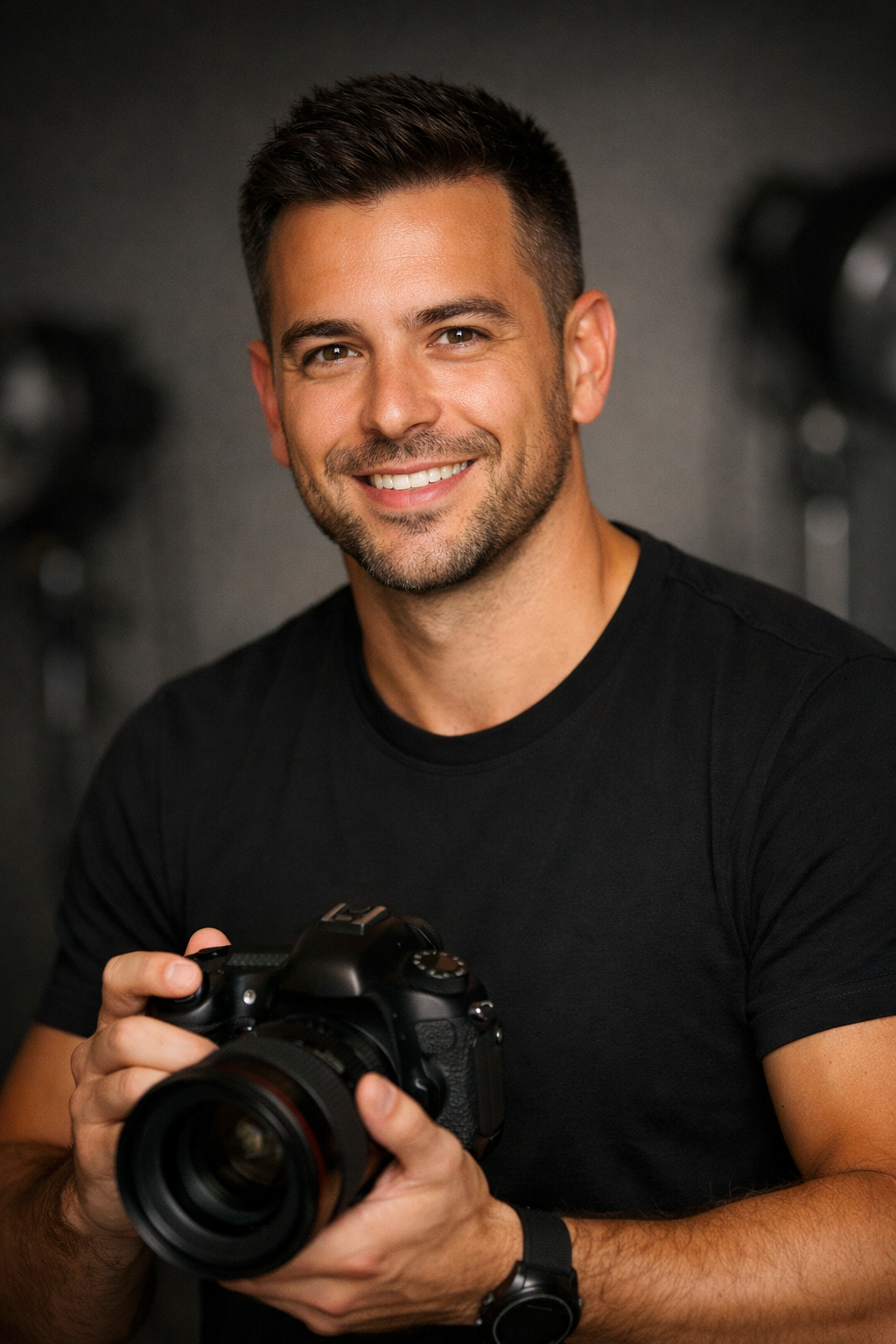
Alt text: A successful professional corporate headshot of an executive smiling confidently in a modern office setting.
Final Thoughts on Elevating Your Image
Your headshot is the foundation of your personal brand. It tells the world that you take yourself: and your career: seriously. By following these professional corporate headshot tips, you’re setting yourself up for more opportunities, better connections, and a stronger professional identity.
Don't let a bad photo hold you back. Whether you’re learning to shoot these yourself or looking to hire the best in the business, the investment in quality is always worth it. For more professional tips on mastering the art of the lens, head over to PhotoGuides.org or take a look at our extensive gallery of work at www.edinfineart.com.
Ready to take your photography skills to the next level? Join the community at Learn Shut Your Aperture and start mastering the light today. Your brand: and your bank account( will thank you.)