Before going further, make sure your aperture fundamentals are locked in: our aperture photography guide walks through it shot by shot.
Street photography is the rawest form of storytelling. There’s no hair and makeup team, no controlled lighting, and definitely no "can you do that one more time?" from the subject. It’s just you, your camera, and the unpredictable rhythm of the world.
If you’ve ever felt that rush of adrenaline when you see a perfect moment unfolding on a sidewalk, a shaft of light hitting a commuter just right, or a kid jumping over a puddle, then you’re already a street photographer at heart. But capturing those moments without looking like a creep or ending up with a blurry mess is where the challenge lies.
In this guide, we’re going to break down everything you need to know to get started, from the gear that won't weigh you down to the mental tricks that help you overcome the fear of shooting strangers.
The Soul of Street Photography
Before we talk about f-stops and focal lengths, let's talk about the why. Street photography is about documenting the human condition. It’s about finding beauty in the mundane and art in the everyday. It’s about being an observer of life.
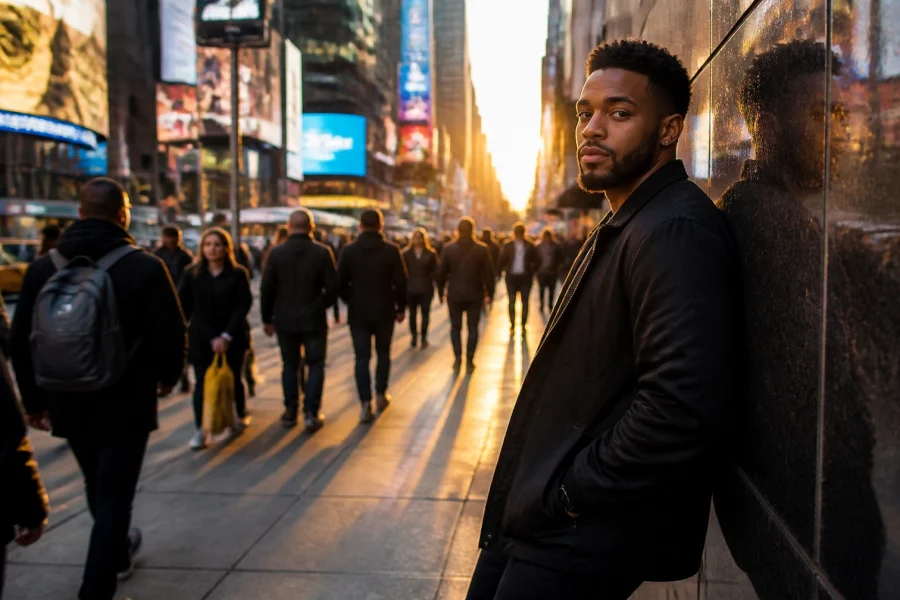
The biggest mistake beginners make is thinking they need to find something "extraordinary" to shoot. You don't. You need to find the ordinary and shoot it in an extraordinary way. Whether you’re in the middle of Times Square or a quiet suburb, there are stories everywhere. You just have to open your eyes and, more importantly, shut your aperture to the distractions.
Gear: Keep It Small, Keep It Simple
When it comes to the street, less is always more. You want to blend in, not look like a paparazzo or a tourist with a massive telephoto lens.
The Case for Small Cameras
A small, discrete camera is your best friend. This is why mirrorless systems have taken over the street scene. They’re quiet, fast, and don’t scream "I’M A PROFESSIONAL PHOTOGRAPHER" to everyone within a three-block radius. If you're looking for the latest tech, check out our ultimate guide to 2026 mirrorless cameras.
Prime vs. Zoom
There is an ongoing debate about whether prime lenses are dead, but on the street, the prime lens is still king. A 35mm or 50mm (full-frame equivalent) is the gold standard.
- 35mm: Gives you a wider view, perfect for environmental portraits where the background matters as much as the subject.
- 50mm: Tightens things up and offers a perspective closer to what the human eye sees.
Why a prime? It forces you to move your feet. Instead of zooming with a dial, you zoom by walking. This keeps you engaged with your environment.
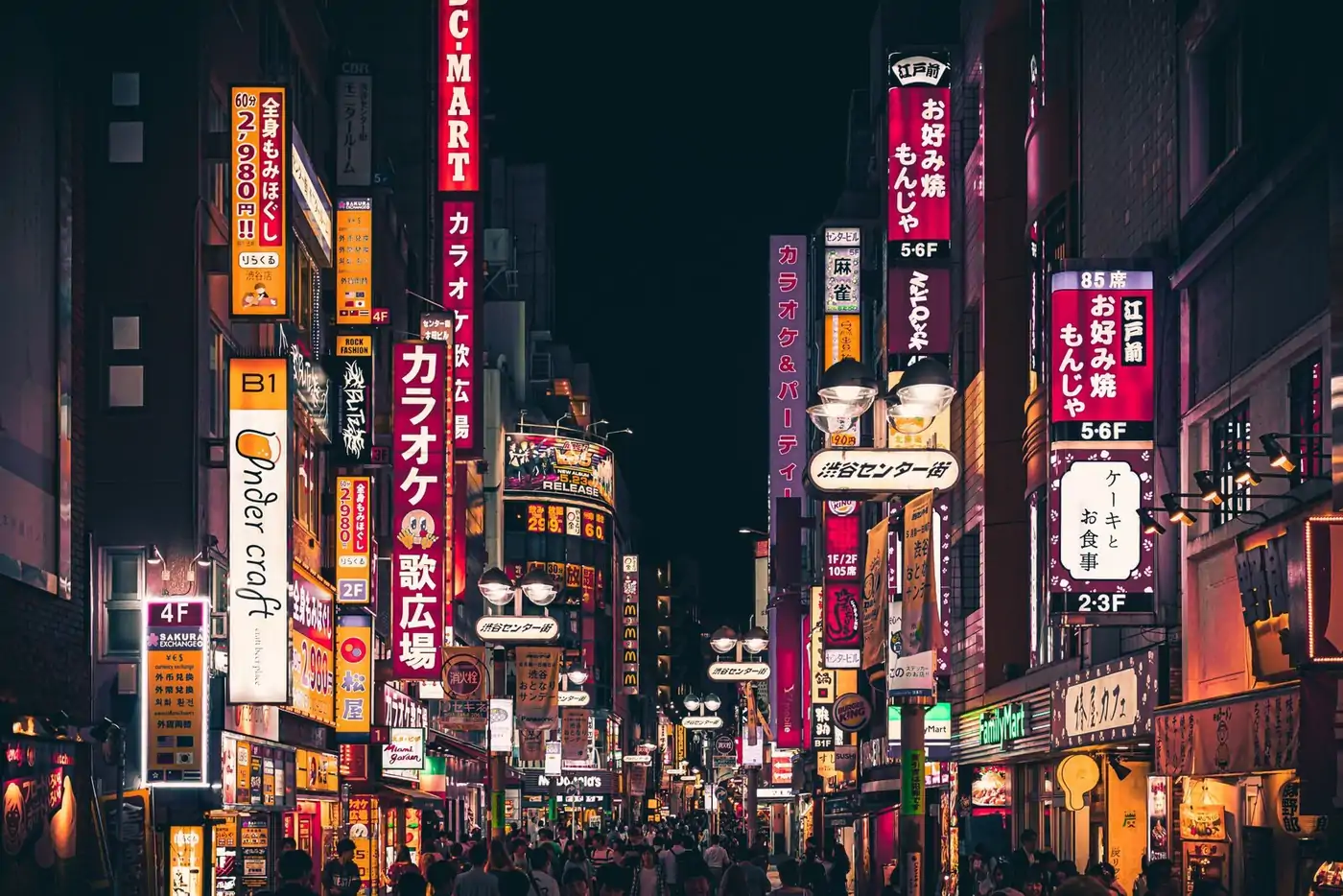
Essential Camera Settings for the Street
The street moves fast. If you’re fumbling with your dials, you’re going to miss the shot. You need to set your camera up so it’s ready to fire the second a moment happens.
1. Shutter Priority or Aperture Priority?
Most street photographers live in Aperture Priority (A or Av). You set your aperture (usually between f/5.6 and f/8 for deep depth of field) and let the camera handle the rest. However, if you're dealing with fast movement, you might want Shutter Priority (S or Tv) to ensure you're at 1/500th of a second or faster.
2. Auto ISO is a Lifesaver
Light changes constantly as you walk in and out of shadows. Set your Auto ISO with a maximum of 3200 or 6400 (depending on your camera's sensor) and a minimum shutter speed. This ensures your photos stay sharp even when you're ducking into a dark alleyway.
3. Zone Focusing
This is an old-school technique that is still incredibly relevant. By switching to manual focus and setting your focus to a specific distance (say, 3 meters), everything from about 2 meters to 5 meters will be in focus if your aperture is narrow enough (f/8 or f/11). This eliminates autofocus lag entirely.
If you're using specific gear like the Z8, we have a deep dive on Nikon Z8 settings for street photography that will get you set up in minutes.
Mastering the "Decisive Moment"
Henri Cartier-Bresson, the godfather of street photography, coined the term "The Decisive Moment." It’s that split second where all the elements in the frame, light, composition, and subject, come together to tell a story.
How do you catch it?
- Anticipation: Don't just react; predict. If you see someone walking toward a patch of light, wait for them to hit the center of it before you click.
- The "Fishing" Technique: Find a great background, a cool doorway, or an interesting shadow. Stand there and wait for the right person to walk into the frame. It's much easier than chasing people down.
- Burst Mode: Don't be afraid to use your camera's high-speed drive. Sometimes the difference between a good shot and a great shot is the position of a foot or the tilt of a head by a fraction of a second.
Composition: Building the Frame
Good street photography isn't just about what’s happening; it’s about how you frame it.
Leading Lines
Use sidewalks, shadows, or even the tops of buildings to lead the viewer’s eye toward your subject. This creates a sense of depth and direction.
Layering
Don't just shoot "flat." Try to get something in the foreground, your subject in the midground, and an interesting environment in the background. This makes the photo feel three-dimensional.
Sub-Framing
Look for windows, doorways, or gaps between people to "frame" your subject within the photo. It draws the eye immediately to where you want the viewer to look.
If you’re looking to sharpen these skills, our online school has full tutorials on compositional theory that go way beyond the basics.
The Mental Game: Overcoming the Fear
The biggest hurdle for every beginner isn't the technical stuff, it's the fear of being noticed. We’ve all been there: you see a great shot, you raise your camera, and then you chicken out because you don't want to deal with a confrontation.
1. The "Tourist" Act
If you're feeling nervous, act like a tourist. Look at the buildings, look at the sky, and "happen" to take a photo of someone in the process. If they look at you, just keep looking past them at the architecture.
2. Smile and Nod
If someone catches you taking their photo, don't look down and walk away like you've committed a crime. Smile, give a little nod of appreciation, and move on. Most people will just smile back or ignore you.
3. Ask for a Street Portrait
If you see someone so interesting that you absolutely have to have their photo, just ask. "Hey, I love your style, do you mind if I take a quick portrait?" It’s not "candid" street photography anymore, but it’s a great way to build confidence. For more on the ethics and news of the industry, keeping up with photography news can give you a better perspective on how professionals handle these interactions.
Ethics and Legality: What You Should Know
Is it legal? In most Western countries (including the US, UK, and Canada), you have the legal right to take photos of anything and anyone in a public space where there is no "reasonable expectation of privacy."
However, legal doesn't always mean ethical.
- Be Respectful: Don't take photos of people in vulnerable situations (the homeless, people in distress, etc.) just for the sake of "art."
- Know the Vibes: If someone clearly doesn't want their photo taken, don't push it. There are a billion other people on the street. Move on.
For a deeper dive into how to stay professional on the streets, check out PhotoGuides.org for some excellent breakdowns on photographer rights.
Post-Processing: Keeping It Real
Street photography generally looks best when it feels authentic. You don't want to over-process your images until they look like CGI.
- Contrast and Shadows: Street photography loves high contrast. Don't be afraid to let your shadows go black to create a "moody" feel.
- Black and White vs. Color: If the color doesn't add anything to the story, get rid of it. Black and white helps the viewer focus on the shapes, emotions, and light.
- Editing Tools: For quick, powerful edits that don't take hours, I’m a big fan of using Luminar. It’s great for pulling out details in the street without making things look fake.
If you're a Fujifilm shooter, you might want to look into specific recipes or Fujifilm X100VI settings that work surprisingly well for street scenes too, giving you that film-like look straight out of the camera.
A Practical Exercise for Your Next Outing
Ready to hit the pavement? Here’s a simple challenge for your next walk:
- The One-Block Challenge: Pick one city block and stay there for an hour. Don't move to the next street. Watch how the light changes and how people interact with that specific space. You'll start to see things you would have missed if you were just walking through.
- Shoot From the Hip: Try taking photos without looking through the viewfinder. It’s a great way to get lower angles and stay discrete. It takes practice to nail the framing, but it’s a fun way to loosen up.
- Find the Light: Forget the subjects for a second. Just look for a beautiful patch of light. Wait for someone to walk through it. That’s your shot.
Staying Ahead of the Curve
The world of photography is always changing. New AI features in cameras, shifting social norms, and evolving gear mean you have to stay sharp. Learning how to integrate industry news into your daily practice is what separates the hobbyists from the masters.
Street photography is a marathon, not a sprint. You’re going to have days where you come home with 500 photos and 0 keepers. That’s normal. Even the greats only got a handful of truly iconic shots in their entire careers.
The key is to keep showing up. Keep your camera in your hand, your eyes on the world, and your mind open to the weird and wonderful things that happen every day.
If you want to take your skills to the next level with structured lessons, head over to the Shut Your Aperture Online School. We’ve got everything from the basics of exposure to advanced street techniques.
Final Thoughts
Street photography is perhaps the most rewarding genre because it forces you to engage with the world. It’s a workout for your eyes and your brain. You’ll start to see patterns in traffic, the way people lean when they’re tired, and the way the sun hits a glass building at 4:00 PM.
For more inspiration and a deeper look into the world of professional photography, don't forget to check out blog.edinchavez.com or browse some incredible street and fine art work at www.edinfineart.com.
Now, grab your camera, get out there, and start capturing those candid moments. The street is waiting.