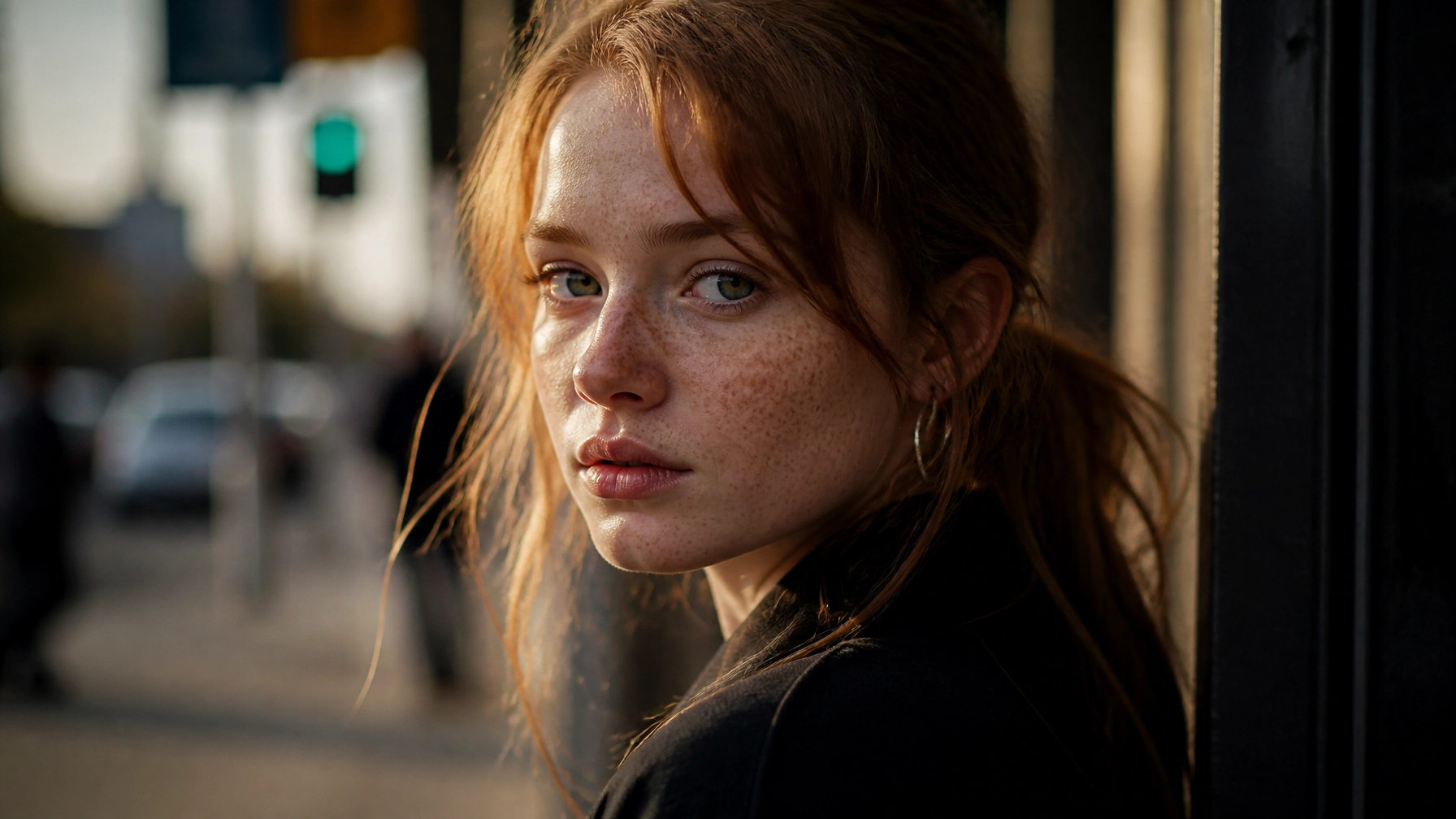
Let’s be real for a second: the world does not need another stiff, "shoulders-squared, say-cheese" headshot. If you’re still shooting portraits like it’s 2010, you’re not just behind the curve, you’re basically invisible. Modern portraiture in 2026 has evolved into something far more visceral, raw, and intentionally imperfect. The "secrets" that top-tier pros use aren't necessarily about having the most expensive strobe or the latest 100-megapixel sensor. It’s about psychology, light manipulation, and a massive shift in how we perceive "perfection."
I’ve been chatting with Sonny, our social media guru, and we both noticed that the portraits getting the most engagement right now aren't the polished, plastic-looking ones. They’re the ones that feel like a stolen moment. In this deep dive, I’m pulling back the curtain on the techniques that separate the hobbyists from the experts who are actually getting paid the big bucks.
The Death of the "Perfect" Pose: The Secret of Un-Posing
The biggest secret in modern portraiture? Stop posing people.
Wait, let me clarify. You still need to direct, but the moment you tell someone to "put your hand here and tilt your head 15 degrees," they freeze. Their eyes go dead. The "secret" experts use is a technique called "directed movement." Instead of a static pose, you give your subject an action.
Ask them to walk toward you, then look back over their shoulder. Tell them to adjust their jacket or fix their hair. The magic happens in the "in-between" moments, the split second before they’ve settled into a pose. This is where you find the authenticity that clients are craving in 2026. This "perfectly imperfect" style is a hallmark of the work you’ll see over at blog.edinchavez.com, where the focus is always on the soul of the subject rather than just the technical execution.
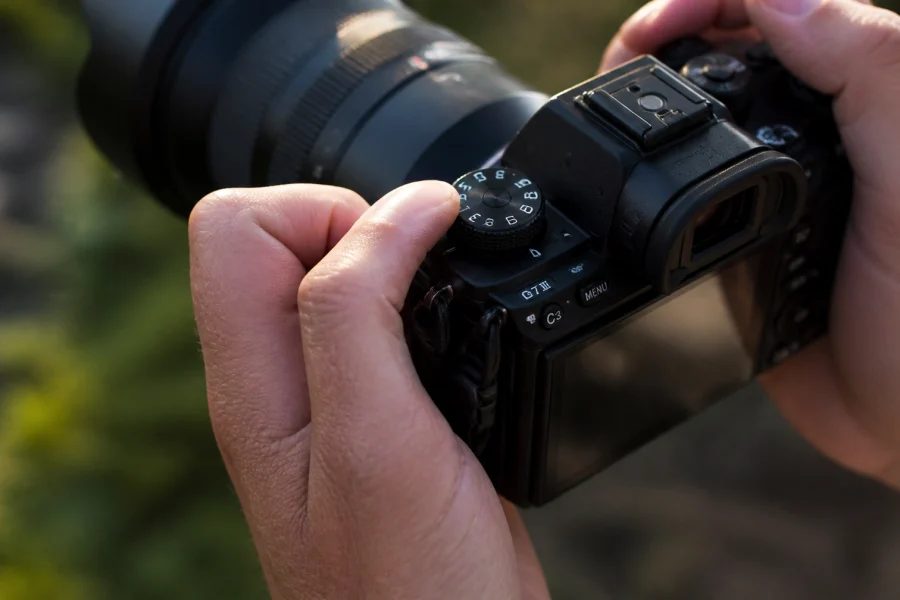
When you capture someone mid-laugh or mid-breath, the image feels alive. It tells a story. This is the difference between a picture and a portrait. If you want to dive deeper into how to handle your camera during these fast-moving moments, check out our guide on how to use manual mode camera so you aren't fighting your settings while the magic is happening.
Lighting Secrets: Beyond the Softbox
We’ve all seen the standard three-point lighting setup. It’s safe. It’s predictable. And in the modern era, it’s often boring.
Experts today are obsessed with "character light." This means using light to define shape and mood rather than just illuminating the face. One of the best ways to do this is by mixing ambient light with a single, highly controlled off-camera flash.

The trick is to underexpose your background by about one or two stops and then use your flash to "pop" the subject back to life. This creates a cinematic, three-dimensional look that makes the subject leap off the screen. For those of you just starting to build your kit, don't feel like you need a $2,000 strobe. You can achieve incredible results with a simple speedlight and a small modifier. It’s all about placement.
Another secret? Don’t be afraid of harsh light. While everyone else is hunting for "soft, even light," modern pros are using direct sunlight to create high-contrast, editorial looks. It requires a bit more finesse to avoid "raccoon eyes," but when done right, it’s breathtaking. You can find more technical breakdowns of light at PhotoGuides.org.
The Lens Reality Check: Why Compression is Overrated
For years, the 85mm lens was the undisputed king of portraits. Don’t get me wrong, it’s a beautiful focal length for that creamy bokeh. But the "secret" move in 2026 is the 35mm lens for environmental portraiture.
Close-up headshots are becoming a commodity. What clients want now is a story. They want to see the person in their element, whether that’s a chaotic artist’s studio or a sleek high-rise office. Using a wider lens forces you to think about the environment as a supporting character.

When you’re choosing gear, don't just follow the crowd. Sometimes the "wrong" lens is exactly what you need to stand out. If you’re looking to upgrade your glass, we have a great breakdown of how to choose the best new camera gear that cuts through the marketing fluff.
The Psychology of the Shoot: Directing the Soul
If you are nervous, your subject will be terrified. The secret to great portraits isn't technical, it's social. You have to be a part-time therapist and a full-time hype man.
I always start a session with a few minutes of just talking, no camera in my hand. I want to find out what makes them tick. When you finally pick up the camera, keep the conversation going. Never let there be silence. Silence is where the subject starts thinking about their "bad side" or their nose or their hair.
Instead of saying "smile," ask them a question that triggers a genuine reaction. "What’s the best meal you’ve ever had?" or "Tell me about the first time you felt like you’d actually 'made it'." The expressions you get from those questions are 100x better than any forced grin. For a more structured approach to learning these soft skills, I highly recommend checking out our courses at https://learn.shutyouraperture.com/.
Editing in the Age of Authenticity
Stop. Smoothing. Skin.
Seriously. In 2026, over-edited skin is the fastest way to mark yourself as an amateur. The modern trend is "invisible retouching." You want to remove temporary blemishes (the zit that appeared this morning) but leave the permanent ones (the freckles, the fine lines, the character).

People want to look like themselves on their best day, not like a CGI character. This is where tools like Luminar come in handy. Their AI-driven tools allow you to enhance features without making them look fake. You can subtly bring out the light in the eyes or enhance the texture of the hair without spending four hours in Photoshop. The goal is for someone to look at the photo and think, "Wow, they look great," not "Wow, great edit."
If you’re interested in seeing how high-end editing is applied to fine art portraiture, take a look at the gallery at www.edinfineart.com for some inspiration on color grading and mood.
Environmental Storytelling: Context is Everything
A portrait is more than just a face; it’s a context. The background shouldn't just be "blurry stuff"; it should tell us something about the person. This is why location scouting is a secret weapon.
Before a shoot, I spend hours on Google Maps and walking the streets looking for textures and light. A rust-covered garage door might be the perfect backdrop for a rugged musician, while a clean, minimalist concrete wall works for a tech founder.
The secret is to balance the background so it supports the subject without distracting from them. Use leading lines: like a hallway or a row of trees: to draw the viewer’s eye directly to the subject’s face. This creates a sense of depth that a flat studio backdrop can never replicate.
Action and Motion: Bringing the Still Image to Life
One of the most exciting trends in modern portraiture is the use of intentional motion blur. It sounds counterintuitive: we’re taught that portraits should be tack-sharp: but adding a little bit of movement can convey energy and personality in a way that a sharp photo can't.

Try using a slightly slower shutter speed while your subject moves. If you keep the camera steady or pan with them, you can get a shot where the face is relatively clear but the surroundings have a beautiful, kinetic blur. It’s a great way to add a "lifestyle" feel to a session.
The Business Secret: From Headshots to Personal Branding
If you want to make a living in portrait photography today, you need to stop selling "headshots" and start selling "personal branding."
A headshot is one photo for a LinkedIn profile. Personal branding is a suite of images that tells the story of a person’s career and life. It includes wide shots, detail shots (like hands working on a laptop), and various outfits in different locations.
Clients are willing to pay significantly more for a "branding session" because they see it as a business investment, not just a photo. By positioning yourself as a brand strategist with a camera, you immediately move into a higher tier of the market. This is the "secret" to building a sustainable business in a saturated market.
Final Thoughts: Finding Your Voice
At the end of the day, all the "secrets" in the world won't help if you don't have a unique perspective. The experts who stay relevant are the ones who aren't afraid to break the rules. They’re the ones who will use a weird lens, shoot at an "incorrect" time of day, or leave a little bit of "mess" in the frame because it feels real.
Modern portraiture is about connection. It’s about that bridge between you, the photographer, and the human being on the other side of your lens. Master the technicals so you can forget them, and then focus on the person. That’s the real secret.
If you’re ready to take your skills to the next level, don't forget to visit https://learn.shutyouraperture.com/ for more in-depth training on everything from lighting to post-processing. And if you're looking for more tips on gear and the latest industry news, keep an eye on our blog. We're constantly updating our guides to keep you at the top of your game.
Now get out there and start shooting. The world is waiting to see who you really are.