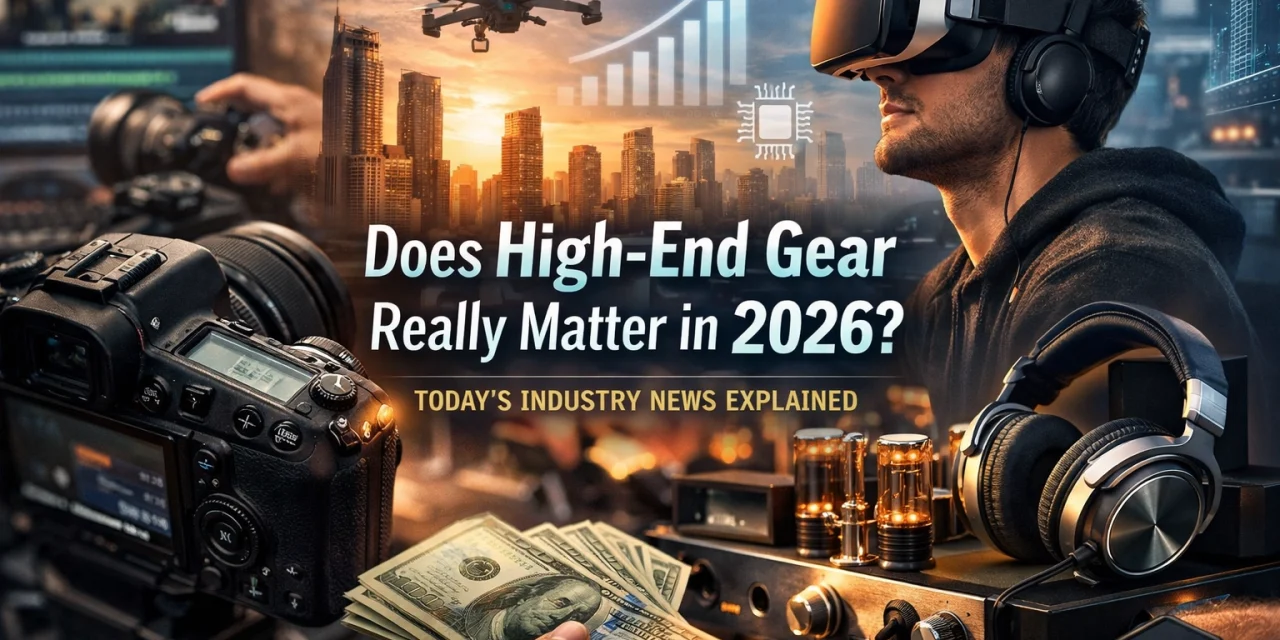
It is Tuesday, March 31, 2026, and the photography world is a weird place. If you told a photographer back in 2020 that their smartphone would eventually produce cleaner 100-megapixel files than their professional DSLR, they probably would have laughed you out of the studio. Yet, here we are.
The question we’re asking today at Shut Your Aperture isn't just "What camera should I buy?" but rather, "Does high-end gear even matter anymore?" With computational photography doing the heavy lifting and AI software like Luminar (check it out here) fixing our mistakes in post-production, the line between professional kits and hobbyist tools has blurred into a bokeh-filled mess.
Let’s dive into today’s industry news and figure out if that $8,000 body sitting in your cart is a tool or just a very expensive paperweight.
The State of Hardware in 2026: Precision and Purpose
According to recent manufacturing data, the "gear wars" have shifted. It's no longer about who has the most megapixels; it's about precision, customization, and smart integration. In the industrial world, CNC machining and additive manufacturing (3D printing) have reached a point where camera components are being built with tolerances we couldn't dream of five years ago.
What does this mean for you? It means "high-end" in 2026 isn't just a status symbol. It refers to gear that can withstand extreme environments. Whether you are trekking through secluded paradises to enhance your photography portfolio or shooting in a literal sandstorm, the specialized coatings and powder metallurgy used in modern high-end gear actually serve a purpose.
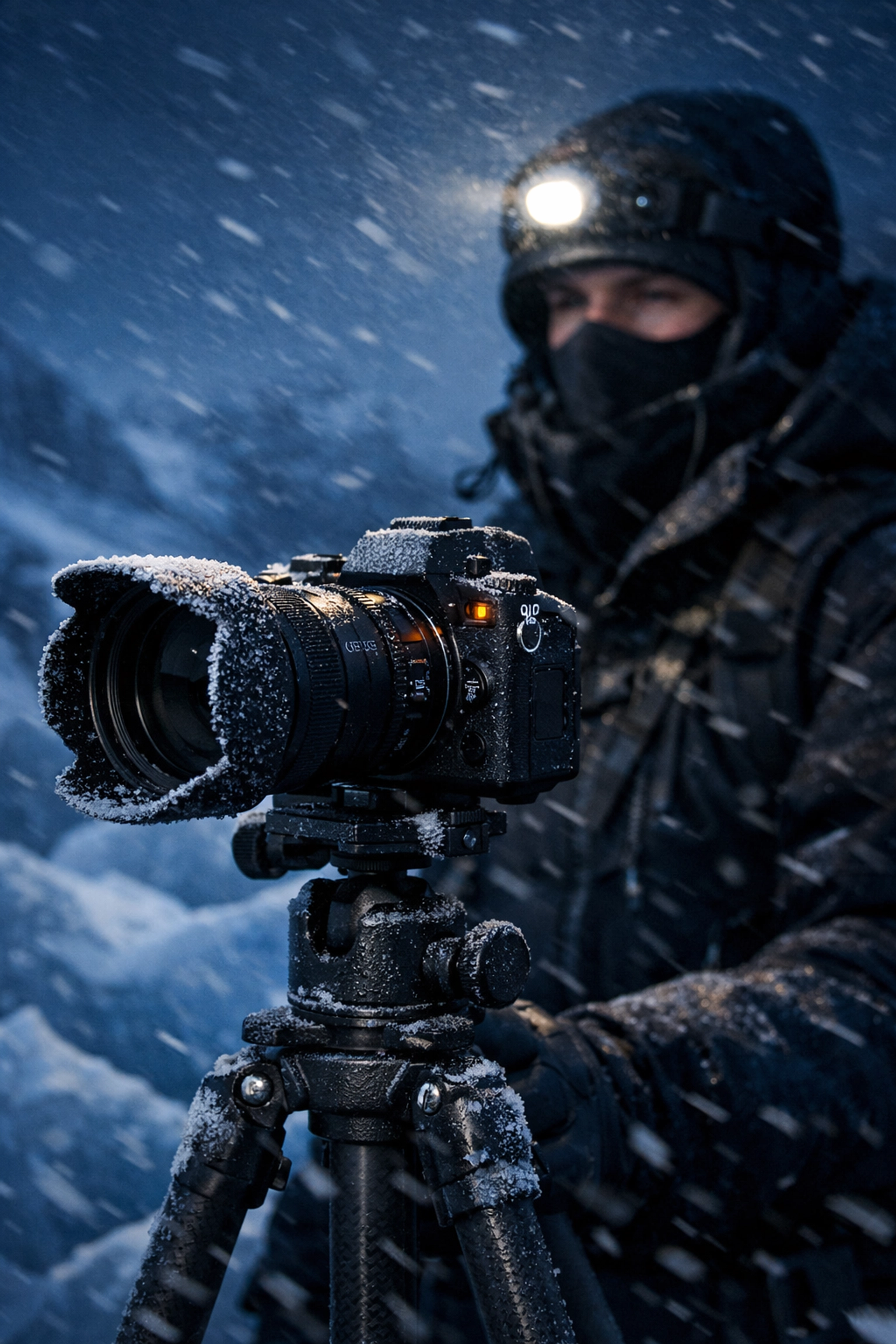
SEO Alt Text: A photographer using a high-end mirrorless camera in a harsh arctic environment with advanced weather sealing.
For the average street photographer, the difference between a mid-range and high-end sensor is nearly invisible to the naked eye. But for the professionals pushing boundaries, the ones working with using rare textures for tangible aesthetic photography, that extra bit of dynamic range and physical durability is the difference between a "good" shot and a "published" shot.
Industry News: Today’s Latest Releases
The headlines this morning are dominated by a few key players. Sony just announced their latest firmware update for the Alpha series, which integrates real-time IoT sensors. These sensors can now communicate with your environment, adjusting exposure based on predicted cloud movement. It sounds like sci-fi, but it’s the reality of 2026.
Over at Canon, the focus remains on optics. Their new line of "smart lenses" includes internal stabilization that syncs with drone flight patterns, perfect for those searching for lesser-known vistas for enigmatic photos.
But the real news isn't just in the cameras. It's in how we process what we capture. The software side of the industry is moving faster than the hardware. If you haven't checked out the latest insights on ProShoot.io, you're missing out on how pros are using these tools to stay ahead of the curve.
Does the Price Tag Still Guarantee Quality?
In 2026, the short answer is: No.
High-end gear only matters when it solves a specific problem. If you’re shooting top spots for majestic sunset photography, a high-end tripod and a solid ND filter probably matter more than having the latest 16K video resolution.
We’re seeing a trend where "quality" is defined by purpose-driven design. For example, if you’re a travel photographer looking for hidden gem locations for travel photography, portability and battery life are your "high-end" features. You don't need a cinema rig to capture the soul of a city. You need a camera that stays out of your way.
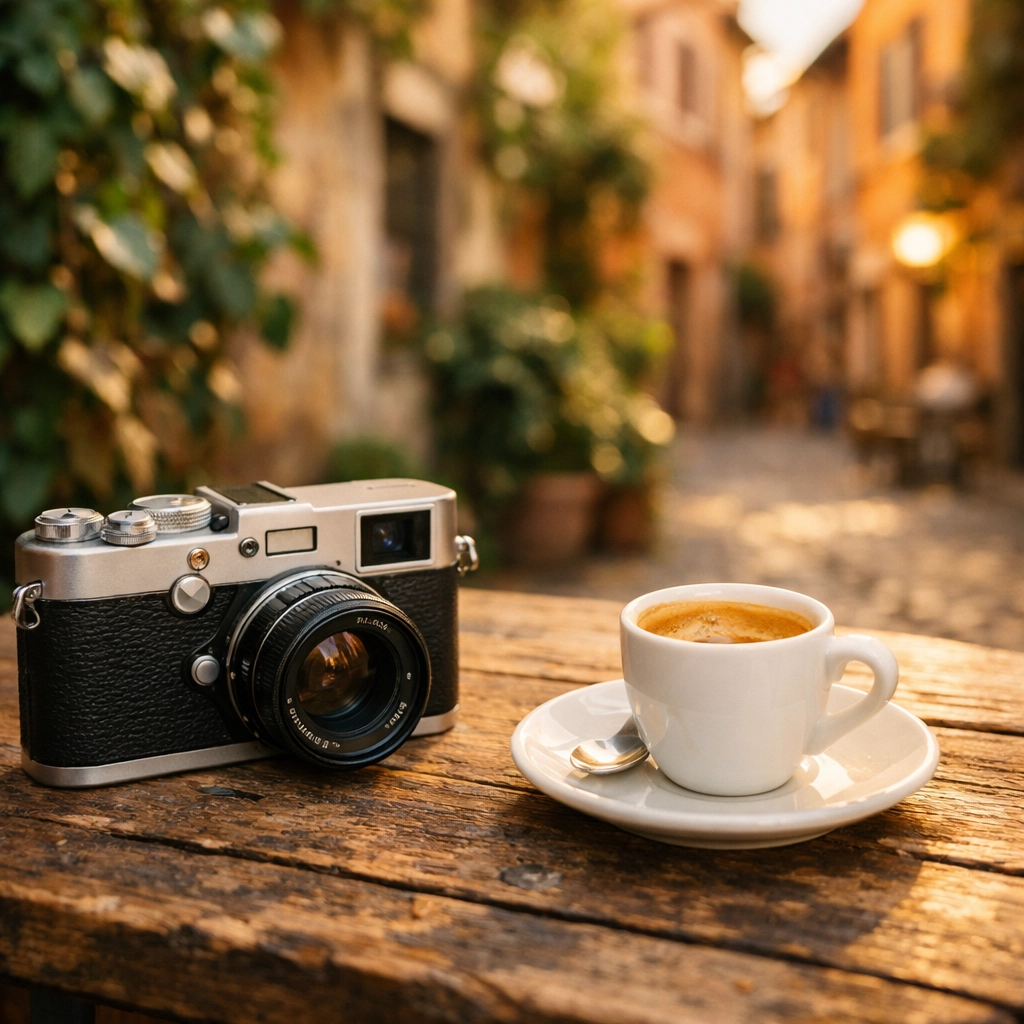
SEO Alt Text: A minimalist travel photography setup featuring a compact mirrorless camera and a small leather bag in a European alleyway.
The Software Revolution: Post-Processing is the New Sensor
Let’s be honest. Most of the "magic" we see in modern photography happens after the shutter clicks. AI-driven editing has leveled the playing field. When you use a tool like Luminar (get it here), you can recover shadows, swap skies, and enhance details that used to require a $50,000 Medium Format setup.
This is why many industry experts are suggesting that your "gear" budget should be split 50/50 between hardware and software education. Understanding how to master light and water for perfect shots is a skill, but knowing how to enhance that light digitally is what makes it professional.
Water Photography: A Case Study in Gear Necessity
Water photography is one area where high-end gear: specifically specialized housing and glass: still reigns supreme. If you’ve read our essential water photography gear guide for photographers, you know that cheap waterproof bags are a recipe for a very expensive paperweight.
Whether you're capturing beauty in motion or mastering water photography in any environment, the gear needs to be reliable. High-end housings for 2026 are now lighter and include integrated touch-screens that actually work underwater.
If you're aiming for those picturesque coastal escapes for discerning travelers, you don't necessarily need a 100MP camera, but you absolutely need the best camera settings for stunning water landscapes and gear that won't fail when a wave hits it.
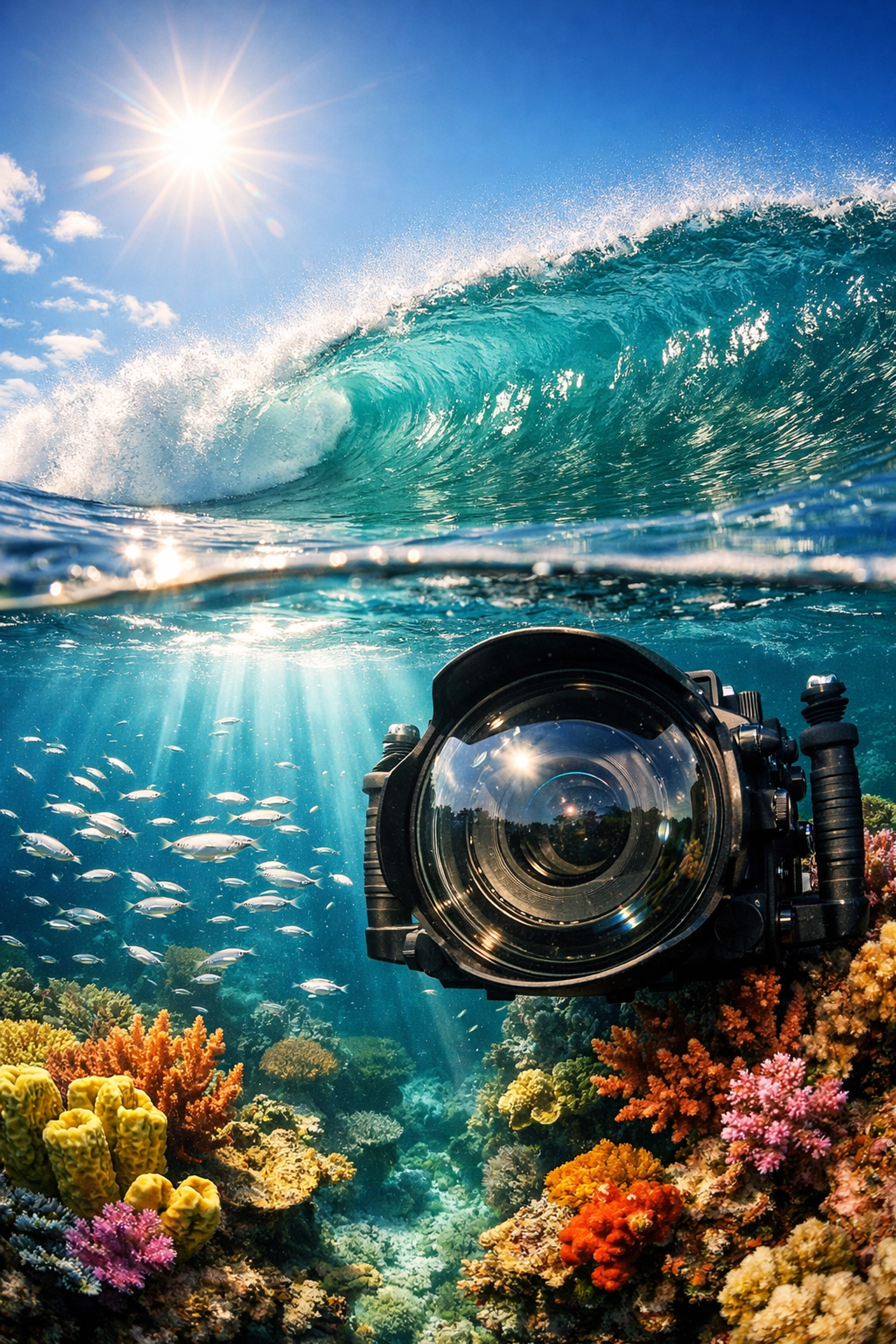
SEO Alt Text: A professional underwater camera housing capturing a split-shot of a tropical wave and coral reef.
The "Smart" Factory: How Cameras Are Made Now
A fascinating bit of news from the manufacturing sector: 2026 has seen the widespread adoption of "smart" factories for camera production. By using IoT sensors and real-time process optimization, manufacturers have reduced the defect rate of high-end lenses to nearly zero.
This has led to a rise in "custom gear." Professionals can now order lenses with specific character: mimicking vintage glass but with modern sharpness. This level of customization is where high-end gear truly shines. It allows a photographer to develop a unique style that can't be easily replicated by a smartphone filter.
If you’re interested in finding unique places to test out this kind of gear, check out our guide on finding hidden gems for stunning travel photography.
Why Experience Trumps Equipment (Still)
We talk about gear a lot, but let’s not forget that the person behind the lens is the most important component. You could have the most expensive setup in the world, but if you don't know the best time for USA road trips, you're going to miss the best light.
SEO Alt Text: A photographer standing on a cliff at sunrise overlooking a desert valley, holding a professional camera on a tripod.
In 2026, the "industry trend" is moving toward authenticity. People are tired of over-processed, AI-generated images that have no soul. They want ethereal landscapes for captivating shots that feel real. They want to see techniques for stunning water photography that show motion and emotion.
High-end gear is simply a tool to help you achieve that authenticity more efficiently. It shouldn't be the reason you take the photo; it should be the way you take the photo.
Top Gear Trends for the Rest of 2026
As we move through the year, keep an eye on these specific trends:
- Sustainable Manufacturing: More companies are using recycled composite materials for camera bodies. It’s better for the planet and makes the gear incredibly light.
- Global Shutters as Standard: Rolling shutter distortion is finally a thing of the past in mid-range cameras, making high-speed sports photography accessible to everyone.
- Long Exposure Innovation: New built-in digital ND filters are making it easier to master long exposure techniques in water photography without carrying a bag full of glass filters.
- Urban Integration: Cameras are getting better at unlocking secrets to enchanting urban photography with improved low-light performance that mimics the human eye.
- Hybrid Workflows: The gap between video and stills has officially closed. Every "high-end" camera released this year is a cinema camera first and a stills camera second.
Final Thoughts: Should You Upgrade?
The 2026 industry news suggests that if your current gear is less than three years old, you probably don't need an upgrade unless you are hitting a very specific technical wall. However, if you are looking to specialize: say, in water photography creative approaches from lakes to oceans: then the latest high-end releases offer features that will genuinely make your life easier.
Don't forget to leverage software like Luminar (affiliate link here) to get the most out of the gear you already own. Sometimes, a new plugin is more transformative than a new lens.
For more deep dives into the technical side of the industry, head over to ProShoot.io. And if you're just looking for inspiration on where to take your camera next, check out our list of top spots for stunning nature imagery.
Stay creative, keep shooting, and remember: the best camera is the one you know how to use( even in 2026.)