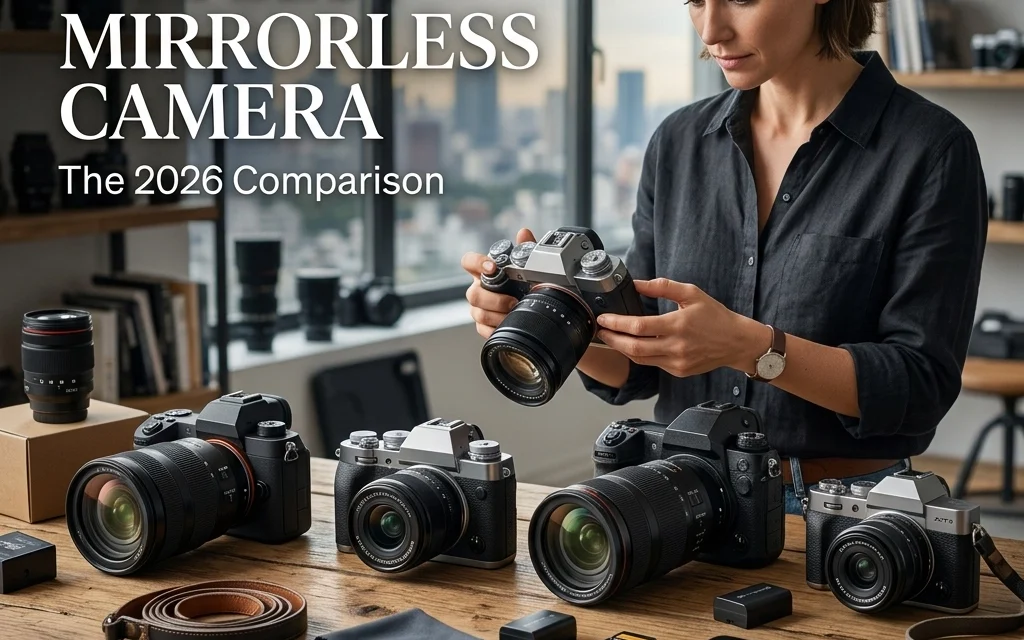
Choosing a camera in 2026 feels a little bit like buying a computer. Things move fast. If you’ve been scrolling through camera gear reviews lately, you know that mirrorless technology has officially peaked. The days of heavy DSLRs are long gone, and we are now in the era of AI-driven autofocus, incredible low-light performance, and video features that used to cost fifty grand.
Whether you are just getting started with photography for beginners or you’re a seasoned pro looking to upgrade your kit, picking the right body is a big decision. At Shut Your Aperture, we want to keep things simple. You don't need a PhD in optical physics to get a great shot; you just need the right tool for the job.
In this guide, we’re breaking down the best mirrorless cameras of 2026 to help you figure out where to put your hard-earned cash.
Why Mirrorless is Still King in 2026
By now, the "mirrorless vs. DSLR" debate is a fossil. Mirrorless cameras won because they are lighter, faster, and smarter. In 2026, the big story is AI integration. We aren't just talking about basic face detection anymore. Modern cameras can now predict where a subject is moving before they even move.
If you’re looking for photography tutorials to improve your skills, you'll find that mirrorless systems make the learning curve much gentler. You see exactly what your exposure looks like in the viewfinder before you even click the shutter. That "What You See Is What You Get" (WYSIWYG) workflow is a game-changer for anyone learning how to use manual mode camera settings.
Define Your Photography Style
Before you drop three months' rent on a Sony a1 II, you need to ask yourself: what am I actually shooting? A camera that is perfect for street photography ideas might be a nightmare for a professional sports photographer.
Landscape Photography Tips and Gear
If you live for the golden hour, you need resolution and dynamic range. In 2026, the Sony A7R V and the newer high-res iterations are still the gold standards here. With over 60 megapixels, you can crop into your images and still have enough detail to print a billboard.
When shooting landscapes, you want a sensor that can handle the bright sky and the dark shadows of a canyon. For some inspiration on what professional landscape work looks like, check out Edin Fine Art.
Quick Tips for Landscapes:
- Use a tripod (always).
- Shoot at the lowest ISO possible.
- Look for cameras with "Pixel Shift" modes for ultra-high resolution.
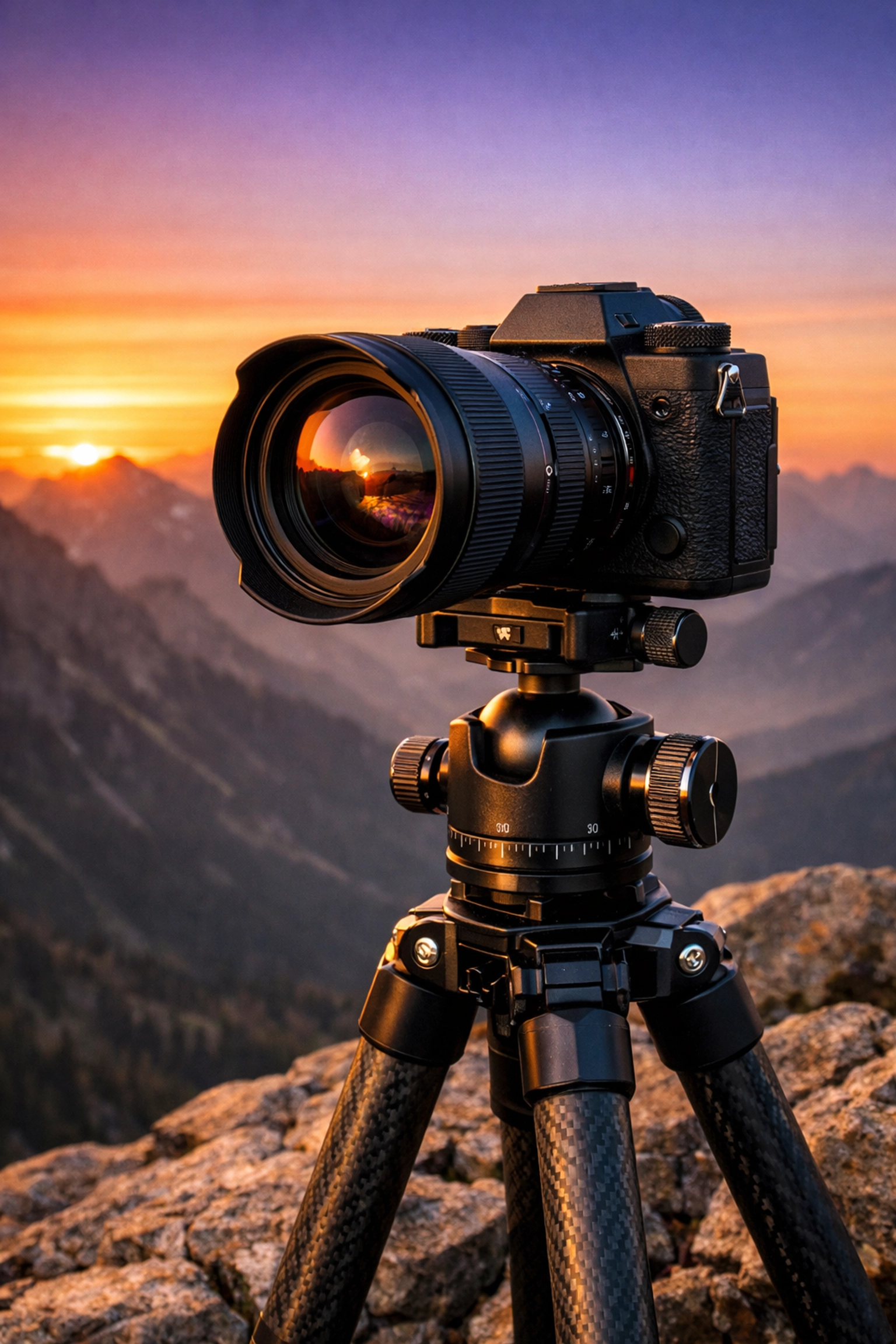
Alt text: A professional mirrorless camera mounted on a tripod overlooking a vast mountain range during a vibrant sunset, illustrating landscape photography tips.
Portrait Photography Techniques
For portraits, it’s all about the eyes. The latest AI-powered autofocus systems in the Canon EOS R5 II are legendary. They can lock onto a subject’s eye through glasses, eyelashes, or even in near-total darkness.
If you are trying to fix mistakes you’re making with professional corporate headshots, having a camera that never misses focus is half the battle. Pair a body like the R5 II with an 85mm f/1.2 lens, and you’ll get that buttery bokeh that clients go crazy for.
Street Photography Ideas
Street photography is about being a ninja. You want something small, fast, and quiet. The Fujifilm X-T5 or the newer Nikon Z50 II are perfect for this. They don't look intimidating, which helps you blend into the crowd while hunting for those candid moments.
The 2026 Comparison: Top Picks by Category
The market is crowded, so let's narrow it down. Based on recent photography news and our own hands-on testing, here are the top contenders for 2026.
1. The Best All-Rounder: Canon EOS R6 Mark II
Even a couple of years after its peak, the R6 Mark II remains the best value for serious enthusiasts. It shoots 40 frames per second (FPS), has incredible autofocus, and doesn't overheat during video. It’s the "Goldilocks" of cameras: just right for almost everything.
2. The High-Resolution Beast: Sony A7R V
If you need every single pixel, this is your camera. It features a dedicated AI processing unit that helps it recognize humans, animals, birds, insects, cars, trains, and airplanes. For more info on professional shoots using this kind of tech, visit ProShoot.io.
3. The Professional Workhorse: Nikon Z9
This camera has no mechanical shutter. It’s entirely electronic, which means it’s silent and can shoot at speeds that seem impossible. It’s heavy, but it’s built like a tank. It’s a favorite for wildlife photographers who need to shoot thousands of frames without a buffer lag.
4. The Budget Entry: Nikon Z50 II
At around $1,000, this is the king of photography for beginners. It’s Nikon’s best APS-C offering yet. It gives you a taste of the professional Z-series features without the professional price tag.
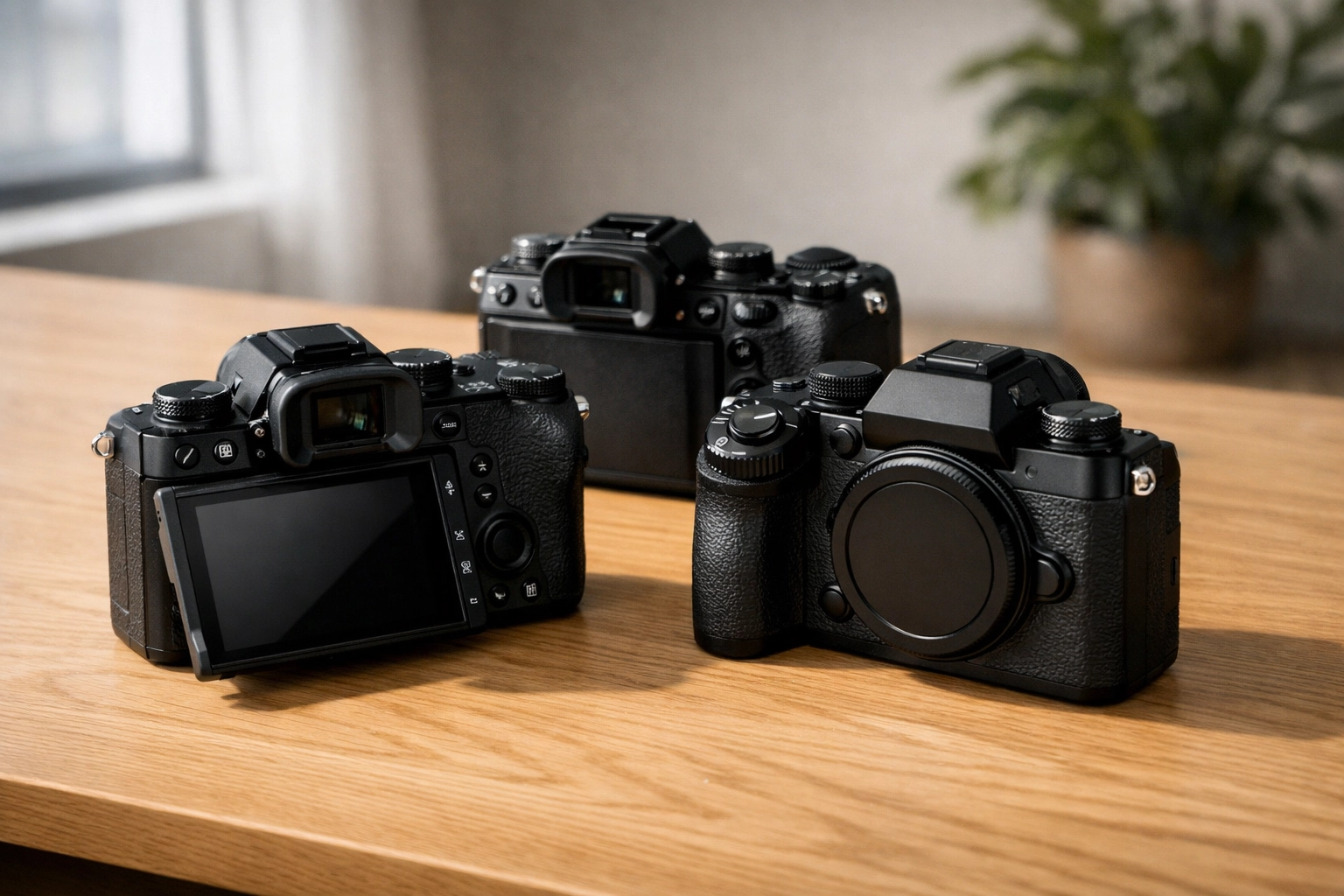
Alt text: A comparison of three different mirrorless camera bodies from Sony, Canon, and Nikon on a clean wooden desk, representing camera gear reviews.
Sensor Size: Does It Actually Matter?
One of the first questions people ask in photography tutorials is whether they should get a Full-Frame or an APS-C (Crop Sensor) camera.
- Full-Frame: These sensors are larger. They are better in low light and give you a shallower depth of field (more blur). They are also more expensive.
- APS-C: These are smaller and more affordable. Because the sensor is smaller, your lenses have more "reach." This is actually a huge benefit for wildlife photography.
In 2026, the gap is closing. Modern APS-C sensors, like the one in the Fujifilm X-H2, are so good that most people can't tell the difference in a blind test. Unless you’re shooting in very dark environments regularly, don't be afraid to save some money and go with a crop sensor.
Mastering Your New Gear
Buying the camera is just the first step. You actually have to know how to use it. Many beginners stay in "Auto" mode forever, but if you want to unlock the true power of these machines, you need to learn how to use manual mode camera settings.
Manual mode gives you control over:
- Aperture: Controls how much light comes in and your depth of field.
- Shutter Speed: Controls how motion is captured (blurry or frozen).
- ISO: Controls the sensor's sensitivity to light.
Understanding the "Exposure Triangle" is the foundation of all great images. If you’re struggling with this, looking up photo editing tutorials can actually help you understand exposure better, as you see how these settings affect your "RAW" files in post-processing.
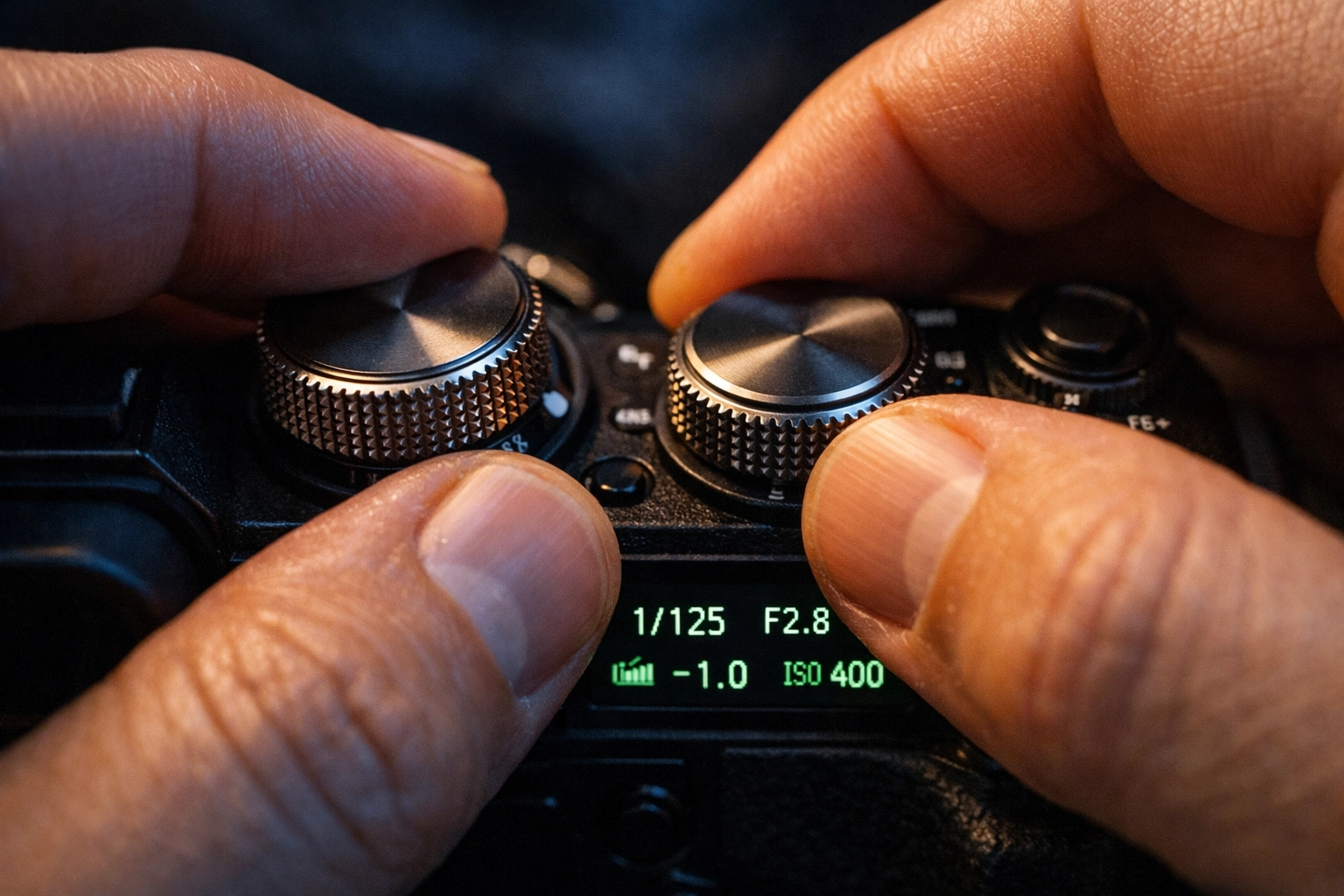
Alt text: An overhead shot of a photographer's hands adjusting the dials on a mirrorless camera, focusing on how to use manual mode camera settings.
The Importance of Post-Processing
No matter how good the camera is, the "out of camera" JPEGs rarely do justice to what you saw with your eyes. Post-processing is where the magic happens.
In 2026, AI isn't just in your camera; it’s in your editing software too. I highly recommend using Luminar for your editing. It uses AI to automate the boring stuff: like masking and sky replacement: so you can focus on the creative side. Whether you are doing portrait photography techniques or landscape work, Luminar makes the process fast and intuitive.
Don't Forget the Lenses
Here is a secret: the lens is usually more important than the camera body. If you have a $5,000 camera and a $200 lens, your photos will look like they were taken on a $200 camera.
If you are on a budget, buy a slightly cheaper body and spend the extra cash on a "Prime" lens (a lens that doesn't zoom). A 35mm or 50mm prime will almost always be sharper and perform better in low light than the "kit lens" that comes in the box.
Video Features to Look For
Since we are in 2026, every mirrorless camera is also a high-end video camera. If you plan on vlogging or making short films, look for these specs:
- 10-bit Internal Recording: This gives you much more flexibility when color grading your footage.
- In-Body Image Stabilization (IBIS): This helps keep your handheld footage from looking shaky.
- Log Profiles: This records a "flat" image that preserves the most detail for editing later.
The Panasonic Lumix S1IIE is currently a favorite for hybrid shooters who do 50% photo and 50% video. It has some of the best stabilization in the industry.
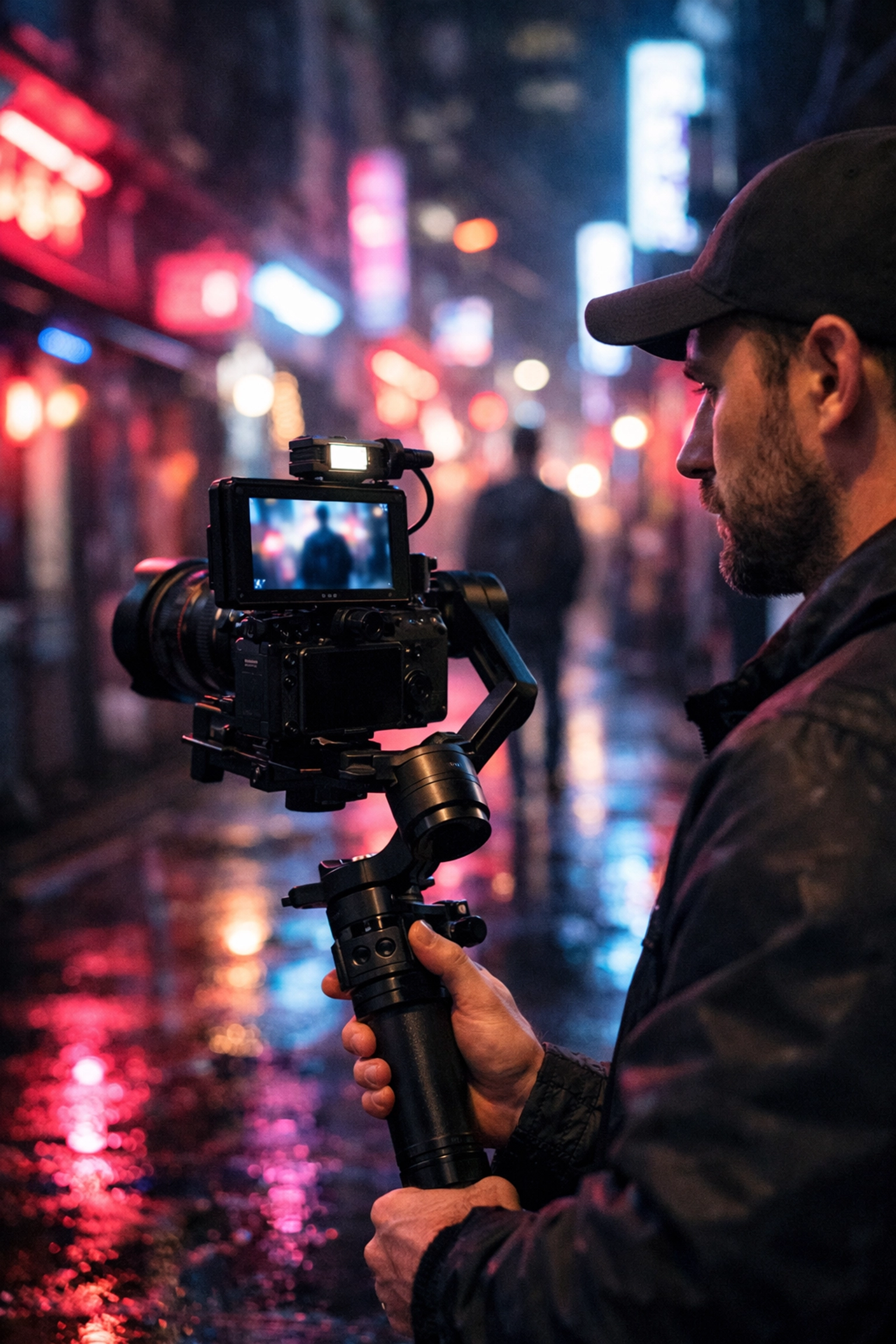
Alt text: A videographer using a mirrorless camera on a gimbal to film a cinematic scene in an urban environment, highlighting video features.
Final Thoughts on Buying in 2026
The best mirrorless camera is the one that you actually want to carry with you. There is no point in owning a Nikon Z9 if it’s too heavy to take on your hike. Similarly, a tiny Sony A6700 might feel too small if you have large hands and want to use big professional lenses.
Before you buy:
- Go to a store and hold it. Ergonomics matter.
- Check the lens ecosystem. Are the lenses you want affordable and available?
- Think about the "extras." You’ll need extra batteries, fast memory cards (CFexpress is the standard now), and a good bag.
Photography is a journey. Whether you are just starting with photography for beginners or you're keeping up with the latest photography news, the goal is the same: tell a story. Don't get so caught up in the specs that you forget to go out and shoot.
If you need more help deciding, we have tons of camera gear reviews and guides right here on Shut Your Aperture. Keep shooting, keep experimenting, and most importantly, keep having fun with it.