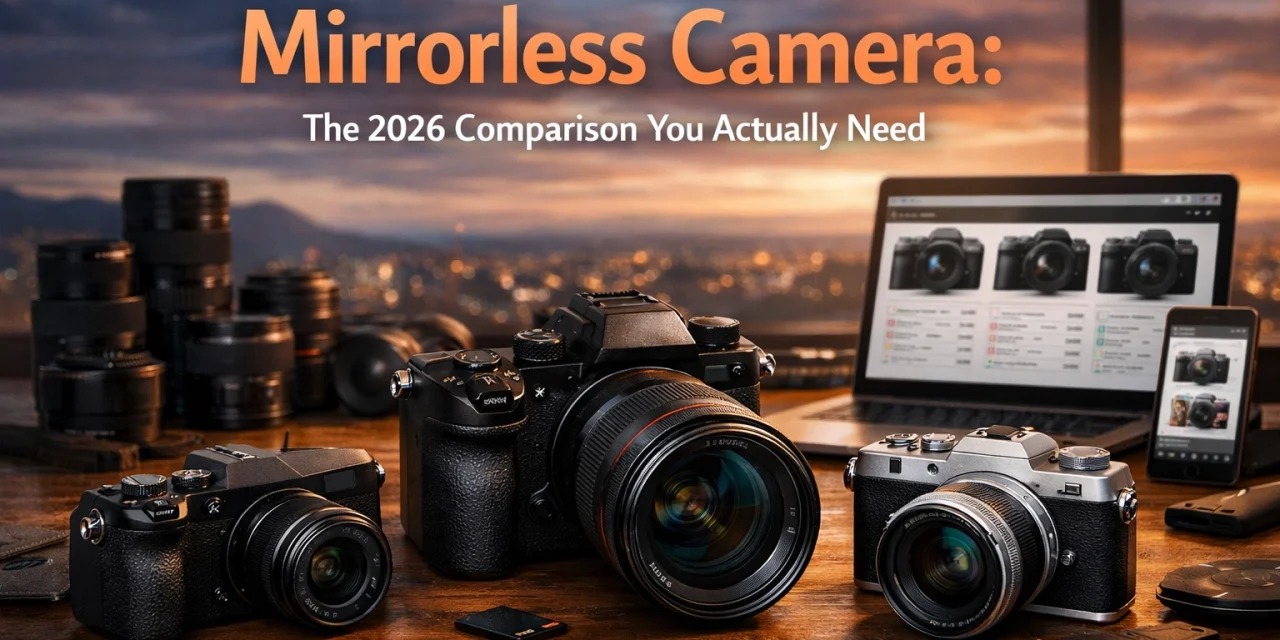
Look, I get it. Shopping for a camera in 2026 feels a little bit like trying to order a coffee in a foreign country where you only know three words. Everything is "AI-powered," "stacked," "global," and "8K," and honestly, it’s a lot to process. The tech moves so fast that the "cutting edge" camera you bought two years ago might already feel like a vintage relic.
At Shut Your Aperture, we believe photography should be fun, not a math homework assignment. Whether you’re trying to capture a sunset that doesn't look like a blurry orange blob or you’re looking to start a professional career, picking the right gear is the first step.
The good news? There has never been a better time to be a photographer. The bad news? You have way too many choices. Let’s break down how to choose the best mirrorless camera in 2026 without losing your mind.
The State of Mirrorless in 2026
If you’re still holding onto a DSLR, I salute your loyalty, but it’s time to move on. DSLRs are officially the vinyl records of the photography world: cool, tactile, but mostly for enthusiasts who like the "old way" of doing things. Mirrorless is the standard now.
In 2026, the biggest leap hasn't been in megapixels (we have plenty of those) but in artificial intelligence. Modern cameras don't just "focus": they recognize subjects. Whether it's a bird, a car, or your neighbor’s cat, these cameras lock on and don't let go. If you want to dive deeper into the basics before we get into the gear, check out these 10 essential tips for mastering photography.
Budget: The Elephant in the Room
Before you start looking at specs, look at your bank account. In 2026, mirrorless cameras generally fall into three price tiers:
- Entry-Level ($800 – $1,300): Great for hobbyists and travelers. You get amazing image quality but might miss out on high-speed sports features.
- Mid-Range Enthusiast ($1,800 – $3,000): The sweet spot. This is where you find cameras like the Sony A7 IV or the Nikon Z6 III. These can handle almost anything.
- Professional Workhorses ($4,000+): These are the beasts. Think Nikon Z9 or Canon R5 II. They are built for people whose paychecks depend on getting the shot, no matter what.
Sensor Size: Full-Frame vs. APS-C
This is the age-old debate that still rages on in 2026.
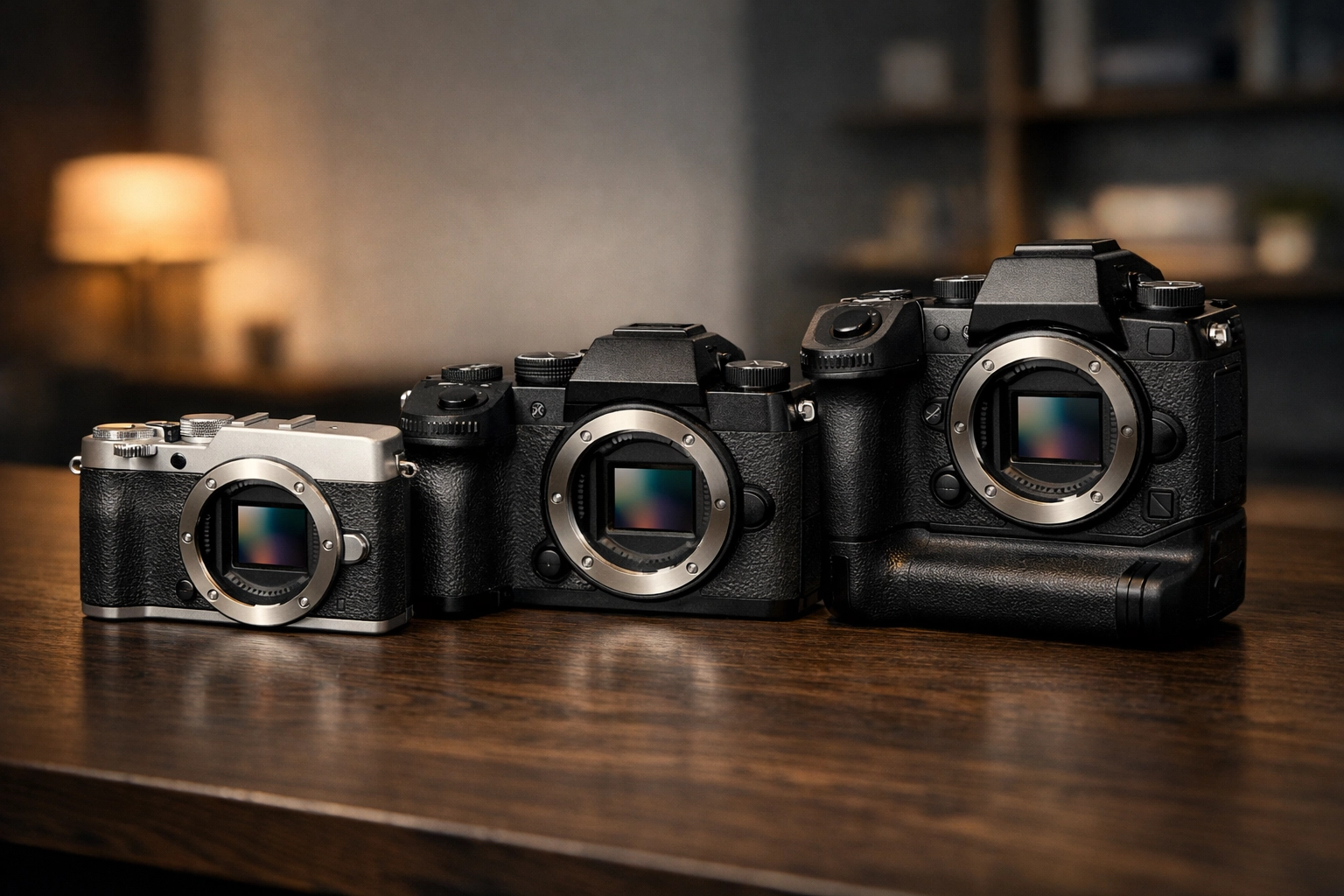
Full-Frame is the gold standard. It’s better in low light, offers more "bokeh" (that blurry background everyone loves), and generally has better dynamic range. If you’re into professional portraits or high-end real estate work, full-frame is the way to go. You can see how sensor quality affects professional results in our guide on real estate photography elements.
APS-C (Crop Sensor) cameras are smaller, lighter, and cheaper. In 2026, the gap in quality has narrowed significantly. For most people, an APS-C camera like the Fujifilm X-T series is more than enough. Plus, the lenses are smaller, which your neck will thank you for after a long day of shooting.
The Major Players: Who is Winning in 2026?
Sony: The Tech King
Sony continues to lead the pack when it comes to autofocus technology. Their "Real-time Tracking" is basically magic. If you want a camera that does everything well, the Sony A7 series is hard to beat. If you are doing professional work, the Sony A7R V with its 61-megapixel sensor is a landscape photographer's dream. For more technical insights, you might want to visit proshoot.io to see how professionals are rigging these bodies.
Nikon: The Ergonomic Master
Nikon had a slow start in mirrorless, but they’ve caught up and, in many ways, overtaken the competition. The Nikon Z9 and Z8 are widely considered some of the best all-around cameras ever made. Nikon’s colors are legendary, and their lenses (the Z-mount) are technically superior to almost anything else on the market.
Canon: The User-Friendly Choice
Canon makes cameras that just feel "right" in your hand. Their menu systems are intuitive, and their RF lenses are some of the most innovative in the industry. The Canon EOS R5 II is a favorite for hybrid shooters: people who need top-tier photos and professional 8K video in one body.
Fujifilm: The Soulful Choice
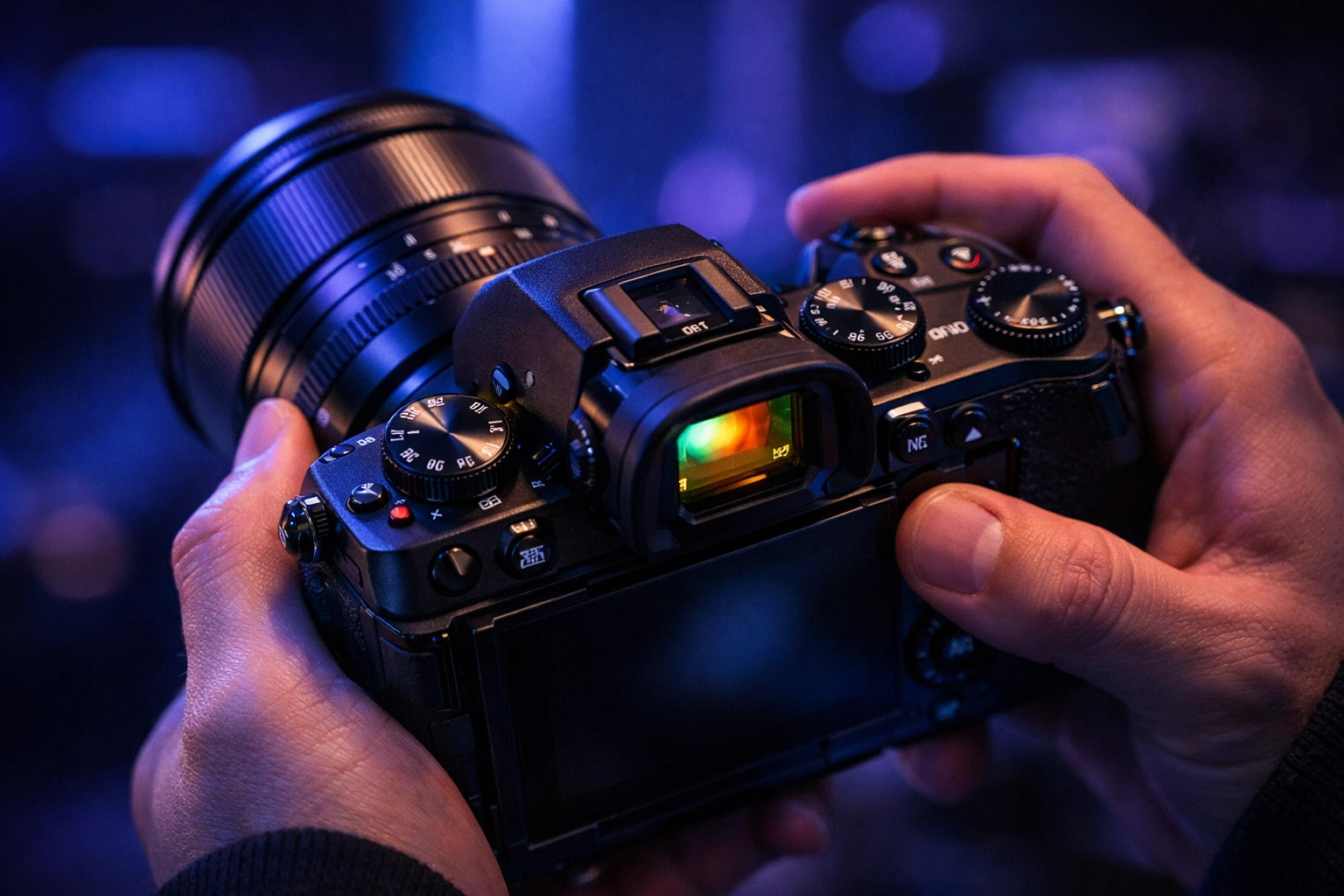
Fujifilm doesn't really do "boring." Their cameras look like vintage film bodies and have physical dials for everything. If you hate digging through digital menus and want a camera that inspires you to go out and shoot, Fuji is the answer. Their film simulations are second to none.
Choosing Based on Your Style
Not all cameras are created equal. You wouldn't buy a Ferrari to go off-roading, and you shouldn't buy a studio camera to shoot the Olympics.
The Landscape Photographer
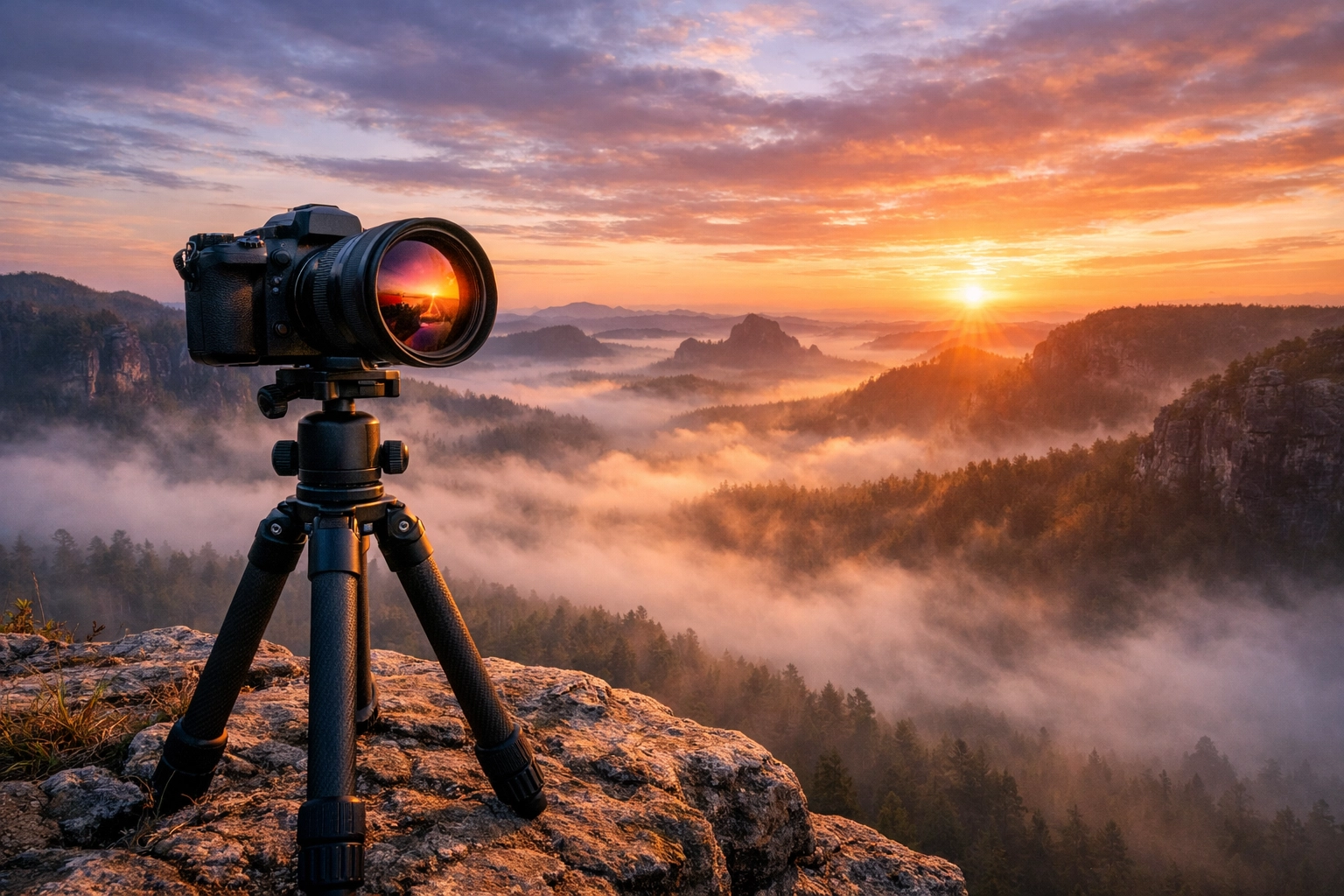
For landscapes, you want resolution and dynamic range. You need a sensor that can capture the tiny details in a rock formation and the subtle colors of a sunset. This is where full-frame shines.
I’ve always been inspired by the legends. If you want to see how the pros handle composition and light, read about the techniques behind Peter Lik’s landscape photography. To avoid common pitfalls in this genre, make sure you aren't making these 7 landscape photography mistakes.
The Wildlife and Sports Enthusiast
Speed is everything here. You need a high frame rate (frames per second) and a buffer that doesn't quit. In 2026, "Stacked Sensors" are the buzzword you’re looking for. They allow the camera to read data fast enough to shoot 30 or even 120 frames per second without the screen blacking out. The Nikon Z9 and Sony A1 II are the kings of this castle.
The Travel and Street Photographer
Size matters. When you’re walking 10 miles through the streets of Tokyo or hiking in the Swiss Alps, you don't want a 5-pound brick hanging off your shoulder. Look for compact bodies like the Sony A7C series or the Fujifilm X-S20. Pair them with a "pancake" lens, and you’ve got a setup that fits in a jacket pocket.
The Content Creator (Video & Hybrid)
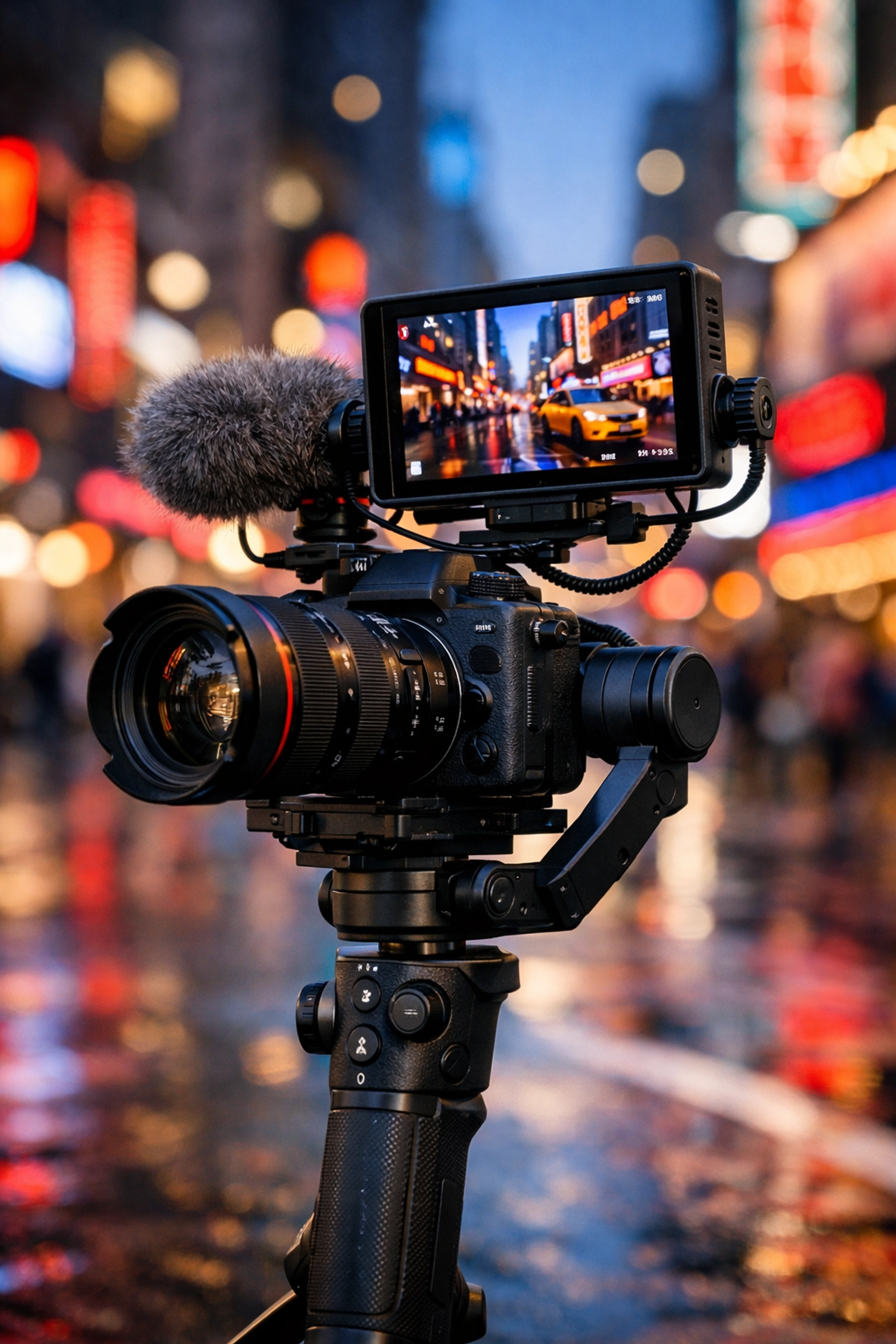
If you spend as much time on YouTube or TikTok as you do behind a viewfinder, you need a hybrid camera. Look for features like:
- 10-bit internal recording: For better color grading.
- In-Body Image Stabilization (IBIS): To keep your handheld shots smooth.
- Articulating screen: So you can see yourself while filming.
Many real estate photographers are now using these cinematic techniques to transform property showcases, proving that video is no longer optional.
The "Glass" Factor: Lenses are the Real Investment
Here is a secret the camera companies don't want you to know: the lens is usually more important than the camera body.
A $5,000 camera body with a $200 lens will take mediocre photos. A $1,000 camera body with a $2,000 lens will take breathtaking photos. When you choose a camera system (Sony E-mount, Nikon Z-mount, Canon RF-mount), you are really choosing a lens ecosystem.
Before you buy, check out PhotoGuides.org for detailed reviews on which lenses are actually worth your hard-earned cash. If you’re looking for high-end art inspiration to see what great lenses can do, check out edinfineart.com.
Post-Processing: Making Your Shots Pop
In 2026, the photo you take in-camera is only half the story. The "RAW" files coming out of these modern mirrorless cameras hold a ridiculous amount of data. To truly unlock that potential, you need the right software.
While Lightroom is the old standby, many modern photographers are moving toward AI-integrated tools. If you want to speed up your workflow and get professional results without spending five hours at your desk, I highly recommend checking out Luminar. Its AI-driven tools for sky replacement and portrait retouching are lightyears ahead of the competition and fit perfectly into the 2026 workflow.
Final Thoughts: Don't Get Paralyzed
It’s easy to get caught up in "spec-sheet syndrome." You’ll find yourself comparing two cameras and stressing over the fact that one has 2% better battery life or 3 more autofocus points.
Stop.
The truth is, in 2026, almost every mirrorless camera on the market is "good enough" to take professional-quality photos. The best camera is the one that you enjoy using. If it’s too heavy, you’ll leave it at home. If the menus are too confusing, you’ll get frustrated.
Go to a local camera shop (if those still exist in your city!) and hold them. See how they feel. Check out blog.edinchavez.com for more personal stories on how different gear performs in the real world.
Your Quick 2026 Buying Checklist:
- Define your "Why": Landscapes? Family? Sports? Professional work?
- Set a total budget: Remember to save 40% of your budget for lenses and accessories.
- Choose a sensor size: Full-frame for maximum quality, APS-C for portability.
- Check the lens ecosystem: Make sure the lenses you want actually exist for that mount.
- Try before you buy: Renting a camera for a weekend is the cheapest way to avoid a $3,000 mistake.
Photography is about capturing a moment, a feeling, or a perspective. The camera is just the tool that helps you do it. Whether you go with a Sony, Nikon, Canon, or Fuji, the most important thing is to get out there and start shooting.
And if you ever feel like you've hit a wall with your creativity, go back to the basics. Sometimes the best way to move forward is to look at the lessons in landscape photography from masters like Peter Lik.
Now, go shut your aperture and take some photos.