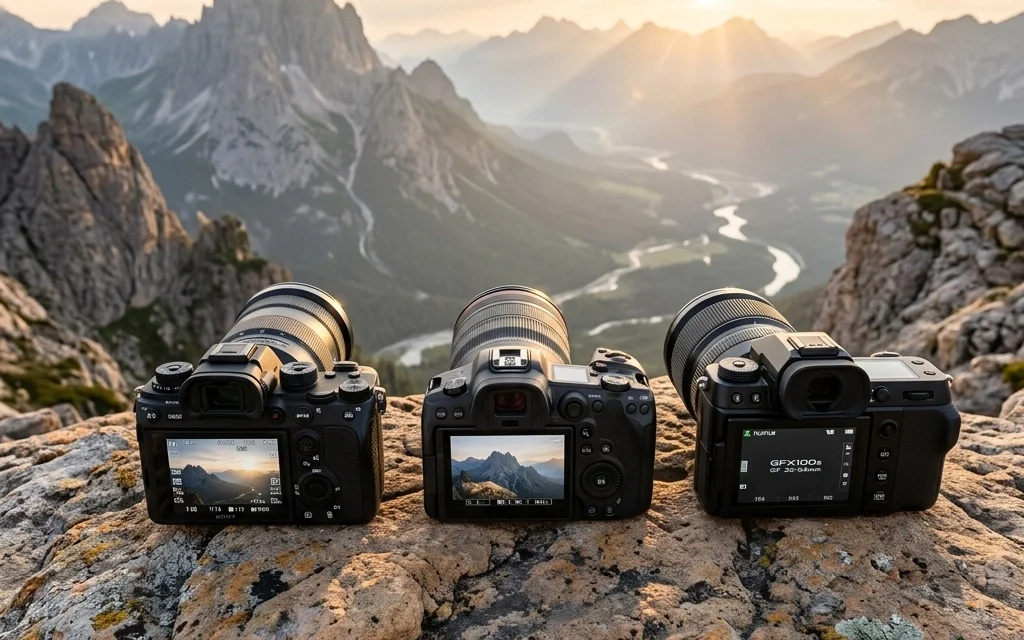
If you’re reading this in 2026, you already know that the "mirrorless vs. DSLR" debate is long over. It’s like arguing about flip phones while everyone is using a foldable glass slab. Mirrorless cameras have officially taken over the world, and they aren't just smaller; they are smarter.
But with so many options hitting the market, choosing the right one can feel like trying to order a coffee with twenty different milk alternatives. Should you go for the high-megapixel monster? The speed demon? Or the budget-friendly underdog?
Choosing the best mirrorless cameras in 2026 isn't just about reading a spec sheet. It’s about matching a piece of glass and metal to your creative soul. Whether you’re diving into photography for beginners or you’re a seasoned pro looking for the latest camera gear reviews, I’ve got you covered.
The State of Mirrorless in 2026
Before we dive into the specific models, let’s talk about what has changed. In 2026, AI is no longer a buzzword; it’s the engine. We now have autofocus systems that don’t just find eyes: they predict movement based on the sport you’re shooting. We have global shutters becoming more common, and computational photography features that used to be exclusive to smartphones are finally making their way into full-frame bodies.
If you’re keeping up with photography news, you’ve probably noticed that the gap between "entry-level" and "professional" is shrinking. A "basic" camera today would have been a flagship five years ago. This is great news for your wallet, but it makes the decision-making process a bit more complex.
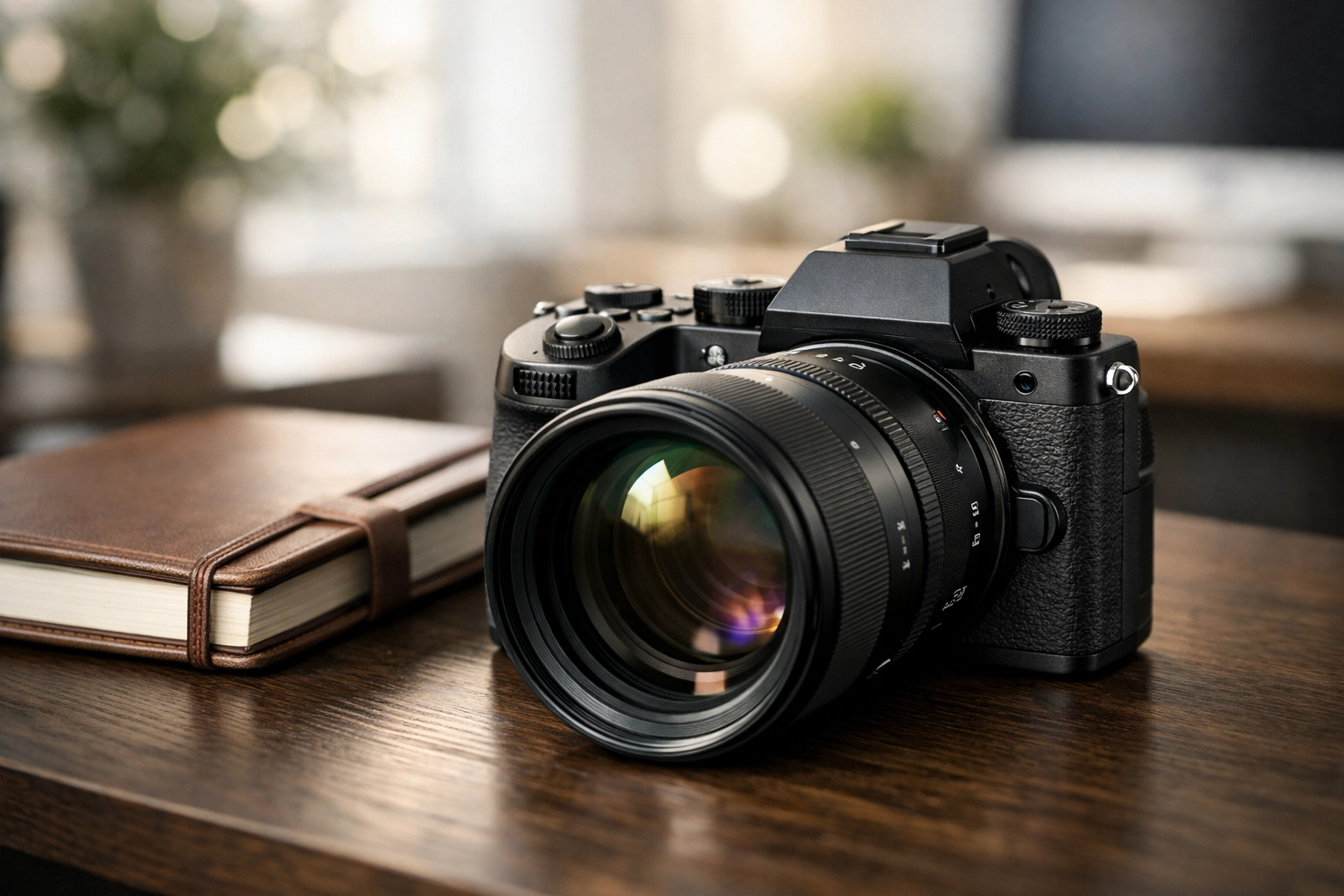
Alt text: A sleek, modern mirrorless camera sitting on a wooden table with a prime lens attached, showcasing a minimalist design and high-tech interface.
1. Defining Your Photography Style
The first step in choosing a camera is admitting what you actually do with it. You might love the idea of being a National Geographic wildlife shooter, but if you mostly take photos of your kids at the park, you don't need a $6,000 rig that weighs as much as a small dog.
For the Beginner: Starting Small but Smart
If you are looking for photography for beginners, you want something that won't scare you away. You need a camera that makes it easy to learn but doesn't hold you back when you finally figure out how to use manual mode camera.
The Nikon Z50 II and the Olympus OM-D E-M10 Mark IV are still the kings of this segment in 2026. They are compact, affordable, and have menus that don’t require a PhD to navigate. For more great entry-level resources, check out PhotoGuides.org to get your feet wet.
For the Landscape Artist
When it comes to landscape photography tips, the most important one is usually "get a tripod," followed closely by "get a high-resolution sensor." If you want to print your work large enough to fill a wall at Edin Fine Art, you need pixels.
In 2026, the Sony A7R V and the Nikon Z9 (or its lighter sibling, the Z8) are the gold standards. We’re talking 45 to 61 megapixels of pure detail. These cameras allow you to crop heavily without losing quality, which is a lifesaver when you can’t physically get any closer to that mountain peak.
For the Street Photographer
Street photography ideas often require being invisible. You don't want a giant lens in someone’s face. You want something small, fast, and maybe a little bit retro. The Fujifilm X-T5 or the newer Fujifilm X100 series remain the favorites here. They look like old film cameras but perform like supercomputers.
For the Portrait Pro
If you’re focusing on portrait photography techniques, you need two things: incredible eye-autofocus and great "color science." You want skin tones to look like skin, not like plastic. The Canon EOS R5 II is a beast in this category. It tracks eyes through glasses, hair, and even in low light. If you're looking to upgrade your professional game, maybe even for corporate headshots, this is the level you want to be at.
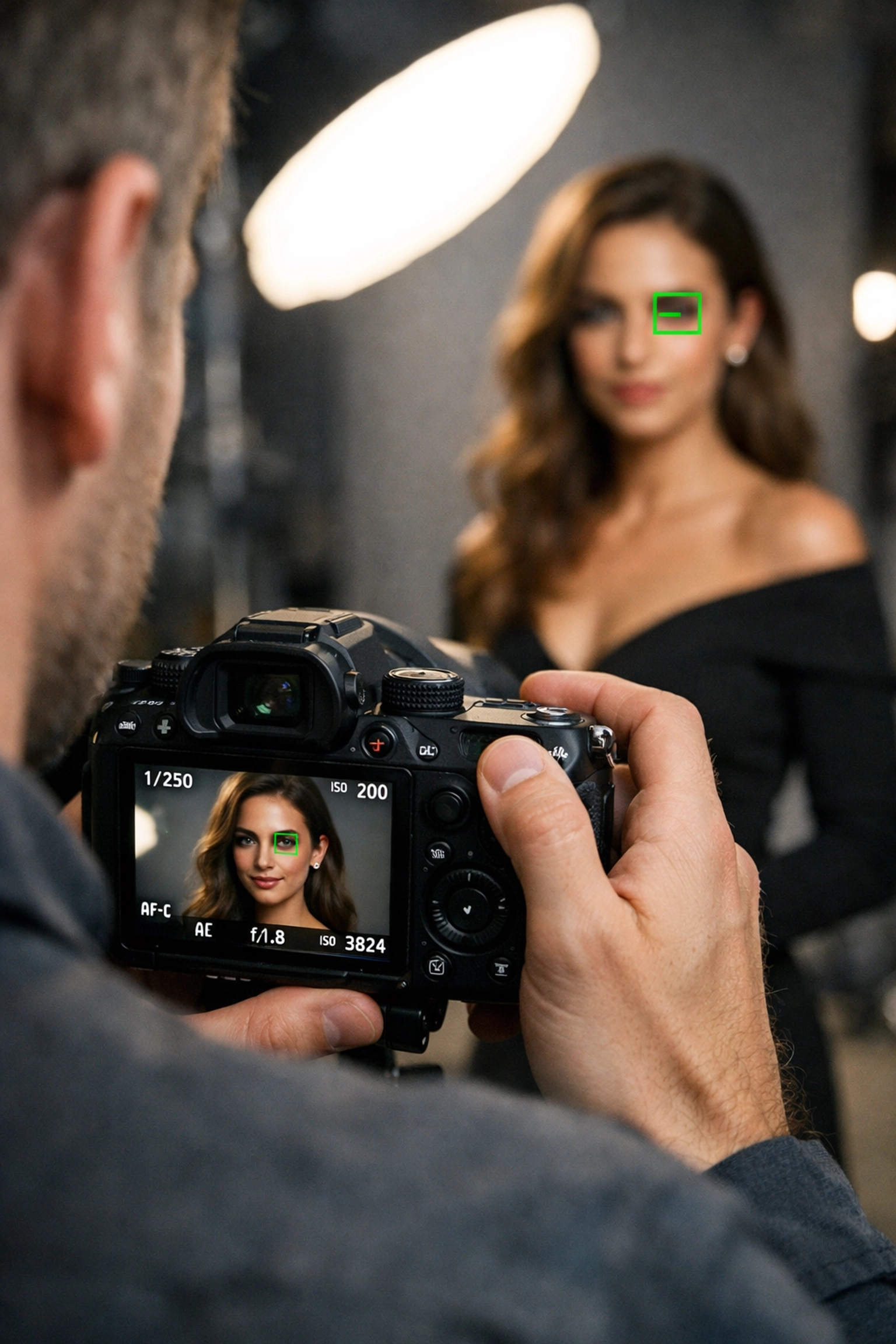
Alt text: A professional photographer capturing a portrait in a studio setting, using a high-end mirrorless camera with eye-tracking autofocus activated.
2. The Great Comparison: Top Picks for 2026
Let's break down the heavy hitters. I’ve spent a lot of time looking at camera gear reviews this year, and these are the models that consistently come out on top.
| Camera Model | Best For | Key Feature | Estimated Price (2026) |
|---|---|---|---|
| Sony A7 IV | All-Around/Hybrid | 33MP, Versatile AF | $2,400 |
| Canon EOS R5 II | Wildlife/Action | 45MP, 30 FPS Burst | $3,900 |
| Nikon Z6 III | Video/Low Light | Excellent Buffer, 6K Video | $2,500 |
| Panasonic GH7 | Content Creation | Best-in-class Stabilization | $2,100 |
| Fujifilm X-S20 | Travel/Vlogging | Compact, Great Film Sims | $1,300 |
Sony A7 IV: The People’s Champ
The Sony A7 IV remains the most recommended camera for anyone who isn't sure what they want to shoot. It does everything well. It’s great for weddings, sports, and even high-end video. If you're browsing Pro Shoot for gear inspiration, you’ll see this model everywhere.
Canon EOS R5 II: The Professional's Workhorse
Canon has really dialed in their AI autofocus. The R5 II is a monster for anyone who needs speed. Whether you’re shooting sports or birds in flight, the hit rate on this camera is almost unfair. It’s like playing a video game with auto-aim turned on.
Nikon Z6 III: The Value King
Nikon has made a huge comeback in the last few years. The Z6 III is the perfect balance of price and performance. Its low-light capabilities are legendary, making it a favorite for event photographers who have to work in dark ballrooms or moody clubs.
3. Technical Specs That Actually Matter
Don't get bogged down in the marketing fluff. When you're looking at photography news and reviews, focus on these four things:
1. Autofocus Reliability
In 2026, if a camera can't track a subject's eye instantly, it's a paperweight. Look for "Deep Learning" or "AI-based" AF systems. This makes portrait photography techniques so much easier because you can focus on the person, not the focus point.
2. In-Body Image Stabilization (IBIS)
IBIS allows you to shoot at slower shutter speeds without a tripod. This is huge for travel and street photography. Some modern cameras now offer up to 8 stops of stabilization, meaning you can take a 1-second exposure handheld and it’ll still be sharp.
3. Lens Ecosystem
A camera is only as good as the glass you put on it. Sony has the most third-party options (like Sigma and Tamron), which can save you a lot of money. Canon and Nikon have incredible "native" glass, but it’ll cost you. Before you buy a body, check out the lens prices at Edin Studios.
4. Video Capabilities
Even if you're a "stills only" photographer, you'll probably want to shoot video eventually. Look for 4K 60p as a minimum. If you want to get serious about photography tutorials or YouTube, look for a camera that doesn't overheat after ten minutes.
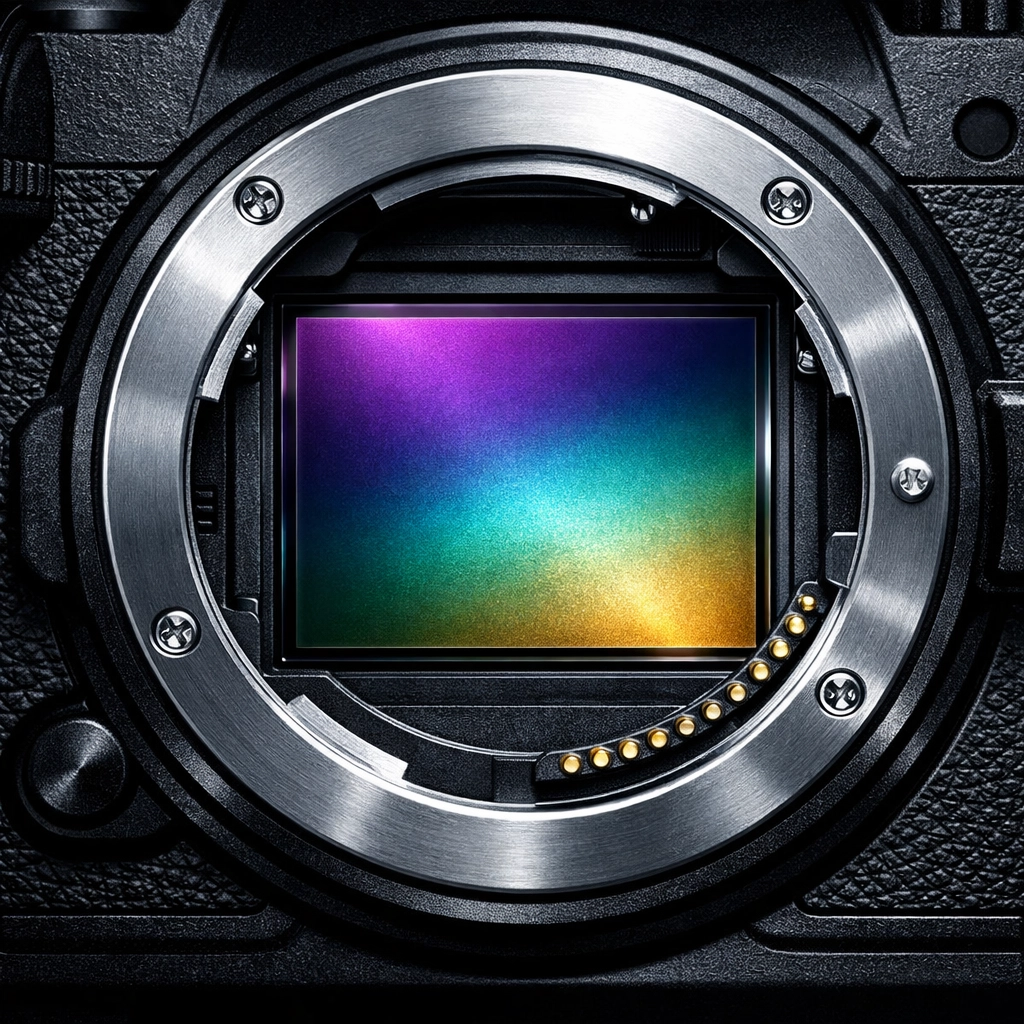
Alt text: A detailed close-up of a mirrorless camera sensor and lens mount, emphasizing the precision engineering and technology of 2026 gear.
4. Learning the Gear: From Auto to Manual
Buying the best camera won't make you a better photographer if you stay in "Auto" mode forever. I always tell people that photography tutorials are more valuable than a new lens.
Learning how to use manual mode camera is the "Aha!" moment every photographer needs. It’s about understanding the Exposure Triangle: Aperture, Shutter Speed, and ISO.
- Aperture: Controls depth of field (that blurry background).
- Shutter Speed: Controls motion (freezing a runner or blurring a waterfall).
- ISO: Controls the camera's sensitivity to light (and how much grain/noise you get).
Once you master these, you can start exploring street photography ideas like long-exposure light trails or high-speed candid shots. You can find more deep dives into these topics on Edin Chavez's Blog.
5. Don't Forget the Software
A great photo is only half-finished when you click the shutter. The other half happens in the edit. If you’re looking for photo editing tutorials, you’ll find that the landscape has changed as much as the cameras.
AI editing is now standard. While Photoshop is the old reliable, many photographers are moving toward faster, more intuitive tools. One of the best for quickly enhancing landscapes or portraits is Luminar. It uses AI to handle the tedious stuff: like masking a sky or retouching skin: so you can focus on the creative side.
Editing is where you develop your "look." Whether you like moody, dark tones or bright, airy vibes, the software you use is just as important as the sensor in your camera.
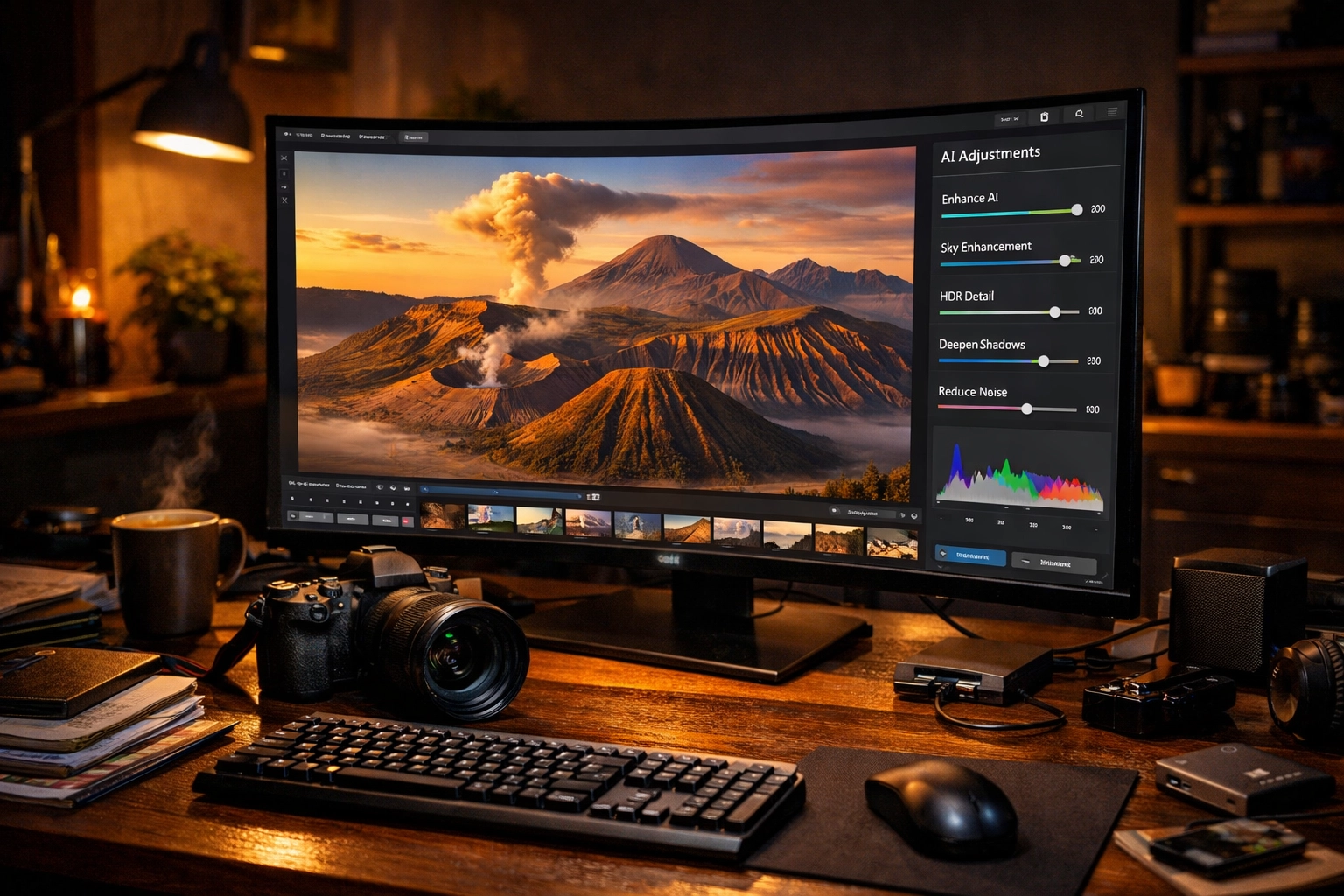
Alt text: A photographer sitting at a dual-monitor setup, editing a stunning landscape photo in AI-powered software, showing before-and-after comparisons.
6. Making the Final Decision
So, how do you choose? Here is a quick checklist to take with you:
- What is your budget? Remember to save at least 30% of your total budget for a good lens.
- What do you shoot most? If it moves, get a Canon or Sony. If it stays still, Nikon or Fujifilm are incredible.
- How does it feel? This is the most underrated part. Go to a store and hold the camera. If the buttons feel weird or it’s too heavy, you won’t want to use it.
- Do you need full-frame? APS-C sensors (like in the Fujifilm X-series) are amazing in 2026 and much cheaper. Don't buy full-frame just because "the pros do."
I’ve been chatting with Sonny, our social media manager, and he’s seeing a huge trend in people moving back to smaller, more tactile cameras. People are tired of huge rigs. They want gear that fits in a small bag but still delivers professional results.
Whether you're looking for the best mirrorless cameras for a professional career or just a way to document your travels, 2026 is an incredible time to be a photographer. The tech is finally catching up to our imaginations.
Take your time, do your research, and don't be afraid to start small. The best camera is the one you actually have with you when the light hits the subject just right.
If you found this guide helpful, stay tuned for more photography news and deep dives into landscape photography tips. There’s always something new to learn, and the gear is only going to get better from here. Happy shooting!