Categories: News, PHOTO SERIES, TUTORIALS, TRAVEL
Tags: News, PHOTO SERIES, TUTORIALS, TRAVEL
If you feel like the photography world is moving at 200 mph, you aren’t alone. It’s March 2026, and the gear, the software, and even the way we look at a "good" photo have changed drastically in just a few years. It wasn’t long ago that we were all obsessed with technical perfection and the sharpest possible lenses. Now? We are chasing vibes, movement, and a bit of soul.
Whether you are a seasoned pro or someone just trying to figure out manual mode, staying on top of the latest photography news is a full-time job. To make your life easier, I’ve rounded up the 10 biggest things you need to know about the state of photography right now.
Grab a coffee, and let’s dive in.
1. Authenticity Over Perfection
The era of the "over-processed" look is officially dead. In 2026, people are tired of seeing images that look like plastic. We’ve been bombarded with hyper-realistic AI and filtered-to-death social media posts for years. The result? A massive swing back toward authenticity.
Photographers are intentionally leaving in the "mistakes." A bit of grain, a slightly missed focus, or a lens flare that wasn’t supposed to be there, these are the things that make a photo feel human. If a photo looks too perfect, people assume it’s fake. If it looks raw and gritty, they feel the emotion. It’s about being "believable" rather than just "beautiful." When you are out shooting your next photo series, don't be afraid to let the imperfections shine.
2. AI Editing is the New Standard
We need to stop arguing about whether AI is "real photography." It’s a tool, just like a darkroom was 50 years ago. Today, AI-assisted editing is baked into almost every professional workflow.
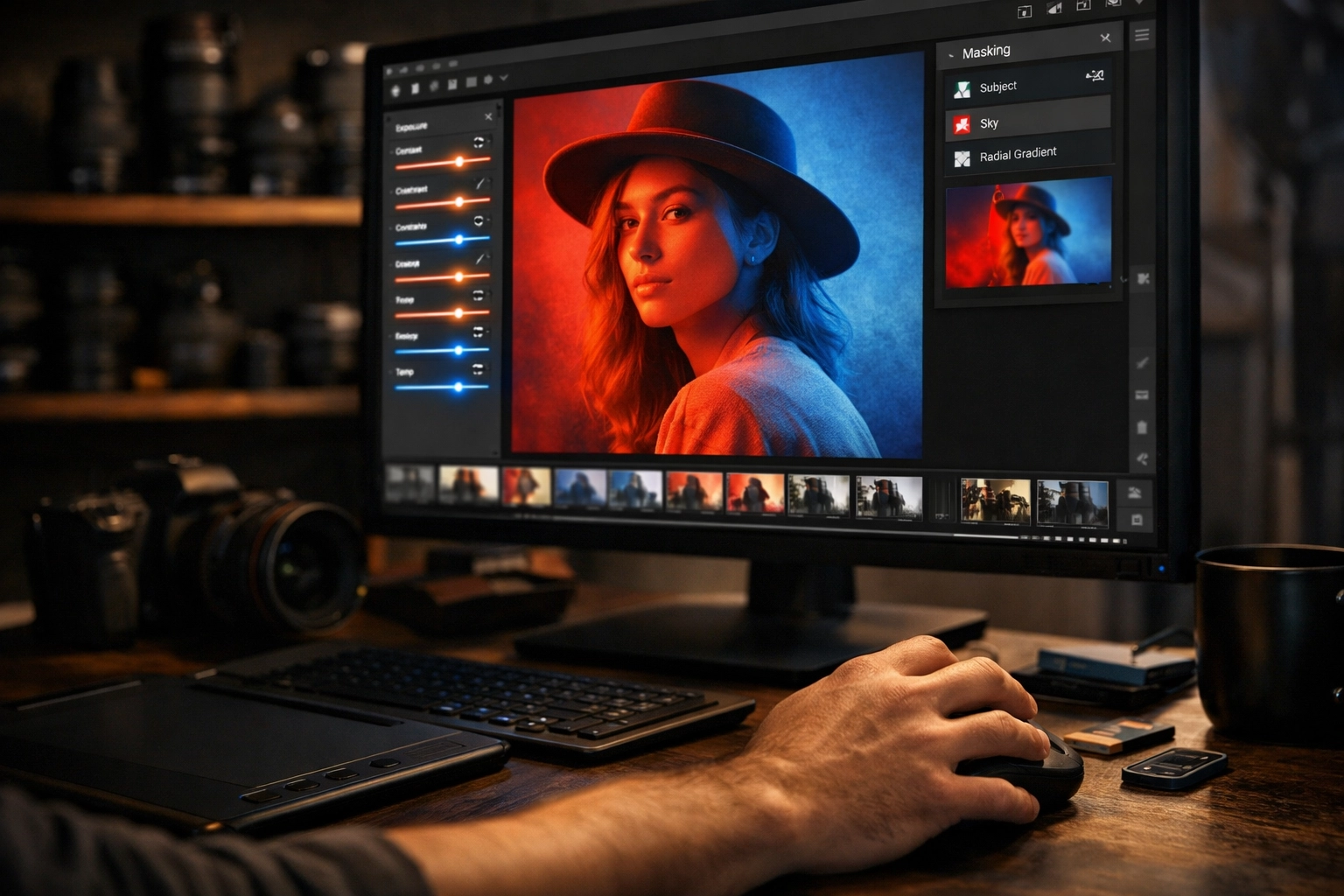
Tools like Luminar have moved from being "cool experimental apps" to essential industry standards. We aren't just talking about generating weird backgrounds; we’re talking about smart masking, automatic noise reduction, and lightning-fast retouching that used to take hours. Photographers who embrace Luminar are finding they spend less time staring at a computer screen and more time behind the lens. The conversation has shifted from "Should we use it?" to "How do we use it ethically?"
3. The "Cinematic" Look Has Evolved
For a while, "cinematic" just meant slapping a teal-and-orange preset on a photo. Thankfully, we’ve moved past that. In 2026, cinematic photography is about visual storytelling and deliberate lighting.
It’s about treating a single frame like a scene from a high-budget film. This involves using negative space, atmospheric lighting, and implied narrative. Why is the subject looking away? What happened right before this shutter click? If you want to master this, you should check out our guide on succeeding in videography, as the lighting techniques overlap heavily with high-end still work. You can find more inspiration on this style at PhotoGuides.org.
4. Vertical Framing is No Longer an Afterthought
We used to shoot horizontal for the "big screen" and crop for vertical as an afterthought. Not anymore. With the world consuming 90% of its content on mobile devices, 9:16 is a primary design choice.
Vertical composition is its own beast. It changes how you use leading lines and how you place your subject in the frame. It forces you to think about "stacking" elements from bottom to top rather than left to right. Even high-end commercial photographers are now delivering vertical-first galleries. It’s a fundamental shift in the visual language of the industry.
5. Bold, Electric Colors are Winning
Minimalism had a long run, but the "beige and white" aesthetic is fading. Today’s photography news is all about color. We are seeing a massive surge in bold, vibrant, and even neon color palettes.
Think electric blues, hot pinks, and heavy use of RGB lighting. This trend is partially driven by a desire to stand out in a digital feed where everyone is scrolling at 100 mph. Saturated colors grab attention and convey a specific mood that muted tones just can't reach. If you want to experiment, try playing with your HSL sliders in Luminar to see how pushing your primaries can change the vibe of your shot.
6. Motion Blur as a Creative Choice
There was a time when a blurry photo meant it was a bad photo. Those days are over. Intentional motion blur is one of the biggest creative trends of 2026.
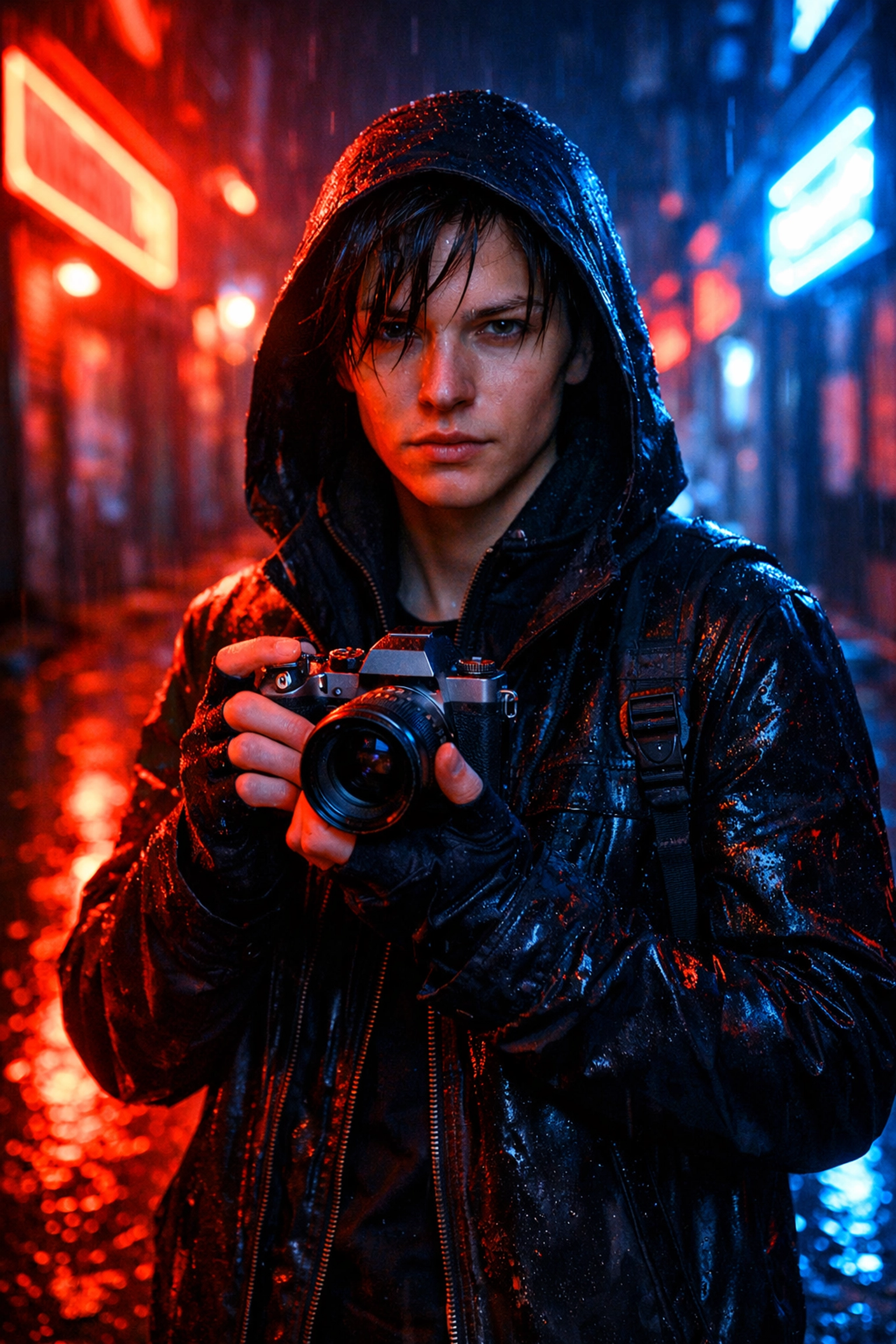
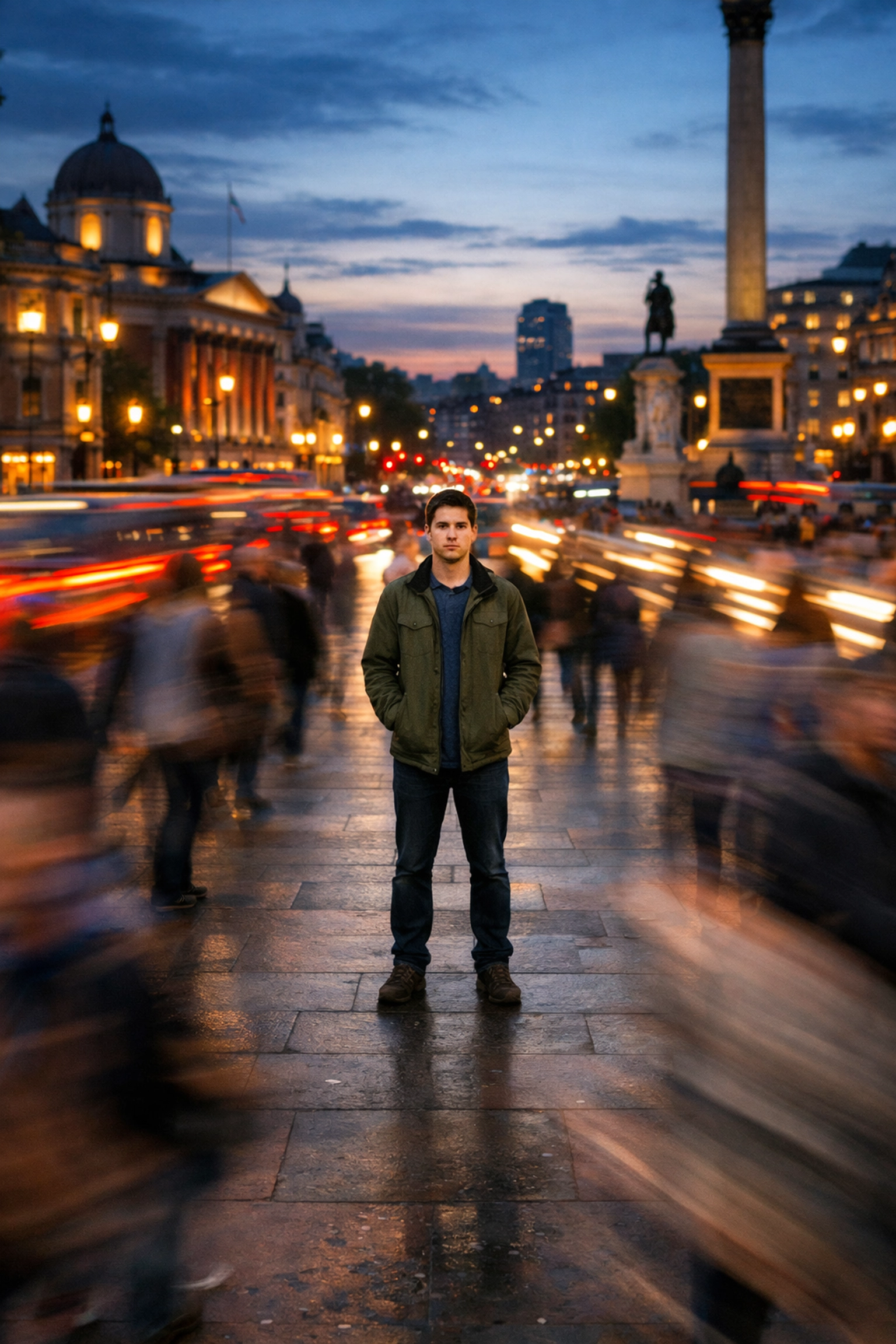
By using slower shutter speeds or panning with a subject, photographers are adding a sense of energy and time to their work. A static shot of a car is just a car. A shot of a car with beautiful, streaky motion blur is a story about speed and chaos. It’s about showing what the moment felt like, not just what it looked like. This is a great technique to practice if you're looking for new gear reviews to see how different sensors handle long exposures.
7. Documentary and Long-Form Storytelling
The "one-hit-wonder" Instagram shot is losing its value. More photographers are returning to long-form documentary work. Instead of trying to get one perfect photo, they are building a series of 10, 20, or 50 images that tell a complete story.
This shift is great for the industry. it encourages photographers to go deeper into their subjects. Whether it's a travel project or a local community story, the focus is on context. It’s about the "how" and the "why," not just the "who." If you’re looking to get started with this, check out some of the deep-dive articles on proshoot.io.
8. Drones are for Composition, Not Just "Wow" Factors
When drones first hit the scene, everyone was just flying them high and taking "look how high I am" photos. In 2026, drone photography has matured.
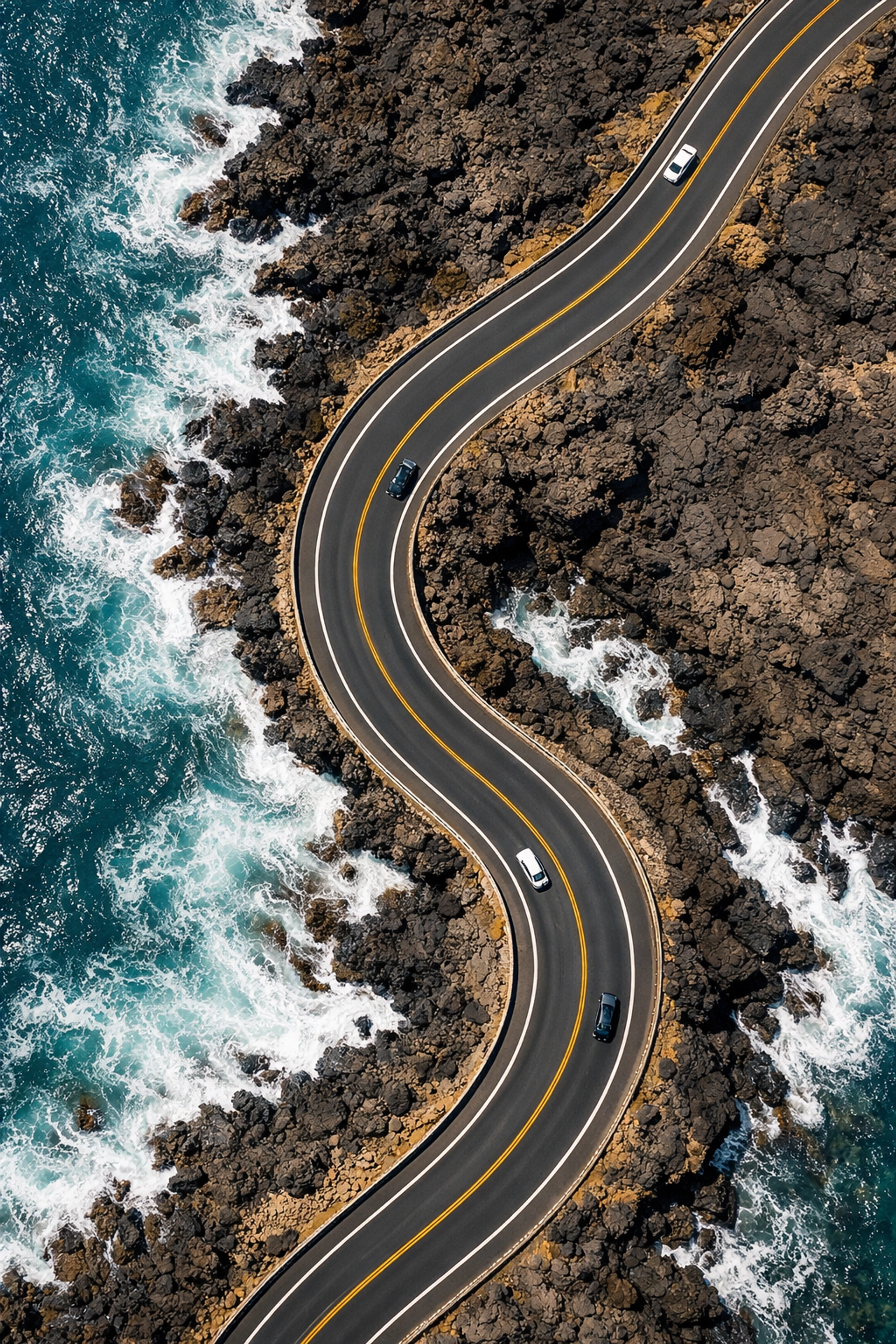
Now, drones are used as a tool for graphic composition. Photographers are looking for patterns, geometry, and abstract perspectives that you simply can't see from the ground. Top-down shots of coastlines, winding roads, or urban grids have become a staple of fine art photography. It’s about finding the art in the landscape, not just the height.
9. The Return of Tangible Media (Prints and Albums)
In a world where everything is digital and fleeting, people are craving something they can actually hold. Print is back in a big way.
Photographers are finding that selling physical prints and high-end albums is a much better way to build a legacy (and a business) than just posting on social media. There is something magical about seeing your work on high-quality paper. If you haven't seen the power of a physical print lately, take a look at the work over at Edin Fine Art. It changes the way you view your own photography.
10. Cinemagraphs are Making a Comeback
The "hybrid" image: mostly static but with a tiny bit of movement: is seeing a massive resurgence. It’s the perfect middle ground between a photo and a video.
Think of a portrait where only the subject’s hair moves slightly in the wind, or a landscape where only the water in a stream is flowing. These "cinemagraphs" are incredibly effective for online exhibitions and digital advertising because they stop the scroll without being as distracting as a full video. They require a bit of technical skill to pull off, but the payoff in engagement is huge.
Why You Need to Stay Informed
The photography world doesn't stop for anyone. If you aren't keeping up with the latest trends and tech, it's easy to get left behind. But remember, news and trends are just there to inspire you: not to dictate exactly how you shoot.
At the end of the day, the best camera is the one you have with you, and the best style is the one that makes you feel something. Whether you are using the latest mirrorless monster or an old film camera, the goal remains the same: tell your story.
If you are looking for more deep dives into specific gear or techniques, feel free to browse through our sitemap or check out Edin Studios for more professional insights.
Keep shooting, keep experimenting, and most importantly, keep shutting your aperture.
How to Master These Trends
Now that you know what's happening in the world of photography news, how do you actually apply it?
- Experiment with AI: Don't be afraid to try Luminar. Use it to speed up the boring stuff so you can focus on being creative.
- Go Vertical: For your next shoot, try to keep your camera in portrait orientation for at least 50% of the time. See how it changes your perspective.
- Print Your Work: Even if it’s just a cheap print from a local shop, get your photos off your phone and onto a wall.
- Simplify Your Gear: Sometimes, having too many options kills creativity. Check out our mirrorless camera guide to find a setup that works for you without being overwhelming.
The landscape of photography in 2026 is exciting, messy, and full of potential. Whether you're interested in travel or commercial work, there has never been a better time to be a creator. Stay curious, keep learning, and don't be afraid to break the rules.