The world of photography is an ethereal dance of light and shadow, a pursuit where we attempt to capture the ephemeral beauty of a passing moment. For those of us who have spent years behind the lens, we know that the camera is far less mechanical than a box of electronics; it is an intrinsic extension of our vision. In 2026, the technological landscape has shifted dramatically, making mirrorless systems the undisputed kings of the craft.
Whether you are just embarking on your journey with photography for beginners or you are a seasoned pro looking for the latest camera gear reviews, choosing the right tool is paramount. It’s about finding a "game-changer" that feels right in your hands and resonates with your creative soul.
The Mirrorless Metamorphosis
There was a time when the clatter of a DSLR mirror was the heartbeat of a photoshoot. But today, we embrace a more stoic and silent partner. Mirrorless cameras have revolutionized how we interact with our environment. By removing the mirror box, manufacturers have created bodies that are lighter, faster, and more capable than ever before.
If you are still weighing the pros and cons of the old guard versus the new, I highly recommend checking out our deep dive on DSLR vs. Mirrorless: Which is Better for Your Creative Career in 2026. It’s a vital read for anyone standing at the crossroads of a major gear investment.
Now that we’ve delved into the philosophy of the shift, it’s time to get down to the brass tacks of what makes a mirrorless camera "the best."
Sensor Sensibilities: Full-Frame vs. APS-C
When you look at a scene, the sensor is your digital canvas. The size of this canvas dictates how much light, the "paintbrush" of our art, the camera can gather.
- Full-Frame Sensors: These are the gold standard for landscape photography tips and professional work. They offer a wider dynamic range and better performance when the sun begins its "golden hour glory" and the light grows dim.
- APS-C (Crop) Sensors: These are the "unsung heroes" for travel and street photography. They allow for smaller, more discreet bodies and often provide extra "reach" for your lenses, which is a secret weapon for wildlife enthusiasts.
For those just starting, I suggest exploring the ultimate guide to photography for beginners. Understanding how these sensors interact with light is the first step in mastering your craft.

Alt text: A professional photographer holding a high-end mirrorless camera against a sunset backdrop, showcasing the sleek design and lens of modern 2026 gear.
Autofocus Awakenings: The AI Revolution
In 2026, autofocus is no longer just about points on a screen; it’s about intelligence. Modern mirrorless systems utilize AI-powered subject detection that feels almost like magic. Whether you are capturing the frantic flight of a bird or the subtle expression in portrait photography techniques, the camera’s ability to "see" and "track" subjects is a total game-changer.
The latest photography news indicates that even entry-level models are now receiving the same AI processors found in flagship bodies. This means that "missing the shot" is becoming a thing of the past. If you want to stay ahead of the curve, keep an eye on today’s camera gear news to see how these trends are shifting the industry.
Comparing the Titans: 2026 Camera Gear Reviews
I have tried every major brand over the years, and I can tell you that nothing compares to the feeling of a camera that just works with you. Let’s look at the current heavy hitters dominating the market this year.
The Versatile Titan: Sony a1 II
The Sony a1 II is, in my opinion, the pinnacle of mirrorless engineering. It is an ethereal blend of speed and resolution. With a high-megapixel sensor and a refresh rate that catches every flicker of movement, it is the ultimate tool for those who refuse to compromise. It’s expensive, yes, but for a professional, it is an investment in perfection.
The Wildlife Warrior: Canon EOS R5 II
If your heart beats for the wild, the Canon EOS R5 II is your best companion. Its autofocus is legendary, sticking to the eyes of animals like glue. It’s a powerhouse for those who need high-speed bursts to capture the "ephemeral" moment of a predator on the hunt. For more tips on capturing nature, don't miss our guide on 7 mistakes you’re making with landscape photography.
The Value King: Canon EOS R6 Mark II
Not everyone needs 50 megapixels. For many, the Canon EOS R6 II is the "sweet spot." It offers professional-grade autofocus and incredible video features at a price point that doesn't require a second mortgage. It’s a hybrid workhorse that handles everything from weddings to weekend hikes with grace.
The Beginner’s Beacon: Nikon Z50 II
For those looking for photography for beginners, the Nikon Z50 II is a revelation. It is compact, intuitive, and brings high-end AI tracking to a budget-friendly price point. It’s the perfect gateway into the Nikon Z ecosystem. If you're just starting out, you might also find great resources at www.photoguides.com.
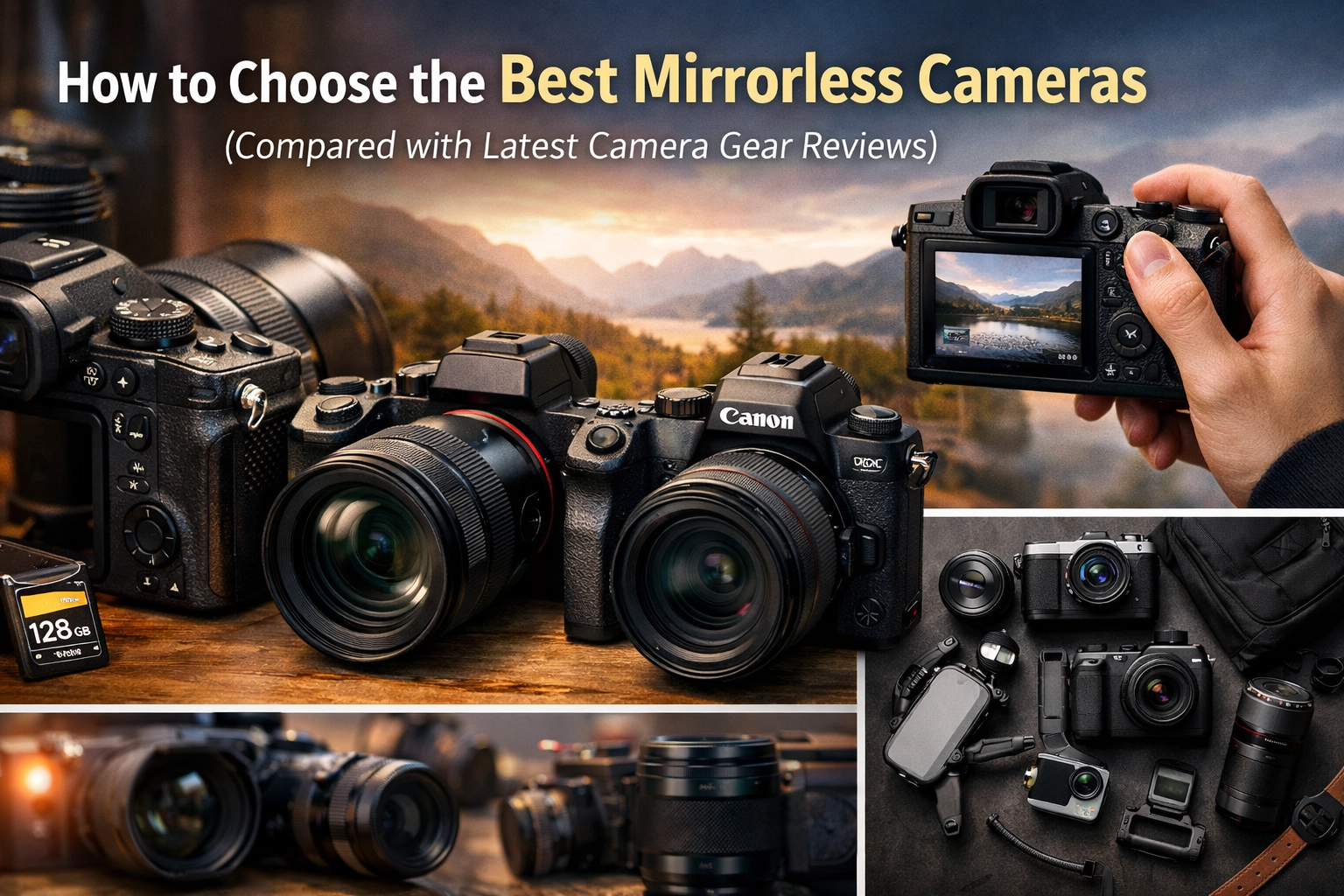
Alt text: A comparison layout of three different mirrorless cameras from Sony, Canon, and Nikon, emphasizing their different sizes and lens mounts.
Street Photography and the Compact Craze
There is a certain reverence we hold for the "decisive moment" in street photography. For this, you need a camera that doesn't scream "photographer." The Fujifilm X100VI and the X-T5 have become cultural icons for a reason. Their film simulations allow you to bake a specific "mood" into your JPEGs, reminiscent of the classic days of Kodak and Fuji film.
If you’re looking for inspiration on how to use these compact beasts, check out 25 creative street photography ideas you’ve never thought of. Street photography is about the dance between the observer and the observed: make sure your gear doesn't trip you up.
Mastering the Technical: How to Use Manual Mode Camera
Choosing the best mirrorless camera is only half the battle; the other half is knowing how to wield it. I see too many enthusiasts buy a $3,000 camera only to leave it on "Auto." To truly create art, you must master the how to use manual mode camera settings.
Understanding the "exposure triangle": Aperture, Shutter Speed, and ISO: is fundamental. It’s how you control the "depth of field" in portrait photography techniques or the "silkiness" of water in a landscape. For those wanting to dive deeper into technical mastery, our HDR tutorial is a great place to start. You can also find professional-grade equipment and inspiration at www.proshoot.io.
The Digital Darkroom: Post-Processing Your Vision
A mirrorless camera captures a "raw" file, but the soul of the image is often found in the edit. In 2026, software has become just as important as the hardware. I have explored countless editing suites, and for those who want to enhance the "ethereal" quality of their photos without spending hours in front of a screen, Luminar is a fantastic tool. It uses AI to simplify complex tasks like sky replacement and skin retouching.
Whether you are following photo editing tutorials or looking for a quick way to make your landscapes pop, the right software is the "unsung hero" of your creative process. You can find more software-specific advice in our software category.
Alt text: A high-tech home editing studio with a large monitor displaying a landscape photo being edited in Luminar software, with a mirrorless camera sitting on the desk.
Portraiture and Professional Presence
For many of us, photography is a business. Whether you are shooting weddings or corporate headshots, the gear you choose affects the final product and your professional standing. The latest mirrorless cameras allow for eye-detection that is so precise it can track through glasses and even in heavy shadow.
If you’re looking to break into this field, read our ultimate guide to professional headshots. It’s not just about the camera; it's about how you connect with the human being in front of your lens. For more inspiration on artistic portraiture, visit www.edinfineart.com or see professional production in action at www.edinstudios.com.
Finding Your Path
Venture forth and do not be afraid to experiment. The "best" mirrorless camera is the one that makes you want to go out and shoot. It’s the one that stays in your hand rather than your bag.
- Define your purpose: Are you chasing the "Golden Hour Glory" of landscapes or the "Blue Hour Brilliance" of cityscapes?
- Set your budget: Don't forget to save room for lenses: the "brushes" of your kit.
- Stay informed: Photography is an evolving art. Check out why the latest photography news will change the way you shoot in 2026.
If you’re looking for more specific photography tutorials, head over to our tutorials section. We also love seeing what our community is creating, so feel free to check out our submissions page to share your work with the world.
A Philosophical Perspective
At the end of the day, the gear is just a means to an end. We seek to capture a feeling, a memory, a fragment of time that will never happen again. There is a deep spiritual reward in the craft: a sense of peace that comes when you are perfectly aligned with your subject and your settings.
The camera may be a marvel of 2026 engineering, but the vision belongs to you. Treat your equipment with reverence, but never let it overshadow the beauty of the world you are documenting. Drop me a line below if you have any questions about which model is right for your specific needs: I'm always here to help a fellow enthusiast.
For more updates and personal insights, you can also follow my personal blog at blog.edinchavez.com.
Categories: News, PHOTO SERIES, TUTORIALS, TRAVEL
Tags: News, PHOTO SERIES, TUTORIALS, TRAVEL, best mirrorless cameras, photography for beginners, camera gear reviews, landscape photography tips, street photography ideas, portrait photography techniques, photo editing tutorials, how to use manual mode camera