Updated October 2026
A photography drive can look sensible on a map and still fail at the viewpoint. The drive fits, but parking takes longer than expected. The light arrives before the gate opens. You finish the evening photograph and discover that the next place to sleep is much farther away than the plan allowed.
Start with the photographs you want, then test whether the driving, access, overnight stops, and rest can support them. This guide builds that feasibility check. It is not another list of American road-trip destinations, and it does not provide a ready-to-drive itinerary.
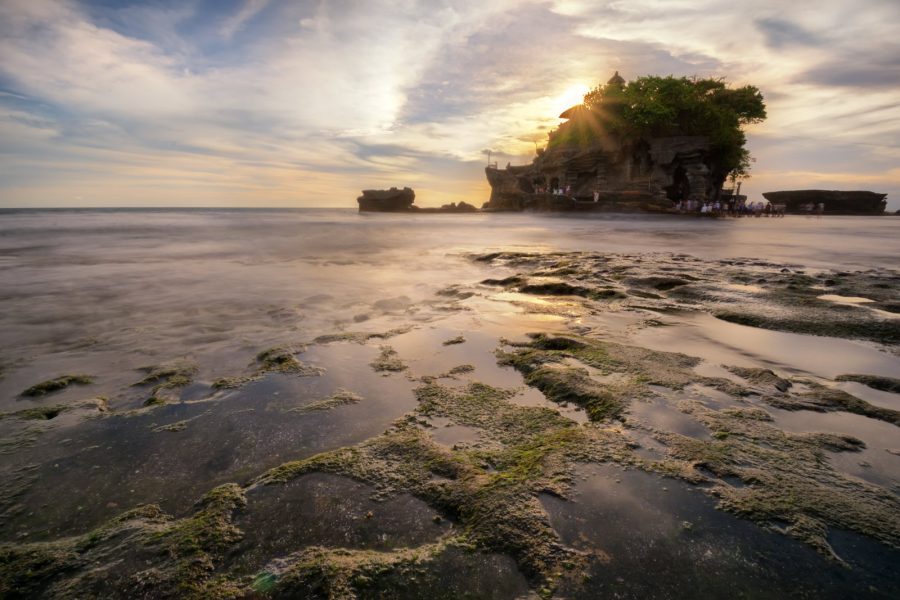
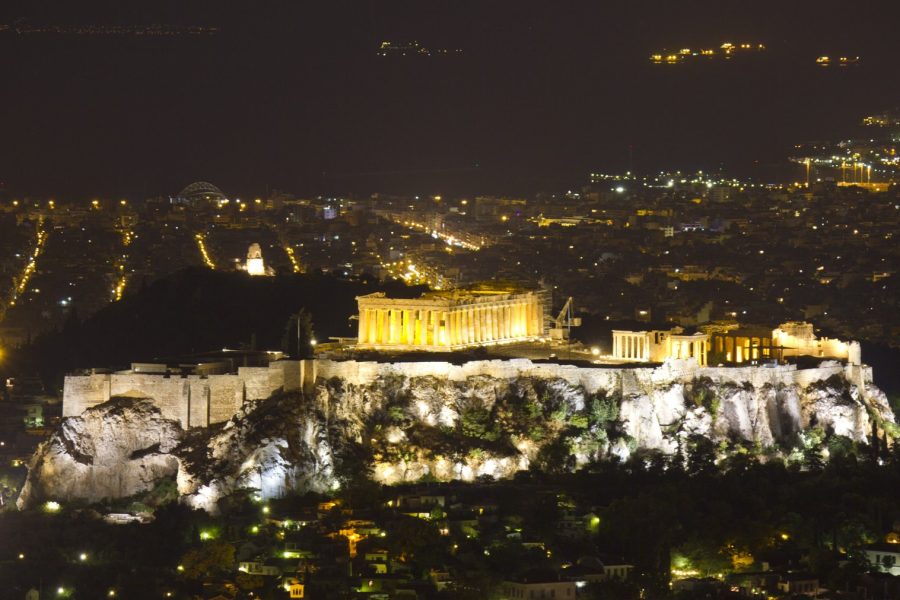
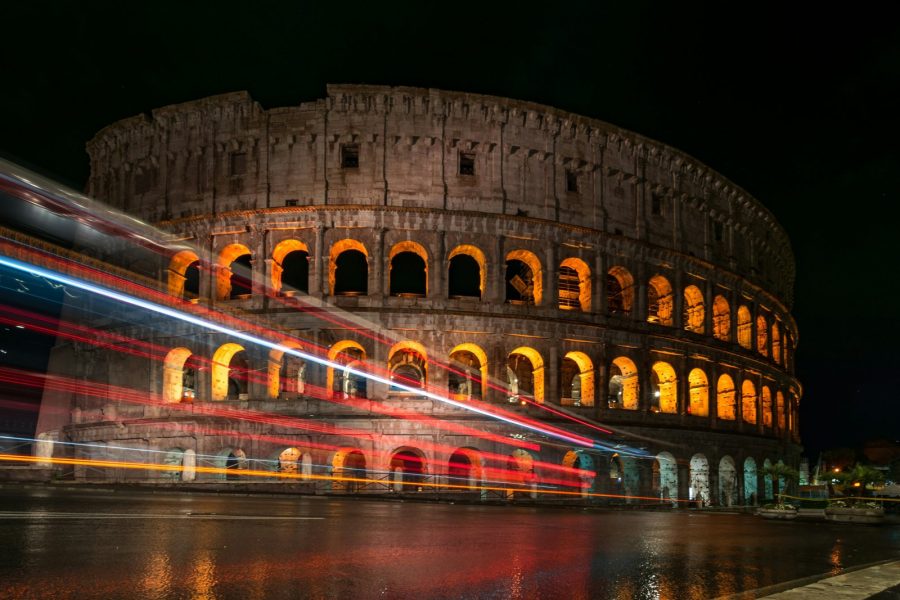
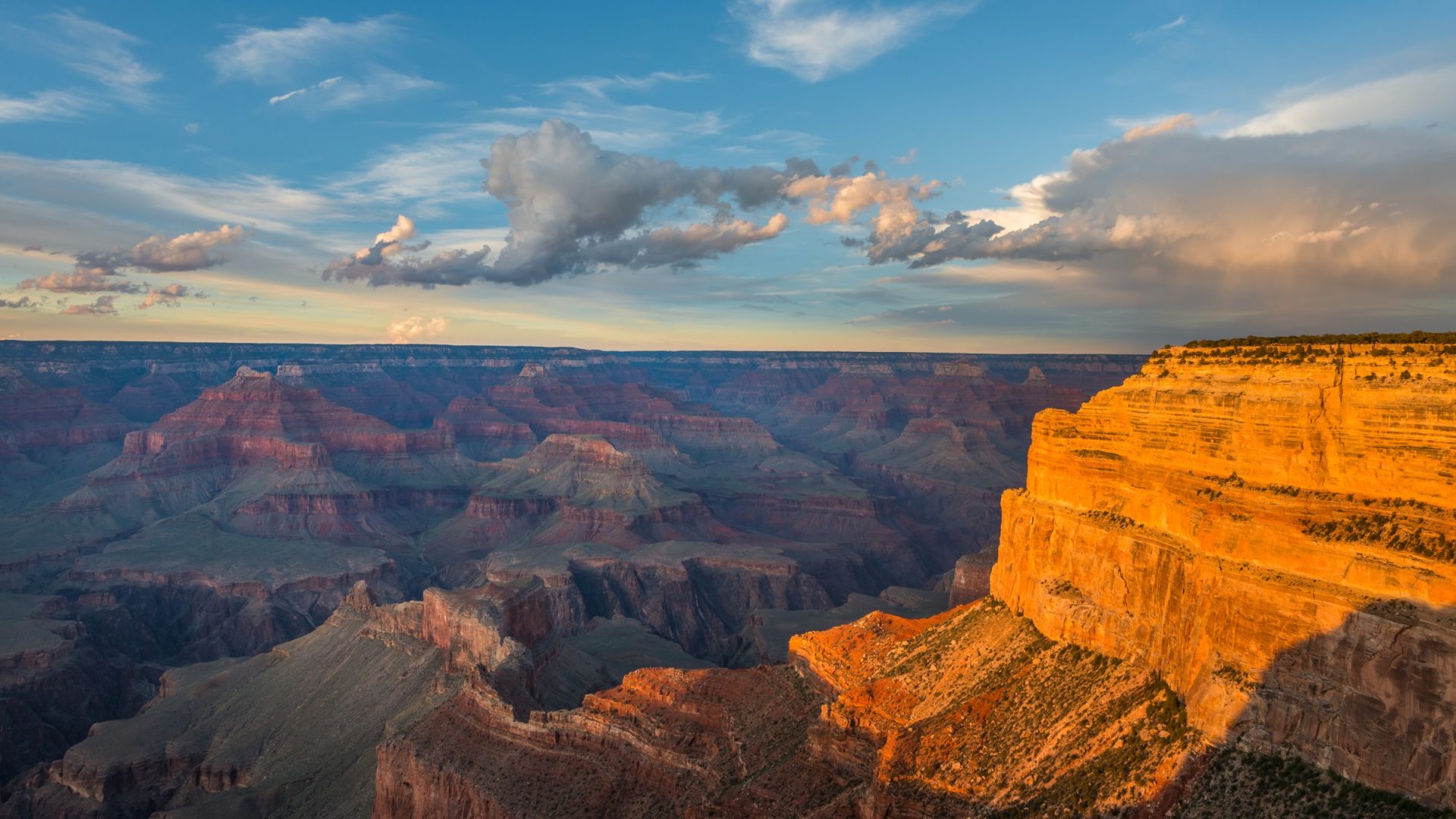
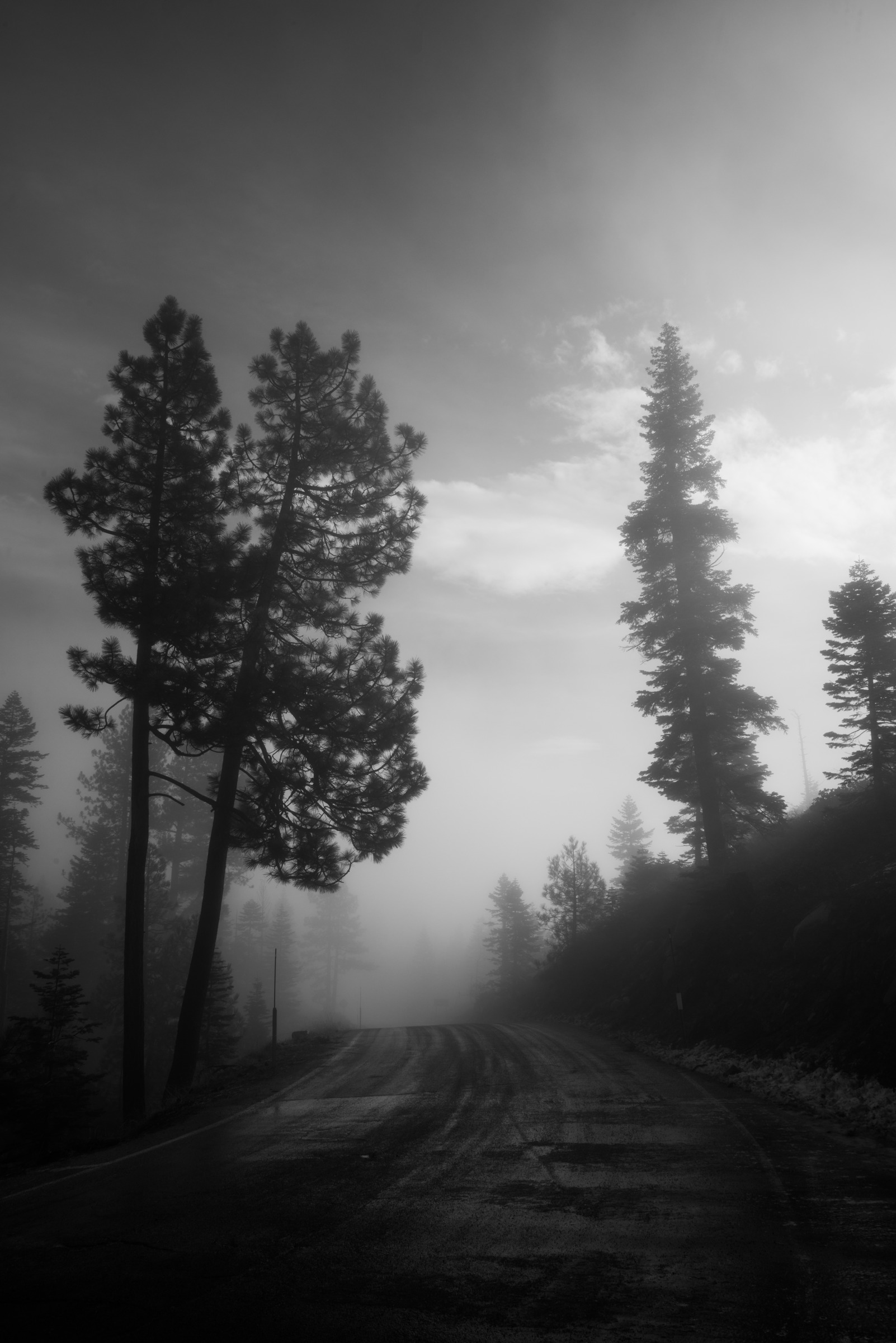
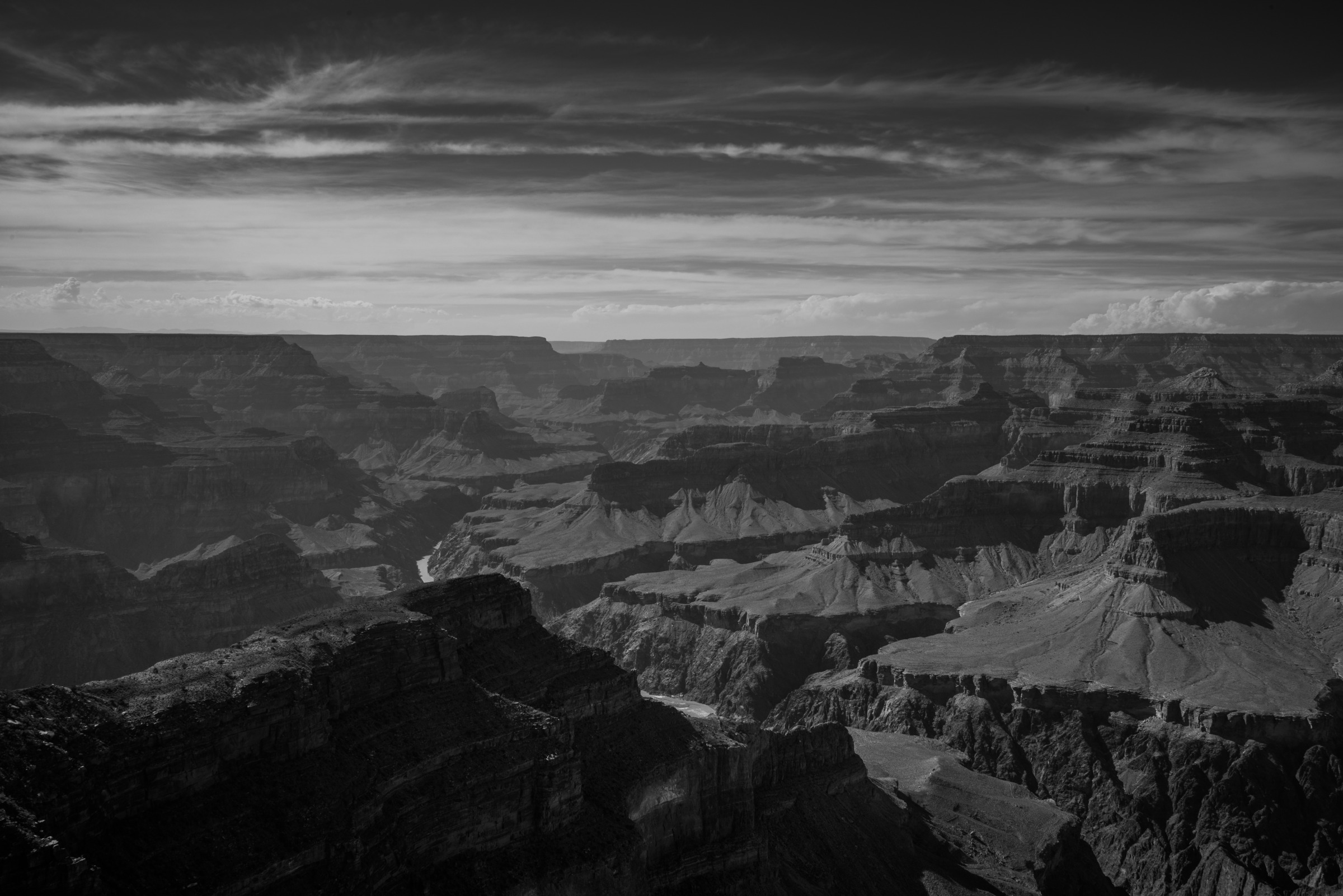
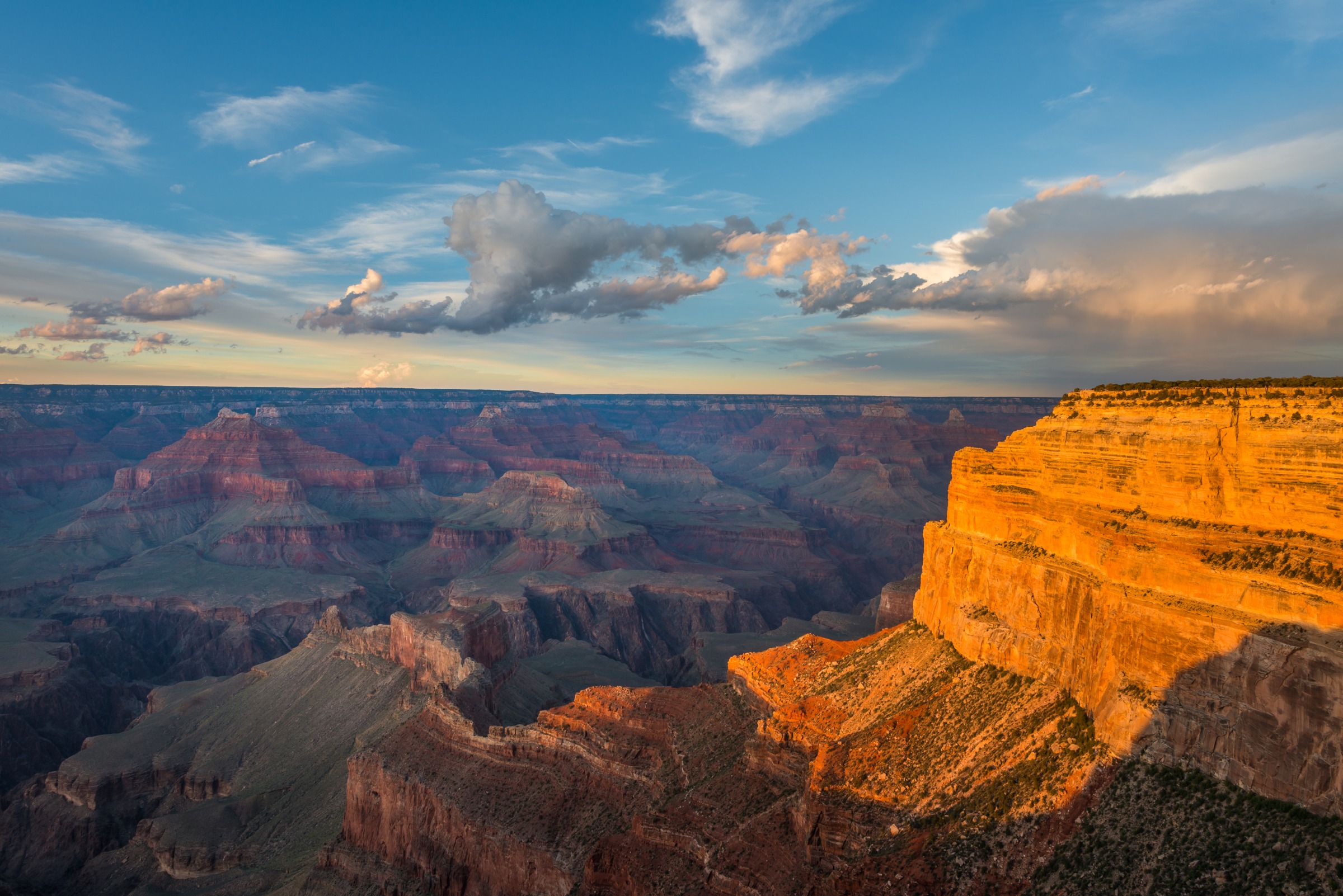
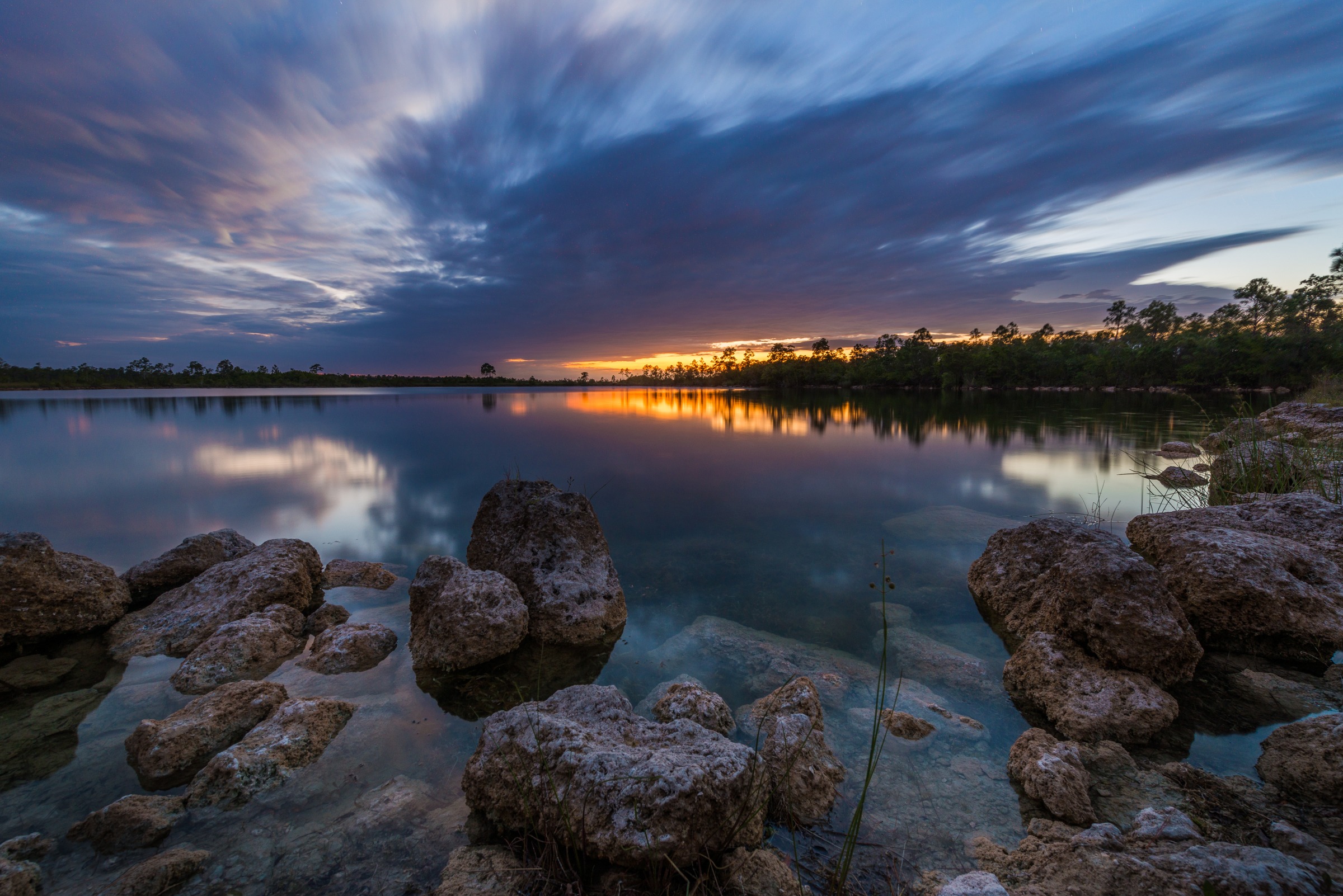
The five photographs are separate owner reference images. They illustrate visible subjects, weather, light, and rendering choices. They do not prove a feasible multi-state journey, a capture time, a permitted viewpoint, or current access. The planning examples are hypothetical, not a record of a trip I drove.
Give each chosen photograph a requirement
Write one row for each priority photograph. Name the subject and the visual result you want. “Photograph the canyon” is too broad to test. “Photograph a visible cliff with low directional light” gives you a requirement to check against the place, date, and viewpoint.
Separate the subject from the condition. Mist, a clear horizon, a reflection, and illuminated signs can depend on weather or operation as well as time. A sunrise calculation cannot guarantee fog. A photograph of neon cannot establish that the sign still lights up.
Mark the requirement as essential or preferred. If the whole reason for the stop is a particular light relationship, losing that window may mean the stop no longer meets the goal. If you mainly want to study the subject’s shape, another permitted time might work. Decide that before the drive, not after a rushed arrival.
Keep assumptions visible. Record the source used for the light prediction and the source used for access. Leave an unknown marked unknown. Do not fill a gap with an old photograph, an undated route suggestion, or a guess that a public-looking path must be open.
 Save
Check access independently of the light
Find the actual place you may stand and the route to it. Check current road and trail conditions, opening hours, parking arrangements, reservations, and any activity-specific restrictions. A place can be open while a particular road, lot, or viewpoint is not.
The National Park Service’s trip-planning guidance tells visitors to check the individual park’s site or app for fees, reservations, timed entry, and activity requirements. Use that as the starting point, then reach the page that governs your chosen stop. A general national-park page does not confirm one trail or parking space.
Yosemite’s conditions page is a useful example of why the checks need separating. It lists road status, access restrictions, camping conditions, and trail information, and directs visitors to its road-information line for the most current conditions. Do not transfer a status from one road to another or treat an older saved page as today’s answer.
Haleakalā’s sunrise guidance provides another clear example: its early summit visit has a reservation requirement separate from the visual appeal of sunrise. A calculated light window and a route estimate do not create that reservation. Check the current rule and confirmed booking before treating a restricted window as reachable.
Photography rules are another check, not a substitute for access. The NPS’s current filming and photography guidance describes conditions under which permits and fees are not required. It does not authorize closed areas, exclusive use, or interference with other visitors. For a specific project, read the current conditions and ask the responsible office when the scope is unclear.
Work backward to a ready-to-shoot arrival
The useful arrival time is when you are ready at the allowed position, not when the car reaches the general area. Add the last approach: parking, any permitted walk, finding the viewpoint, and setting up. Keep that time separate from the main road leg.
Work backward from the start of the desired window. If setup needs to be complete before the light changes, the arrival target must be earlier. Then work backward through the approach and drive. You now have a latest sensible departure, with an allowance for the uncertainties you have identified.
Use a current route estimate for the actual departure conditions. Check the route against official road restrictions where relevant. A routing app’s line is not proof that a seasonal road is open or a vehicle is allowed on it. Avoid building the entire day around the shortest estimate with no room for known delays.
Do not assume that the light you see in a reference photograph occurred at the time suggested by its file metadata. Camera clocks, timezones, processing, and missing context make that an unreliable shortcut. Use a date-and-location planning source for the future window and the photograph only for the visible relationship you want to study.
 Save
Put the next shot window on the same timeline
A stop may fit alone but not fit with the next one. Place both windows on one timeline. Include the first stop’s finish, the time to pack and return to the car, the drive, the next approach, and setup. Compare the resulting ready-to-shoot time with the second window.
Do not hide the conflict by calling the day flexible. If the second photograph depends on a narrow condition, flexibility has limits. Choose which photograph matters more, remove a stop, move an overnight base, or choose a different day. A full list of desired pictures is not the same as a feasible plan.
Keep travel and photographs distinct in the worksheet. One row can describe a shooting requirement; another can describe the leg that connects it to the next stop. That makes it easier to see whether the problem is the visual goal, the route, or the time available between them.
For destination ideas, use our USA national-park road-trip guide. For that specific historic route, use our Route 66 planning guide. This article asks a different question: can your selected photographs fit the actual logistics?
 Save
Plan the exit and overnight stop as carefully as the arrival
Once the light window ends, the day still has work in it. Count the return to the vehicle, the drive to the overnight stop, and the lodging’s actual check-in arrangement. A room on a map is not evidence that a late arrival is possible or that a room is available.
Confirm the reservation and arrival instructions for the stay you intend to use. If you are camping, verify the site’s rules and booking. Do not treat sleeping in the car as an automatic backup. Yosemite’s current conditions page, for example, restricts camping and vehicle sleeping to campsites where visitors are registered to stay.
Protect rest rather than making it the leftover. NHTSA’s drowsy-driving guidance says adequate sleep is the only true way to protect against the risk and recommends seven to eight hours a night. An evening shoot followed by a long drive and an early start may not fit that need.
If the plan requires you to keep driving while tired to recover a missed window, change the plan. A photograph is not a reason to push through drowsiness. Check an earlier exit, a nearer confirmed overnight stop, or one fewer early or late shooting session.
 Save
Choose a fallback by its requirements
A fallback is not simply another attractive place. It needs to remain reachable from your current position, allowed under the current rules, and useful for a visual goal that does not depend on the condition that failed.
If the original goal needs mist and the mist does not arrive, another mist photograph is not an independent fallback. If a road closes, a second viewpoint reached by the same closed road does not solve the access problem. If you are already late, an alternate subject farther away may make the day worse.
Write the fallback’s own requirements and sources. What can you photograph there under the expected conditions? What access remains to be checked? How much travel and setup does it add? Can you leave in time for the confirmed overnight stop and adequate rest?
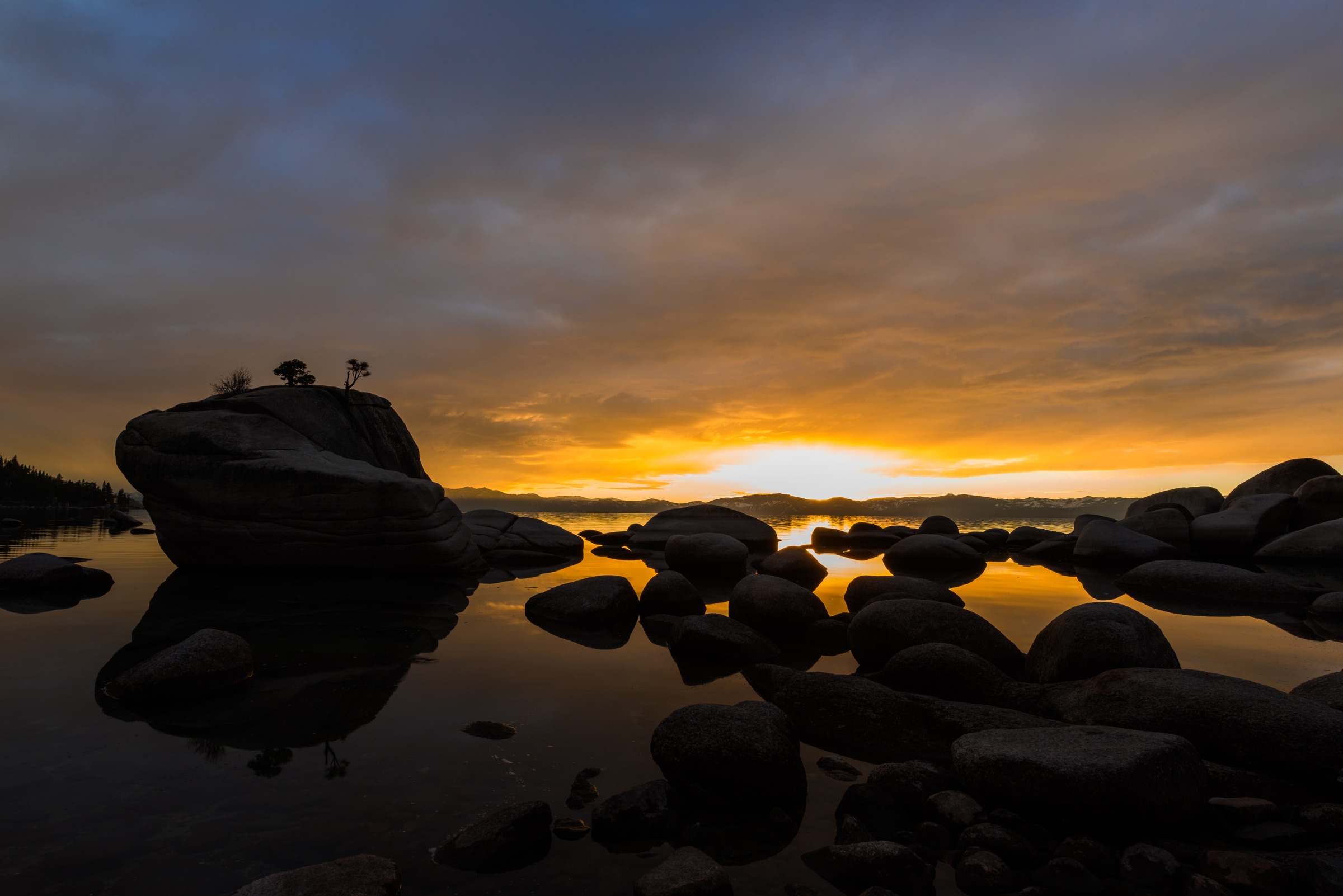
A locally reachable alternate subject may be useful, but none of the reference photographs here proves one. The black-and-white canyon image is a rendering example, and the Bonsai Rock image also visibly depends on warm low light. Neither establishes a reliable all-light alternative. The decision comes from your checked plan, not the mood of the picture.
 Save
A hypothetical feasibility worksheet
Use a simple row structure: subject, desired window, access source and status, ready-to-shoot target, drive estimate, approach/setup allowance, latest departure, exit time, confirmed overnight arrangement, and fallback. Add when each source was checked.
Suppose a fictional stop has a desired window beginning at 6:20 pm. The hypothetical plan allows 25 minutes for parking and the approach, 15 minutes for setup, a two-hour drive, and 30 minutes for the identified travel uncertainty. This is arithmetic only, not a route recommendation or a claim about a real destination.
The total lead time is three hours and ten minutes. To be ready by 6:20 pm, departure would need to be no later than 3:10 pm under those assumptions. If an existing commitment cannot finish until 3:45 pm, the plan is already 35 minutes short. Do not erase the approach or uncertainty simply to make it fit.
Now suppose the planned shoot finishes at 7:10 pm. Packing and returning to the car takes 25 minutes, and the hypothetical drive to the booked stay takes 75 minutes. Arrival would be 8:50 pm before any further delay. That time must fit the confirmed check-in arrangement and the next morning’s rest needs.
If it does not, choose a different overnight arrangement, an earlier finish, or a different photograph. If those choices remain unverified, mark the day unresolved. A worksheet should expose the gap, not disguise it with a confident title.
Recheck before departure and at decision points
Save the source information you need, but check current conditions again before leaving. Note which facts can change: road status, weather, reservation details, access hours, and lodging arrival arrangements. A previously successful visit does not confirm them for a new trip.
Prepare offline navigation where supported. Google Maps explains that offline driving directions have limits: without a connection, traffic information and alternate routes are unavailable. A downloaded map can help with navigation; it does not replace current road and access checks.
Set a decision point before the last departure that could still reach the priority window. If the current drive or access condition makes the plan unfit, use the checked fallback or stop pursuing that window. Do not wait until you arrive to discover that every useful alternative is behind you.
At the end of the day, record what actually happened without rewriting the forecast. Note the useful travel, approach, and setup observations for future planning, along with their date and conditions. Keep them as historical context, not a guarantee for the next visit.
Photography-drive feasibility FAQ
Is a route estimate enough to plan a light window?
No. Include the allowed approach, parking, walk, setup, current access conditions, and a reasoned uncertainty allowance. The target is ready to shoot, not merely near the destination.
Can I get a shooting time from a reference photo’s metadata?
Do not rely on it for future planning. Use current location-and-date light information and check access separately. The reference shows a visible relationship, not a verified repeatable window.
Does an open park mean every viewpoint is available?
No. Roads, parking, trails, reservations, and activity rules can differ within one park. Check the sources for the actual place and approach you intend to use.
What makes a useful fallback?
It must be reachable and allowed, serve a useful visual goal, and not depend on the same failed condition. Check its travel, access, exit, and overnight consequences separately.
Should I plan only up to the evening photograph?
No. Include the return to the car, overnight drive, confirmed check-in, and adequate rest. If those do not fit, change the plan rather than pushing through tiredness.
Do these five images describe one feasible road trip?
No. They are separate owner reference examples from different places. They do not establish a driven route, current access, capture times, or an all-light fallback.