It’s Monday, March 30, 2026. If you’re still relying on "Auto" mode to do the heavy lifting, we need to have a serious talk. At Shut Your Aperture, we’ve seen gear come and go, but the core of a great photo remains the same: it’s about how you see the world, not just the pixels in your sensor.
The photography landscape in 2026 is a wild mix of high-end AI integration and a massive, nostalgic return to analog roots. Whether you’re shooting with the latest mirrorless beast or a vintage film camera you found at a garage sale, the goal is the same: tell a story that makes people stop scrolling.
In this guide, we’re breaking down the must-know tutorials, the news shaping the industry, and the trends that will actually make you a better photographer this year.
The Learning Curve: Getting Serious in 2026
If you’re just starting out or feeling stuck in a creative rut, the good news is that high-quality education has never been more accessible. We’re seeing a shift away from "quick tips" toward structured, long-form learning.
The Focal Point Photoclass 2026 is one of the standout resources this year. It’s a free, six-month online program that covers everything from the exposure triangle to advanced post-processing. If you prefer a faster pace, many photographers are opting for 14-day "fast track" programs designed to get you off the "confused" list and onto the "intentional" list.
The key to learning in 2026 isn’t just watching videos; it’s about community feedback. Platforms like PhotoGuides.org are great for diving deep into specific techniques. Don't just learn how to use your camera: learn how to see light.
Composition: Breaking the Rules with Purpose
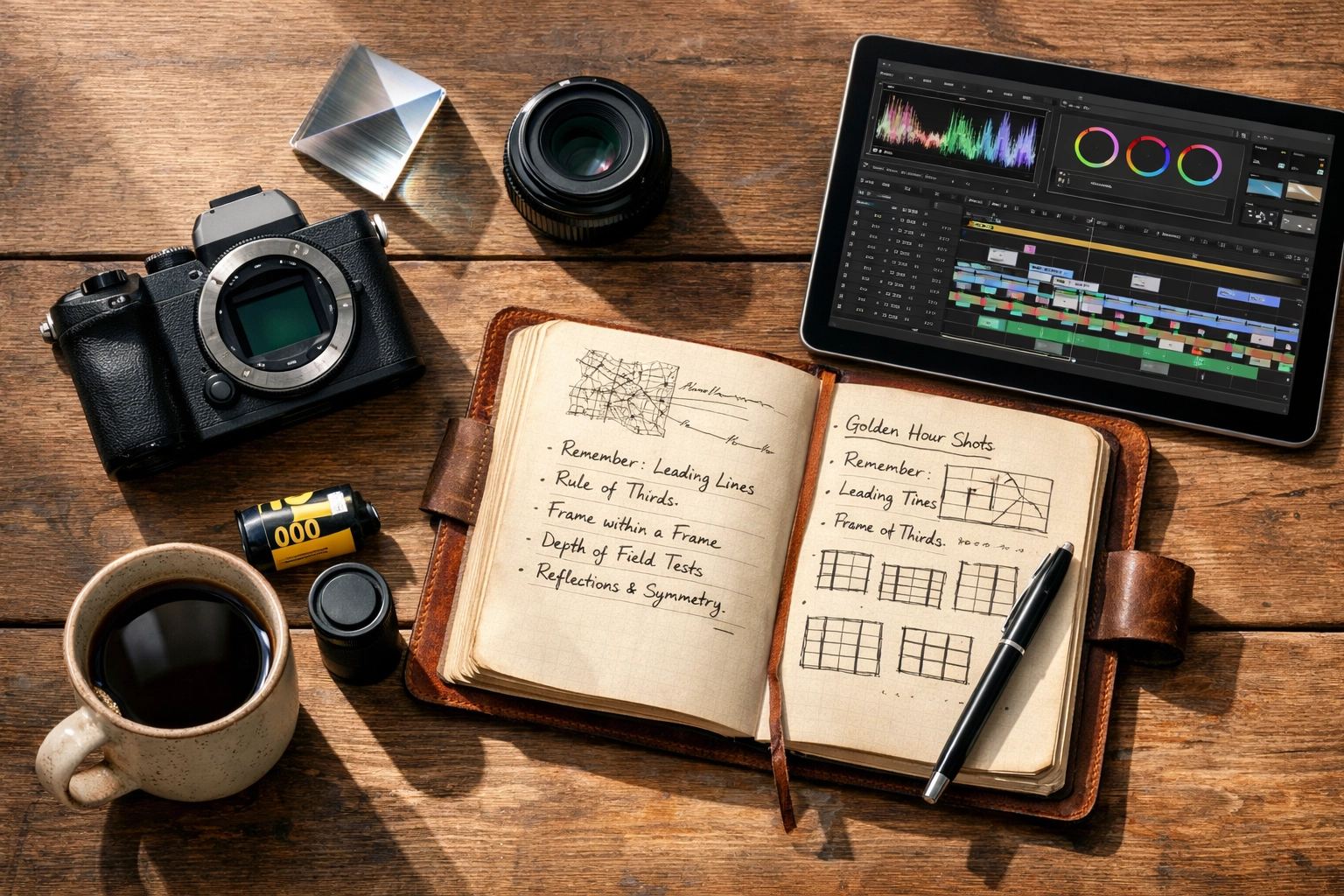
Composition is where most photographers either win or lose. In 2026, we’re seeing a move toward "uncomfortable" perspectives. Think about the tilting the streets of San Francisco series. By simply changing the camera angle to match the slope of the hill, you create a gravity-defying illusion that messes with the viewer's brain. That’s the kind of creativity that stands out in a crowded feed.
Key Composition Trends for 2026:
- Minimalism: Less is still more. Use negative space to give your subject room to breathe. Check out The Mountains by Martin Peintner for a masterclass in clean, powerful landscapes.
- Reflections: Whether it’s a puddle on a city street or a mountain lake, reflections add a layer of symmetry and depth. Khalil Morcos’ reflections show exactly how to use this technique to double the impact of a single frame.
- Natural Energy Fields: Capturing the "vibe" of a place through light and movement. Look into natural energy fields to see how photographers are visualizing the invisible.
Lighting: The Make-or-Break Factor
You can have a $10,000 camera, but if your light is flat and boring, your photo will be too. 2026 is the year of "Emotional Lighting." We aren't just looking for "bright" anymore; we’re looking for shadows that tell a story.
Mastering daybreak photography is a rite of passage. That transition from blue hour to golden hour offers a palette you just can't replicate in a studio. If you want to see how natural light can transform a landscape, look at Olympic National Park by Mark Rogers. The way the light hits the moss and the mist is pure magic.
For those who prefer controlled environments, off-camera flash techniques have become much simpler thanks to AI-assisted triggers. But before you buy a bag full of strobes, spend a month just watching how sunlight moves through your living room.
The Gear News: What’s Actually Worth Your Money?
Gear acquisition syndrome is real, but in 2026, the best gear is the gear that stays out of your way. We’re seeing a huge divide in the market.
On one hand, you have the ultra-tech hybrids like the Panasonic Lumix DMC-CM1, which blurs the line between a high-end camera and a smartphone. On the other, the "throw and shoot" movement is gaining steam with cameras like Lily, making aerial photography accessible to everyone without needing a pilot's license.
If you’re a DSLR or mirrorless purist, lenses are where you should invest. The Sigma 24mm f1.4 DG HSM Art Lens remains a gold standard for wide-angle shots with creamy bokeh. And while everyone is chasing the newest sensors, the Fujifilm X-T10 is still a favorite for street photographers who want that "film look" without the processing costs.
Post-Processing: Efficiency is King
In 2026, nobody has time to spend six hours editing one photo. The trend is moving toward "smart workflows." You want a look that is consistent and professional without the headache.
Software like Luminar has changed the game by automating the tedious stuff: like sky replacement or skin retouching: so you can focus on the creative color grading. If you’re struggling to find your "look," check out ProShoot.io for professional insights on streamlining your digital darkroom.
Remember, the goal of editing isn't to fix a bad photo; it's to enhance a good one. If you find yourself spending more than 10 minutes on a single image, you probably need to go back and work on your lighting or composition in-camera.
Storytelling and Macro: The World in Detail
One of the most inspiring trends of 2026 is the focus on micro-storytelling. We’re moving beyond the big landscapes and into the tiny details of life.
Take a look at how Anand Varma captured the first 21 days of a bee's life. It’s not just a video; it’s a narrative. It uses macro photography to pull us into a world we usually step over.
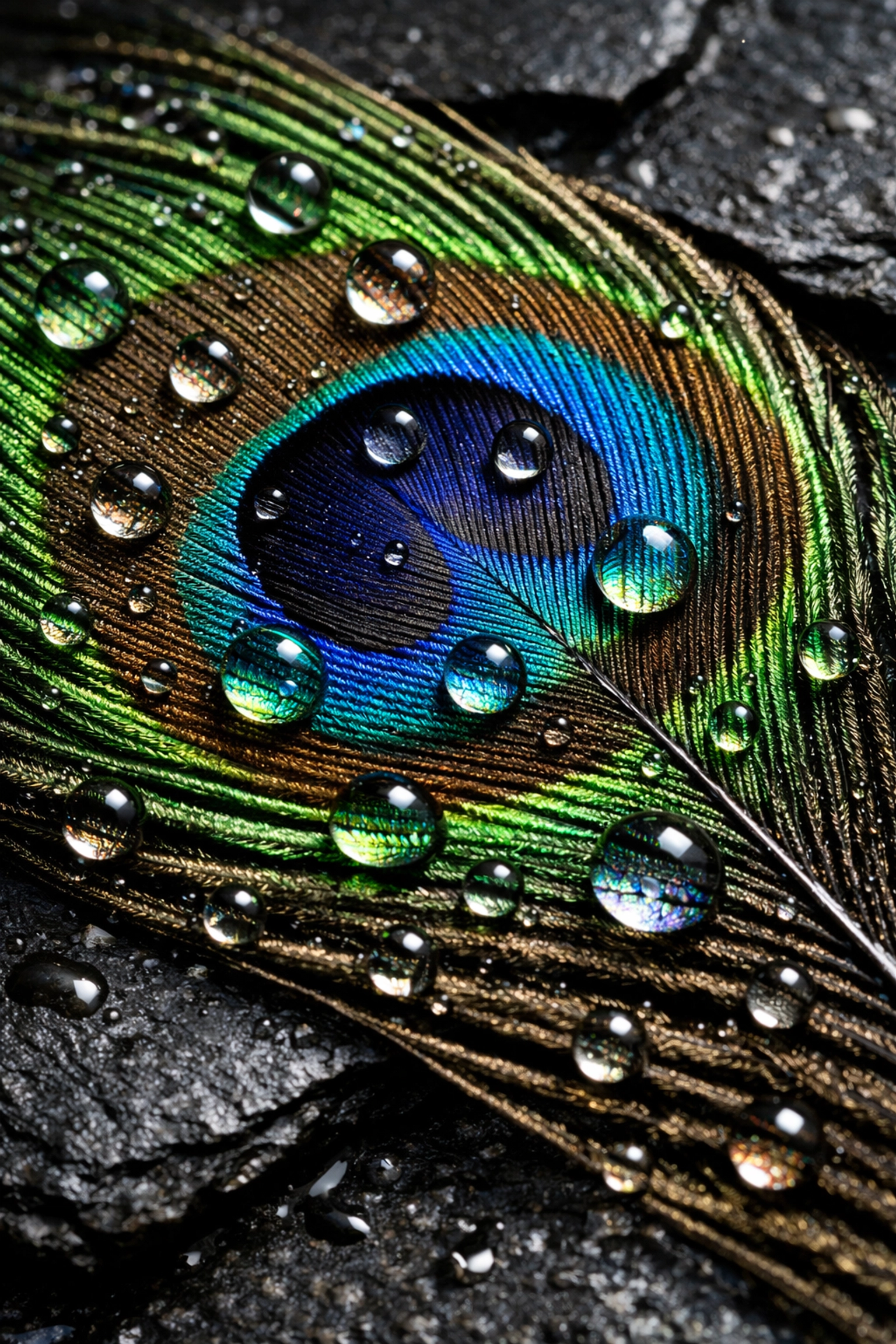
Macro isn't just for insects, though. It’s about finding the extraordinary in the ordinary. Yali Streber’s "Dalia" is a perfect example of how texture and color in a simple floral shot can be just as compelling as a sweeping vista.
Travel Photography: Beyond the Tourist Shots
Everyone goes to the same spots and takes the same photos. In 2026, the trend is "The Road Less Traveled." Literally.
Planning is half the battle. If you’re eyeing a trip, knowing the best time for USA road trips is crucial. You don't want to be fighting crowds or bad weather when you’re trying to capture the perfect shot of the Road to the Milky Way.
When you travel, try to capture the soul of the place through its people. The Portraits from a Kingdom series shows how powerful environmental portraiture can be. Instead of just a sunset, show us who lives there. Show us the hands that work the land, like in the Harshad Dhapa features.
For more inspiration on travel and fine art, browse the collections at Edin Fine Art or see how commercial projects come together at Edin Studios.
The 2026 Photography Checklist
To wrap things up, here’s what you should be focusing on this year if you want to stay ahead of the curve:
- Intentionality over Quantity: Stop spraying and praying. Take one meaningful photo instead of a hundred "maybe" shots.
- Hybrid Skills: Learn how to capture high-quality video alongside your stills. The market demands both.
- Analog Appreciation: Even if you shoot digital, study film. The constraints of 24 or 36 exposures will teach you more about photography than a 1TB memory card ever will.
- Niche Down: Whether it’s Balchik photography or astrophotography, find a niche and own it.
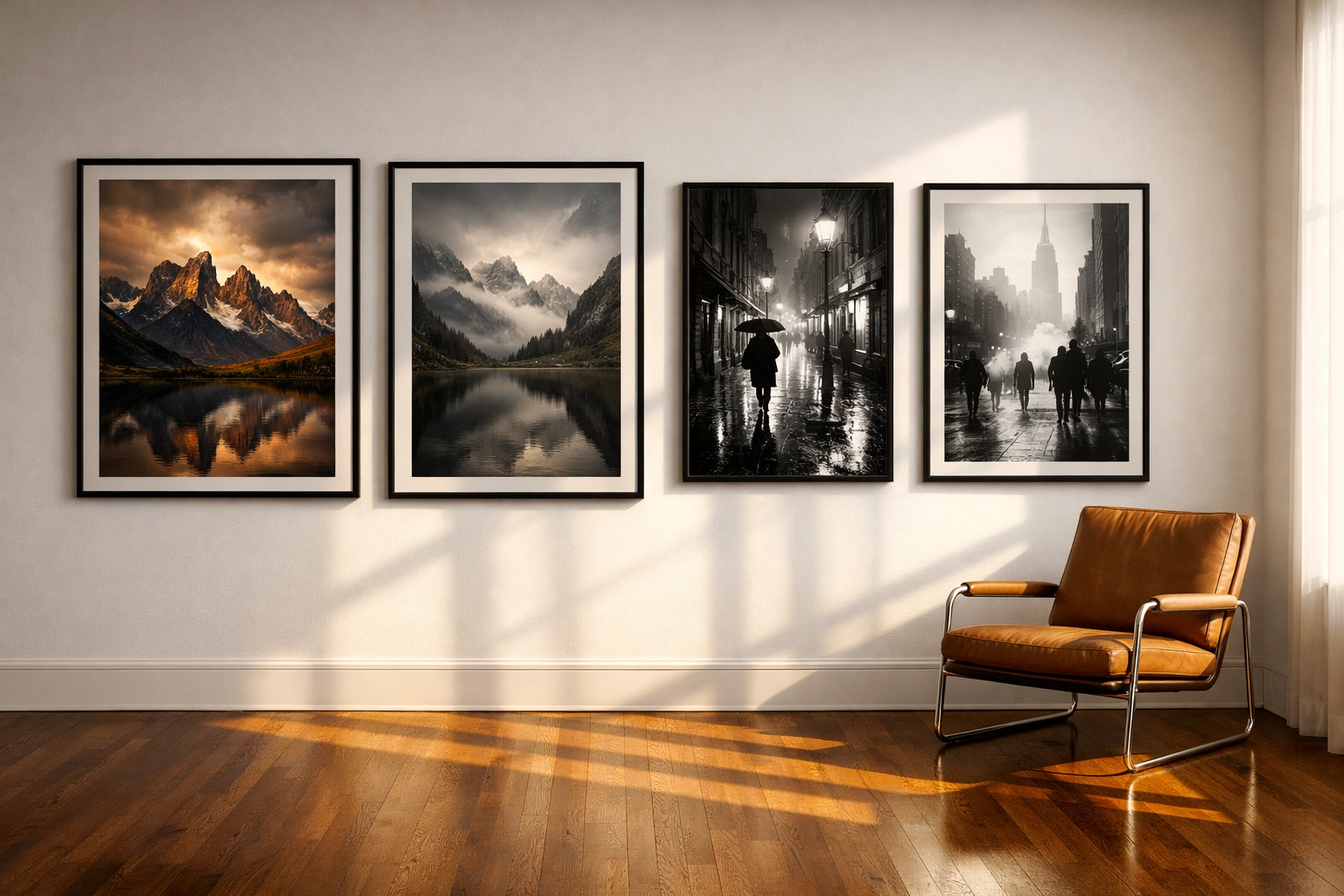
- Print Your Work: In a digital world, a physical print is a statement. Check out blog.edinchavez.com for tips on how to turn your digital files into gallery-worthy art.
Final Thoughts on the Future
The "latest tips" for 2026 aren't really that new. They are modern takes on timeless principles. The technology might get faster, the AI might get smarter, and the cameras might get smaller, but the human eye is still the most important piece of gear you own.
Keep your eyes open, stay curious, and most importantly, keep shooting. Whether you’re following the work of Todd Lambert or exploring the world of Arefin Shihab, use the inspiration around you to fuel your own unique vision.
The world doesn't need another "perfect" photo. It needs a photo that only you can take. Now, go out there and shut your aperture (at the right time, of course).