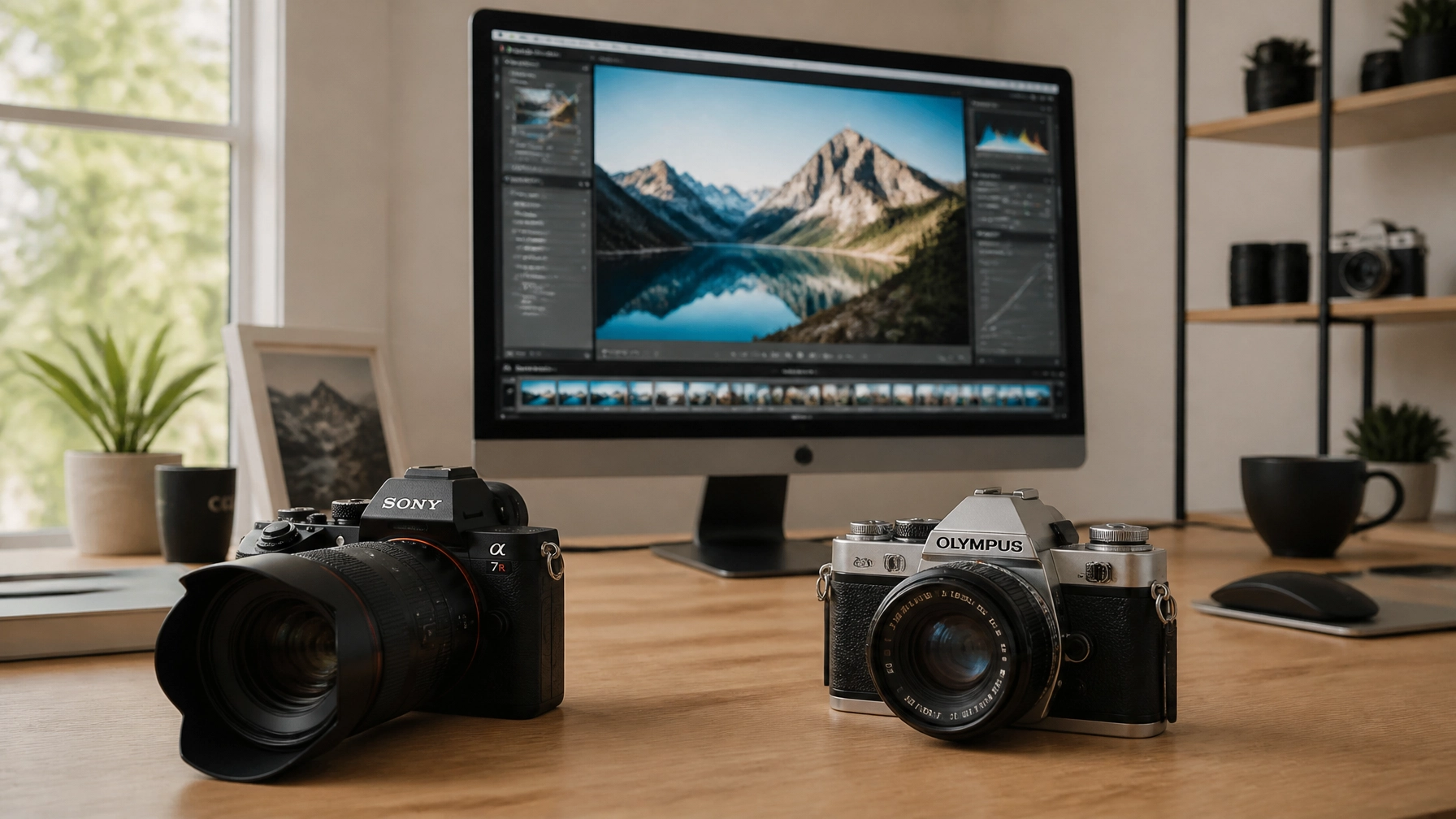
If you have a camera in your hand in 2026, you are living in a wild, beautiful time for photography. Whether you are just starting out and wondering what the heck an "F-stop" is, or you’re a seasoned pro trying to figure out if AI is going to take your job (spoiler: it’s not, if you use it right), staying ahead of the curve is essential. This guide is your one-stop shop for the latest photography news, deep-dive tutorials, and the gear trends that actually matter right now.
We are moving away from the "over-edited" look of the early 2020s and leaning into authenticity, documentary storytelling, and a weirdly awesome hybrid of analog soul and digital power. If you want to master your craft and keep your portfolio fresh, you need to understand where the industry is heading.
The State of Photography in 2026: What’s New?
The news cycle in the photography world is moving faster than a shutter at 1/8000th of a second. The biggest shift we’ve seen recently isn't just about megapixels; it's about the "soul" of the image.
The Return of Authenticity
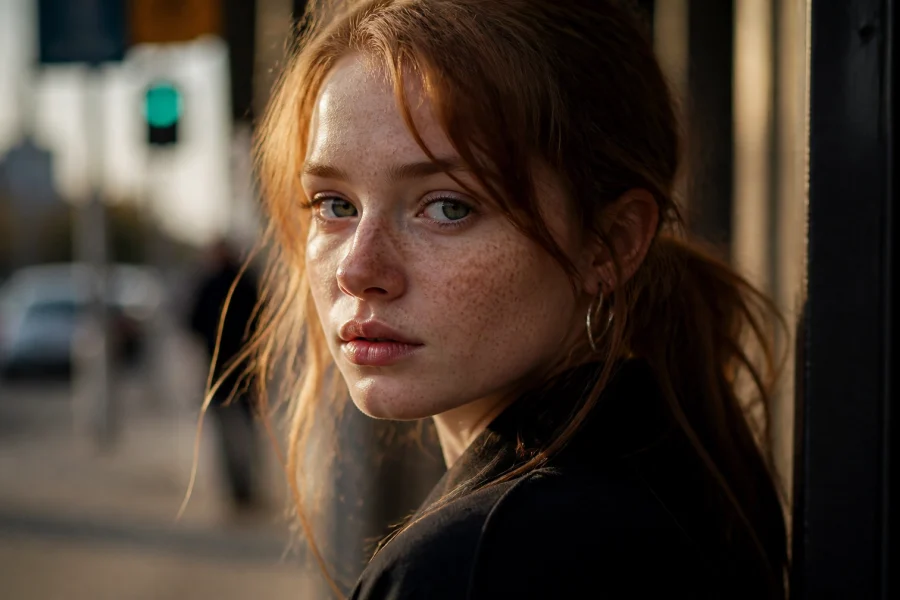
For years, we chased perfection. We wanted skin so smooth it looked like plastic and skies so blue they looked like they were from an alien planet. In 2026, that’s out. The trend now is "True-to-Life" color and documentary-style storytelling. People want to see the mess, the motion blur, and the raw emotion. This is especially true in wedding and portrait photography, where photographers are ditching the stiff poses for candid, imperfect moments that feel real.
AI is Your New Best Friend (Not Your Replacement)
Let’s address the elephant in the room: Artificial Intelligence. By now, AI has been integrated into almost every part of our workflow. It’s not about generating fake images; it’s about culling 2,000 wedding photos in ten minutes or removing a stray power line with a single click. Tools like Luminar have pioneered this, making complex edits accessible to everyone. The pros who are winning right now are the ones who use AI to handle the grunt work, leaving them more time to focus on the creative vision.
The Gear Landscape
While Canon and Sony continue to iterate on their flagship bodies, the real news is in the "compact revival." We’re seeing a massive surge in high-end compact cameras. People are tired of lugging around giant bags and are opting for smaller, discrete tools that don't sacrifice quality. Additionally, third-party lenses from brands like Sigma and Tamron are no longer the "budget" option, they are often outperforming the native glass at a fraction of the cost.

Step 1: Mastering the Fundamentals (For the Beginners)
If you’re just starting, the technical side of photography can feel like learning a foreign language. But once you speak "Camera," the world opens up. The first thing you need to master is the Exposure Triangle.
The Exposure Triangle
Every photo you take is a balance of three things:
- Aperture: How wide the lens opens. Think of it like the pupil of your eye. A wide aperture (low number like f/1.8) lets in more light and gives you that blurry background everyone loves.
- Shutter Speed: How long the sensor is exposed to light. Fast speeds freeze motion; slow speeds create that silky water effect.
- ISO: Your camera's sensitivity to light. Lower is cleaner; higher lets you shoot in the dark but adds "noise" or grain.
The goal is to balance these three to get the "correct" exposure. If you want to stop guessing, check out our easy guide to using manual mode. It’s the fastest way to take control of your creative output.
Seeing the Light
Photography literally means "writing with light." You can have a $10,000 camera, but if you don't understand how light works, your photos will be flat. Start by looking for "Golden Hour", that hour just after sunrise or before sunset when the light is soft and warm. If you’re shooting indoors, learn how to use a window as a giant, free softbox. For more specialized tips on using light in different scenarios, you can find a wealth of knowledge over at PhotoGuides.org.
Step 2: Leveling Up Your Composition
Once you can get a clean exposure, it’s time to work on the "art" side of things. Composition is how you arrange the elements in your frame.
Beyond the Rule of Thirds
The Rule of Thirds is great, but don't get stuck there. In 2026, we are seeing a lot of "Negative Space" and "Leading Lines" used in minimalist ways.
- Negative Space: Leave a large part of the frame empty to emphasize your subject. It creates a sense of calm and focus.
- Foreground Interest: Especially in landscape photography, putting something interesting close to the lens gives the photo depth.
If you're looking to refine your eye for landscapes specifically, our 5 steps to master landscape photography guide is a must-read.

Step 3: The Modern Editing Workflow
Editing is where your personal style is born. It’s the "darkroom" of the digital age. But in 2026, the workflow has changed.
The Power of Presets and AI
You don't need to spend hours on a single photo anymore. High-quality presets can give you a consistent base to work from. For example, if you’re into real estate, using a specific HDR preset workflow can save you days of work.
When it comes to the heavy lifting, software like Luminar allows you to perform sky replacements, skin retouching, and lighting adjustments using AI that actually looks natural. The key is to keep it subtle. You want people to say "Wow, what a great photo," not "Wow, what a great edit."
Cinematic Color Grading
There’s a reason movies look "better" than home videos: it’s the color grading. You can recreate this look in your own work by playing with the HSL (Hue, Saturation, Luminance) sliders and split-toning. Adding a bit of teal to the shadows and orange to the highlights is a classic for a reason, but try experimenting with more muted, earth-toned palettes for that modern 2026 vibe. Learn how to create cinematic photos to really make your portfolio pop.
Step 4: Specializing and Finding Your Niche
As you move from amateur to pro, you need to find where you fit. The photography market is crowded, so specialization is your best friend.
Product and Commercial Photography
With the explosion of e-commerce, the demand for high-quality product shots is higher than ever. If you're a Sony user, getting your Sony a7 IV settings dialed in for products can make a massive difference in your sharpness and color accuracy.
Wedding and Event Photography
Weddings in 2026 are all about the documentary feel. Couples want the "in-between" moments. But you still need to nail the details. Knowing how to photograph wedding details like rings and decor is what separates the pros from the hobbyists. It requires a different set of skills and a lot of patience.
Real Estate Photography
This remains one of the most consistent ways to make money as a photographer. It’s technical and requires a fast turnaround. You’ll need the right camera settings for real estate and a solid editing system to handle the high dynamic range of bright windows and dark interiors.

Step 5: The Pro Track – Business and Ethics
Taking great photos is only 20% of being a professional photographer. The rest is business, marketing, and navigating the new ethics of the industry.
AI Disclosure and Trust
In an era where AI can create a "photo" of a person who doesn't exist, your value as a human photographer is your authenticity. Many pros are now including "AI Disclosure" clauses in their contracts, stating exactly how AI was used (e.g., for retouching but not for generating content). This builds trust with your clients. They aren't just paying for a file; they’re paying for your perspective.
Tangible Deliverables: Prints and Albums
Digital fatigue is real. In 2026, we’ve seen a massive comeback in physical prints and high-end albums. Offering these as part of your packages not only increases your revenue but also ensures your work lives on somewhere other than a hard drive that will eventually fail. For more business-related insights, I often check out blog.edinchavez.com to see how other pros are scaling their work.
Networking and Community
You can't grow in a vacuum. Surround yourself with other creatives. Whether it's through online forums or local meetups, the connections you make will lead to more opportunities than any Instagram ad ever could. If you're looking for structured mentorship and advanced techniques, the Shut Your Aperture Academy is the place to be.
Advanced Techniques to Master This Year
If you've already got the basics down, it's time to push your boundaries. Here are three advanced techniques that are trending in 2026.
1. Intentional Motion Blur
Using a slightly slower shutter speed while moving the camera (or having the subject move) can create a sense of energy that a sharp photo just can't match. This is huge in fashion and street photography right now. It conveys a "vibe" rather than just a static moment.
2. Mixed Lighting Scenarios
Stop running away from "bad" light. Learning how to balance the cool light of a window with the warm light of an indoor lamp: or adding a pop of flash to match: is a pro-level skill. If you need help with this, look up some portrait lighting setups to see how the pros map out their shoots.
3. Hyper-Realistic Composite Work
Composites used to look like bad Photoshop jobs. Today, with better masking tools and a better understanding of perspective, you can blend multiple exposures to create an "impossible" scene that looks 100% real. This is particularly popular in commercial car photography and high-end architecture.

Staying Inspired and Informed
The moment you think you know everything is the moment your work starts to get stale. The best photographers are permanent students.
Keep an eye on the big news outlets, but also follow the niche blogs that focus on the "why" rather than just the "what." The industry is shifting toward more inclusive and ethical practices, and being aware of these cultural shifts will make your work more relevant to a modern audience.
If you’re ever feeling stuck, go back to the basics. Pick up a camera with a single prime lens (like a 35mm or 50mm) and go for a walk. No zoom, no fancy lights, just you and the frame. Usually, that’s all it takes to find the spark again.
For more hands-on tutorials and the latest industry updates, make sure to visit learn.shutyouraperture.com and join our community of aspiring and professional photographers. We are all in this together, trying to capture the world one frame at a time.
Photography isn't just about the gear or the settings; it's about how you see the world. So, shut your aperture, open your eyes, and go create something that only you can see.