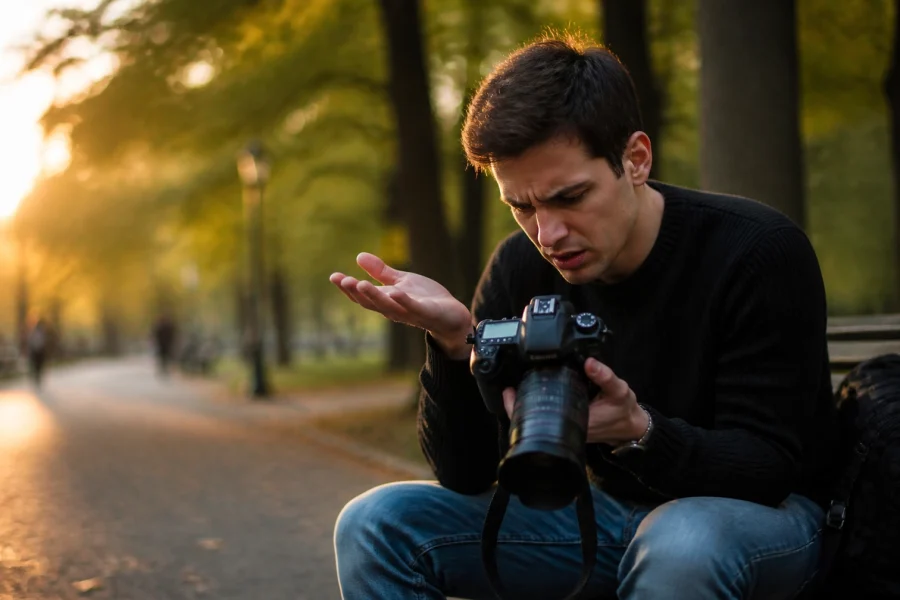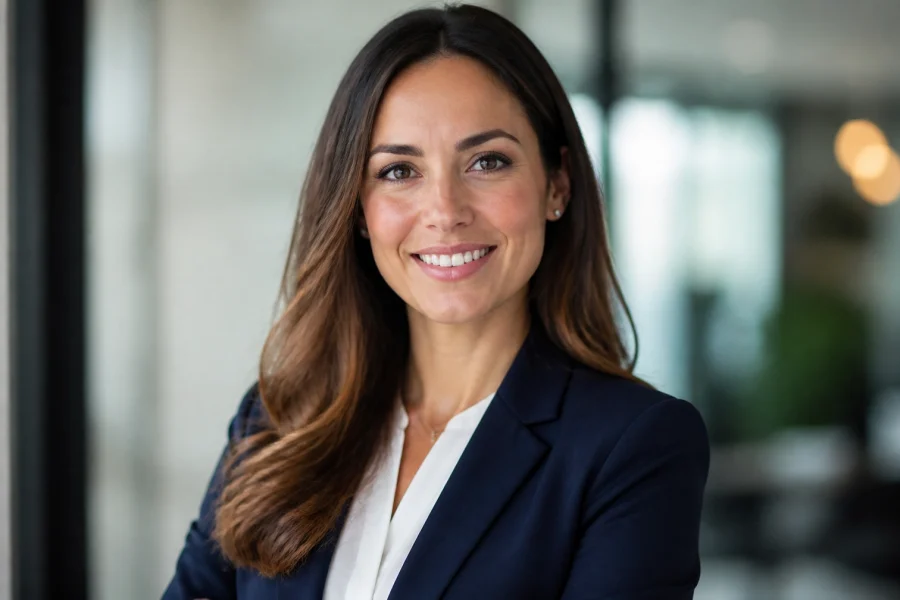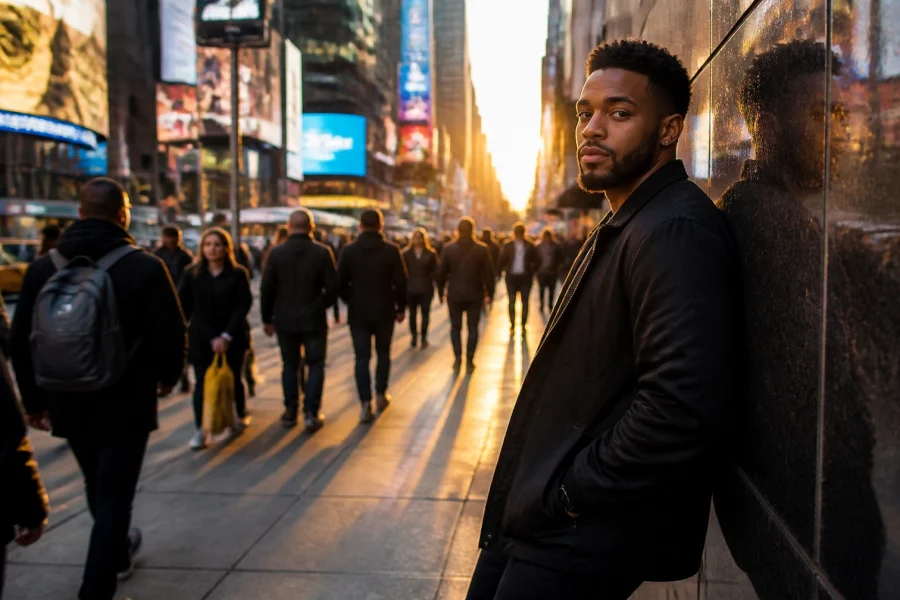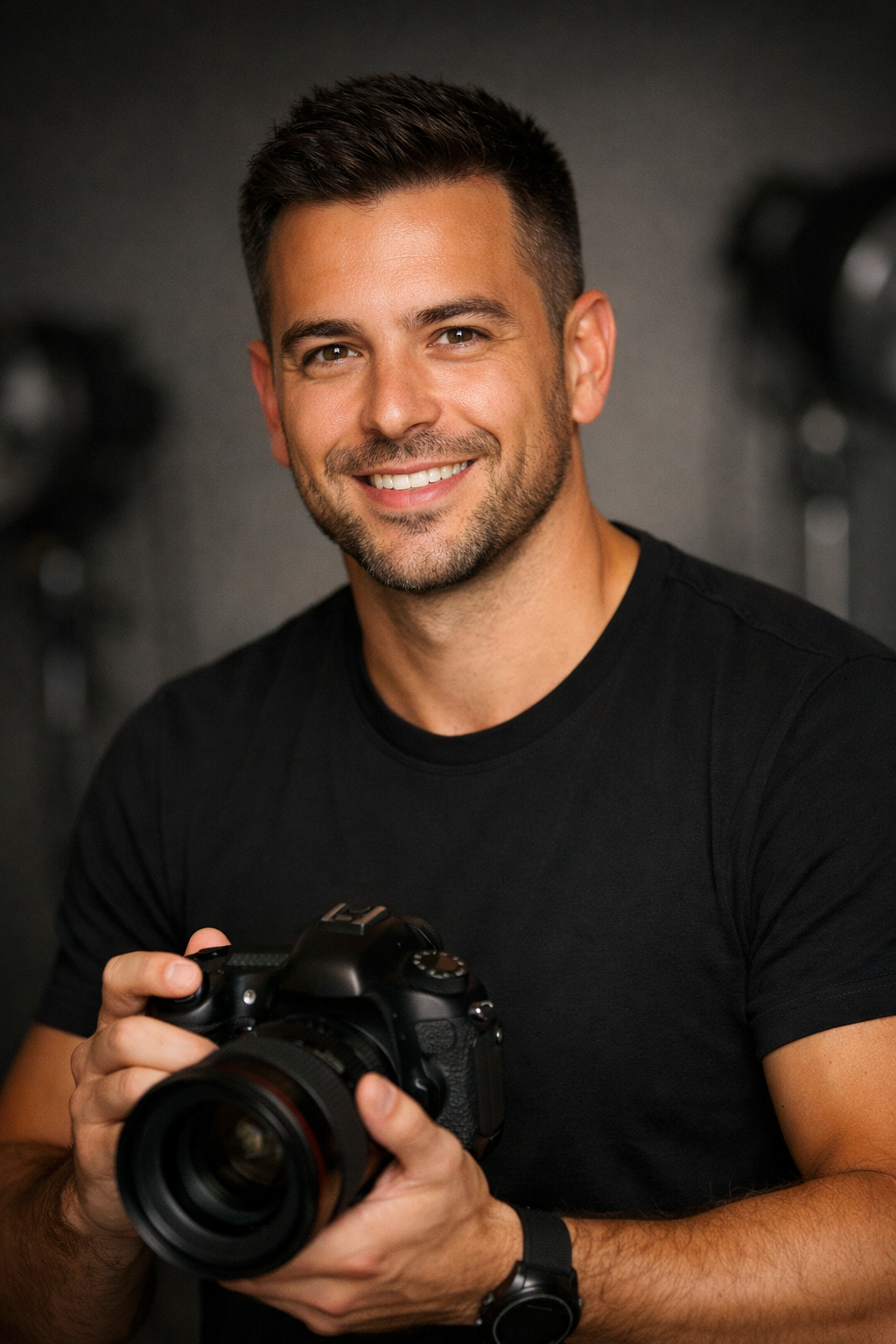
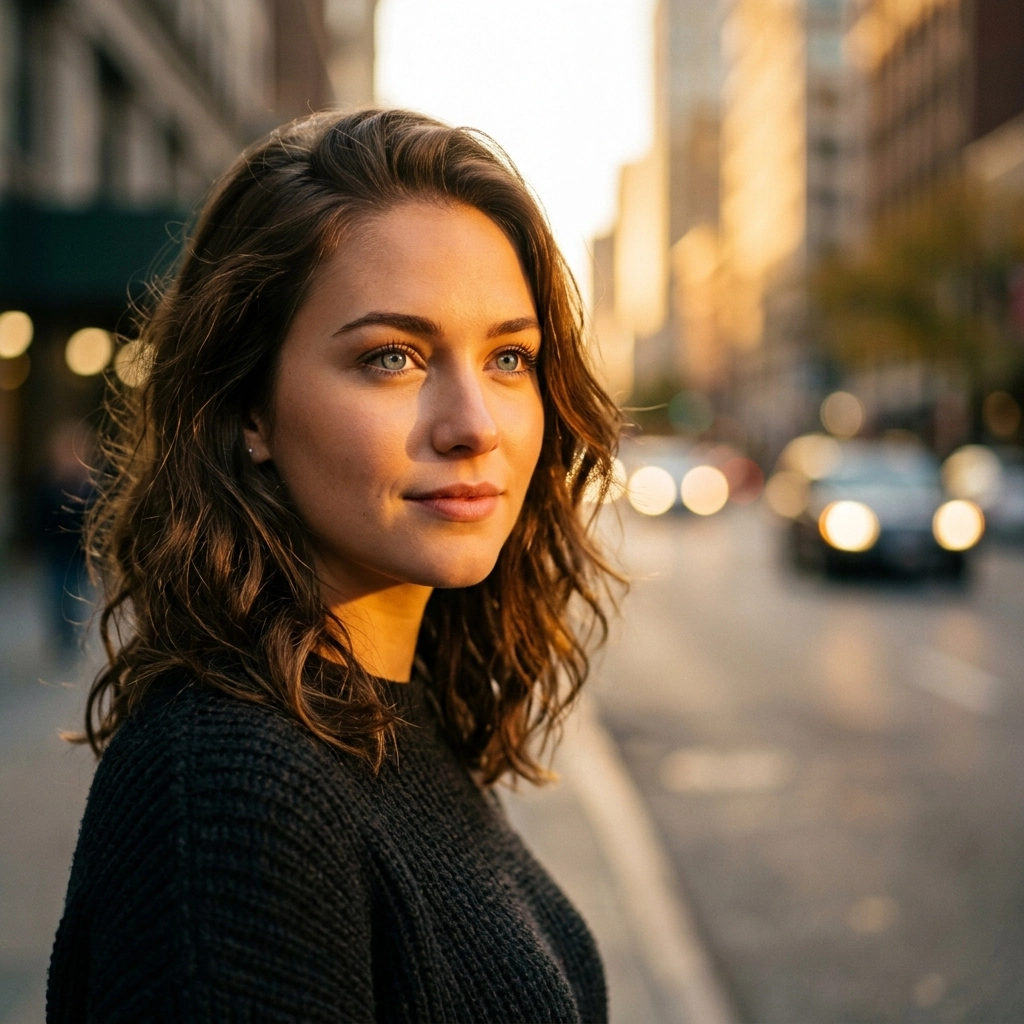
Let’s be honest: taking a photo of a person is easy. Point, click, done. But taking a portrait? That’s a whole different ball game. A great portrait doesn’t just show what someone looks like; it tells you who they are, or at least, who they are in that exact millisecond.
If you’ve been stuck in a rut lately, shooting the same headshots against the same blurry trees, it’s time to shake things up. Whether you are a seasoned pro or just picked up your first mirrorless camera, the key to staying inspired is experimentation.
At Shut Your Aperture, we believe photography should be fun, not just a set of rigid rules. I sat down with Sonny, our social media manager, to talk about what’s trending right now, and we agreed that the most engaged-with photos are the ones that break the mold. So, if you see some of these ideas popping up on our Instagram feed, you’ll know where they came from.
Here are 20 creative portrait photography techniques to get your creative juices flowing.
1. Diffuse Your Light Source
Lighting is the bread and butter of photography. Harsh sunlight creates "raccoon eyes" and unflattering shadows. To fix this, use a diffuser. If you’re in a studio, a softbox is your best friend. If you’re outside, wait for a cloudy day, nature’s giant softbox. Diffused light smooths out skin tones and creates a gentle transition between light and shadow. It’s the easiest way to make your subject look like a million bucks.
2. Play with Light and Shadows
Once you’ve mastered soft light, it’s time to get a little edgy. Literally. Use blinds, plants, or even a colander (yes, the thing you drain pasta with) to cast interesting shadows across your subject’s face. This technique, often called "chiaroscuro," adds a layer of mystery and depth. It turns a simple face into a piece of geometric art.
3. High-Key and Overexposed Portraits
Sometimes, more is more. High-key photography involves overexposing the image slightly to eliminate most shadows. This creates a clean, ethereal, and upbeat vibe. It’s a popular look for high-end fashion and beauty shots because it makes the skin look flawless. For more tips on mastering exposure, check out some of our photography guides.
4. Dramatic Cinematic Lighting
If high-key is the "hero" look, cinematic lighting is the "anti-hero." Think of your favorite film noir. Use one strong light source from the side (rim lighting) to highlight the silhouette or just one side of the face. This creates a high-contrast, moody atmosphere that feels like a still from a movie.
5. Catch Those Lens Flares
Usually, photographers try to avoid lens flare. But rules are meant to be broken. Remove your lens hood, position your subject so the sun is behind them, and let that light spill into your lens. It creates a dreamy, nostalgic, and warm feeling that’s perfect for golden hour sessions. If you're looking for the best gear to handle these tricky lighting situations, keep an eye on our photography news updates.
6. The Power of Window Light
You don’t need a fancy studio to take world-class portraits. A simple window can be the most beautiful light source you’ll ever find. The directional light from a window creates a natural " Rembrandt" lighting pattern on the face. It’s classic, it’s free, and it never goes out of style.
7. Extreme Close-Up Shots
Sometimes, the most interesting thing about a person isn’t their whole face: it’s a single feature. Get close. Real close. Focus on the texture of an iris, the curve of a lip, or the pattern of freckles across a nose. These shots feel incredibly intimate and force the viewer to look at the human body in a new way.
8. Switch Up Your Angles
If you’re always shooting from eye level, your photos will look like everyone else’s. Get down on the ground and shoot up to make your subject look powerful and heroic. Or, grab a ladder and shoot from above for a more vulnerable, delicate perspective. Changing your height by just two feet can completely change the story of the photo.
9. Partially Hide the Face
Mystery is a powerful tool. Try obscuring part of your subject’s face with their hands, a piece of fabric, or a prop like a flower. This forces the viewer to fill in the blanks with their imagination. It’s a great way to create a "fine art" feel in your portraiture. For more inspiration on artistic photography, you can browse Edin Fine Art.
10. Reflections and Mirrors
Mirrors aren’t just for selfies. Use them to show two sides of a person, literally. You can use a large wall mirror for a classic look or small, handheld mirror shards for something more abstract and fragmented. Reflections in windows or puddles can also add a surreal, layered quality to your work.
11. Double Exposure
This is an old-school film trick that has found a second life in the digital world. Layer a portrait over a landscape or a texture. It’s a visual representation of what a person might be thinking or feeling. If you’re not sure how to do this in-camera, most modern editing software makes it a breeze.
12. Experiment with Prisms
Want to add some "magic" to your shots without using Photoshop? Hold a glass prism or even a chandelier crystal in front of your lens. It will catch the light and create rainbows, blurs, and reflections that frame your subject. It’s an easy way to get that "dreamy" look that Sonny loves to share on our social channels.
13. Use a Projector
This is one of the coolest modern portrait techniques. Project an image, a pattern, or even text onto your subject’s body. The light wraps around their features, creating a 3D effect that is absolutely stunning. It’s a great way to combine digital art with traditional photography.
14. Create a Series (Diptychs and Triptychs)
Sometimes, one photo isn’t enough to tell the story. Try taking a series of shots: perhaps three different expressions or three different angles: and displaying them together. This "triptych" format allows you to show the passage of time or the complexity of a personality.
15. Emphasize a Single Color
Monochrome doesn't just mean black and white. Try a "color monochrome" shot. Have your subject wear blue, stand in front of a blue wall, and hold a blue prop. This creates a very graphic, modern look that pops off the screen. If the colors aren't quite right in-camera, you can easily fine-tune them using Luminar.
16. Use Vibrant, Contrasting Colors
On the flip side, you can use the color wheel to create tension. Put a subject in a bright yellow dress against a deep purple background. These complementary colors create a visual "vibration" that is incredibly eye-catching.
17. Bold Makeup and Styling
Photography is a collaborative art. Work with a makeup artist to create something theatrical. Glitter, neon paints, or avant-garde hair styling can turn a standard portrait into a high-fashion editorial piece. Don't be afraid to go "too far": you can always dial it back, but the best shots usually come from pushing boundaries.
18. The Timelessness of Black and White
When you strip away color, you’re left with the essentials: light, shape, and emotion. Black and white photography is perfect for emphasizing texture: the wrinkles in an elderly man’s face or the softness of a child’s skin. It’s the ultimate "honest" photography.
19. Long-Exposure Motion Blur
Who says a portrait has to be sharp? Use a slower shutter speed and have your subject move their head or hands. The resulting blur creates a sense of ghostliness or frantic energy. It’s a great way to represent movement or the feeling of being overwhelmed.
20. Environmental Portraits
Don’t just shoot a face; shoot a life. Take your subject to a place that means something to them: their workshop, their messy kitchen, or their favorite park. Including the environment provides context and tells a much deeper story than a blank studio backdrop ever could. For more ideas on how to capture the world around you, visit Edin Chavez's blog.
Perfecting the Look in Post-Processing
Once you’ve captured your creative portraits, the work isn't quite done. Post-processing is where you can really lean into the "vibe" you’ve created. Whether you’re boosting the contrast of a cinematic shot or softening the glow of a high-key portrait, having the right tools is essential.
I personally recommend trying out Luminar. Its AI-powered tools like "Skin AI" and "Portrait Enhancer" allow you to make professional adjustments in seconds, rather than hours. It’s great for when you want to focus more on the creative side of things and less on the tedious clicking.
Wrapping Up
Portrait photography is a journey, not a destination. You’re going to take some bad photos: everyone does. But every "bad" photo is just a step toward a great one. The most important thing is to keep clicking and keep trying things that make you a little nervous.
If you enjoyed these tips, make sure to follow us on social media. Sonny is always posting behind-the-scenes content and new challenges to keep our community of photographers engaged. We’d love to see what you create using these techniques!
For more tutorials and gear reviews, feel free to explore our latest posts and stay tuned for our next deep dive into the world of photography. Keep your shutter speed high and your creative spirit higher!
Skylum’s Aperty is purpose-built for portrait retouching with AI skin, eye and detail enhancement. Luminar Neo’s Portrait AI complements it for full-body and editorial work. Tagged as affiliate per FTC.