If aperture still feels fuzzy, start with our deep-dive aperture photography guide — it covers everything from f-stop math to bokeh control.
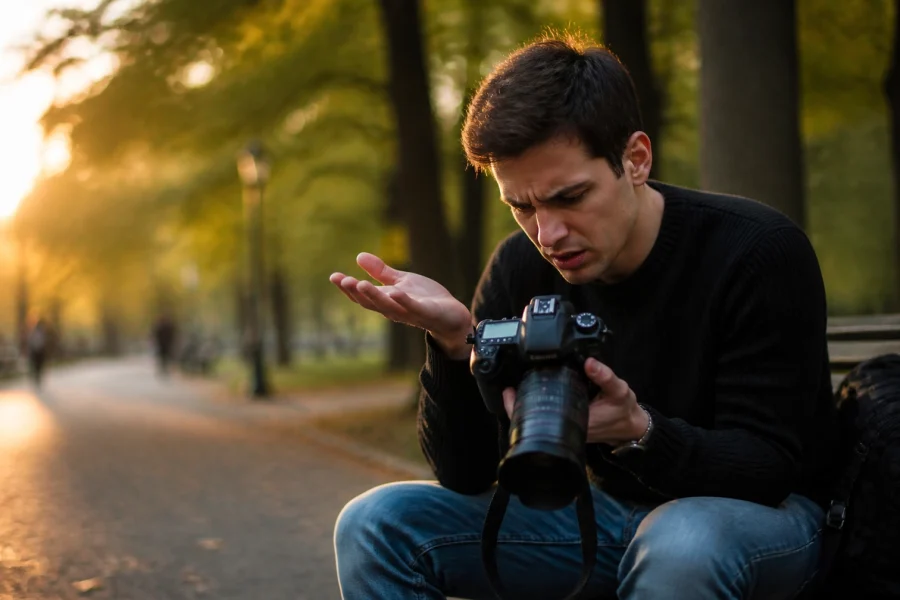
We’ve all been there. You grab your camera, head out to your favorite corner of the city, and… nothing. The magic is gone. The streets that once felt like a goldmine of stories now look like gray slabs of concrete and predictable crowds. You feel like you’ve taken the same photo of a guy on a bench a thousand times. Creative burnout is the silent killer of many great portfolios, but it doesn’t have to be the end of yours.
The truth is, street photography isn’t just about being in the right place at the right time; it’s about training your eyes to see the extraordinary in the mundane. Sometimes, you just need a little nudge: a spark to set your brain on fire again. That’s why I’ve put together this massive list of over 50 street photography ideas to help you break out of your rut and start seeing the world through a fresh lens.
Whether you’re shooting with a high-end Leica or just getting started with AI-powered mirrorless tech, these ideas will give you a reason to get back out there.
The Technical Playground: Light and Shadow
Street photography is, at its core, a dance with light. If you’re feeling uninspired, stop looking for "subjects" and start looking for light.
- Hard Light Portraits: Go out at high noon. Find those harsh shafts of sunlight between skyscrapers. Wait for a person to walk into that spotlight while the rest of the scene remains in deep shadow.
- Silhouettes at Crossings: Find a backlit scene: a subway exit or a bridge at sunset. Expose for the highlights and capture the dark, graphic shapes of people moving across the frame.
- Shadow-Only Compositions: Forget the person. Photograph their shadow on a wall or the pavement. It’s mysterious, minimalist, and forces you to think about shape rather than identity.
- Reflections in Shop Windows: This is a classic for a reason. Layer the world inside the store with the world behind you. It creates a dreamlike, double-exposure effect in a single shot.
- Puddle Reflections: After a rainstorm, the city becomes a mirror. Flip your camera upside down and shoot the world reflected in a puddle. It’s one of those street photography ideas that never gets old.
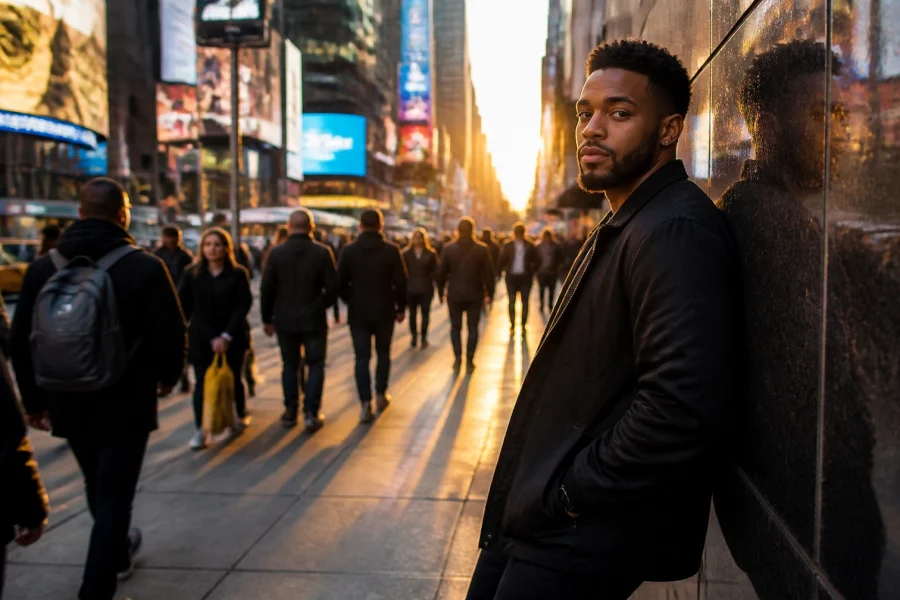
- Backlit Crowds: Position yourself so the sun is behind a crowd. The rim light on people’s hair and clothing creates a glow that feels almost angelic, even in a gritty city.
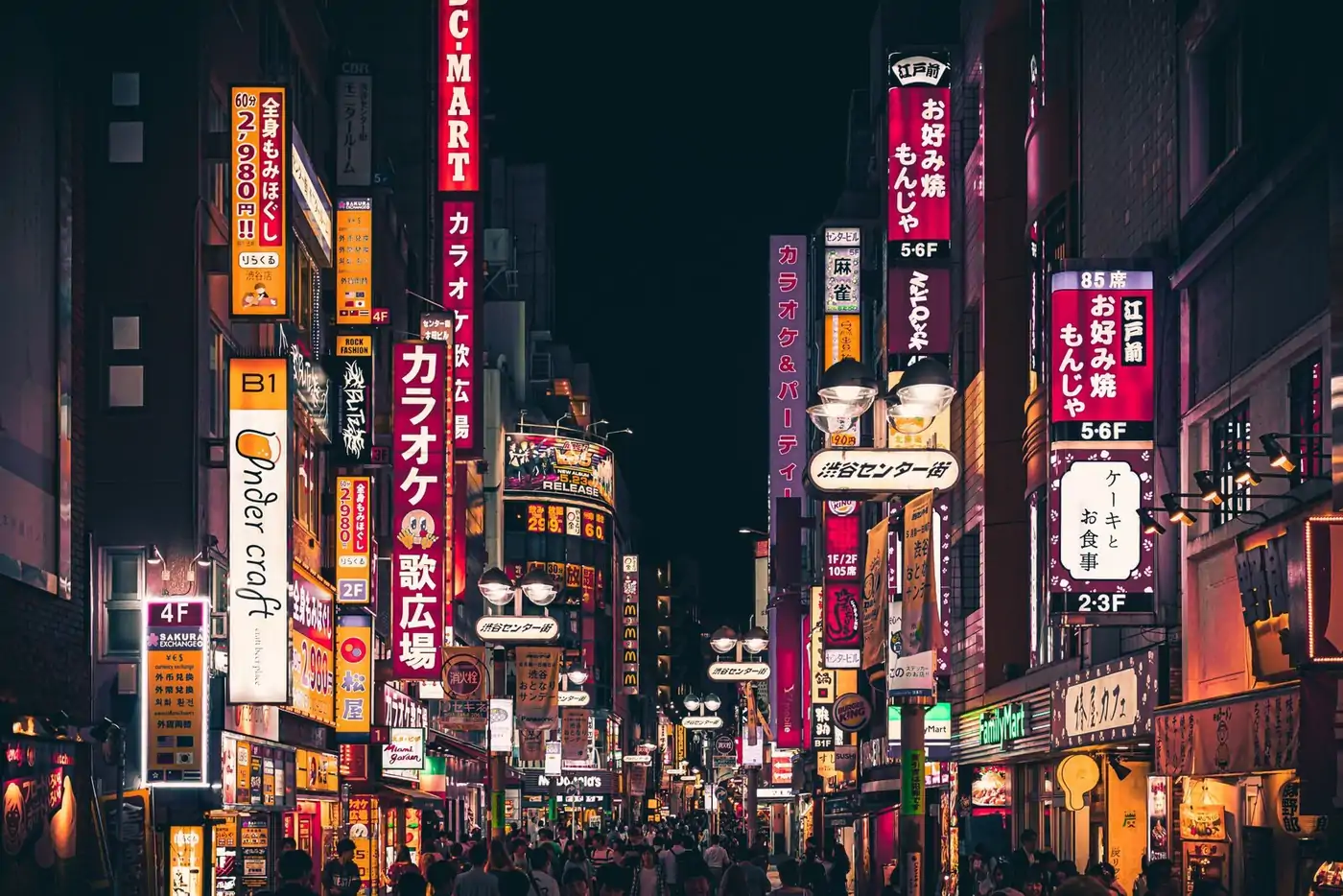
- Neon Nightscapes: Use the vibrant glow of neon signs to light your subjects. The high contrast of night photography adds immediate drama to any portfolio.
- Underpass Contrast: Overpasses and bridges create massive blocks of shadow. Use these as a "black box" to frame your subjects.
The Human Condition: Emotions and Interactions
People are the soul of the street. But instead of just taking pictures of people, try to take pictures of what they are feeling.
- Hands and Gestures: Sometimes a hand says more than a face. Focus on a hand holding a cigarette, clutching a bag, or gesturing wildly during a conversation.
- Faces in Transit: There is a specific kind of "poker face" people wear on the subway or bus. Capture that introspection.
- Pure Joy: It’s easy to shoot grit and sadness. Challenge yourself to find someone genuinely laughing or smiling. It’s harder than you think.
- Solitude in a Crowd: Find that one person who looks completely alone despite being surrounded by hundreds of people.
- Public Displays of Affection: A hug, a kiss, or just holding hands. These moments of connection are universal and powerful.
- The Morning Rush: The energy of commuters at 8:00 AM is vastly different from the energy at 5:00 PM. Document the exhaustion and the focus.
- Audience Reactions: Don’t just shoot the street performer. Shoot the faces of the people watching them. That’s where the real story is.
- Parental Care: A mother fixing her child’s hair or a father carrying a sleeping toddler. These are the soft moments in a hard city.
- Street Portraits (with Permission): If you’re shy, this is the ultimate challenge. Ask a stranger if you can take their photo. It breaks the "invisible" wall of street photography.
- The Phone Trance: Everyone is on their phone. Instead of complaining about it, document how it changes our posture and our interaction with the environment.
If you want to take your portrait game to the next level, even in a professional setting, check out these corporate headshot tips over on our main site.
Urban Geometry and Minimalist Canvas
The city is a giant puzzle of lines, squares, and circles. If people are stressing you out, focus on the architecture.
- Leading Lines: Use railings, road markings, or the edge of a building to lead the viewer’s eye directly to a subject.
- Frames Within Frames: Shoot through a doorway, a window, or even between two people to create a natural border for your subject.
- The Rule of Odds: Seek out groups of three. Three people, three poles, three windows. It’s a classic composition trick that always works.
- Minimalist Wall Studies: Find a plain, brightly colored wall and wait for one person to pass by. It’s clean, modern, and very effective for social media.
- Symmetry Hunt: Find perfectly symmetrical buildings or alleys. If you can find someone standing right in the middle, you’ve hit the jackpot.
- High-Angle Perspectives: Get high up. Shoot from a balcony or a parking garage. Seeing the street from a "bird’s eye" view changes the scale and geometry of everything.
- Low-Angle Drama: Get your camera on the ground. Photographing people from a low angle makes them look like giants against the skyline.
- Layering: Try to have something in the foreground, midground, and background. It adds depth and makes the viewer feel like they are standing in the scene.
- Texture and Grit: Focus on the textures of the city: peeling paint, rusted metal, or cracked pavement. These details tell the story of a city’s age.
Narrative and Themed Series
A single photo is great, but a series does real work for the viewer. Creating a project is one of the best ways to keep your motivation high.
- Commuter Rituals: Spend a week documenting just the things people do while waiting for the train.
- Street Food Culture: Every city has a flavor. Focus on the vendors, the steam, and the messy reality of eating on the go.
- Weather Reactions: Don't go home when it rains. The best street photography ideas come when people are struggling with umbrellas or splashing through puddles.
- Work on the Street: From construction workers to the person sweeping the sidewalk, document the labor that keeps the city running.
- Urban Animals: Dogs, cats, pigeons: they are just as much a part of the city as we are.
- The "Empty" City: Go out at 4:00 AM. What does the city look like when nobody is there? It’s eerie and beautiful.
- Transit Hubs: Stations and airports are hubs of emotion: arrivals, departures, and long waits.
- The Color Red: Or any color. Spend an entire day only taking photos where the color red is prominent. This forces you to scan the environment differently.
- Complementary Colors: Look for blue and orange, or red and green, appearing naturally in the street.
- Street Fashion: You don’t have to be a fashion photographer to appreciate personal style. Document the unique outfits you see.
- The Passing of Time: Take a photo of the exact same street corner at 8 AM, 12 PM, 4 PM, and 8 PM. Compare how the mood changes.
Constraints and Creative Challenges
Sometimes, we have too many choices. Constraints force you to be creative.
- One Lens, One Day: Stick to a 35mm or a 50mm all day. No zooming allowed. Move your feet.
- The "One Block" Challenge: Pick one city block and stay there for two hours. You’ll be surprised at what you notice when you aren't moving.
- No Faces Allowed: Try to tell a story without showing anyone’s face. Use shadows, hands, shoes, and context instead.
- Slow Shutter Motion: Set your shutter speed to 1/8th or 1/15th of a second. Let the world blur around a stationary subject.
- Shoot from the Hip: Don't look through the viewfinder. This helps you capture truly candid moments without the subject becoming self-conscious.
- The Triptych: Aim to capture three photos that tell a beginning, middle, and end of a tiny street interaction.
- Black and White Only: Turn off the color in your brain (or your camera settings). Focus entirely on contrast and form.
Post-Processing and the Final Touch
Once you’ve gathered your shots, the work isn't done. The way you edit your street photography can define your style. I’m a huge fan of using Luminar for my street edits. Its AI tools allow you to enhance those moody shadows or pop the neon colors without spending hours in front of a monitor. For a street photographer, speed is everything. You want to be back out on the street, not stuck at a desk.
If you’re looking to sharpen your technical skills even further, check out the resources at PhotoGuides.org. They have some fantastic deep dives into gear and technique that pair perfectly with the ideas we’ve discussed here.
Mastering the Craft
Street photography is a marathon, not a sprint. You will have days where you come home with nothing, and that’s okay. The key is to keep showing up. If you're serious about taking your work from "snapshots" to "gallery-ready," you should consider diving into some structured learning. At Shut Your Aperture, we believe in the power of community and education. You can find more in-depth guides and masterclasses at learn.shutyouraperture.com.
Don’t forget that the world of photography is vast. While you’re out there hunting for the perfect street shot, you might find inspiration in other genres. I often find that looking at fine art photography helps me see composition in a new way. Take a look at Edin Fine Art to see how those principles of light and shadow translate into a different medium. Or, if you want more personal insights and behind-the-scenes stories, Edin’s blog is a goldmine for working photographers.
5 more "Bonus" Ideas Just Because
- Reflections in Eyeglasses: Get close (if you dare) and see the world reflected in a stranger's sunglasses.
- Street Sign Irony: Look for juxtapositions: someone sleeping under a "Dream Big" billboard or a "No Parking" sign in the middle of a traffic jam.
- The Texture of Hands: Focus on the hands of the elderly. They tell a story of a lifetime of work.
- Silhouettes against Neon: Wait for someone to walk in front of a bright sign and capture them as a void of darkness.
- The Blur of the City: Use intentional camera movement (ICM) to turn a busy street into an abstract painting of light and color.
Why You Should Never Stop Searching
The beauty of street photography is that the "set" is always changing. Every person who walks by, every cloud that moves over the sun, and every new sign that goes up changes the possibilities. If you’re struggling for inspiration, it’s usually because you’re looking too hard for the "perfect" shot rather than just observing the life happening around you.
Remember, even the greats had dry spells. The difference is they didn't put the camera away. They used these street photography ideas to force themselves to see things differently. They experimented with Luminar to find a new look, or they went back to basics by revisiting a single corner over and over again.
Photography is about the journey. It's about the miles you walk, the people you meet (even if you never speak to them), and the way you grow as a visual storyteller. So, pick one idea from this list, grab your favorite lens, and head out the door. The street is waiting for you.
If you found this helpful and want to keep growing your skills, don’t forget to check out our full range of tutorials and tips at https://learn.shutyouraperture.com/. We’re here to help you capture the world, one frame at a time.