Let’s be honest for a second. Photography is intimidating. You buy a fancy new camera, you're all excited, you take it out of the box, and suddenly you’re staring at a hundred buttons and a menu system that looks like it was designed by a NASA engineer on a caffeine bender. Most people get frustrated, flip that dial back to "Auto," and wonder why their photos still look like they were taken with an old flip phone.
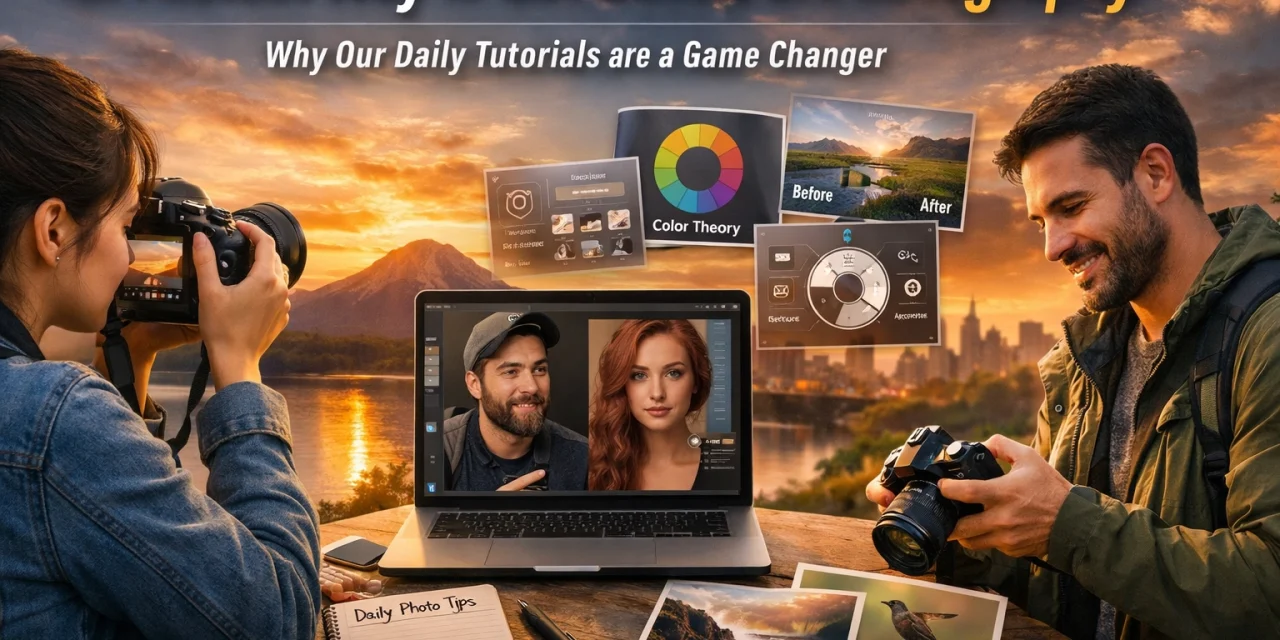
If you want to stop taking snapshots and start making art, you need a plan. You don't need a four-year degree, and you definitely don't need to spend $10,000 on gear right away. What you need is consistency. At Shut Your Aperture, we believe the fastest way to bridge the gap between "beginner" and "pro" is through bite-sized, daily photography tutorials that focus on deliberate practice.
Here is why daily learning is the ultimate game changer and how you can master your craft starting today.
Why Daily Learning Beats Binge-Watching
We’ve all been there. You spend an entire Saturday watching YouTube videos until your eyes bleed. You feel like a genius by 11:00 PM, but by Sunday morning, you’ve forgotten half of it because you didn't actually do anything.
The secret sauce to getting better is the "Quantity Leads to Quality" theory. There’s a famous story about a ceramics class where half the students were graded on the quality of one single pot, and the other half were graded on the total weight of the pots they made. The "quantity" group ended up making the best-quality pots because they were constantly practicing, failing, and adjusting.
Photography is the same. When you engage with our photography tutorials every day, you are forced to pick up your camera. You’re not just absorbing theory; you’re building muscle memory.
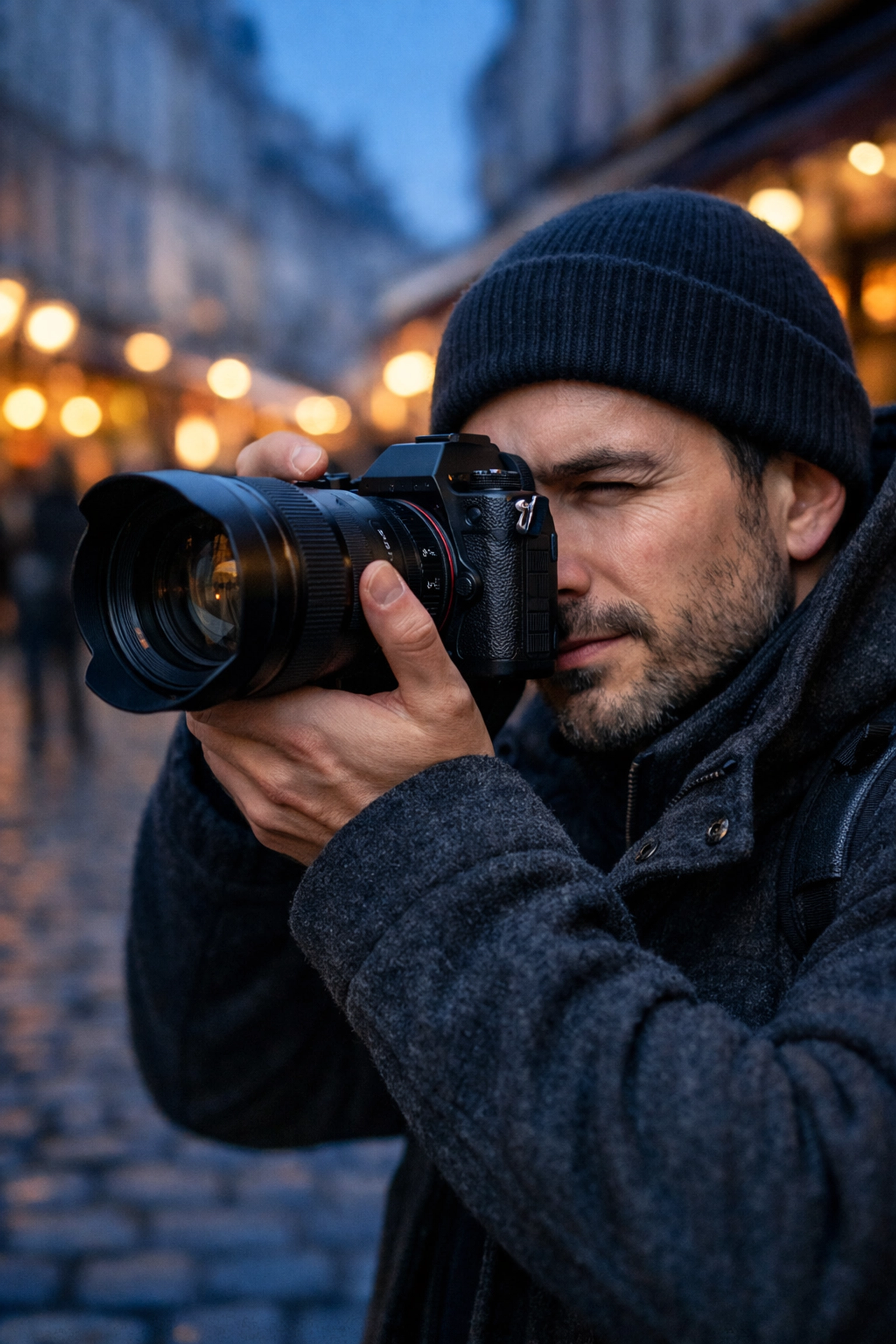
Alt text: A photographer practicing composition in an urban environment during golden hour.
Mastering the Basics: How to Use Manual Mode Camera
If you really want to take control of your images, you have to ditch the training wheels. Learning how to use manual mode camera is the single most important step in your journey. When you stay in Auto, the camera is guessing what you want. Spoiler alert: the camera is often wrong.
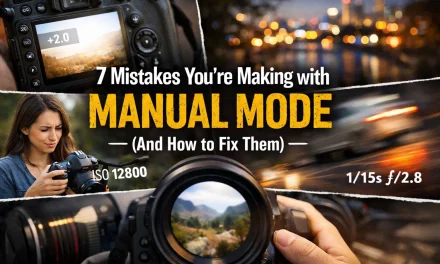
Manual mode boils down to the Exposure Triangle:
- Aperture: This controls your depth of field. Want that blurry background (bokeh) for a portrait? Open it up (low f-stop). Want everything sharp in a landscape? Close it down (high f-stop).
- Shutter Speed: This controls how motion is captured. Fast shutter speeds freeze action (like a bird in flight), while slow shutter speeds blur it (like a silky waterfall).
- ISO: This is your sensor's sensitivity to light. Keep it low (100-400) for clean images in bright light, and bump it up when things get dark: just watch out for "noise" or graininess.
Our daily tutorials break these concepts down into small, manageable challenges. Instead of trying to learn everything at once, we might spend one day just focusing on Shutter Speed. By the end of the week, you aren’t just guessing; you’re making intentional choices. For more in-depth gear talk, you can always check out PhotoGuides.org.
The Power of Creative Constraints
One of the fastest ways to improve isn't by having more options, but by having fewer. When you have a zoom lens that goes from 18mm to 300mm, you get lazy. You stand in one spot and just twist a ring.
Try this: put a single prime lens (like a 35mm or 50mm) on your camera and don't take it off for a week. This forces you to "zoom with your feet." You have to move, crouch, and find new angles. This kind of deliberate practice is exactly what we preach in our daily photography tutorials. It trains your eye to see the world differently.
Another great constraint? Shoot only in Black and White for a few days. Removing color forces you to focus on light, shadow, texture, and composition. If a photo looks good in B&W, it’s a good photo. If it only looks "okay" because the colors are pretty, you’ve got work to do on your composition.
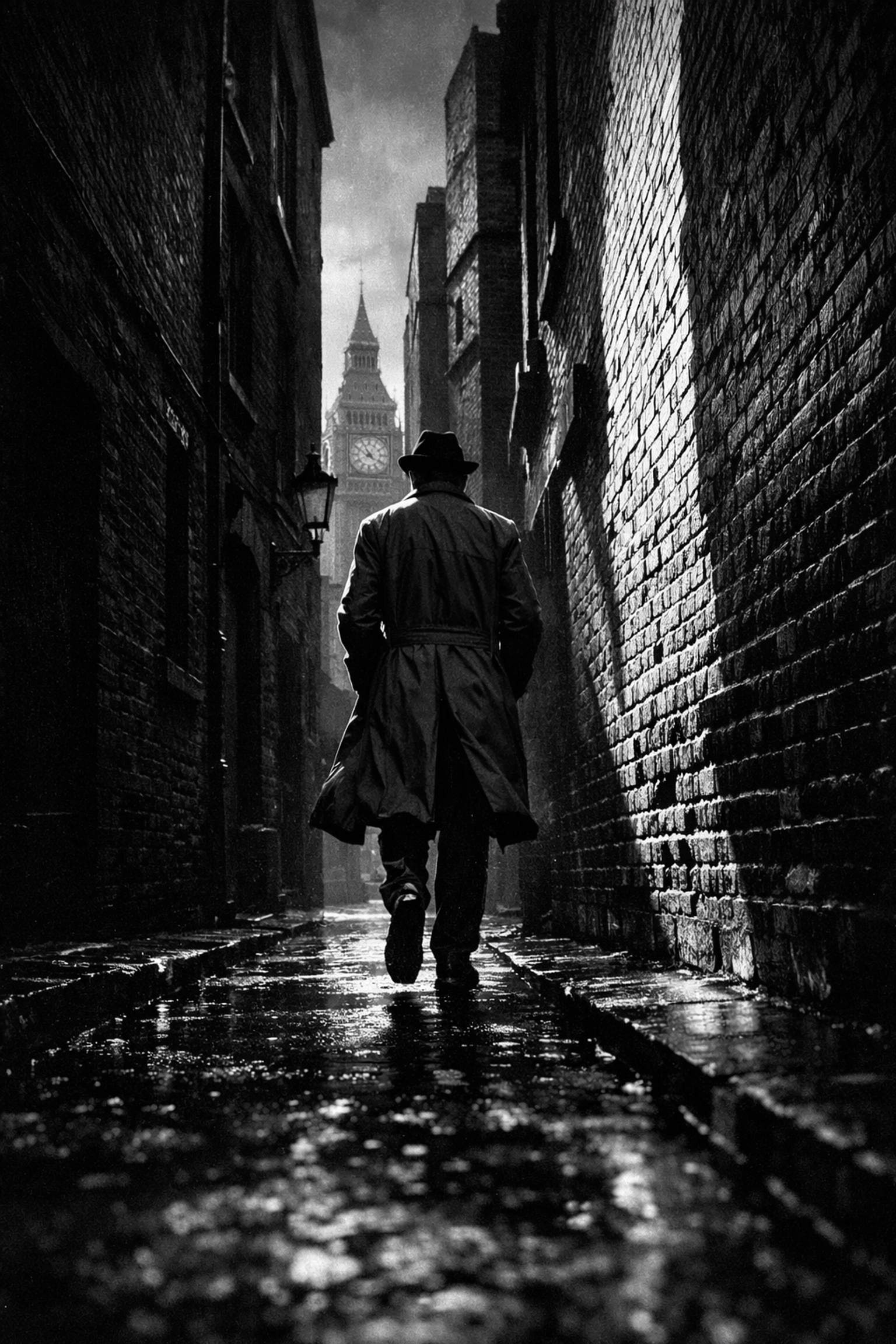
Alt text: A dramatic black and white street photography shot highlighting light and shadow contrast.
Lighting: The Make or Break Factor
You can have a $50,000 Phase One camera, but if your lighting sucks, your photo will suck. Period. At Shut Your Aperture, we go deep into lighting: from using the natural "Golden Hour" sun to setting up complex multi-light studio environments.
If you’re interested in how pro-level lighting looks in action, take a peek at proshoot.io or see the high-end results at edinfineart.com. Whether you are doing a hi-end product shoot or trying to avoid the 7 mistakes you're making with professional corporate headshots, understanding light is the key.
Post-Processing: Bringing Your Vision to Life
Taking the photo is only 50% of the job. The other 50% happens in the digital darkroom. Modern sensors are designed to capture "flat" images that hold as much data as possible. It’s your job to bring the soul back into the frame.
We highly recommend using Luminar for its intuitive AI-driven tools that can save you hours of tedious masking and layering. Editing isn't about "cheating"; it's about finishing the story you started when you pressed the shutter button.
Our editing tutorials cover everything from basic color correction to advanced compositing. If you want to see what's possible when you push the boundaries of editing and imagination, check out this behind-the-scenes look at Erik Johansson’s work.
Why Shut Your Aperture is the #1 Photography School Online
There are a million places to learn photography, but most of them are either too academic or too disorganized. We’ve built Shut Your Aperture to be the bridge. We provide a structured path that moves you from "What does this button do?" to "I just sold my first print."
Our content is curated by industry pros like Edin Chavez. You can see his personal journey and professional portfolio at blog.edinchavez.com and edinstudios.com. We don't just teach settings; we teach vision.
We cover niche topics that others ignore. Want to know about drones and the skies of tomorrow? We got you. Want to hear the story behind an attractive woman's mugshot? We have that too. Even travel photography in places like Varanasi, India is part of our comprehensive library.
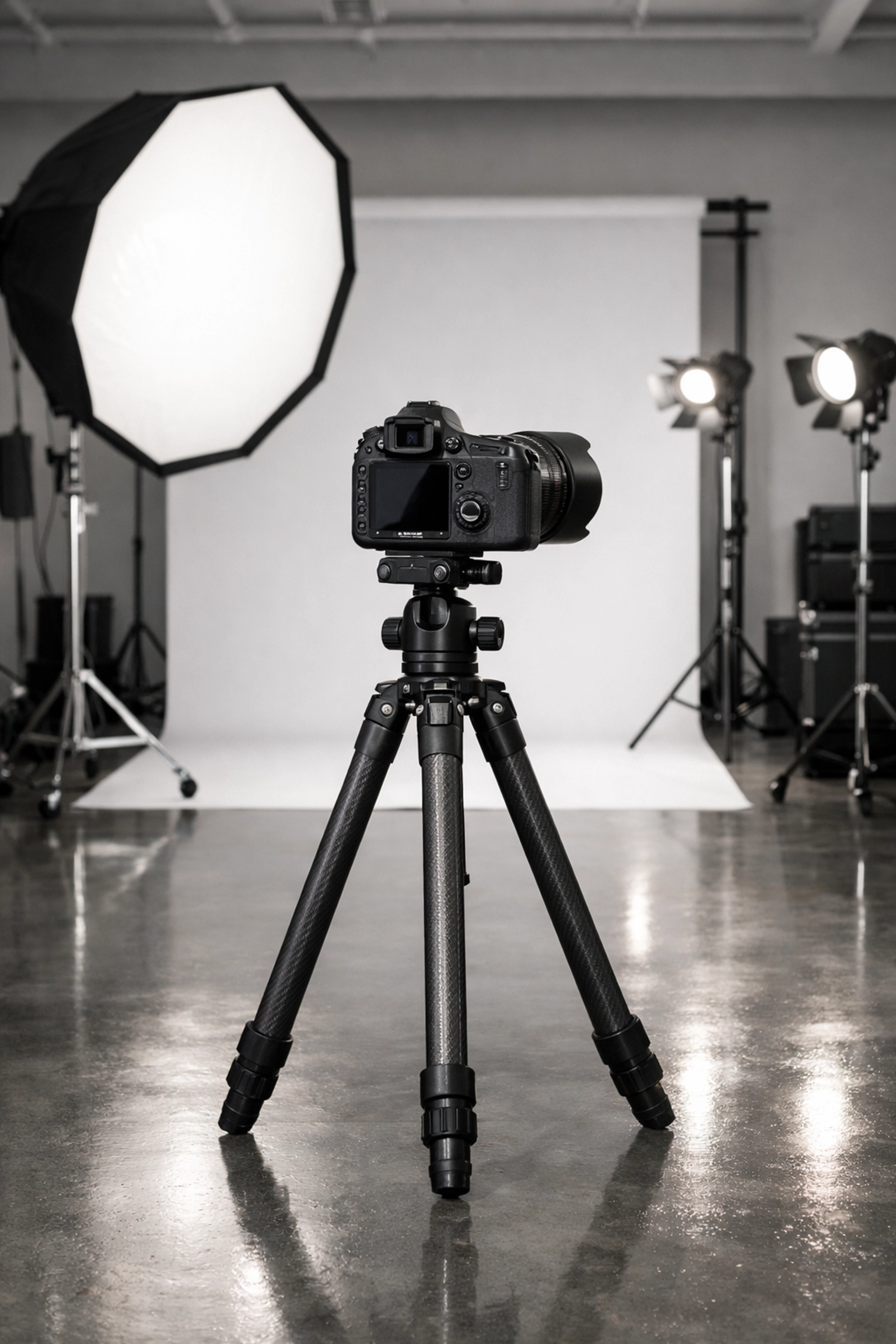
Alt text: A clean, modern photography studio setup with softbox lights and a professional camera on a tripod.
Building a Habit: The 30-Day Challenge
If you really want to see a transformation, we challenge you to follow our daily photography tutorials for 30 days straight. Don't skip a day. Even if you only have 15 minutes to step into your backyard and practice focusing on a leaf, do it.
By day 10, you'll stop thinking about how to use manual mode camera and start thinking about the light.
By day 20, you'll start seeing compositions in your peripheral vision while you’re grocery shopping.
By day 30, you won't recognize your old work.
The goal of Shut Your Aperture isn't just to give you information: it’s to change the way you see the world.
Technical Deep Dive: Composition and Beyond
Beyond the settings, our tutorials dive into the "why" of a photo. We talk about the Rule of Thirds, but then we show you when to break it. We discuss Leading Lines, Symmetry, and Frame-within-a-Frame techniques.
A great photograph is a conversation between the photographer and the viewer. If your composition is messy, the conversation is full of static. Our daily lessons help you "clean up" your frames, removing distractions and focusing the viewer's eye exactly where you want it.

Alt text: An example of perfect composition using leading lines in a modern architectural setting.
Stay Connected and Keep Growing
The world of photography is constantly evolving. New cameras, new software, and new styles emerge every day. Staying stagnant is the quickest way to lose your passion. By sticking with a community that provides fresh content daily, you stay inspired.
Check out our various resources to keep your journey organized:
Whether you’re just starting out or you’re a seasoned pro looking to sharpen your skills, there’s always something new to learn. Photography is a marathon, not a sprint. But with the right tutorials and a daily commitment, you’ll find yourself running faster than you ever thought possible.
Stop waiting for the "perfect" moment to learn. The light is changing, the world is moving, and your camera is waiting. Let’s get to work.