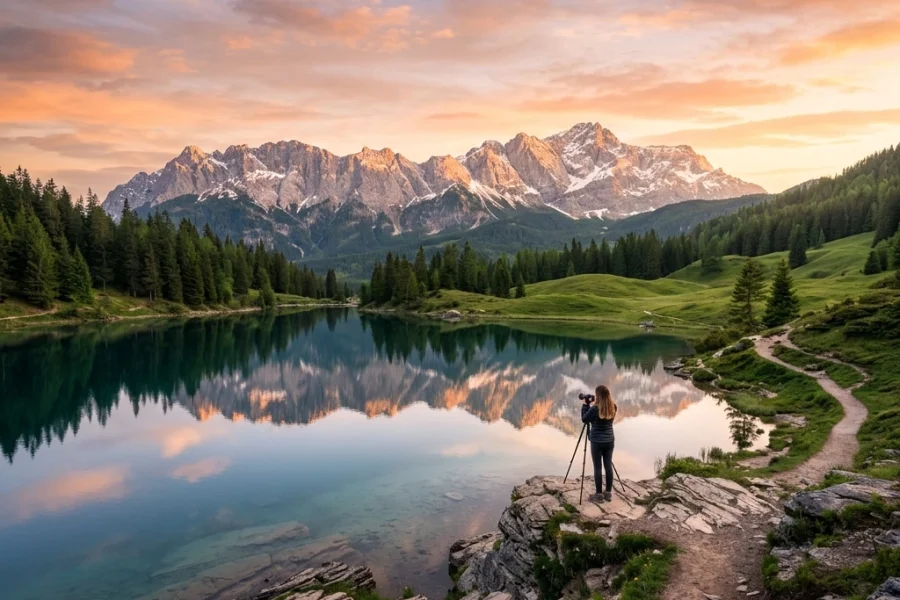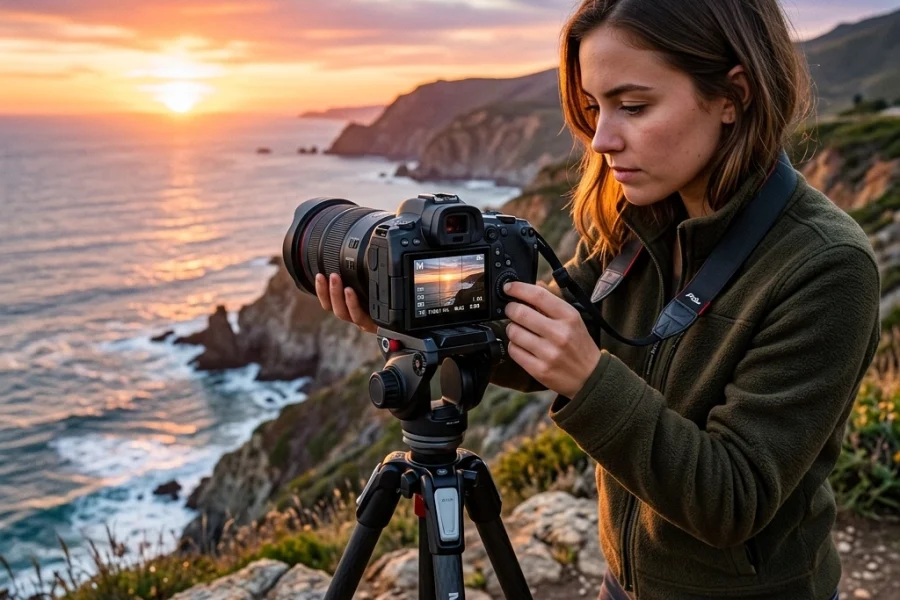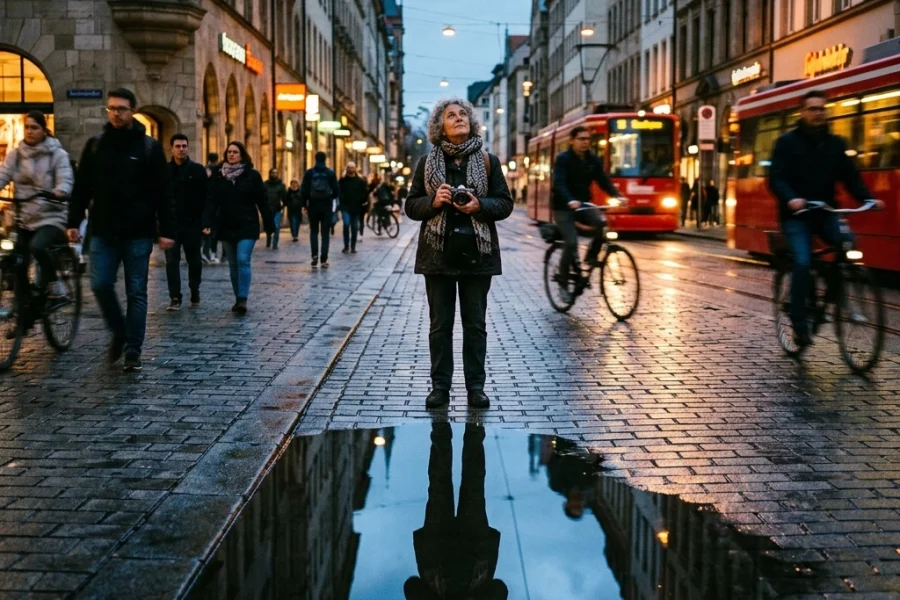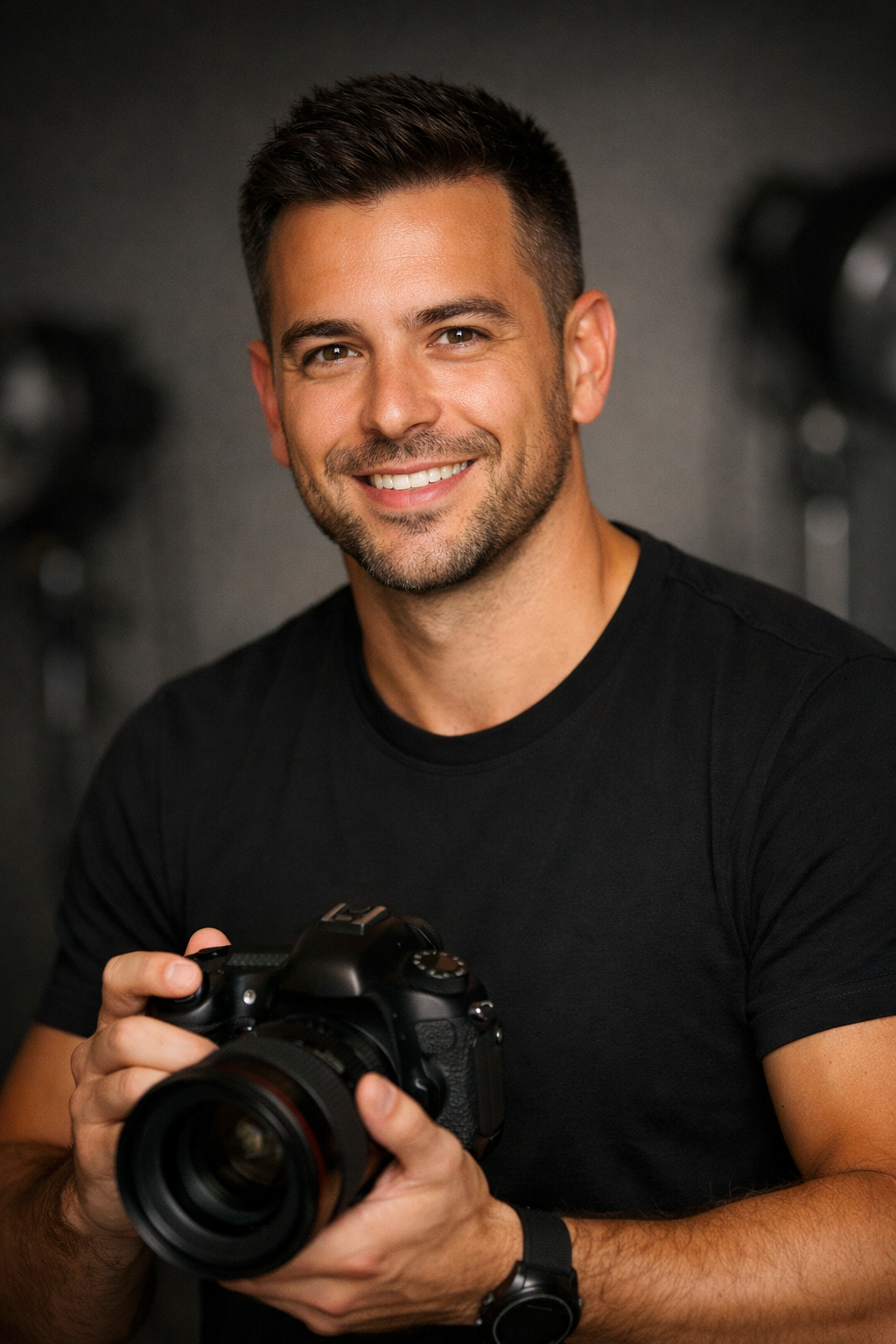
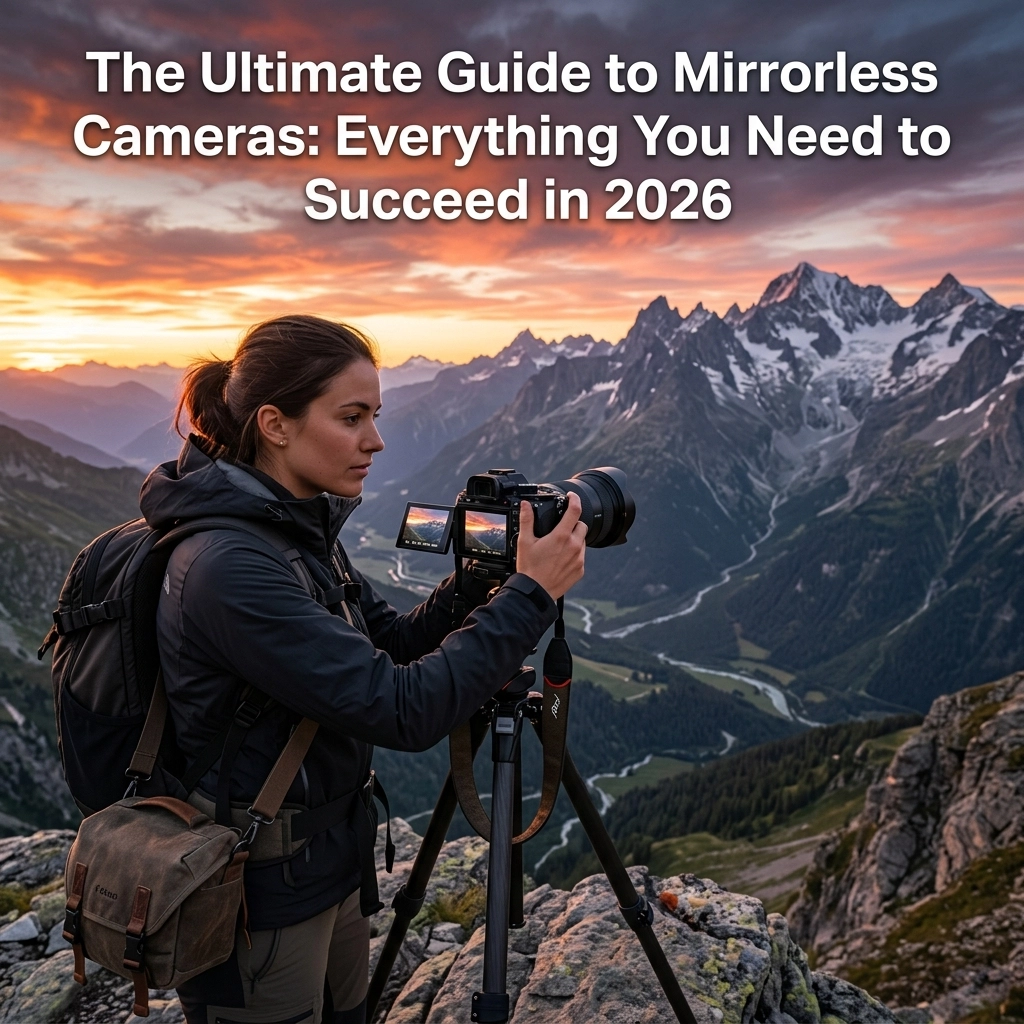
Let’s be real for a second: if you’re still carrying around a DSLR in 2026, you’re basically the person walking around with a flip phone while everyone else is using neural links. I love the clack of a mirror as much as the next guy, but the war is over. Mirrorless won.
In 2026, mirrorless cameras aren't just "smaller versions" of old cameras. They are high-speed computers that happen to have a lens attached. Whether you are shooting secluded paradises to enhance your photography portfolio or trying to capture a bird in mid-flight without breaking a sweat, the gear available today is mind-blowing.
This guide is going to walk you through everything you need to know to navigate the current camera market, pick the right tool for your specific job, and actually get out there and shoot.
Why Mirrorless is the Only Way Forward in 2026
Back in the day, the debate was about battery life and electronic viewfinders (EVF) looking like a low-res TV from the 90s. Those days are gone. Today’s EVFs are so sharp you’ll forget you aren't looking through glass.
The real magic, though, is in the "brains." The AI-driven autofocus systems we have in 2026 can track a human eye, a dog’s eye, or even the cockpit of a Formula 1 car while it's moving at 200 mph. When you combine that with the lack of a moving mirror, you get silent shooting and frame rates that would make a cinema camera blush.
If you’re looking to dive deeper into the technical side of how these sensors work, check out PhotoGuides.org for some solid breakdowns.

Key Features: What Actually Matters Now?
When you’re looking at spec sheets, don't let the marketing jargon confuse you. Here is what actually matters in 2026:
1. AI-Based Subject Detection
If your camera doesn't have dedicated AI subject tracking, you’re working too hard. Modern cameras from Sony, Canon, and Nikon use "deep learning" to understand what they are looking at. It doesn't just focus on a face; it knows where the eye is, even if the person is wearing sunglasses or looking away.
2. Sensor Resolution: The Megapixel Myth
You don’t always need 100 megapixels. Unless you are printing billboards or shooting captivating shots of ethereal landscapes, 24 to 33 megapixels is the sweet spot. It keeps your file sizes manageable and your workflow fast. However, if you are doing fine art work, you might want to look at something like the Fuji GFX-100S for that medium-format magic.
3. Video Capabilities (The Hybrid Era)
Almost every camera is a hybrid now. If you aren't shooting at least 4K 60p with 10-bit color, you’re behind. Many of the top-tier bodies now offer 8K internal recording, which is great for cropping in post-production without losing quality.
4. In-Body Image Stabilization (IBIS)
IBIS is a lifesaver for stunning water photography. It allows you to shoot handheld at shutter speeds that used to require a tripod. This is huge when you’re hiking into hidden gem locations for travel photography and don't want to lug around a heavy carbon fiber stick.
The Best Mirrorless Cameras of 2026 by Category
Choosing a camera is like choosing a car; you wouldn't take a Ferrari off-roading, and you wouldn't take a Jeep to a drag race. Here is how the 2026 lineup shakes out.
The Professional Powerhouses
If money is no object and you need a camera that can do everything, the Nikon Z9 and Nikon Z8 are the gold standards. The Z9 is a tank: it doesn't even have a mechanical shutter because it's that confident in its sensor speed. It’s the ultimate tool for wildlife and sports.
On the Canon side, the EOS R3 is a beast. It features eye-control AF, which literally means the camera focuses where you look in the viewfinder. It feels like magic. For a more balanced approach, the Canon EOS R5 Mark II (the 2026 workhorse) is the go-to for wedding and commercial pros.
The Travel & Street Kings
If you’re like me and you spend a lot of time searching for lesser-known vistas for enigmatic photos, you want something small.
The Sony Alpha 7C II is a full-frame camera that fits in a jacket pocket (with a small prime lens). It’s perfect for enchanting urban photography because it doesn't scream "I’m a professional photographer" when you’re walking through a busy city.

The Content Creator’s Choice
Vlogging has changed. People expect cinematic quality now. The Sony ZV-E10 Mark II and the Panasonic GH7 (for those who love Micro Four Thirds) are designed with screens that flip out and microphones that actually work. They are built for the person who is shooting a YouTube video one minute and a high-res thumbnail the next.
Mastering the Specialty: Water and Nature
A lot of our readers at Shut Your Aperture are obsessed with water. Whether it’s the ocean or a waterfall in the mountains, mirrorless tech has made this genre so much easier.
With modern mirrorless cameras, you can use the high-resolution rear LCD to perfectly time your shots. If you’re shooting picturesque coastal escapes, the live-view exposure preview is a game changer. You can see exactly how the long exposure will look before you even click the shutter.
To get the most out of these scenes, you need to understand the settings. Check out our guide on the best camera settings for stunning water landscapes to get those silky smooth waterfalls or crisp waves.
If you're just starting out, don't forget the essentials. You can't just buy a body and expect to be a pro. You need filters, a solid bag, and the right lenses. Our essential water photography gear guide covers all the bits and pieces you’ll need.
The Lens Ecosystem: Glass is Still King
Here is a secret: a $1,000 camera with a $2,000 lens will almost always take better photos than a $5,000 camera with a $500 lens.
In 2026, the lens options are insane.
- Sony E-mount: The most mature mirrorless system. You have tons of third-party options from Sigma and Tamron.
- Canon RF mount: Some of the best glass ever made (like the 28-70mm f/2), but it’s pricey.
- Nikon Z mount: The large diameter allows for some incredible low-light lenses like the 58mm Noct.
When you are ready to invest, take a look at ProShoot.io for community reviews on the latest glass. And if you’re into the aesthetic side of things: like using rare textures for tangible aesthetic photography: the choice of lens (and its bokeh) becomes even more critical.

Post-Processing in the Age of AI
You’ve got the camera, you’ve found the top spots for majestic sunset photography, and you’ve captured the RAW files. Now what?
In 2026, editing isn't about sitting in a dark room for 10 hours moving sliders. It’s about using AI to enhance what’s already there. I personally recommend using Luminar for a lot of my quick edits. It uses AI to handle things like sky replacement, skin retouching, and even "sun rays" that look surprisingly natural. It saves a ton of time, which means more time out in the field shooting.
If you want to see how far you can push a file, check out Edin Chavez’s personal blog for some before-and-after breakdowns of his world-class shots.
Practical Tips for Making the Switch
If you are moving from a DSLR to mirrorless this year, here are three things that will trip you up if you aren't careful:
- Battery Life: Mirrorless cameras eat batteries faster because the screen or EVF is always on. Always buy two more batteries than you think you need.
- Sensor Dust: Since there’s no mirror, the sensor is right there when you change lenses. Turn your camera off before swapping glass to reduce the static charge that attracts dust.
- The Learning Curve: Mirrorless menus are deeper. Spend a weekend on PhotoGuides.org or watching tutorials to customize your buttons. If you don't customize your "back-button focus" or your "silent shutter" toggle, you aren't using the camera to its full potential.

Where to Shoot Next?
Once you have your new mirrorless rig set up, you need somewhere to test it. We’ve been documenting some incredible spots lately. If you’re into nature, look at our list of top spots for stunning nature imagery. If you’re more of a "water person," you can’t go wrong with mastering water photography in any environment, which covers everything from lakes to the vast oceans.
For those looking for high-end inspiration or maybe a piece of art for their own wall, Edin Fine Art and Edin Studios showcase what happens when you combine top-tier gear with a master's eye.
Final Thoughts: It’s Not Just About the Gear
Look, at the end of the day, a camera is just a box that leaks light in a controlled way. Whether you buy a Nikon Z9 or a budget-friendly Canon R50, the most important thing is that you actually use it.
Mirrorless tech in 2026 has removed almost all the technical barriers. The autofocus doesn't miss. The sensors see in the dark. The cameras are lighter than ever. This means you have no more excuses.
Go find some hidden gems for stunning travel photography, learn how to master light and water, and start creating something that matters.
The gear is ready. Are you?