If you feel like photography is moving faster than your shutter speed, you aren’t alone. Welcome to 2026, where the gear is smarter, the software is scarier (in a good way), and the rules of what makes a "good" photo have been completely rewritten. Whether you are just picking up your first mirrorless body or you have been shooting since the days of darkrooms and chemicals, staying on top of the game requires two things: constant learning and a finger on the pulse of the industry.
At Shut Your Aperture, we live for this stuff. We aren't just here to show you pretty pictures; we are here to help you take them. This guide is your roadmap for navigating the photography landscape this year. We are diving deep into the tutorials that actually matter, the news you can’t afford to ignore, and the mindset shift you need to turn your hobby into a masterpiece or your business into a powerhouse.
The State of Photography in 2026: Authenticity is King
For years, we chased perfection. We wanted zero noise, perfect skin, and backgrounds so blurred they looked like a Windows screensaver. But something changed. In a world full of AI-generated perfection, people started craving the real.
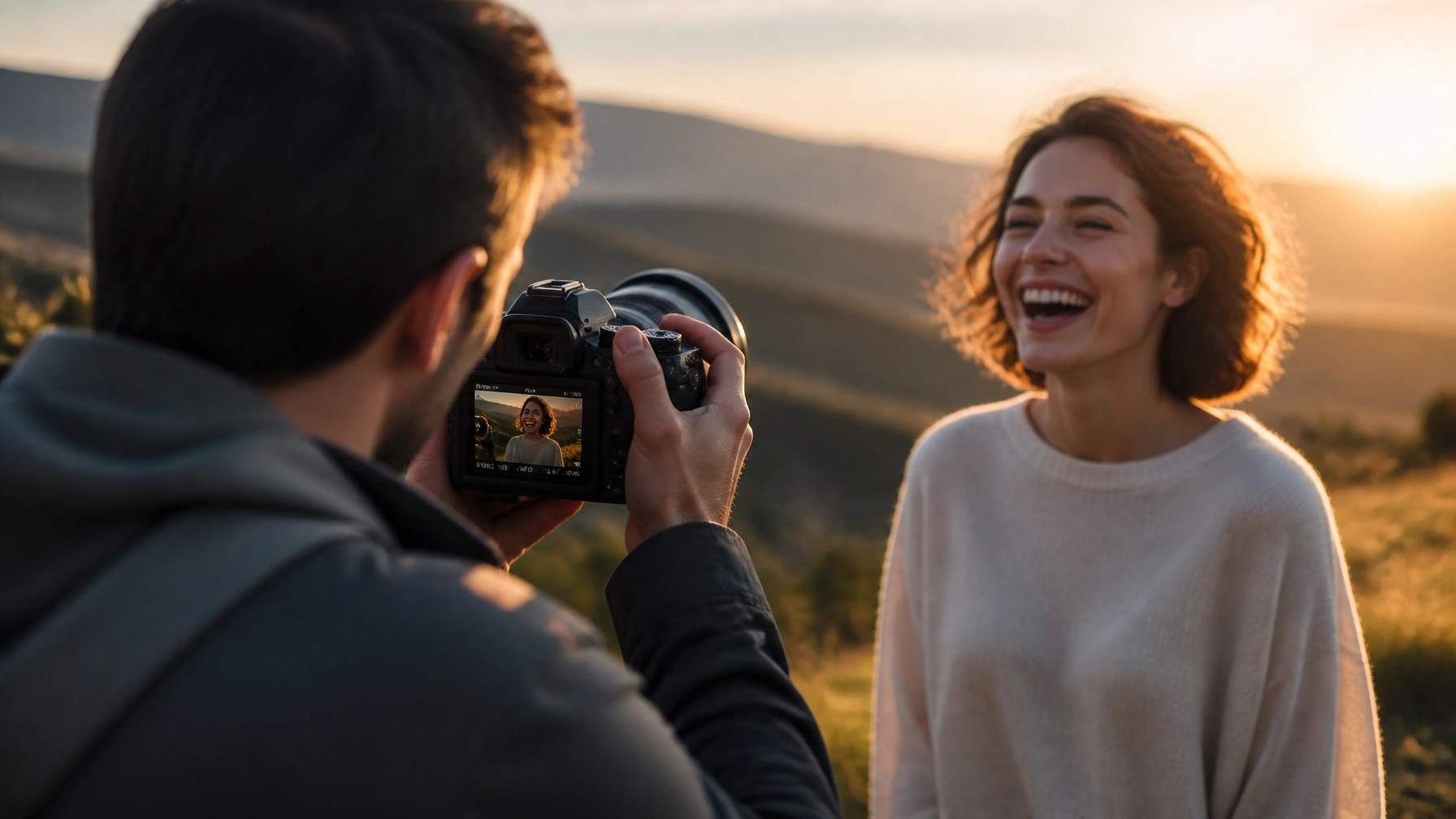
The biggest trend we are seeing in 2026 is the return to authenticity. We’re talking about "imperfect" photos that feel alive. Motion blur, grain, and direct, harsh flash are no longer mistakes: they are artistic choices. Clients don’t want a plastic version of themselves; they want to see the laughter, the messy hair, and the raw emotion of the moment.
This shift changes how you should approach tutorials. Instead of looking for "How to remove every wrinkle in Photoshop," you should be looking for "How to capture genuine emotion in a portrait." The technical floor has been raised by technology, so the creative ceiling is now where you compete.
Mastering the AI Workflow: Your New Best Friend
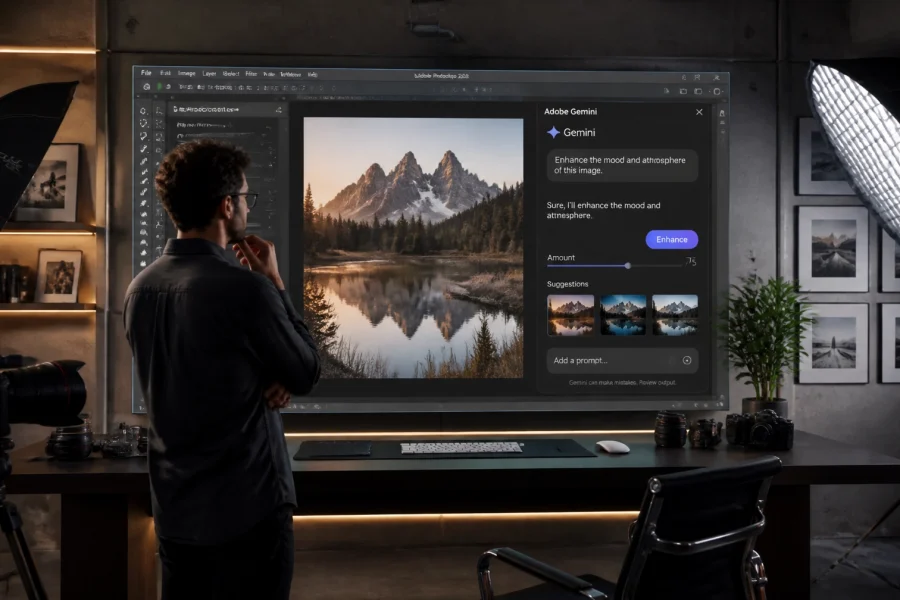
Let’s talk about the elephant in the room: AI. It’s not here to take your job; it’s here to take the boring parts of your job and throw them in the trash. If you are still spending six hours culling a wedding or manually masking a sky, you are working harder, not smarter.
Software like Luminar has become the backbone of the modern digital darkroom. In 2026, Luminar isn't just an editor; it’s a creative partner. It handles the heavy lifting: like subject recognition, lighting adjustments, and color grading: so you can focus on the vision.
The key to succeeding this year is integrating these tools into your workflow without losing your soul. You want your photos to look like your photos, just better and faster. Tutorials that focus on AI implementation are essential. You need to learn how to guide the AI, not just let it run wild.

Why You Must Keep Learning: The Power of Tutorials
The moment you think you know everything about photography is the moment your work starts to die. The tech changes every six months, but the fundamentals of light and composition are eternal. However, applying those fundamentals to new tech is where most people trip up.
If you want to level up, you need structured learning. Watching random 30-second clips on social media might give you a "hack," but it won't give you a career. You need deep dives. Our community at Shut Your Aperture Learn is designed for exactly that. We don't do fluff. We do real-world techniques that you can use on your next shoot.
What to look for in a 2026 tutorial:
- Hybrid Shooting: You can't just be a "stills" photographer anymore. Every client wants a "behind-the-scenes" clip or a 15-second vertical video for their brand. Tutorials that teach you how to switch between photo and video seamlessly are worth their weight in gold.
- Advanced Lighting: Now that cameras can see in the dark, lighting is about mood, not just exposure. Learn how to use direct flash to get that "90s party" aesthetic that is currently exploding.
- Color Theory: With the rise of maximalism and bold colors, understanding how hues interact is more important than ever. Move beyond the "teal and orange" presets and learn to create your own signature palette.
- Business and Branding: If you aren't learning how to market your work, you’re just a person with an expensive hobby. Tutorials on personal branding are a must in 2026.

News You Can Actually Use: The Death of the DSLR
It finally happened. In 2026, the DSLR is officially a legacy device. While you can still take incredible photos with a 5D Mark IV, the industry has moved on. If you are looking to invest, mirrorless is the only way to go.
The latest news from the big players: Sony, Canon, Nikon, and Fujifilm: is all about "intelligence." We are seeing global shutters becoming standard, eliminating rolling shutter distortion entirely. We are seeing autofocus systems that can recognize not just a person’s eye, but the specific bird species they are looking at.
Why does this news matter? Because it dictates the market. If you are a professional, you need to know when to upgrade and when to hold. Keeping an eye on sites like PhotoGuides.org will help you understand the technical specs without the marketing jargon. Don't buy a new camera just because it's new. Buy it because the feature set solves a specific problem in your workflow.
The Gear Gap: More Than Just a Camera
Gear news isn't just about the bodies. It’s about the ecosystem. In 2026, your tripod, your lighting, and even your camera bag are getting smarter. For instance, if you’re still using the same old sticks, you might want to check out our camera tripods guide to see how modern materials and designs are making things lighter and more stable than ever.
Lenses are also seeing a revolution. Manufacturers are making faster primes that are half the size of what they were five years ago. This is a game-changer for travel and street photographers. Imagine having a 35mm f/1.2 that fits in your jacket pocket. That’s the reality now.

Authenticity and the "New Raw"
I mentioned earlier that perfection is out. But how do you actually shoot "authentic" photos? It starts with your tutorial choice. Stop looking for tutorials on "posing" and start looking for "directing."
In 2026, a great photographer is more of a director than a button-pusher. You need to know how to make people feel comfortable enough to let their guard down. This is especially true for wedding and portrait photography. The "standard" shot of everyone smiling at the camera is now the "backup" shot. The "main" shot is the one where the groom is wiping a tear or the kid is covered in cake.
Tips for Capturing Authenticity:
- Shoot the in-between: Don't put your camera down the moment the "pose" is over. Some of the best shots happen when people think you’ve stopped shooting.
- Embrace the blur: Use a slower shutter speed than usual. A little bit of motion blur in the hands or the background can add a sense of life that a static, "frozen" photo lacks.
- Lower the Retouching: When you head into Luminar, don't go 100% on the skin smoothing. Keep the freckles. Keep the character lines. That’s what makes a person look like themselves.

Looking for Inspiration: The Fine Art Connection
Tutorials give you the "how," but inspiration gives you the "why." If you ever feel stuck, look at what the masters are doing. Not just the old masters, but the modern ones who are pushing the boundaries of what a print can be.
Edin Chavez, our CEO, has been a pioneer in this space for years. If you want to see how commercial skill translates into world-class art, head over to Edin Fine Art. Looking at fine art teaches you about scale, texture, and how to tell a story in a single frame. It’s easy to get bogged down in the "news" of the latest camera, but a 100-megapixel sensor doesn't matter if the composition is boring.
For a more personal look at the life of a working pro, the Edin Chavez Blog is a treasure trove of stories and behind-the-scenes insights. It’s a reminder that photography is a journey, not a destination.

Commercial and Product Trends: Sustainability and Values
If you are a commercial photographer, the 2026 landscape is all about values. Brands no longer want just a "cool" shot; they want a shot that reflects their commitment to the planet or their community.
- Natural Lighting: Sterile studio setups are being replaced by natural-looking light. Even if you are using five strobes, the goal is to make it look like the product is sitting in a sun-drenched window.
- Sustainability Visuals: Earthy tones, organic textures, and recycled materials are huge in product photography news right now.
- Monochromatic Scenes: Using different shades of a single color for the product, background, and props is a massive trend. It creates a high-end, editorial feel that works incredibly well on social media.
The Hybrid Future: Video is Not Optional
Let’s be real. If you aren't shooting video in 2026, you are leaving money on the table. But here’s the good news: you don't need to be a Hollywood cinematographer.
Clients are looking for "stills with movement." This means short, 5-10 second clips that can be used for Instagram Reels, TikTok, or website headers. The best photography tutorials this year are the ones that teach you how to capture both.
Your mirrorless camera is likely a video beast. Learn how to use it. Understand the basics of frame rates, log profiles, and simple editing. It will make you more valuable to your clients and give you a huge edge over photographers who are stuck in the past.
Your 2026 Photography Checklist
To wrap this up, let’s look at what you should be doing right now to ensure success:
- Audit Your Gear: Is your gear helping you or holding you back? If you are still on DSLR, consider making the jump to mirrorless.
- Streamline Your Post-Processing: Get comfortable with AI tools. Download Luminar and learn how to use the AI masking and subject recognition to cut your editing time in half.
- Invest in Education: Join a community like Shut Your Aperture Learn. Don't just watch; do.
- Shoot for Authenticity: Challenge yourself to take photos that feel real, even if they aren't "perfect."
- Stay Informed: Follow the news on PhotoGuides.org so you aren't blindsided by tech shifts.
- Get Inspired: Visit galleries, buy photo books, and check out Edin Fine Art to keep your creative tank full.
Photography in 2026 is an incredible blend of high-tech and high-emotion. It’s never been easier to take a technically perfect photo, which means it’s never been more important to be a creative storyteller. Shut Your Aperture is here to walk that path with you. Now, go charge your batteries, clear your cards, and go shoot something that matters.