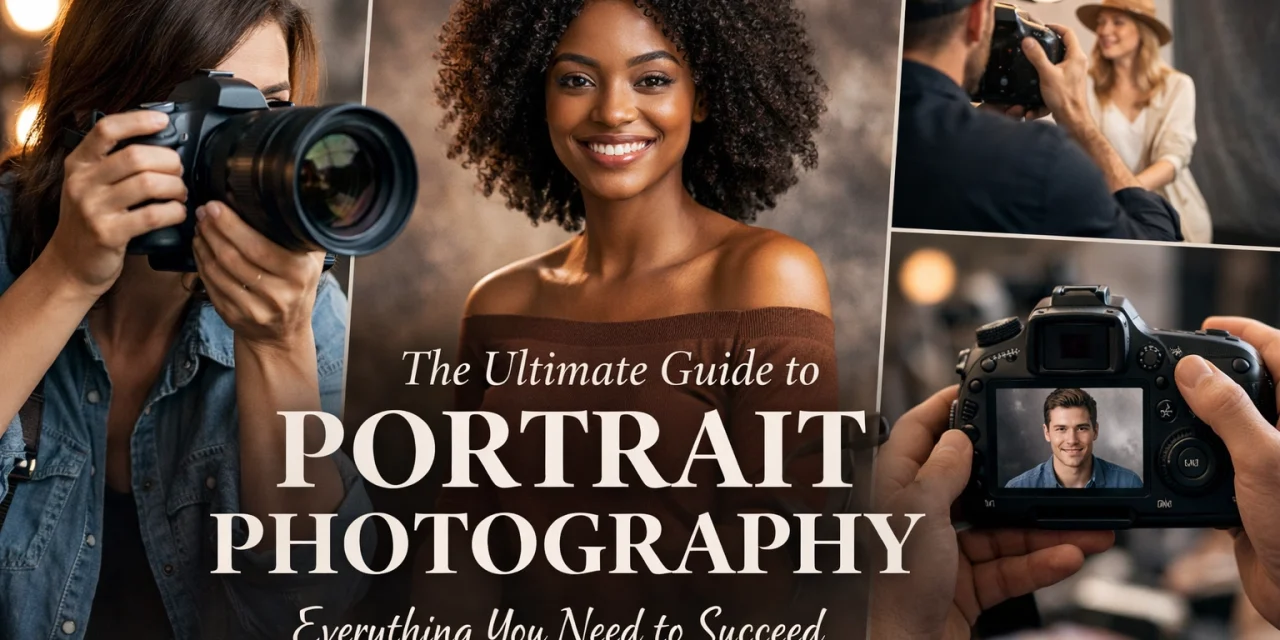
Let’s be real: portrait photography is about way more than just pointing a camera at someone and saying "cheese." If it were that easy, everyone with an iPhone would be Richard Avedon. Portraiture is a dance between light, gear, and human connection. It’s about capturing a moment that feels honest, even if it took you forty-five minutes to set up the lighting.
At Shut Your Aperture, we believe great photography should be accessible. You don't need a $20,000 studio setup to create a masterpiece. You just need to understand the fundamentals and, more importantly, how to break them. Whether you’re shooting your first headshot or looking to level up your professional portfolio, this guide covers everything you need to succeed in the world of portraiture.
The Gear: Keep It Simple, Keep It Smart
Everyone asks, "What camera should I buy?" The truth is, the camera body matters way less than the glass you put in front of it. If you’re just starting, use what you have. But if you’re looking to invest, focus on lenses that flatter the human face.
The Magic of the Prime Lens
For portraits, prime lenses (fixed focal length) are usually the gold standard. Why? Because they generally have wider apertures, allowing for that creamy, blurred background (bokeh) that makes your subject pop.
- The 85mm: Often called the "King of Portrait Lenses." It offers a beautiful compression that makes facial features look natural and pleasing.
- The 50mm: The "Nifty Fifty." It’s versatile, affordable, and great for full-body or waist-up shots.
- The 135mm: If you want to really blow out the background and stay a bit further away from your subject, this is a killer choice.
Beyond the lens, a sturdy tripod can be a lifesaver, especially if you’re shooting in low light or trying to achieve a very specific, sharp focus. Check out some gear reviews over at PhotoGuides.org to see what’s currently ranking high for portrait pros.
Lighting: Your Secret Weapon
You can have the best model in the world, but if the lighting is trash, the photo will be trash. Lighting is what creates mood, depth, and character.
Natural Light: The Window to the Soul
You don't need expensive strobes. Some of the most iconic portraits in history were taken using nothing but window light. If you’re shooting indoors, place your subject near a large window. Observe how the light hits their face. Is it too harsh? Use a sheer white curtain to diffuse it. This creates soft, flattering shadows that hide skin imperfections and create a "glow."
The Golden Hour
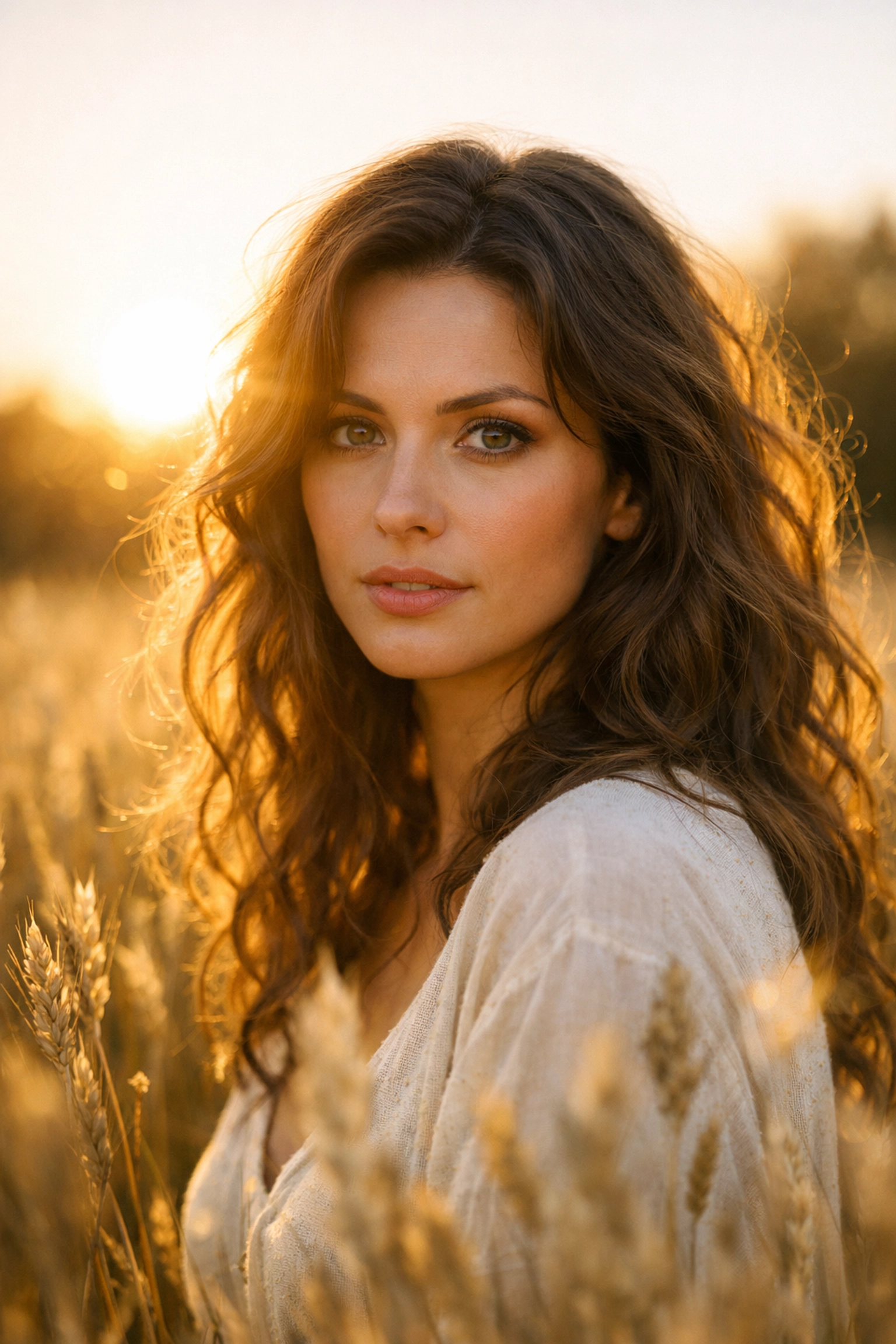
If you’re heading outdoors, aim for the "Golden Hour": that hour just after sunrise or just before sunset. The light is warm, soft, and directional. It’s almost impossible to take a bad photo during this time. For more tips on finding the perfect outdoor settings, check out our guide on hidden gem locations for travel photography.
Composition and Framing
Composition is where you get to show off your artistic eye. It’s the difference between a snapshot and a "photograph."
The Rule of Thirds
Imagine your frame is divided into a 3×3 grid. Instead of putting your subject right in the middle (which can look a bit static), try placing their eyes on one of the upper intersection points. This creates a more dynamic and engaging image.
Focus on the Eyes
In portraiture, the eyes are everything. If the eyes aren't sharp, the whole photo feels "off." Most modern cameras have "Eye Auto-Focus": turn it on. It’s a game-changer. You want those "catchlights" (the little reflections of light in the pupils) to be crisp. It brings the person to life.
Using Negative Space and Framing
Don't be afraid of empty space. Sometimes, placing your subject off to the side and leaving the rest of the frame "empty" adds a sense of scale or mystery. You can also use "natural frames": like tree branches, doorways, or even using rare textures for tangible aesthetic photography: to draw the viewer's eye straight to your subject.
The Psychology of the Shoot
This is the part most people forget. As the photographer, you are the director. If you’re nervous, your subject will be nervous. If you’re bored, they’ll look bored.
Build a Connection
Before you even pick up the camera, talk to your subject. Find out what they’re about. Tell a joke (even a bad one). The goal is to get them to forget there’s a giant glass lens pointed at their face. The best shots often happen in the "in-between" moments: when they’re laughing at something you said or looking away for a split second.
Posing Without "Posing"
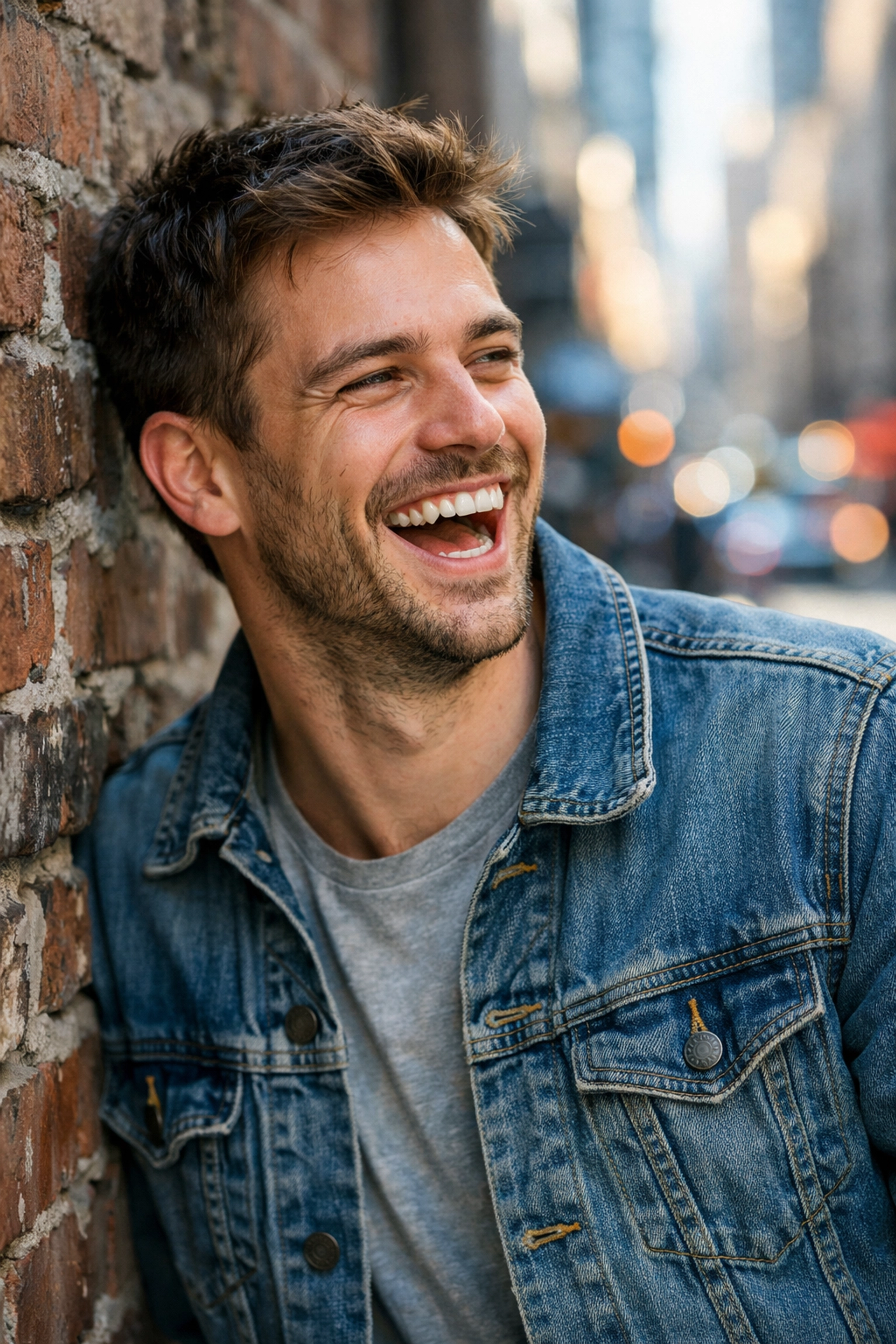
Avoid stiff, traditional poses unless that’s specifically the vibe you're going for. Ask your subject to move. Have them walk toward you, adjust their hair, or lean against a wall. Movement creates natural lines and prevents the "deer in headlights" look. If you need inspiration for high-end professional setups, take a peek at www.proshoot.io.
Advanced Techniques: Depth and Mood
Once you’ve mastered the basics, it’s time to play with the atmosphere.
Shallow Depth of Field
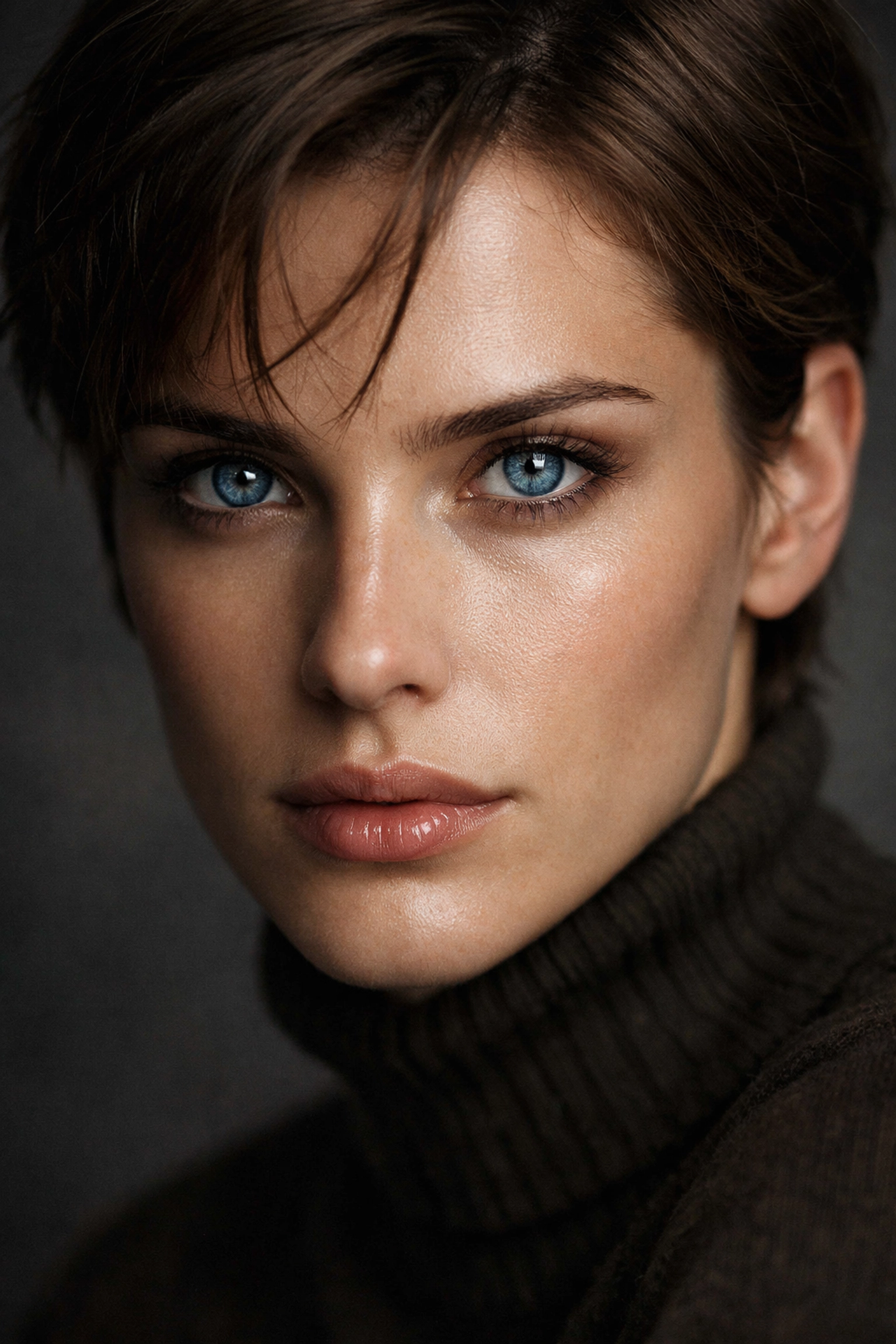
By using a wide aperture (a low f-number like f/1.8 or f/2.8), you can blur the background into oblivion. This is essential if you’re shooting in a cluttered environment. It forces the viewer to look exactly where you want them to: the subject’s face.
Ethereal Vibes
Sometimes you want something more than just a standard headshot. You want something "moody" or "dreamy." Experimenting with different environments can help. We’ve talked before about how to discover ethereal landscapes for captivating shots, and many of those principles apply to portrait backgrounds as well.
Post-Processing: The Finishing Touch
Editing is where you define your "style." It’s easy to go overboard, so remember: less is usually more.
The Essential Workflow
- Correct White Balance: Make sure skin tones look natural. Nobody wants to look like an Oompa Loompa (unless they are one).
- Exposure and Contrast: Adjust the highlights and shadows to add depth.
- Blemish Removal: Use a spot healing tool for temporary distractions like a stray hair or a pimple. Don't remove permanent features like moles or "character lines" unless asked.
Using the Right Tools
While Lightroom is the industry standard, we are big fans of Luminar. Its AI-powered portrait tools: like skin enhancement and eye brightening: save a massive amount of time without making the subject look "plastic." It’s especially great for those who want professional results without spending hours masking and brushing. If you want to see how pros handle high-end fine art editing, check out www.edinfineart.com.
Finding Your Unique Voice
The world doesn't need another generic portrait. It needs your version of a portrait. Are you drawn to dark, moody shadows? Or bright, airy, high-key images? Maybe you like lesser-known vistas for enigmatic photos that tell a story of solitude.
Mastering portrait photography is a journey. You’ll take a thousand bad photos before you take a great one. That’s okay. Even the pros at blog.edinchavez.com started with blurry shots of their pets.
Practice Makes Perfect
The best way to get better is to shoot every single day. Drag your friends out. Shoot self-portraits in the mirror. Experiment with different light sources: lamps, flashlights, the glow of a TV.
I’ve been chatting with Sonny, our Social Media Manager, and we’re going to be sharing some of your best portrait work on our Instagram. So, when you try out these tips, tag us! Sonny is always looking for fresh content to link back to these guides, so let’s see what you’ve got.
Summary Checklist for Your Next Shoot
Before you head out, run through this quick list:
- Battery charged? (Don’t be that person).
- Memory card empty?
- Lens cleaned? (Fingerprints on the lens = blurry photos).
- Subject comfortable?
- Lighting checked?
Portraiture is a privilege. Someone is letting you see a part of them and trust you to capture it. Respect that connection, keep your settings simple, and don’t be afraid to shut your aperture (or open it wide!) to get the shot.
If you’re looking for more professional studio inspiration, you can always see what’s cooking over at www.edinstudios.com. Now get out there and start shooting. The world is full of interesting faces just waiting for their moment in the light.