
Let’s be real: your LinkedIn profile photo from that one wedding three years ago isn't doing you any favors. We’ve all seen it: the cropped-out shoulder of a bridesmaid, the slightly blurry face, or the "vacation vibe" that doesn't exactly scream "hire me for this $200k executive role."
In 2026, your digital presence is your first impression. Whether you like it or not, people are judging your professional competence based on a tiny circle on a screen before they ever hear you speak. That’s why getting a professional corporate headshot isn't just a luxury; it’s a career requirement.
This guide is going to walk you through every single detail you need to know to nail your session, from what to wear to how to stop your "Chandler Bing" face from making an appearance. If you're looking for the absolute best in the business to handle this for you, check out Perfect Corporate Headshots to get started.
Why a Professional Headshot is Non-Negotiable
A headshot is more than just a picture of your face. It’s a branding tool. It tells a story about who you are, how you work, and whether you’re approachable or authoritative.
Think about it. If you’re looking for a lawyer, do you want the guy in a grainy selfie or the one with a crisp, well-lit portrait that exudes confidence? Exactly. Even if you're a creative, your gear matters: just like we discussed in our Sony A7 IV vs Canon EOS R6 Mark II comparison: the quality of the output reflects the quality of the professional.
How to Prepare for a Headshot Session
Preparation is 90% of the battle. You can’t just roll out of bed, splash some water on your face, and expect to look like a Fortune 500 CEO. Here is a breakdown of how to prepare for a headshot session so you arrive feeling like a rockstar.
1. Hydrate and Sleep
This sounds like "mom advice," but it's the truth. Dehydration makes your skin look sallow and accentuates fine lines. Drink plenty of water for at least three days leading up to your shoot. And get some sleep. Bags under the eyes are a pain to retouch, even with the best software like Luminar.
2. Hair and Grooming
Don’t get a haircut the day before your shoot. Give it about a week to "settle in" so it looks natural. For men, if you’re going for the clean-shaven look, shave a few hours before the shoot to avoid that 5 o'clock shadow, but give enough time for any redness to fade. For women, keep the hair style something "standard" for you. Now isn't the time to experiment with a neon pink mohawk unless that’s your brand.
3. Skin Care
If you have a breakout, don’t panic. Don't pick at it! It’s much easier for a photographer to edit out a small blemish than it is to fix a giant, scabby mess. If you want to learn more about how to handle post-processing yourself, our tutorials over at Shut Your Aperture Academy cover the basics of making skin look flawless but natural.

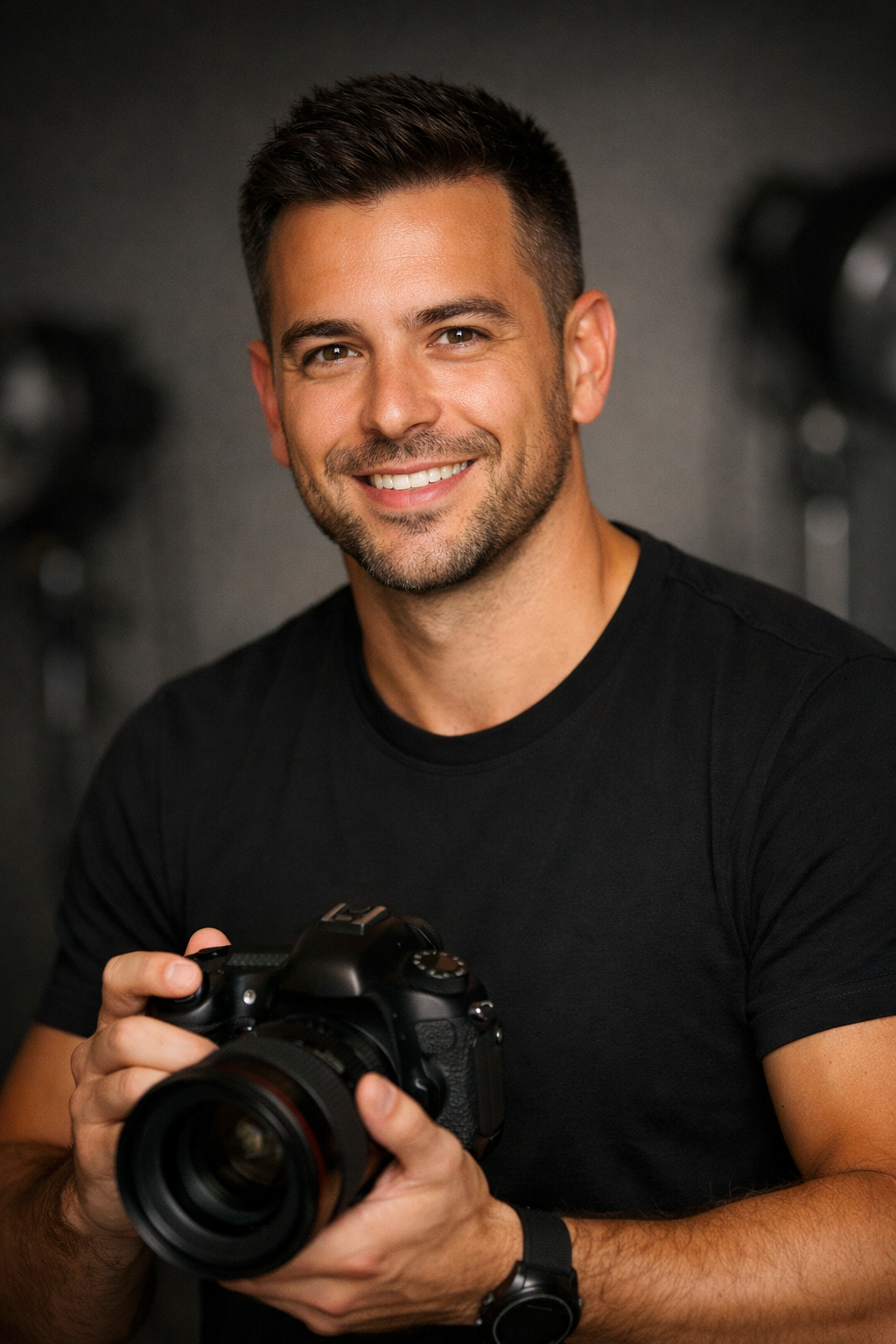
Alt text: A professional male executive smiling confidently in a modern office setting with soft background bokeh.
Professional Corporate Headshot Tips: The Wardrobe
What you wear is the second most important thing after your facial expression. Your clothes should complement you, not distract from you.
Stick to Solid Colors
Patterns are the enemy of the corporate headshot. Busy stripes or loud florals create "moiré" (that weird shimmering effect on digital screens) and draw the eye away from your face. Navy blue, charcoal grey, and deep greens are universal winners.
The "Third Piece" Rule
For a polished look, always include a "third piece." This is usually a blazer, a cardigan, or a structured jacket. It adds layers and frame to your body, making you look more professional and grounded. If you’re a photographer yourself and usually shoot weddings, you might know these tricks from our guide on OM System OM-1 Mark II settings for wedding photography, where looking professional while being mobile is key.
Fit Matters
If your suit jacket is two sizes too big, you’ll look like a kid wearing his dad's clothes. Ensure everything is tailored. If you're unsure, bring a few options and let the photographer help you choose. Most pros at Perfect Corporate Headshots are great at styling.
Best Lighting for Executive Portraits
Lighting can make you look like a hero or a villain. In executive portraits, we generally aim for "soft and directional" lighting.
The Power of Softboxes
Hard light creates harsh shadows under the nose and eyes (the dreaded "raccoon eyes"). Professional photographers use large softboxes or octaboxes to wrap light around the face. This fills in wrinkles and gives the skin a healthy glow.
Rim Lighting
To keep you from blending into the background, a "rim light" or "hair light" is often used. This is a light placed behind you that catches the edge of your shoulders and hair, creating a 3D effect that pops off the screen.
Natural Light vs. Studio Light
While natural light is beautiful for lifestyle shots, studio lighting is the gold standard for corporate work because it’s consistent. If you're building a team page for 50 employees, you need everyone to look like they were photographed in the same universe. Consistency is key for brand authority.

Alt text: A behind-the-scenes look at a professional headshot studio setup with large softbox lighting and a grey backdrop.
Posing Like a Pro (Without Feeling Like a Dork)
Most people hate being in front of the camera. I get it. You feel stiff, your hands don't know where to go, and suddenly you've forgotten how to smile like a human. Here are some quick posing wins:
- The Turtle: Push your chin slightly forward and down. It feels ridiculous, but it defines your jawline and eliminates any hint of a double chin.
- The Sub-Angle: Don't stand flat toward the camera. Turn your body about 30 to 45 degrees away and then turn your head back toward the lens. This is much more slimming and dynamic.
- The Squinch: Don't go wide-eyed like a deer in headlights. Lightly squint your lower eyelids. This conveys confidence and "knowingness" rather than fear.
- The Lean: If you're sitting, lean slightly toward the camera. It shows engagement and interest.
If you’re the one behind the lens trying to capture these moments, make sure your camera is dialed in. Check out our Sony ZV-E10 II settings for portrait photography to get the sharpest results possible.
Choosing the Right Background
The background sets the tone.
- White: Clean, modern, and easy to cut out for graphic design purposes.
- Grey: The most versatile. It looks expensive and doesn't distract.
- Office/Environmental: Great for showing "you in action." This works well for "About Me" pages or editorial features.
- Dark/Black: Very "high-end" and moody. Best for surgeons, lawyers, or high-level consultants who want to project serious authority.

Alt text: A comparison of three different headshot backgrounds: clean white, textured grey, and a blurred modern office.
Post-Processing: Making it Perfect
A raw photo is just the beginning. Professional retouching is what separates a "good" photo from a "world-class" photo. However, the goal is to look like you on your best day, not a plastic version of yourself.
We recommend using Luminar for its AI-driven portrait tools. It can subtly enhance eyes, whiten teeth, and smooth skin without making it look like you’ve been airbrushed into oblivion.
Key things to look for in retouching:
- Removing temporary blemishes (pimples, stray hairs).
- Correcting color balance so skin tones look natural.
- Brightening the eyes (the "catchlight" is the soul of the photo).
- Cleaning up lint or wrinkles on clothing.
If you want to dive deeper into the technical side of how cameras handle these details, our look at the Canon EOS R5 vs Sony A7R V explains how high-resolution sensors make a massive difference in the editing room.
Why Branding Matters for Teams
If you’re a business owner, you need your team to look like a team. Nothing looks more amateur than a "Meet the Team" page where one person has a selfie, one has a high-school graduation photo, and one is a ghost icon.
Coordinated corporate headshots create trust. They show that your company is organized and pays attention to detail. When you book a session through Perfect Corporate Headshots, you can ensure that every employee has a consistent look, which reinforces your brand’s visual identity.

Alt text: A collage of diverse professional team members showing consistent lighting and background for a company website.
Common Mistakes to Avoid
- Over-accessorizing: Huge earrings or giant watches distract from your face. Keep it simple.
- Too much makeup: Studio lights can be intense, but "caked-on" makeup will settle into lines. Aim for a slightly more polished version of your daily look.
- Outdated Photos: If you don't look like your photo anymore, it’s time for a new one. Showing up to a meeting looking ten years older than your headshot creates an immediate "trust gap."
- Bad Angles: Shooting from below the chin is never flattering. Always ensure the camera is at eye level or slightly above.
If you are a photographer looking to master these setups, don't forget to check out PhotoGuides.org for more technical breakdowns on studio gear.
The Gear Factor
While the photographer’s skill is paramount, the gear does matter. Using the right lens: typically something in the 85mm to 105mm range: ensures that facial features aren't distorted. A wide-angle lens (like what you might use for fujifilm x100vi landscape photography) would make your nose look huge and your ears look tiny.
For the tech-curious, using something like the OM System OM-1 Mark II for portraits is a great way to get incredible eye-tracking autofocus, ensuring that even if you move slightly, your eyes stay tack-sharp.
Investing in Your Future
A high-quality corporate headshot is an investment that pays off every time someone looks at your profile. It’s your 24/7 digital ambassador. Whether you’re looking to land a new client, get a promotion, or just look more professional to your peers, your headshot is the foundation of that goal.
Don't settle for "good enough." Go for the best. Head over to Perfect Corporate Headshots and book a session that will actually make you look as good as you are at your job.

Alt text: A confident female professional in a navy blue blazer, leaning forward slightly with a friendly smile.
Quick Checklist for Your Shoot Day
- Outfits ironed and on hangers (don't wear them in the car to avoid wrinkles!).
- Face washed and moisturized.
- Lip balm applied (dry lips look terrible in high-res).
- Hair products kept to a minimum (avoid the "crunchy" look).
- Positive attitude: if you're having fun, it shows in your eyes!
If you want more tips on how to master the art of photography or want to learn the specific settings for other niches like real estate photography or even sports photography, stick around the blog. We've got everything you need to level up your game.
And remember, if you want to see how the pros do it, visit Edin Chavez’s personal blog or check out some incredible fine art inspiration at Edin Fine Art.
Now, go get that headshot. Your career will thank you.