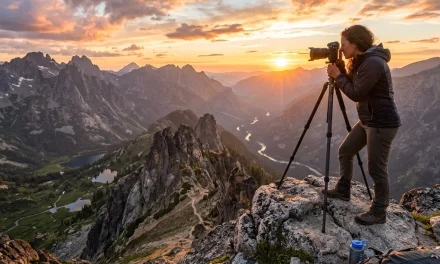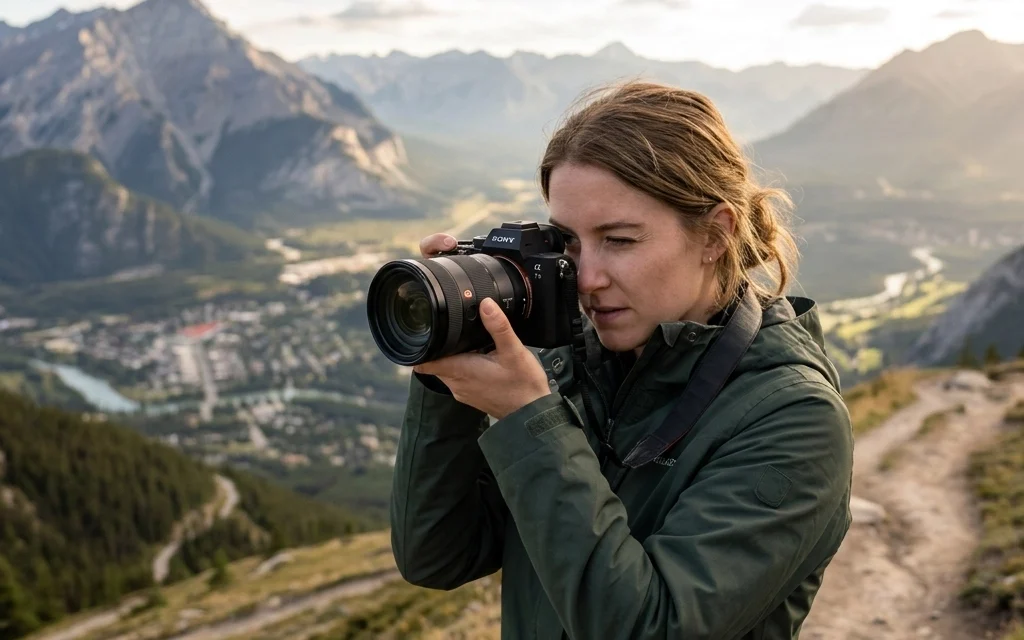
We’ve all been there. You buy a shiny new camera, you’re stoked, and you head out on a Saturday morning to capture the world. But then life happens. Work gets busy, the kids have soccer, or you just get tired. Your camera sits on the shelf gathering dust for three weeks. When you finally pick it up again, you’re fumbling with the buttons, forgetting what "f-stop" actually does, and getting frustrated because your photos look like they were taken with a potato.
This is the "weekend warrior" trap. And the only way out is consistency.
At Shut Your Aperture, we believe that learning photography isn't a one-time event; it’s a daily habit. If you want to stop taking "okay" snapshots and start creating art, you need a steady diet of high-quality photography tutorials. Whether you are figuring out how to use manual mode camera settings or diving into advanced lighting, doing a little bit every day changes everything.
The Science of Automaticity: Making Your Camera an Extension of Your Body
Have you ever watched a pro photographer work? They don’t look at their buttons. They don’t pause for three minutes to figure out why their screen is too dark. They just click, turn a dial, and keep shooting. This is called "automaticity."
When you engage with daily photography tutorials, you’re not just learning facts; you’re building muscle memory. Think of it like learning to drive a car. At first, you’re terrified of the pedals and the mirrors. After a year, you’re driving home while thinking about what you want for dinner, barely realizing you’ve shifted gears.
By following a daily routine: even if it’s just 15 minutes of reading or a quick practice session: you turn complex techniques into second nature. This frees up your brain to focus on the important stuff: the story, the emotion, and the light. If you’re still struggling with the basics, check out our ultimate guide to photography tutorials to get a roadmap for your journey.
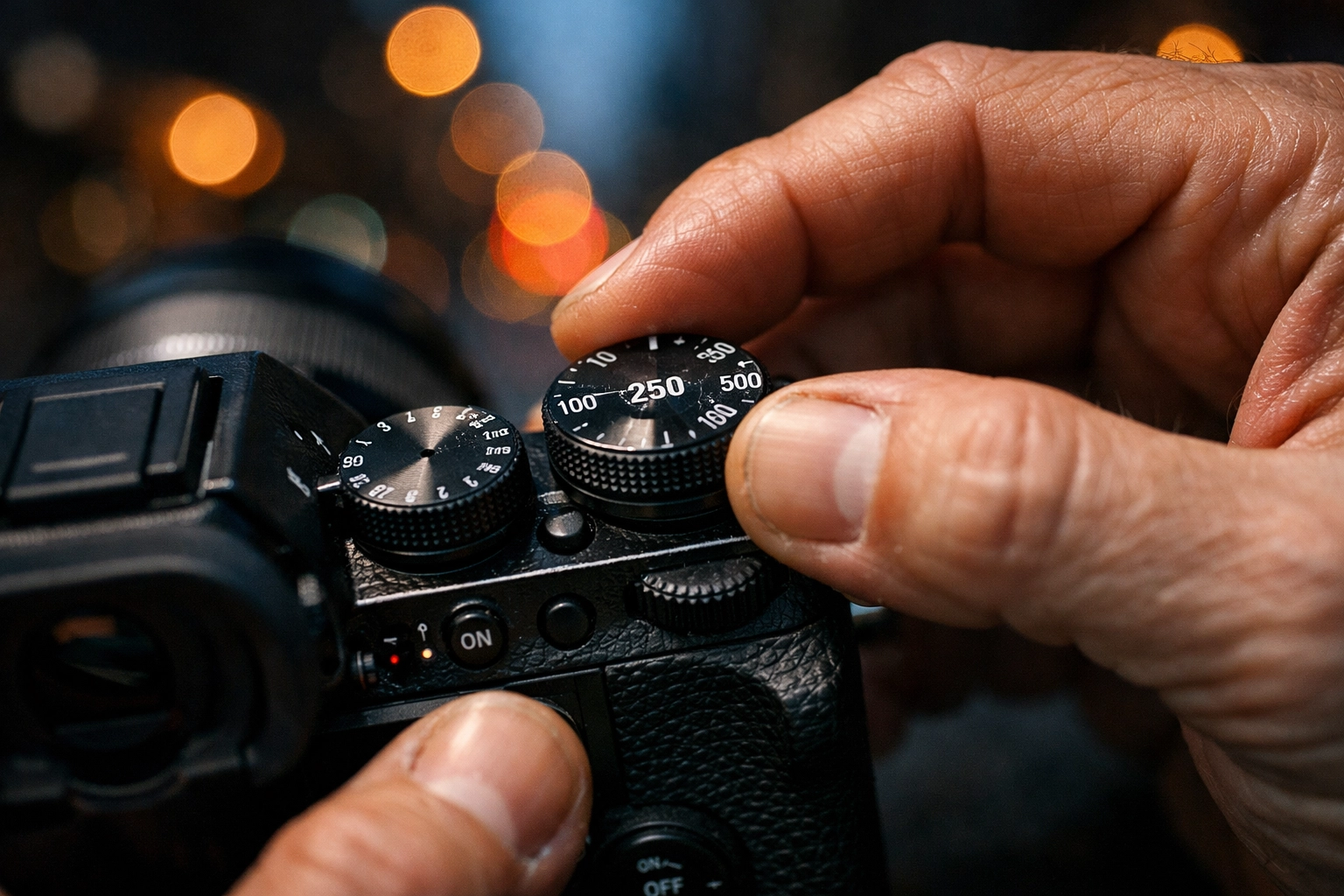
Alt Text: A close-up shot of a photographer's hands adjusting the manual dials on a high-end mirrorless camera in low light.
Mastering the Beast: How to Use Manual Mode Camera Settings
The biggest hurdle for most beginners is the dreaded "M" on the dial. Manual mode feels like a math test you didn't study for. But mastering how to use manual mode camera settings is the single most important step in your photographic evolution.
When you use "Auto," the camera makes a guess. It’s a smart guess, sure, but it’s still a guess. It doesn't know you want that creamy background (bokeh) or that you want to intentionally blur the motion of a waterfall.
Daily tutorials break down the exposure triangle: Aperture, Shutter Speed, and ISO: into bite-sized pieces.
- Aperture: Controls depth of field. Want a blurry background? Open it up (lower f-number).
- Shutter Speed: Controls motion. Want to freeze a bird in flight? Make it fast.
- ISO: Controls light sensitivity. It’s your best friend in the dark, but use too much and you’ll get "noise."
If you practice these settings every single day in different rooms of your house, you’ll eventually stop guessing. You’ll walk into a room, see the light, and know exactly what your settings should be. For more deep dives into technical mastery, we always recommend checking out PhotoGuides.org for clear, concise gear breakdowns.
The Power of Safe Experimentation
One of the biggest benefits of daily practice is that it provides a low-pressure environment to fail. If you only shoot once a month at a friend's wedding or a family vacation, the pressure to "get the shot" is huge. You won't try anything new because you’re afraid of messing up.
Daily photography tutorials encourage you to experiment with things you’d never try on a "real" shoot. Maybe today you learn about using rare textures for tangible aesthetic photography. Maybe tomorrow you try light painting with a flashlight in your basement.
When you experiment daily, you build a toolkit of techniques. Then, when you’re out on a professional gig or a once-in-a-lifetime trip, you can pull those tools out with confidence. You aren't guessing; you're executing. For inspiration on what to shoot when you feel stuck, Edin Chavez has some incredible galleries over at EdinFineArt.com that show what happens when you push the boundaries of traditional landscapes.
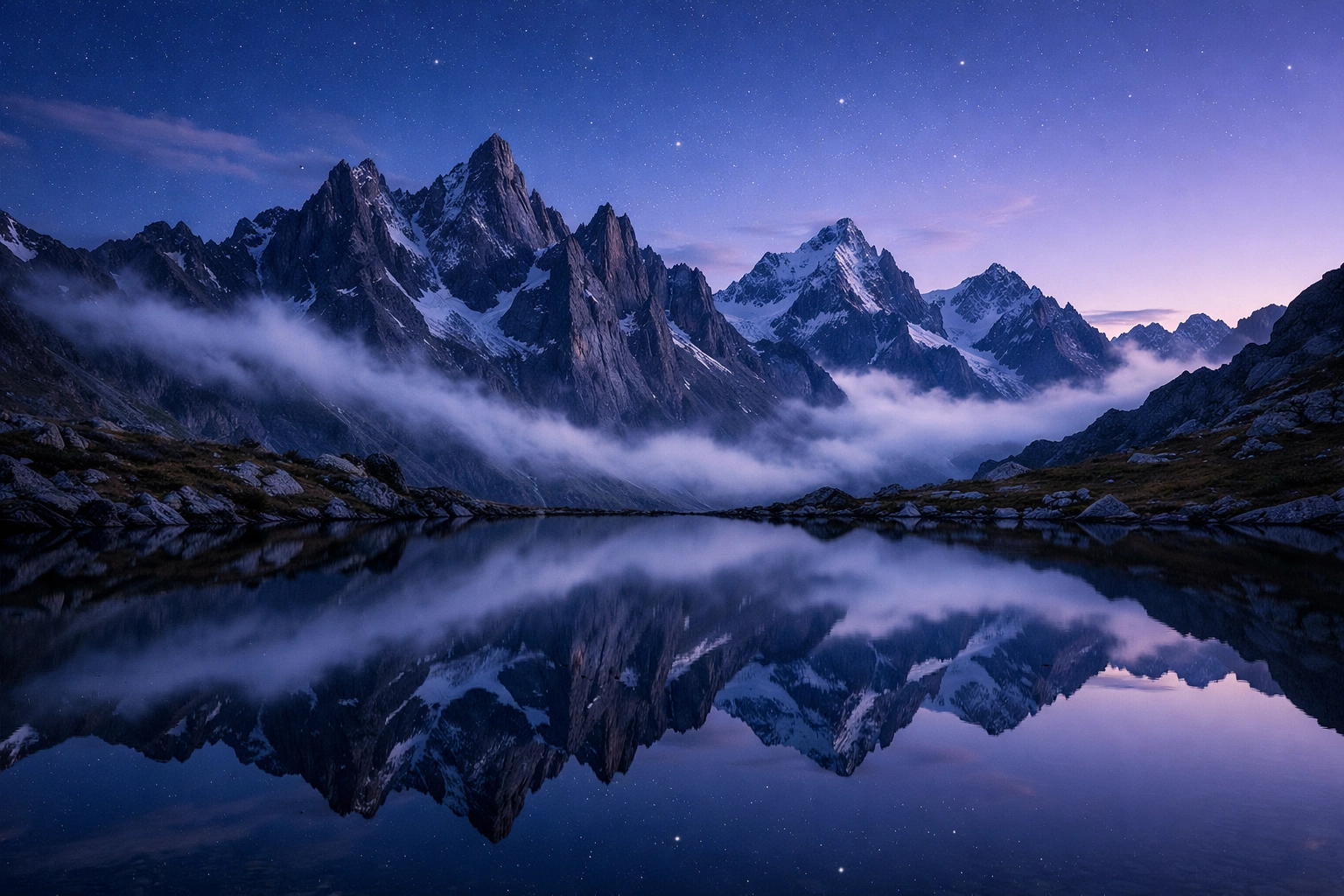
Alt Text: An artistic landscape photo showing an ethereal mountain range during the blue hour, demonstrating advanced exposure techniques.
Composition and The Art of Seeing
Photography isn't just about settings; it’s about how you see the world. Daily tutorials help train your eye to find beauty in the mundane. You begin to look for leading lines in your kitchen, framing in your backyard, and the "Rule of Thirds" in the way your cat sits on the sofa.
Consistency helps you move past the "tourist shot." Everyone takes a photo of the Eiffel Tower from the same spot. A photographer who practices daily will find a puddle, get low, and capture the reflection instead. If you want to spice up your vision, take a look at these 25 creative street photography ideas.
Lighting: The Secret Sauce
You can have a $50,000 camera, but if your lighting sucks, your photo sucks. Daily learning allows you to master different types of light:
- The Golden Hour: That magical time just after sunrise or before sunset.
- Hard Light: Mid-day sun that creates dramatic shadows.
- Soft Light: Overcast days that are perfect for portraits.
- Artificial Light: Using flashes or even just a desk lamp to create mood.
Understanding light is what separates the pros from the amateurs. We’ve found that students who spend just 10 minutes a day studying lighting setups on sites like ProShoot.io improve three times faster than those who don't.
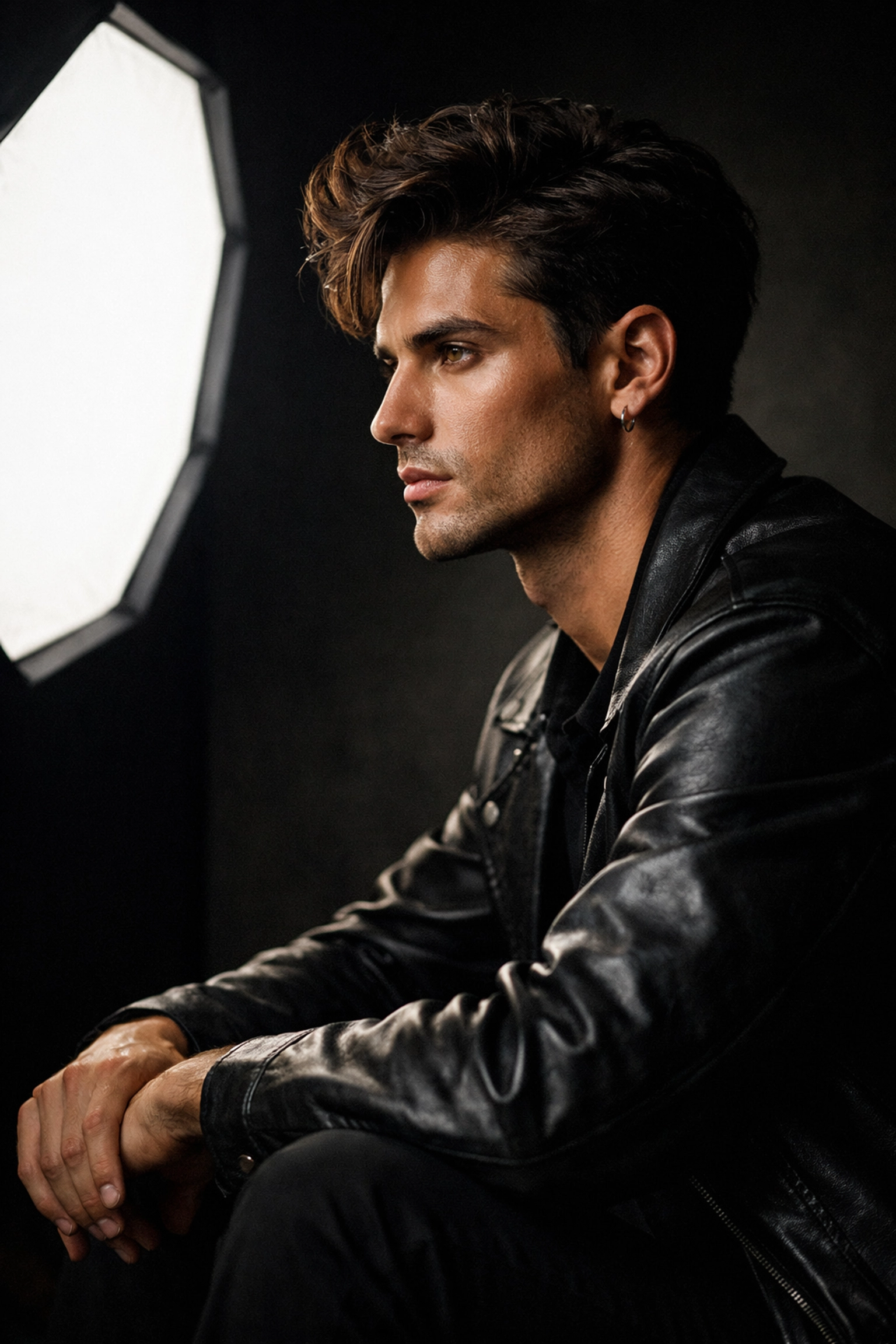
Alt Text: A portrait photography setup showing a model being lit by a single softbox, demonstrating the power of controlled lighting.
The Role of Post-Processing
Let’s be real: the "SOOC" (Straight Out Of Camera) purists are missing out. Every great photo you’ve ever loved has likely been edited. Editing isn't about "faking" a photo; it’s about bringing out the vision you had when you pressed the shutter.
Daily tutorials can help you avoid the 7 mistakes you’re making with photo editing. One of the best ways to streamline your workflow is by using powerful, AI-driven tools. We are huge fans of Luminar. It simplifies complex tasks like sky replacement and skin retouching, allowing you to spend more time shooting and less time clicking around in menus.
When you practice editing daily, you develop a "style." Your photos start to look cohesive. People will see a photo and know it’s yours before they even see your name. If you're looking for more tips on high-end production, EdinStudios.com is a great place to see how professional-grade editing and production come together.
Why Shut Your Aperture is Your Best Resource
Our mission is simple: to make Shut Your Aperture the number one photography school online. We don't want to just give you a list of settings; we want to change the way you see the world.
Through our comprehensive, in-depth photography tutorials, we cover everything. From the absolute basics of holding a camera to the nuances of landscape photography and the technicality of portrait photography, we’ve got you covered.
We also know you’re busy. That’s why we focus on content that is easy to digest. You don’t need four hours a day. You just need a few minutes of focused learning. For those on the go, our daily news updates help you stay informed about the latest gear and trends in under three minutes.
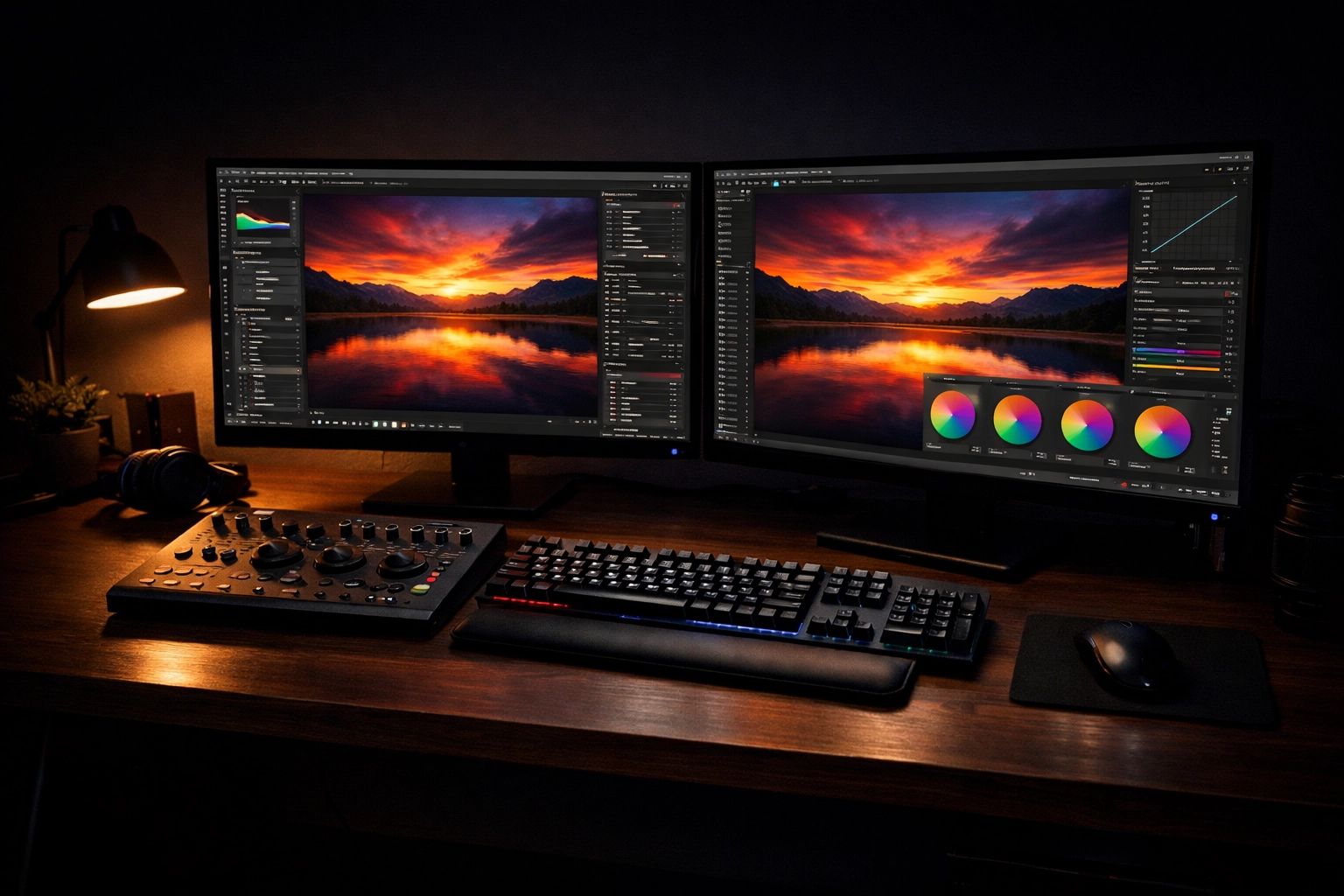
Alt Text: An organized workspace of a digital artist with two monitors showing complex photo editing workflows in a bright, modern office.
Developing a Photographic Work Ethic
Consistency is a talent in itself. When you commit to daily tutorials, you’re building a work ethic. You start to realize that "waiting for inspiration" is a myth. Pros don't wait for inspiration; they go out and find it.
By engaging with the community and reading regular updates on blog.edinchavez.com, you stay motivated. You see what others are doing, you learn from their mistakes, and you get inspired by their wins.
Overcoming the Plateau
Every photographer hits a wall. You feel like your photos are "fine" but not "amazing." You feel like you’ve learned everything you can. This is where daily tutorials are most important.
When you hit a plateau, it’s usually because you’ve stopped being a student. Daily learning pushes you into genres you might have ignored. Maybe you’re a landscape guy, but a tutorial on portrait techniques teaches you something about light that changes the way you shoot mountains.
Final Thoughts: Start Your Journey Today
You don't need a fancy degree to be a world-class photographer. You need a camera, a curious mind, and the discipline to learn something new every single day.
Stop letting your gear sit in the closet. Stop shooting on "Auto" and hoping for the best. Take control of your creative vision. Whether you're exploring hidden gem locations or just practicing in your living room, every shutter click counts.
Join us at Shut Your Aperture and make today the day you commit to your craft. Grab your camera, open up a tutorial, and let’s start taking better pictures together. The world is waiting to be seen through your lens( make sure you're ready to capture it.)