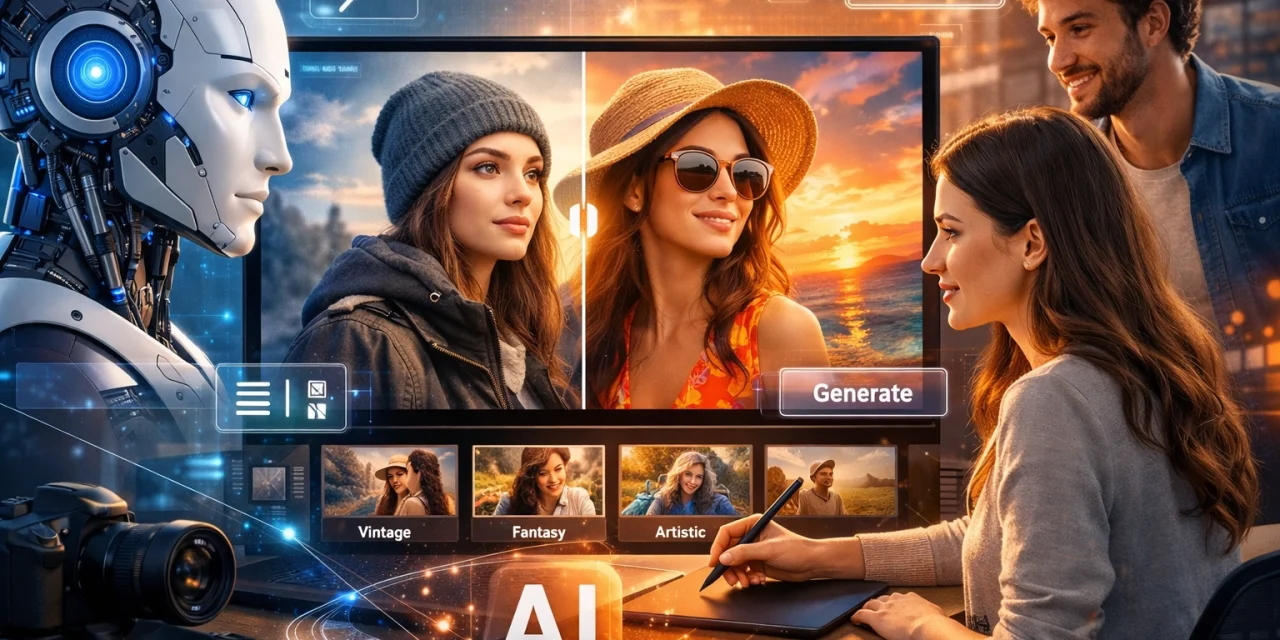
It’s March 2026, and if you step into any photography studio or sit down at a local coffee shop where editors congregate, the conversation isn’t about the latest sensor megapixels or even the newest mirrorless body. It’s about the "Ghost in the Machine." AI has officially moved from a "cool party trick" to the actual foundation of everything we do.
Remember back in 2023 or 2024 when we were all debating whether AI was "cheating"? That debate feels like ancient history now. In 2026, using AI in your workflow is as standard as using a memory card. It’s no longer an optional enhancement; it’s essential infrastructure. Whether you are capturing water photography beauty in motion or shooting high-end portraits, AI is the silent partner doing the heavy lifting.
But why is everyone specifically talking about it now? What changed in the last twelve months to make this the only topic in the room? Let's break down the state of play in 2026 and how it’s actually changing the way we work.
The Death of "Unglalamorous" Tasks
For decades, the life of a professional photographer was 10% shooting and 90% staring at a screen, slowly losing our minds while masking individual strands of hair or trying to remove a stray power line.
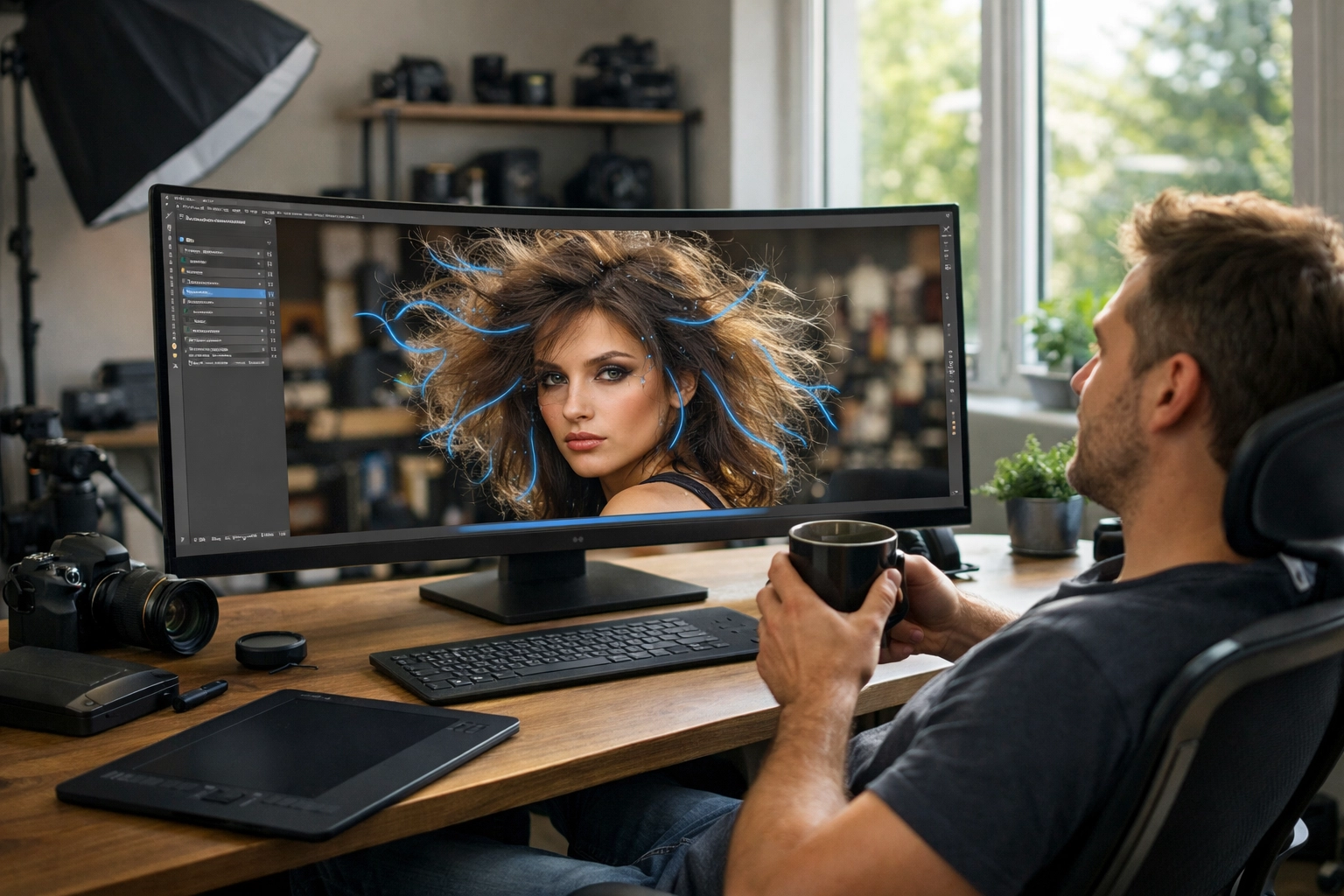
In 2026, that "grunt work" is dead. AI tools, specifically Luminar, have reached a point where they don't just "guess" where a mask should be, they understand the geometry of the scene. We’ve reached a threshold of practical utility. Real-time background removal, which used to take a specialized retoucher an hour, now happens in three seconds with a single click.
This shift has allowed photographers to get back to what they actually enjoy: the art. If you're out finding hidden gems for stunning travel photography, you don't want to come home to a backlog of 5,000 photos that need basic exposure correction. The AI handles the noise reduction, the lens correction, and the initial color balance before you even finish your first cup of coffee.
Generative Editing: Beyond the Frame
One of the biggest reasons for the 2026 AI boom is the perfection of generative editing. We’ve moved past the "uncanny valley" where AI replacements looked like a smudge. Now, we can extend frames with perfect lighting and texture matching.
Think about the commercial implications. You shoot a vertical portrait for a magazine cover, but the client suddenly needs a 16:9 horizontal banner for a website. In the old days, you’d either have to crop in tight (and lose quality) or re-shoot. Today, generative AI fills in the blanks, creating a believable environment that matches your original lens's bokeh and grain.
This is especially useful when shooting in tight spots, like picturesque coastal escapes for discerning travelers. Sometimes the perfect vista doesn't quite fit the aspect ratio you need, and AI is the bridge that solves that problem without compromising the integrity of the shot.
Why 2026 is the Year of Human-AI Collaboration
If you check out the latest discussions on PhotoGuides.org, you’ll see a common theme: AI isn't replacing the photographer; it's empowering the "Creative Director" version of the photographer.
In 2026, the tech has matured to the point where it acts as a creative partner. You might have a vision for a scene but the lighting was just slightly off because you missed the peak of the golden hour. Using Luminar, you can use AI-driven relighting to cast a believable glow that respects the shadows and contours of your subject. It doesn't look like a filter; it looks like you had a three-man lighting crew.
This has democratized high-end production. A solo shooter in a secluded paradise can now produce imagery that looks like it had a six-figure budget.
The Authenticity Paradox
Here is the twist: while AI is more powerful than ever, the industry is seeing a massive surge in the demand for "authenticity." Because AI can make everything look "perfect," clients are now craving the "imperfect."
This is why we’ve seen a resurgence in using rare textures for tangible aesthetic photography. We use AI to remove the distractions, but we intentionally keep the human soul in the photo. The conversation in 2026 is about finding the balance. If an image is too AI-polished, it feels cold. The best photographers are using AI to clear the path so their human intent can shine through.
As Edin Chavez often mentions on blog.edinchavez.com, the goal is to tell a story. If the AI helps you tell that story faster, it’s a win. But the story still has to be yours.
Revolutionizing the Workflow: A 2026 Snapshot
If you’re still working like it’s 2022, your workflow is probably costing you money and time. Here is what a modern, optimized workflow looks like in 2026:
- The Capture: You're out at one of the top spots for majestic sunset photography. You focus on composition and timing.
- The Ingest: Photos are uploaded to the cloud. AI instantly flags the best shots based on focus, expression, and lighting.
- The Base Edit: Using Luminar, you apply a custom AI template that handles noise, sky enhancement, and dynamic range.
- The Creative Polish: You spend 90% of your time on the 10% of the work that matters, color grading and emotional impact.
- The Delivery: AI generates multiple crops and versions for different social platforms automatically.
This isn't a futuristic dream; this is what the pros are doing right now. If you want to see the technical side of how to master these tools, check out ProShoot.io for some deep dives into modern editing techniques.
Gear Still Matters (But in a Different Way)
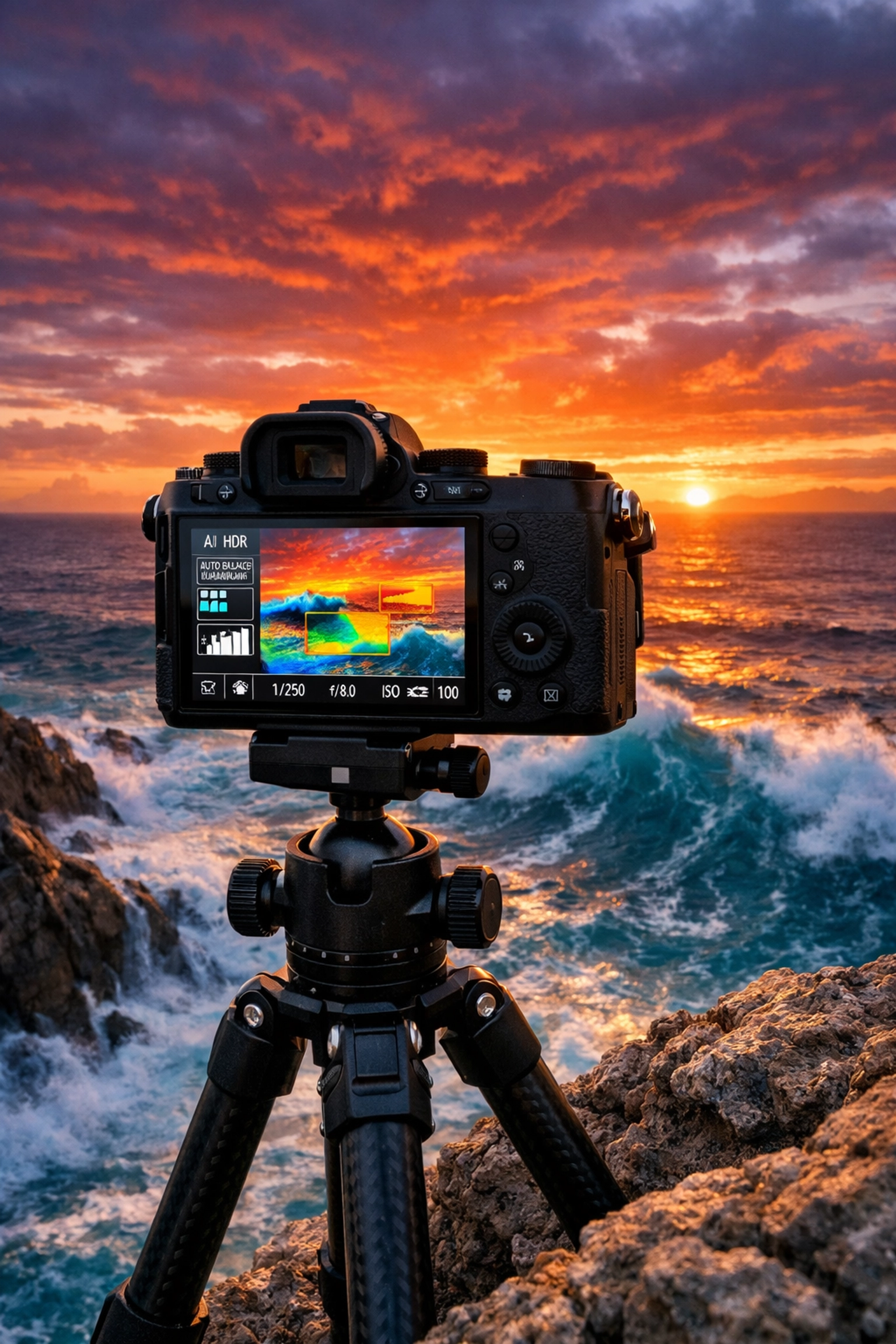
While software is doing a lot of the heavy lifting, your hardware still sets the ceiling for what the AI can do. AI works best when it has high-quality data to chew on. This is why having the essential water photography gear or a solid urban kit is still vital.
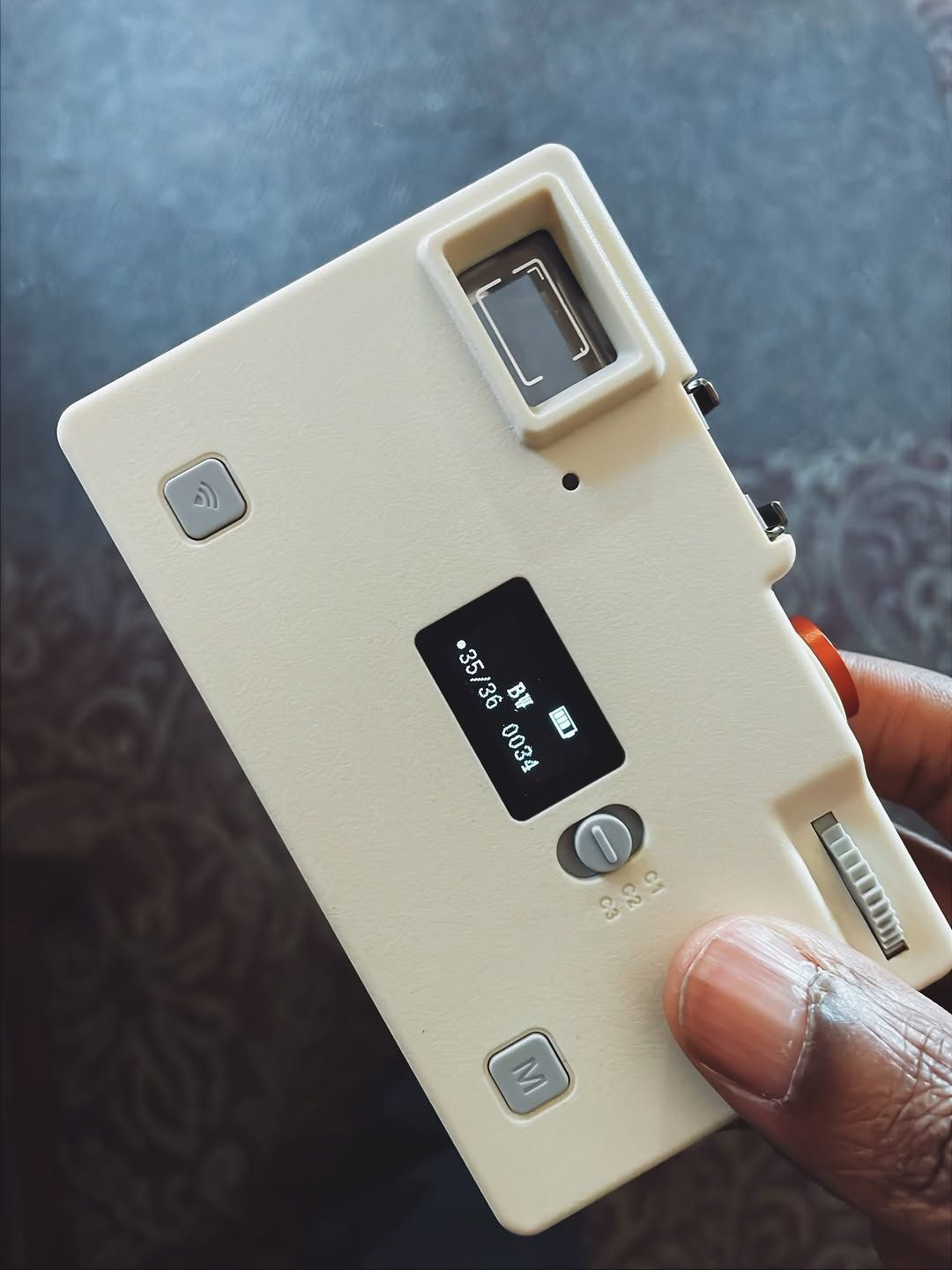
We’ve also seen a huge trend in "fun" gear that brings back the joy of shooting. For example, the Rewindpix cameras have become a cult favorite for photographers who want that tactile feel before they dive into the digital AI world.
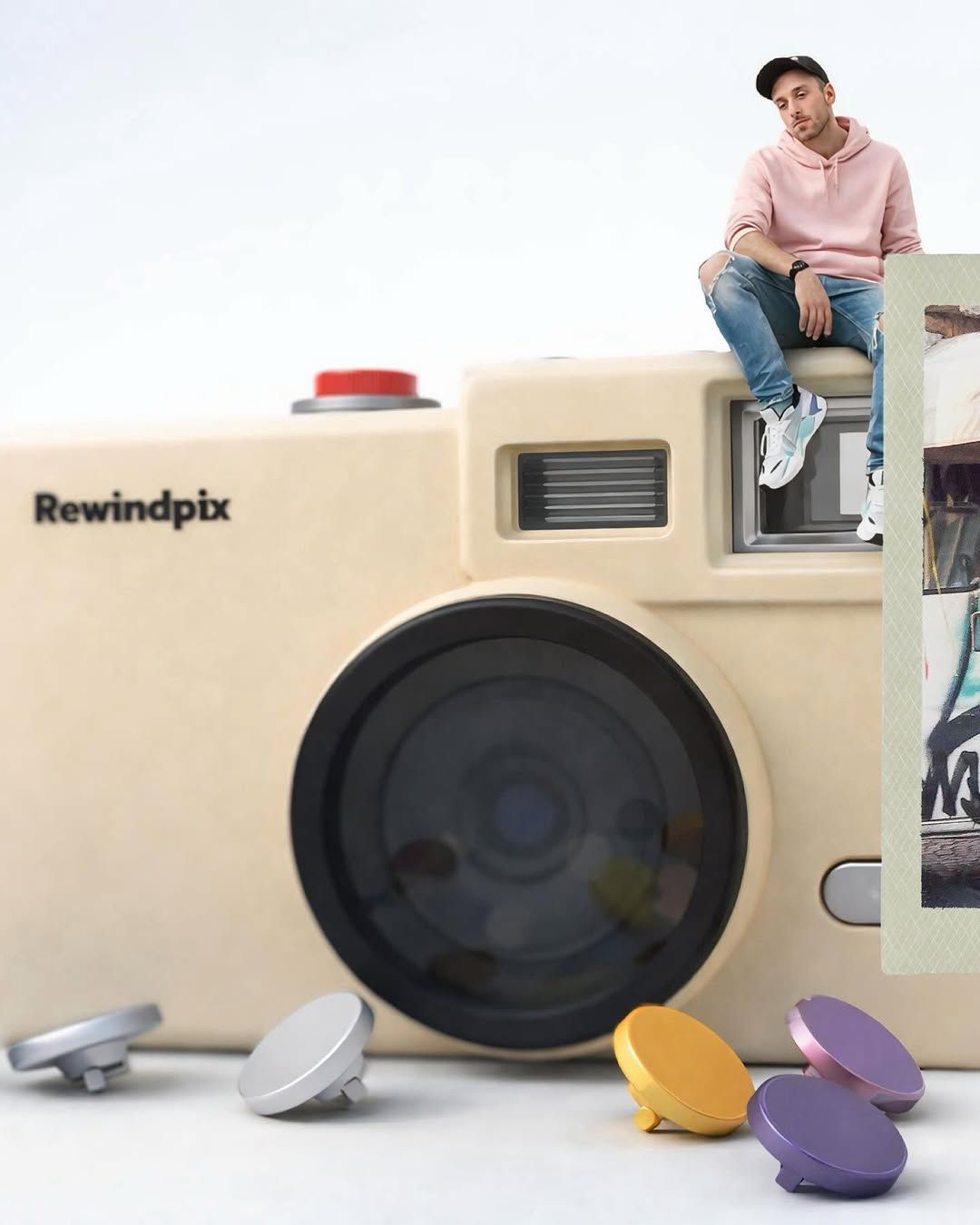
The combination of tactile, intentional shooting with high-speed AI processing is the "sweet spot" of 2026.
Mastering Light and Water
One area where AI has truly excelled is in the physics of light. Editing water used to be a nightmare because of the complex reflections and refractions. Now, whether you're mastering water photography in any environment or looking for long exposure techniques, AI can assist in separating the spray from the background or enhancing the "silkiness" of a waterfall without making it look like a cartoon.
By mastering light and water, you’re giving the AI a better "canvas" to work with. The more you understand the fundamentals of photography, the better you can direct the AI to achieve your specific aesthetic.
The Professional Edge: Why You Need to Adapt
If you are a commercial photographer, ignoring AI in 2026 is like ignoring digital sensors in 2005. It’s a competitive disadvantage. Clients expect faster turnarounds and higher quality. If you can’t deliver a gallery of enchanting urban photography within 24 hours, they will find someone who can.
But don't be intimidated. The learning curve has actually flattened. Tools like Luminar are designed to be intuitive. You don't need a PhD in prompt engineering to use them; you just need a vision.
For those looking to see how this looks in a fine art context, I highly recommend browsing EdinFineArt.com or EdinStudios.com to see how high-end imagery is evolving in this new era. The tech is different, but the goal: stunning, impactful art: remains exactly the same.
What’s Next?
As we move further into 2026, we’re going to see even more integration. Imagine your camera body having a "Luminar" button that applies your favorite AI presets to the EVF in real-time. We’re already seeing the beginnings of this with smart mirrors and advanced computational photography in smartphones, but the pro market is catching up fast.
The conversation about AI photo editing is no longer about "will it change photography?" It already has. The conversation now is about how you will use these tools to define your own unique style in a world where technical perfection is just a click away.
Whether you're exploring lesser-known vistas for enigmatic photos or shooting a wedding in the city, the AI is there to help you shine. Don't fight the machine: learn to conduct the orchestra.
For more guides on how to level up your photography, keep an eye on our latest posts here at Shut Your Aperture. We’re constantly testing the latest tech so you don't have to. Check out our top spots for stunning nature imagery for your next shoot, and remember: the best tool in your bag is still your eye. AI just helps you see better.