

It’s March 2026, and if you’ve spent any time on social media or in a photography forum lately, you know the vibe has shifted. The conversation isn’t just about who has the most megapixels anymore. We are living through a massive turning point in how we capture, edit, and value images.
If you feel like you’re falling behind, don’t worry. You aren’t. But you should definitely be paying attention. From AI becoming a silent partner in the studio to a massive "back to basics" movement that values soul over sharpness, there is a lot to unpack.
At Shut Your Aperture, we keep our finger on the pulse so you don’t have to. Here is why everyone is talking about the latest photography news and how you can use these shifts to make better work.
AI Is No Longer a Gimmick, It’s Your Assistant
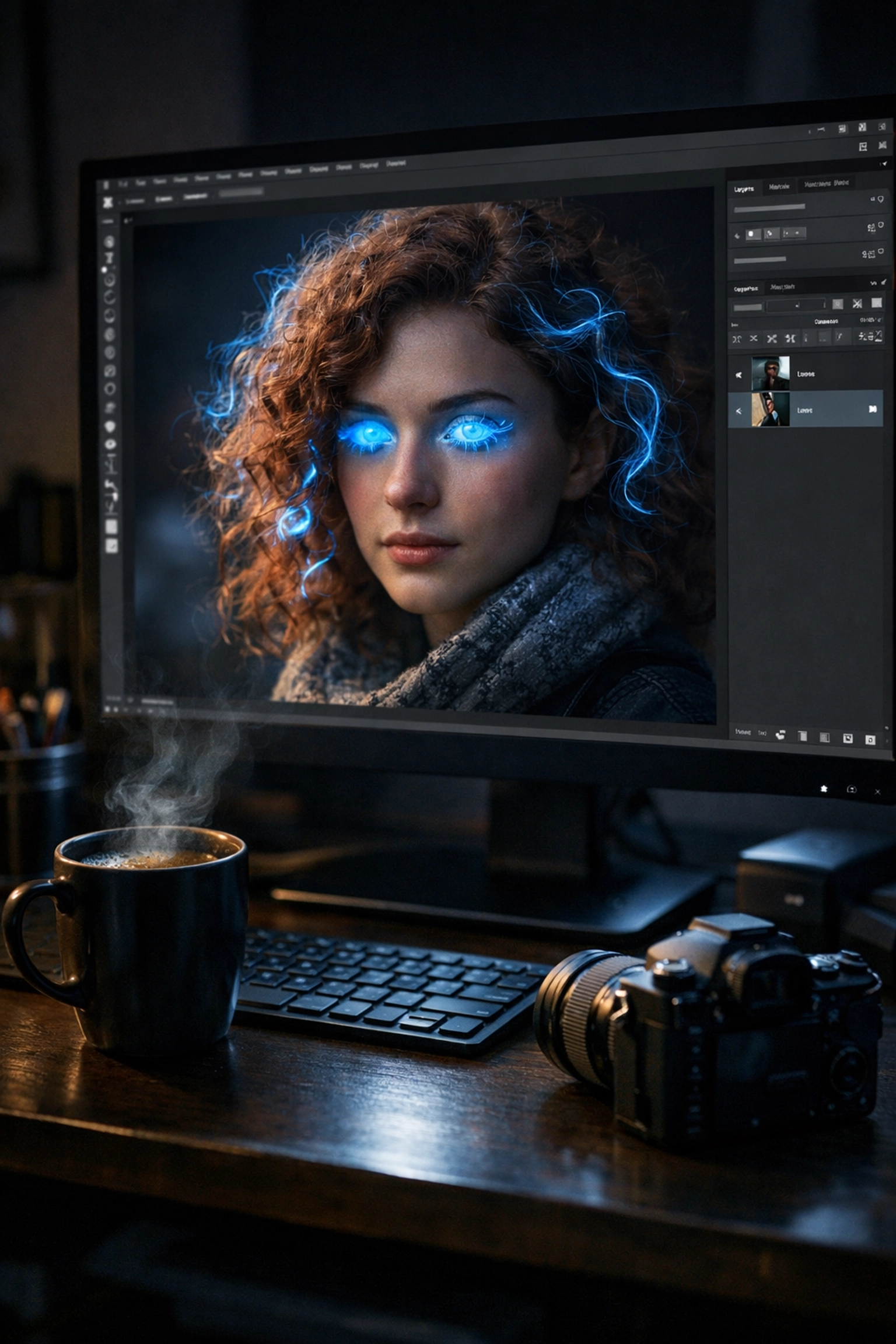
Remember a few years ago when everyone was terrified that AI would replace photographers? Well, it’s 2026, and we’re all still here. The difference is that AI has moved from being a scary "replacement" to a standard part of the creative workflow.
We aren't just talking about generating weird cats in outer space. We’re talking about the practical, boring stuff that used to take hours. Modern tools like Luminar have evolved to a point where they handle masking, noise reduction, and background cleanup with terrifying accuracy.
In the current landscape, using AI for these tasks isn't seen as "cheating." It’s seen as being efficient. If you can save three hours of tedious retouching by using smart masking tools, that’s three more hours you can spend actually out in the field shooting. The debate has shifted from "Should we use it?" to "How do we use it responsibly?"
The goal is to use these tools to enhance your vision, not replace it. For more tips on staying updated with these rapid shifts, check out The Ultimate Guide to Today’s Morning News, which covers everything you need to stay ahead in the visual arts.
The Backlash Against Perfection
For the last decade, the goal was perfection. We wanted zero noise, edge-to-edge sharpness, and perfectly balanced exposures. But something funny happened on the way to the "perfect" photo: everything started looking the same.
In 2026, there is a massive creative backlash against the algorithmic "perfection" we’ve been fed by social media. Audiences are tired of hyper-polished, plastic-looking skin and perfectly symmetrical landscapes. People are craving authenticity.
This means that "believable" candid moments are winning over staged, over-processed shots. Photographers are intentionally leaving in imperfections. A little bit of motion blur? Great. A blown-out highlight? It adds character. This shift is about documenting meaning rather than just documenting existence.
If you’re feeling stuck in the "perfect" trap, try leaning into the messy side of photography. We’ve talked before about using rare textures for tangible aesthetic photography, which is a fantastic way to break away from the digital gloss and give your work some real-world soul.
Technical Democratization: The End of the Gear Gatekeeper
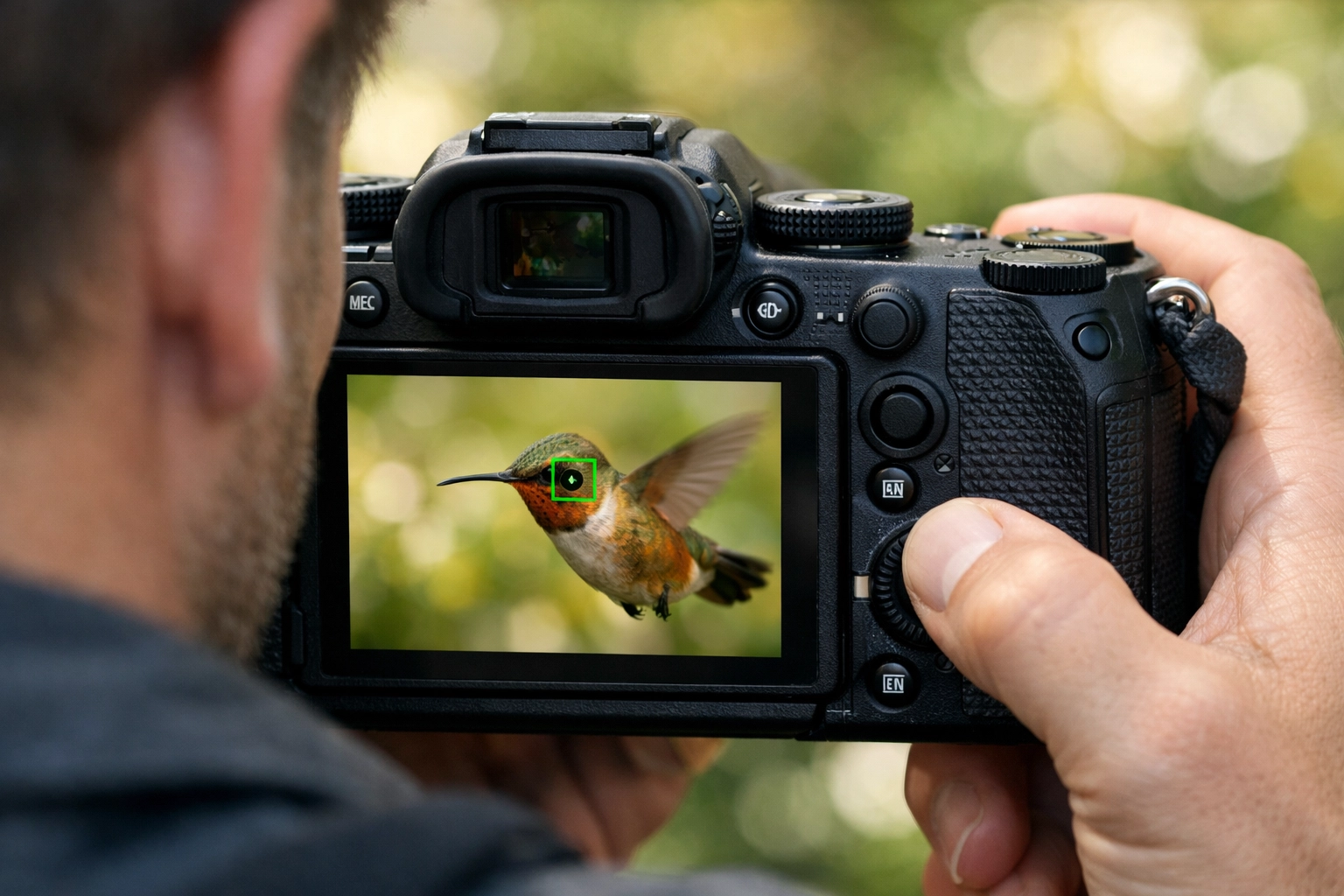
One of the biggest news stories this year is how far autofocus technology has come. The latest mirrorless cameras from the big three: Sony, Canon, and Nikon: can now track subjects through obstacles, identify eyes from a distance, and stay locked on with near-100% accuracy.
What does this mean for you? It means the technical barrier to entry has never been lower. A decade ago, capturing a bird in flight or a fast-moving athlete required years of practice to master focus tracking. Today, the camera does the heavy lifting.
Some old-school purists hate this. They think it "devalues" the skill of the photographer. We disagree. When the technical stuff becomes easier, the creative stuff becomes more important. Now that anyone can get a sharp shot, the real winners are the ones with the best eye, the best composition, and the best story to tell.
If you’re looking to upgrade your setup to take advantage of these new features, take a look at our guide on how to choose the best mirrorless cameras. It breaks down the latest gear reviews so you can spend your money wisely.
Aesthetics Are Moving Beyond the "Trend"
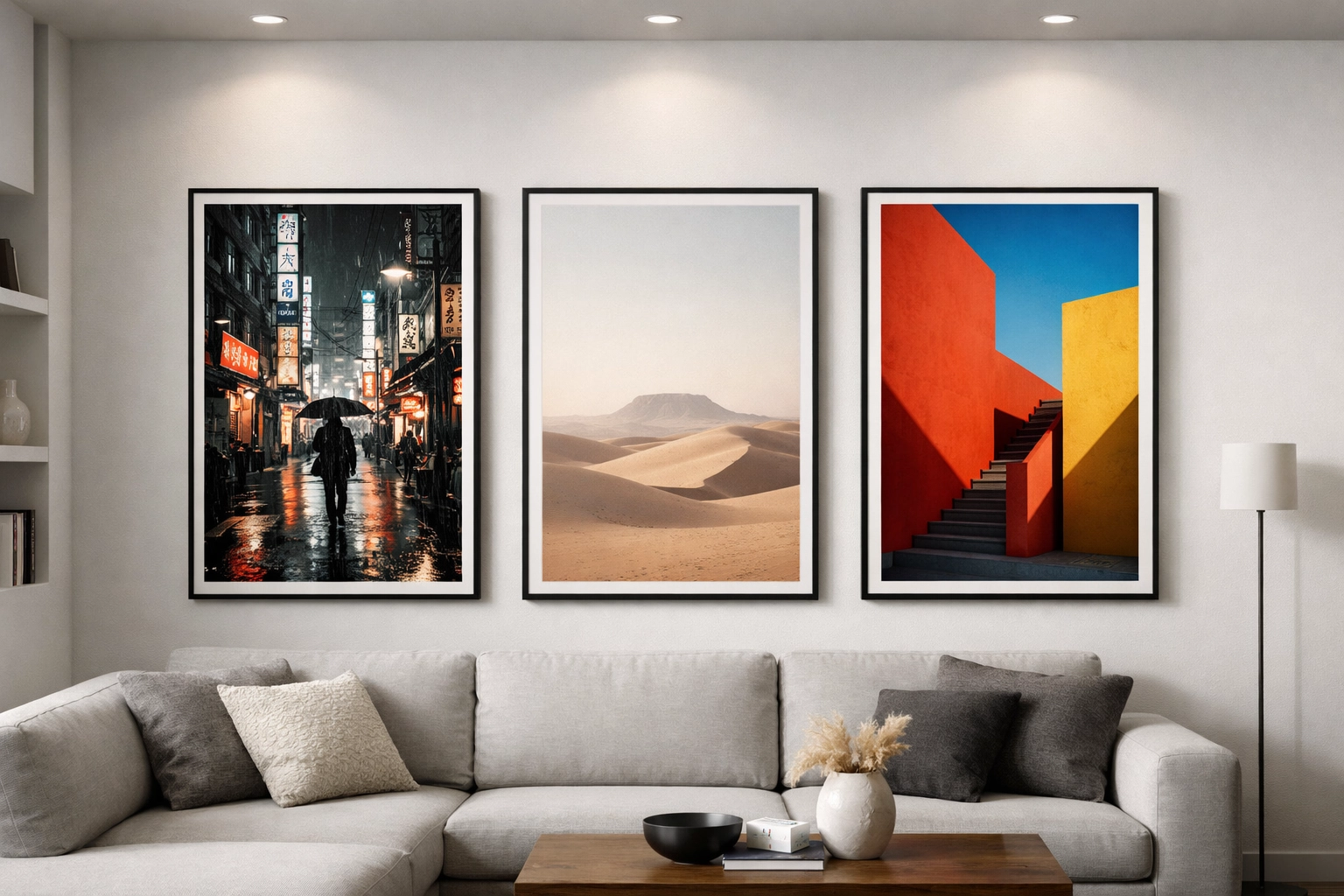
In the past, photography aesthetics were dominated by one or two major trends. One year it was "dark and moody," the next it was "light and airy." In 2026, we are seeing a fragmentation of styles.
Cinematic photography is evolving. We’re moving past the simple teal-and-orange color grading into more sophisticated, nuanced mood-building. At the same time, we’re seeing a rise in bold, saturated palettes that pop off the screen.
Vertical photography is also finally being treated as a legitimate design choice. For years, shooting vertical was seen as "just for TikTok." Now, vertical compositions are being used in high-end galleries and professional portfolios. It forces you to think differently about framing and how a viewer interacts with the image.
Whether you’re into minimalism or maximalism, the news is clear: there is no "correct" style right now. You have the freedom to define your own identity. If you're looking for more inspiration on finding your unique voice, visit PhotoGuides.org for some deep dives into creative theory.
The Return to Tangible Art
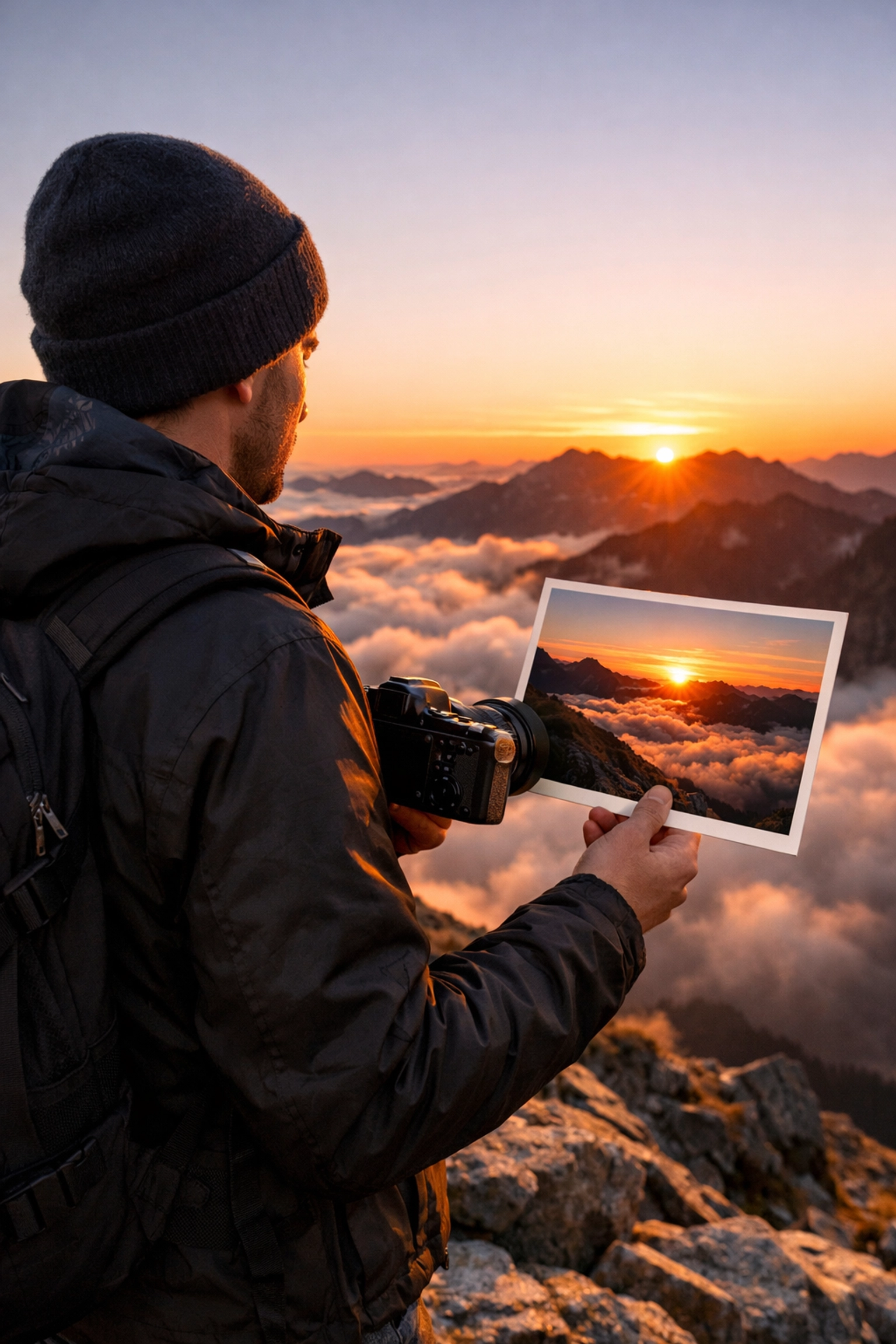
After years of our photos living exclusively on hard drives and Instagram feeds, the photography community is having a "vinyl moment." People are printing their work again.
There is a growing movement of photographers prioritizing physical outputs: prints, zines, and high-quality photo albums. In a world where we swipe past hundreds of images a day, a physical print demands attention. It has weight. It has texture. It’s permanent.
This return to tangible art is also why we’re seeing a renewed interest in traditional techniques. People want something they can touch. For many, a digital file just doesn’t feel "finished" until it’s on paper. If you’ve never printed your work, 2026 is the year to start. Seeing your image at 24×36 inches will change how you view your own talent.
You can find more on the philosophy of physical art over at blog.edinchavez.com, where the focus is often on the intersection of travel, life, and the art of the print.
Why Manual Mode Still Matters
With all this talk about AI and advanced autofocus, you might think that learning the basics is a waste of time. You’d be wrong.
Understanding the fundamentals: shutter speed, aperture, and ISO: is actually more important now. Why? Because you can’t break the rules until you know what they are. AI can help you fix a mistake, but it can’t replace the intentionality of choosing a specific depth of field or a particular shutter speed to convey motion.
If you really want to stand out in a world of automated "perfection," you need to take control of your gear. Mastering manual mode gives you the creative keys to the kingdom. If you’re just starting out or need a refresher, our Manual Mode 101 guide is the perfect place to start.
Staying Ahead of the Curve
So, why should you care about all this photography news? Because photography isn't a static hobby. It’s a living, breathing industry that reacts to technology and culture.
By staying informed, you aren't just "keeping up with the Joneses." You’re expanding your creative toolkit. You’re learning which tools (like Luminar) can help you work faster, and which trends are worth ignoring so you can focus on your own unique style.
The photographers who are succeeding in 2026 are the ones who are curious. They are the ones who aren't afraid of new tech but also aren't afraid to pick up a film camera or print a 50-page book of their street photography.
Conclusion: It’s a Great Time to Be a Photographer
If there is one takeaway from the latest photography news, it’s this: there has never been a better time to be a creator. We have better tools, more inspiration, and fewer gatekeepers than ever before.
Don't let the noise overwhelm you. Use the news as a springboard for your own creativity. Try a new editing technique, experiment with motion blur, or finally get that one special shot printed and framed.
For more resources and to keep your skills sharp, check out www.proshoot.io for professional-level insights or browse the fine art collections at www.edinfineart.com to see how these trends translate into high-end gallery work.
Keep shooting, keep experimenting, and most importantly, shut your aperture and go make something beautiful.
Category: News
Tags: News, PHOTO SERIES, TUTORIALS, TRAVEL




