If you’ve picked up a camera lately, or even just scrolled through your feed, you’ve probably noticed that things feel… different. We aren't in 2020 anymore. Heck, we aren't even in 2024. It’s March 2026, and the photography world has undergone a massive transformation. The "old ways" of doing things aren't necessarily dead, but they’ve certainly been invited to sit in the back row while new, exciting, and sometimes controversial trends take the stage.
At Shut Your Aperture, we keep a close eye on where the wind is blowing. Whether you’re a professional looking to stay competitive or a hobbyist who just wants better photos for the ‘gram, understanding these shifts is crucial. From the way we use artificial intelligence to the sudden, massive resurgence of film, here is why everyone is talking about these photography news trends, and why you should be paying attention, too.
The AI Revolution: From "Threat" to "Creative Assistant"
Let’s address the elephant in the room first. A couple of years ago, everyone was terrified that AI was going to delete the professional photographer. Fast forward to 2026, and the narrative has completely flipped. AI isn't replacing the photographer; it’s replacing the boring parts of the job.
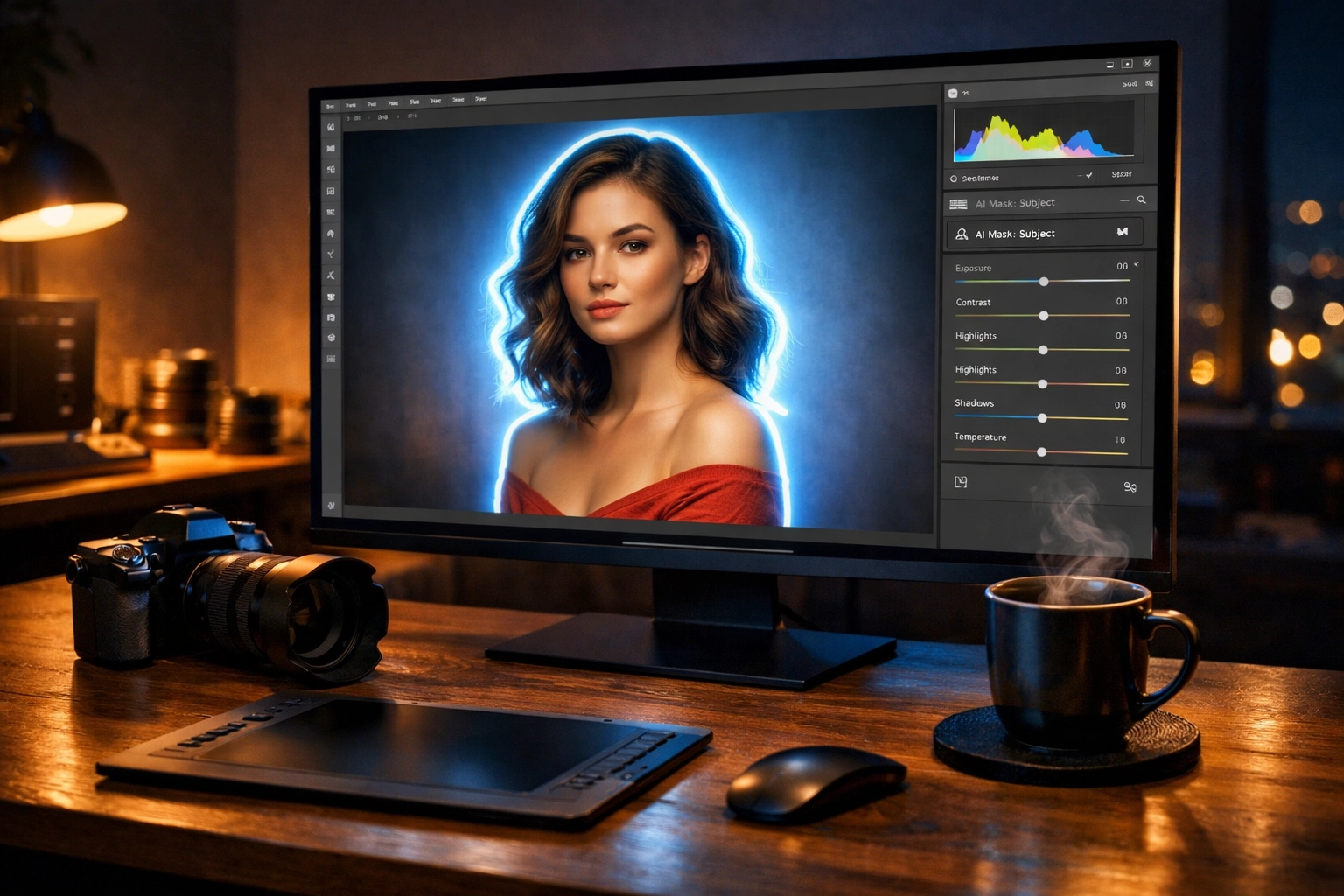
We are seeing a massive shift toward AI integration into the creative workflow. Tools like Luminar have moved beyond simple sky replacement. We’re now looking at software that can handle complex technical adjustments, like fixing lighting on a subject’s face or removing distracting objects with pixel-perfect accuracy, in a matter of seconds.
What used to take three hours in Photoshop now takes three clicks. This frees us up to focus on what actually matters: storytelling, composition, and connecting with the person on the other side of the lens. If you’re still spending eight hours a day tethered to a desk doing basic retouching, you’re falling behind. The trend now is to use AI as your digital intern. It does the heavy lifting, and you do the creative directing. For more deep dives into how tech is changing the game, check out PhotoGuides.org.
The "Authenticity" Backlash: Goodbye Perfection, Hello Reality
For a long time, the goal of photography was perfection. We wanted the smoothest skin, the most vibrant (and often unrealistic) colors, and the most meticulously posed shots. But in 2026, the "uncanny valley" of over-edited photos has finally pushed people over the edge.
There is a growing movement, led largely by Gen Z, that prizes authenticity over polish. People are tired of looking at "perfect" lives that don't exist. This has led to a surge in candid, unfiltered imagery. We’re talking about photos that embrace motion blur, lens flare, and even a bit of digital noise.
In the world of travel photography, this means moving away from the "Instagram-famous" spots that everyone has seen a million times. Photographers are now seeking out hidden gem locations for travel photography to capture something that feels real and undiscovered. The trend is to be a fly on the wall rather than a director. If an image feels "believable," it wins. If it feels "staged," it gets scrolled past.
Mobile-First Composition: Thinking in 9:16
It’s time to stop treating vertical photography as a secondary thought. For decades, the 3:2 horizontal landscape was the gold standard. But let’s be real: most people are viewing your work on a smartphone.
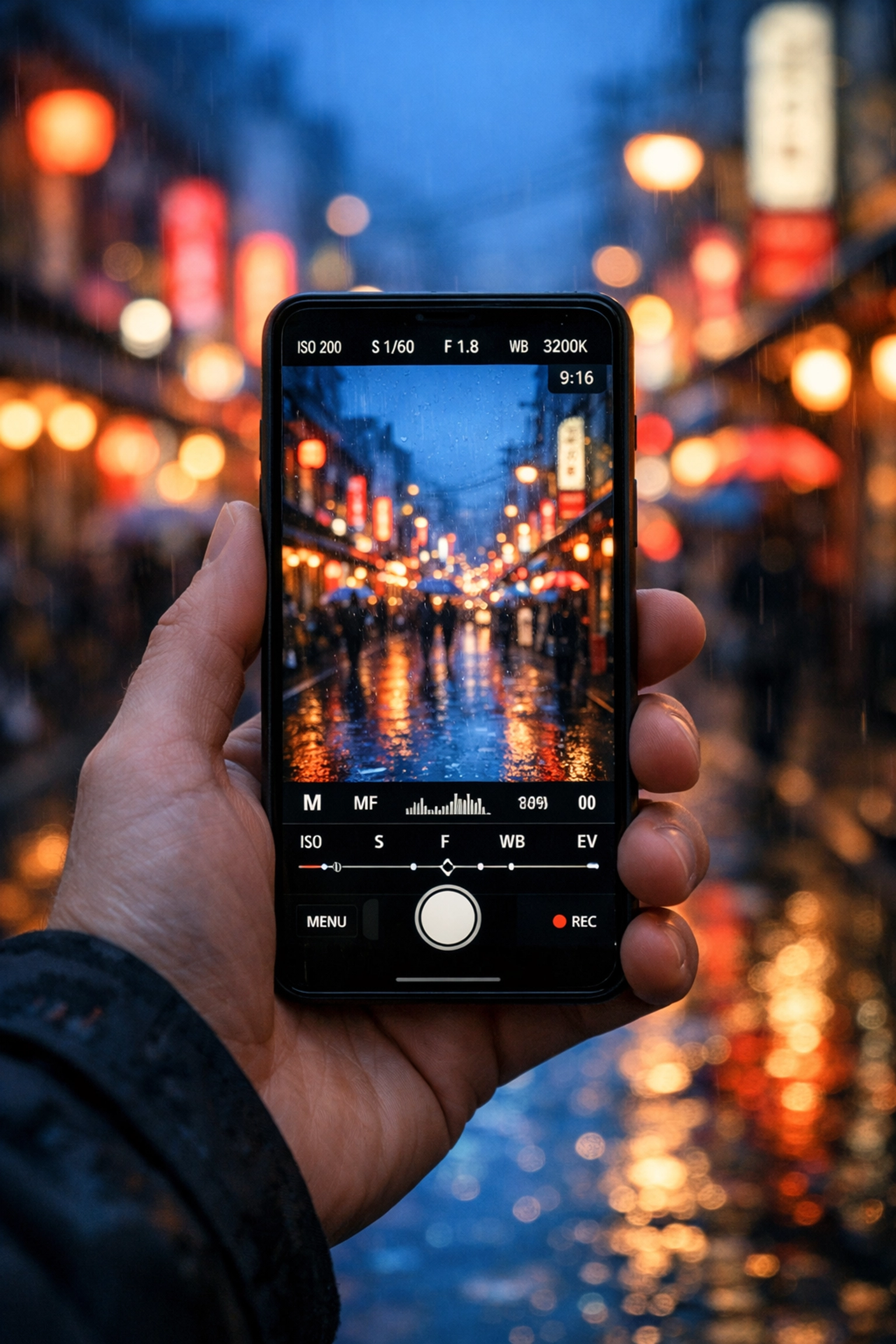
In 2026, "Mobile-First" is no longer a buzzword; it’s a requirement. Photographers are now composing their shots specifically for a 9:16 aspect ratio from the very beginning. This isn't just about cropping a horizontal photo; it’s about how you lead the viewer’s eye vertically. It changes how we use negative space and where we place our subjects.
Whether you’re shooting for a client or your own portfolio, you have to consider how that image looks on a vertical screen. The algorithms on platforms like Instagram and TikTok have made this non-negotiable. If you want visibility, you have to play by the rules of the screen. I’ve seen some incredible work on proshoot.io that proves you can maintain high-end professional quality while catering to mobile formats.
The Film Revival: Why Analog is the New Digital
If you told someone in 2010 that film would be one of the hottest trends in 2026, they would have laughed at you. And yet, here we are. Photographers under the age of 25 now make up over 40% of the market for film photography.
Why? Because in an era where AI can generate a "perfect" image in seconds, something that is physical, tangible, and slightly unpredictable feels like magic. There is a "soul" in film that digital struggle to replicate. The grain, the way the colors bleed, and the fact that you only have 36 exposures makes every shot intentional.
This trend is also bleeding into how we edit digital photos. We’re seeing a huge demand for using rare textures for tangible aesthetic photography to give digital files that analog "grit." People want their photos to feel like they can reach out and touch them. They want the imperfections. If you haven't dusted off an old Canon AE-1 yet, now might be the time.
Cinematic Storytelling and Bold Color Theory
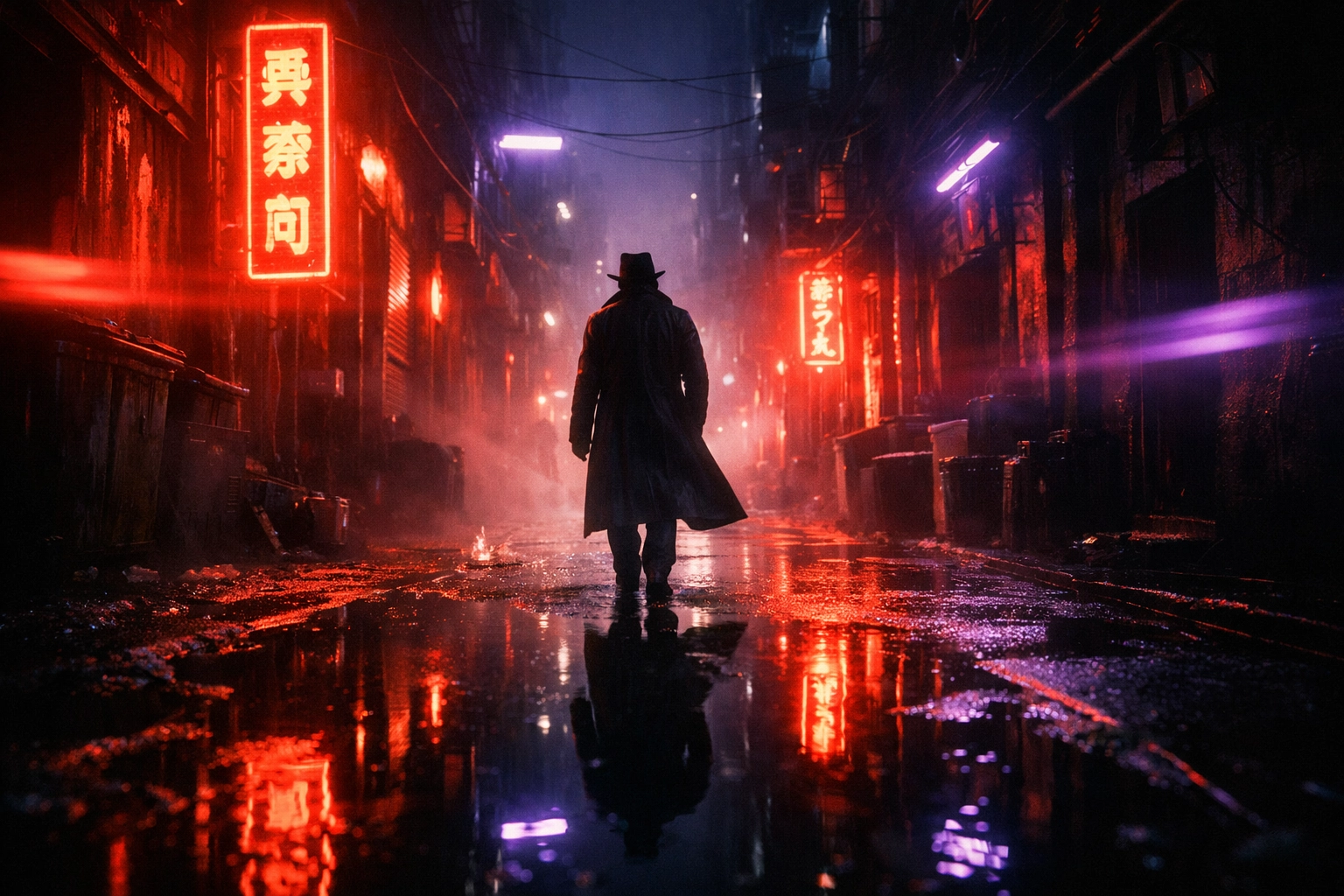
We are seeing a move away from the "natural look" toward something much more cinematic. Thanks to the influence of high-end streaming series and cinema, photographers are adopting "film language" in their still shots. This means using deliberate lighting, moodier shadows, and bold, punchy colors.
Forget the "teal and orange" presets of the 2010s. Today's trend is about neon reds, deep electric blues, and heavy use of RGB lighting to create a narrative. Every photo should feel like a still from a movie you desperately want to watch. This style is especially popular in urban environments. If you’re looking for inspiration on how to frame these shots, browsing lesser-known vistas for enigmatic photos can give you a fresh perspective on how to use environment to tell a story.
When you combine cinematic lighting with high-end production, you get images that stop the scroll. For examples of how this looks in a commercial setting, you can see some great work over at edinstudios.com.
Finding New Vistas in a Crowded World
As the world gets smaller and every corner of the globe is mapped out on Google Earth, the trend for 2026 is the search for the "unseen." Landscape photographers are moving away from the "greatest hits" (sorry, Horseshoe Bend) and are instead looking to discover ethereal landscapes for captivating shots that haven't been over-saturated on social media.
This trend is driven by a desire for exclusivity and storytelling. Anyone can fly to a famous spot and take the same photo as ten thousand other people. But finding a hidden gem for stunning travel photography requires effort, research, and a bit of an adventurous spirit. Audiences respond to this effort. They want to see something they haven't seen before. They want to feel like they are discovering a secret along with you.
Why You Need to Adapt (Without Losing Your Voice)
With all these trends flying around, it’s easy to feel overwhelmed. You might think, "Do I really have to shoot vertical film using AI while looking for a hidden cave in the middle of nowhere?"
The answer is no. You don’t have to do everything. But you do have to be aware of why these things are happening.
Trends are just a reflection of what people are feeling. The shift toward authenticity is a reaction to digital overload. The shift toward AI is a reaction to the need for speed and efficiency. The film revival is a reaction to a lack of tactile experiences in a digital world.
The goal isn't to chase every trend like a headless chicken. The goal is to take the parts of these trends that resonate with you and use them to improve your work. Maybe you start using Luminar to speed up your workflow so you can spend more time scouting locations. Maybe you start shooting more vertical content because you realize that's where your audience is. Or maybe you lean into the cinematic look because you’ve always loved movies.
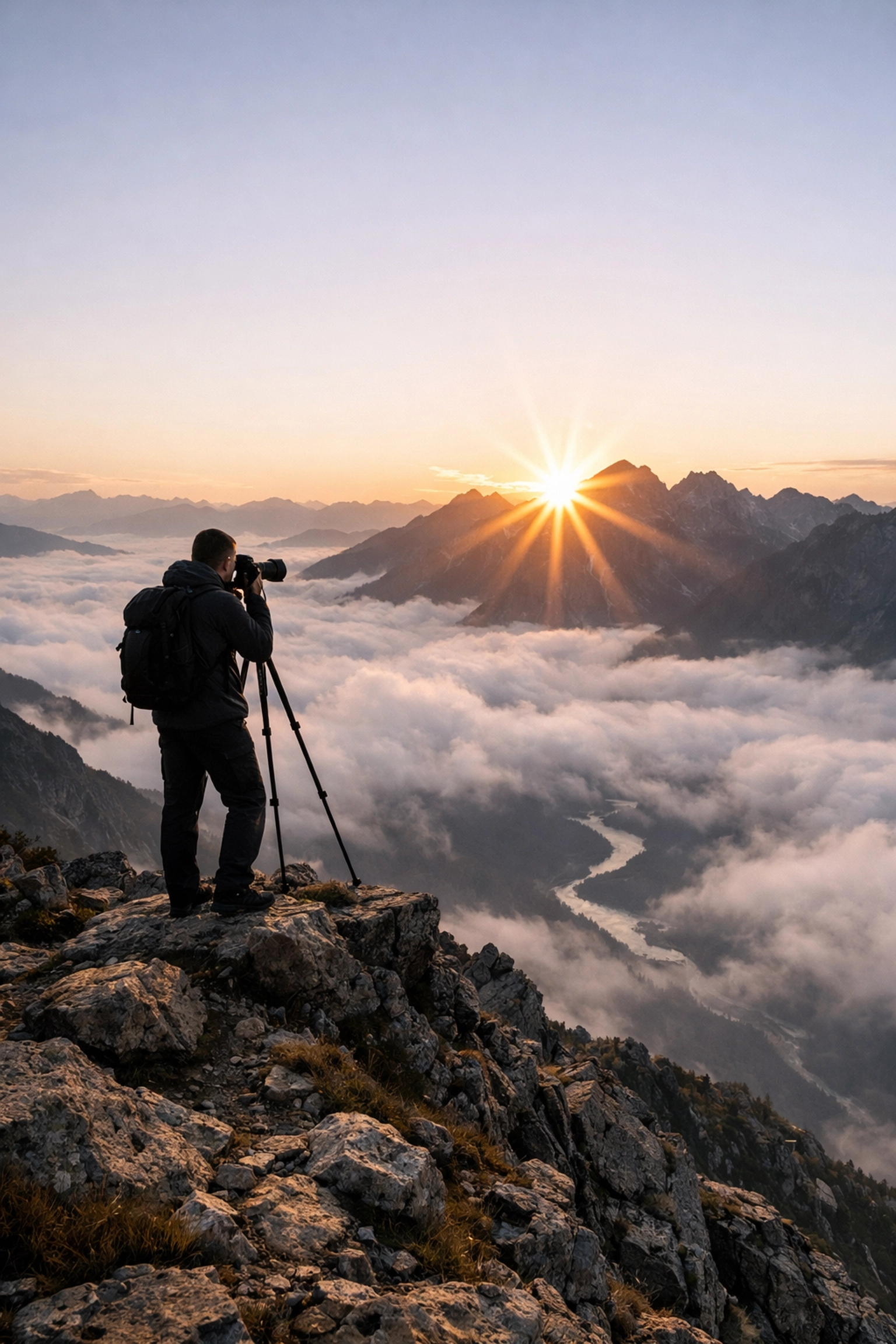
The Tech Side: Gear is Getting Smarter
We can't talk about news trends without mentioning the gear. In 2026, the gap between "entry-level" and "professional" cameras has narrowed significantly. Even mid-range mirrorless cameras now come with autofocus systems that can track a bird's eye through a forest or a car moving at 100mph.
But the real trend isn't just better sensors; it's better connectivity. We are seeing cameras that can upload directly to the cloud the moment a photo is taken. This "live" workflow is changing how event photographers and journalists work. You can find more about the latest gear reviews and technical tutorials on blog.edinchavez.com.
The gear is becoming more invisible. It's less about the specs on the box and more about how the camera stays out of your way so you can create. This allows for more spontaneous, "real" moments, feeding back into that authenticity trend we talked about earlier.
The Business of Photography in 2026
If you’re making a living with your camera, the news isn't just about how we shoot, but how we sell. The market for "stock" photography has shifted. Traditional, generic stock photos are out. High-quality, "authentic-style" imagery is in.
Brands are looking for photos that don't look like ads. They want images that look like they were taken by a friend: albeit a friend with a really good eye and a great camera. If you're looking to sell your work, think about how it fits into a brand's social media narrative. For those focusing on the fine art side of things, edinfineart.com is a great resource to see how high-end photography is being curated and sold in today's market.
How to Stay Relevant
So, how do you keep up?
- Keep Learning: The moment you think you know everything is the moment you become obsolete. Check out PhotoGuides.org for constant updates on techniques.
- Experiment: Don't be afraid to try a trend and fail. Shoot some film. Try a vertical-only shoot. See how it feels.
- Focus on Story: No matter how much AI or gear changes, a good story will always be the most important part of a photograph.
- Be Human: In an increasingly automated world, your unique human perspective is your greatest asset.
The photography landscape of 2026 is vibrant, fast-paced, and a little bit chaotic. But for those who are willing to adapt and embrace these trends, it’s also full of more opportunities than ever before. Whether you are using Luminar to polish your shots or trekking to lesser-known vistas for that perfect shot, the key is to stay curious.
Stop worrying about what photography "used to be" and start getting excited about what it is becoming. The tools are better, the world is still full of beauty, and people are more hungry for great visual stories than ever. Now, go out there and shut your aperture (after you've dialed in your settings, of course).
Categories: NEWS, PHOTO SERIES, TUTORIALS, TRAVEL
Tags: NEWS, PHOTO SERIES, TUTORIALS, TRAVEL