Let’s be real for a second: your LinkedIn profile picture is basically your digital handshake. Before you even get the chance to say "hello" or explain why you’re the best person for the job, people have already judged you based on that little circle on their screen. It’s human nature. We’re visual creatures.
If your headshot looks like a cropped-out photo from your cousin’s wedding (complete with a stray shoulder from your Aunt Linda), you’re telling the world you’re a hobbyist, not a pro. In the world of high-stakes business, perception is reality. Whether you’re a CEO, a freelancer, or a rising executive, having a polished image is non-negotiable.
At Shut Your Aperture, we see it all the time. People spend thousands on their education and hundreds of hours on their resumes, but then they use a selfie taken in a dark hallway for their professional branding. We’re here to stop the madness. Here are the 7 most common mistakes people make with corporate headshots and, more importantly, how you can fix them to dominate your industry.
1. Using a Photo from the Paleolithic Era
We get it. You looked great in 2014. The lighting was perfect, your hair was doing exactly what you wanted, and you didn’t have those "wisdom lines" around your eyes yet. But if you walk into a meeting and the person sitting across from you has to do a double-take to make sure you’re the same human being from the photo, you’ve already lost trust.
Using an outdated photo is misleading. In business, trust is the currency. If your photo is more than three years old, it’s time to move on. Physical changes, new hair color, weight loss or gain, or just the natural aging process, should be reflected in your brand.
The Fix: Schedule a new session every 2-3 years. If you’ve recently had a major style change, book it sooner. When you’re looking for professional corporate headshot tips, the number one piece of advice is always: stay current. You want to look like the best version of yourself today, not a decade ago. If you want to dive deeper into how to stay ahead of the curve, check out our thoughts on why everyone is talking about today’s photography news.
2. The Lighting is Killing Your Vibe
Lighting is the difference between looking like a visionary leader and looking like you’re being interrogated in a basement. Poor lighting, like harsh overhead fluorescent office lights, creates deep shadows under your eyes (hello, dark circles) and makes your skin look like a weird shade of gray.
On the flip side, direct sunlight can wash you out and cause you to squint, which makes you look nervous or unsure. Finding the best lighting for executive portraits is an art form. You want soft, directional light that defines your features without creating harsh contrasts.

Alt Text: A professional executive portrait showing soft, balanced lighting that highlights the subject's features without harsh shadows, illustrating the best lighting for executive portraits.
The Fix: If you’re DIY-ing it, look for "window light." Stand near a large window but not in direct sun. If you’re hiring a pro, ask them about their lighting setup. They should be using modifiers like softboxes to wrap the light around your face. For those who want to fix their lighting in post-production, using a tool like Luminar can help balance exposures and bring back the glow to your skin. If you want to learn the basics of how light works with your gear, read our guide on how to master your camera’s manual mode in 5 minutes.
3. Your Background is a Jungle
We’ve seen it all: busy office cubicles, messy bookshelves, tropical palm trees, and the dreaded "generic brick wall." While environmental portraits are great, a corporate headshot should focus on you. If your background is too busy, it distracts the viewer.
Furthermore, if you’re part of a team, inconsistency is a brand killer. If one person has a white background, another has a park, and the third is in a dark library, your company page looks like a disorganized mess.
The Fix: Keep it simple. A neutral gray, white, or soft blue background is usually the way to go. It’s timeless and ensures your face is the star of the show. If you want something more modern, a blurred "bokeh" office background can work, but it needs to be subtle. Consistency across your team is key to looking like a cohesive unit. You can find more inspiration for clean compositions in our article on mastering photography: 10 essential tips.
4. Dressing for a Saturday, Not a Monday
What you wear tells a story. If you’re a lawyer, you probably shouldn’t be wearing a neon-green hoodie. If you’re a creative director, a stiff three-piece suit might feel off-brand. The mistake people make is either being too casual or choosing clothes that don’t photograph well.
Busy patterns, tiny checks (which create a "moire" effect on screens), and neon colors are all big no-nos. They distract the eye and can even make the viewer feel slightly dizzy.
The Fix: Stick to solid colors. Mid-tones like navy, charcoal, or deep green work well for almost everyone. Ensure your clothes are ironed and fit well; a baggy suit makes you look small, and a tight shirt looks uncomfortable. When considering how to prepare for a headshot session, always bring a few options so your photographer can help you choose what looks best under the lights. For more professional advice on styling, check out PhotoGuides.org.

Alt Text: Close-up of professional attire for a headshot, showing a well-fitted navy blazer and a solid light blue shirt, representing professional corporate headshot tips for clothing.
5. Low-Res Disasters and The "Ghost Arm" Crop
In 2026, there is no excuse for a blurry, pixelated photo. Modern screens, from iPhones to 5K monitors, are incredibly sharp. If you upload a tiny file you saved from Facebook five years ago, it’s going to look terrible.
The other major issue is the "group photo crop." We can see the hand on your shoulder from the person you cropped out. It looks amateur and lazy. You are a professional; your photo should be, too.
The Fix: Always use high-resolution files. If you work with a professional studio like Edin Studios, they will provide you with files optimized for various platforms. Make sure the crop follows the "rule of thirds" and leaves enough room for your head to breathe without too much empty space. If you’re struggling with composition, our post on shot compositions and buyer attraction has some great crossovers that apply to headshots as well.
6. Posing Like a Cardboard Cutout
Most people hate being in front of a camera. The result? "The Turtle" (neck craning forward), "The Statue" (stiff arms and no movement), or the "Fake Smile" (which doesn't reach the eyes). If you look uncomfortable in your photo, you look unapproachable.
Confidence is projected through body language. Crossed arms can look powerful, but they can also look defensive depending on your facial expression. Slumping makes you look tired.
The Fix: It’s all about the jawline and the eyes. Push your chin slightly out and down to define your jaw. Relax your shoulders. Most importantly, work with a photographer who knows how to coach you. A good pro won’t just click the shutter; they’ll talk to you, crack a joke, and catch that split second where you actually look like a human being. Check out ProShoot.io for more tips on posing for the camera.

Alt Text: A professional posing for a headshot with a relaxed but confident posture, demonstrating how to prepare for a headshot session to look approachable and authoritative.
7. The "Uncanny Valley" of Over-Retouching
We’ve all seen it: the person whose skin looks like it was made of plastic. Their teeth are blindingly white, and their eyes look like they’re glowing from an internal light source. Over-retouching is just as bad as a bad photo. It looks fake and can be quite off-putting.
The goal of retouching should be to make you look like you on your best day, not like a CGI character from a low-budget sci-fi movie.
The Fix: Less is more. You want to remove temporary blemishes (pimples, a stray hair), but you should keep your character lines and natural skin texture. If you’re doing your own editing, use Luminar for its AI-driven but natural-looking skin enhancement tools. It’s about polishing, not rebuilding. You want people to recognize you when you meet in person! For a look at how professional art avoids these pitfalls, see Edin Fine Art.
How to Dominate Your First Impression
Fixing these mistakes isn’t just about looking "pretty." It’s about branding. Your headshot is a key part of your marketing funnel. Whether you’re trying to land a new client or climb the corporate ladder, your image should work for you, not against you.
If you’re ready to stop making these mistakes and want to see what a truly professional experience looks like, you need to check out Perfect Corporate Headshots. They specialize in creating high-impact imagery that actually converts.
Remember, your camera gear matters, but the strategy behind the shot matters more. Whether you’re learning landscape photography from Peter Lik or trying to master the perfect executive portrait, the principles of quality and authenticity remain the same.

Alt Text: A side-by-side comparison of a "bad" headshot (poor lighting, busy background) vs a "good" headshot (professional lighting, neutral background), highlighting the importance of professional corporate headshot tips.
Your Action Plan:
- Audit Your Profile: Go to LinkedIn right now. Is your photo older than your current car? If yes, it’s time for an update.
- Pick Your Wardrobe: Find two outfits that make you feel like a boss. Avoid patterns.
- Hire a Specialist: Don't just go to a passport photo office. Go to someone who understands executive portraits.
- Practice Your Expression: Spend two minutes in the mirror. Find your "good side." (We all have one).
- Invest in Quality: Your career is worth more than a $20 mall photo.
For more tips on elevating your visual presence, keep an eye on Edin Chavez’s personal insights at blog.edinchavez.com. We’re constantly updating our site with the latest techniques to help you shut your aperture and capture the perfect life.
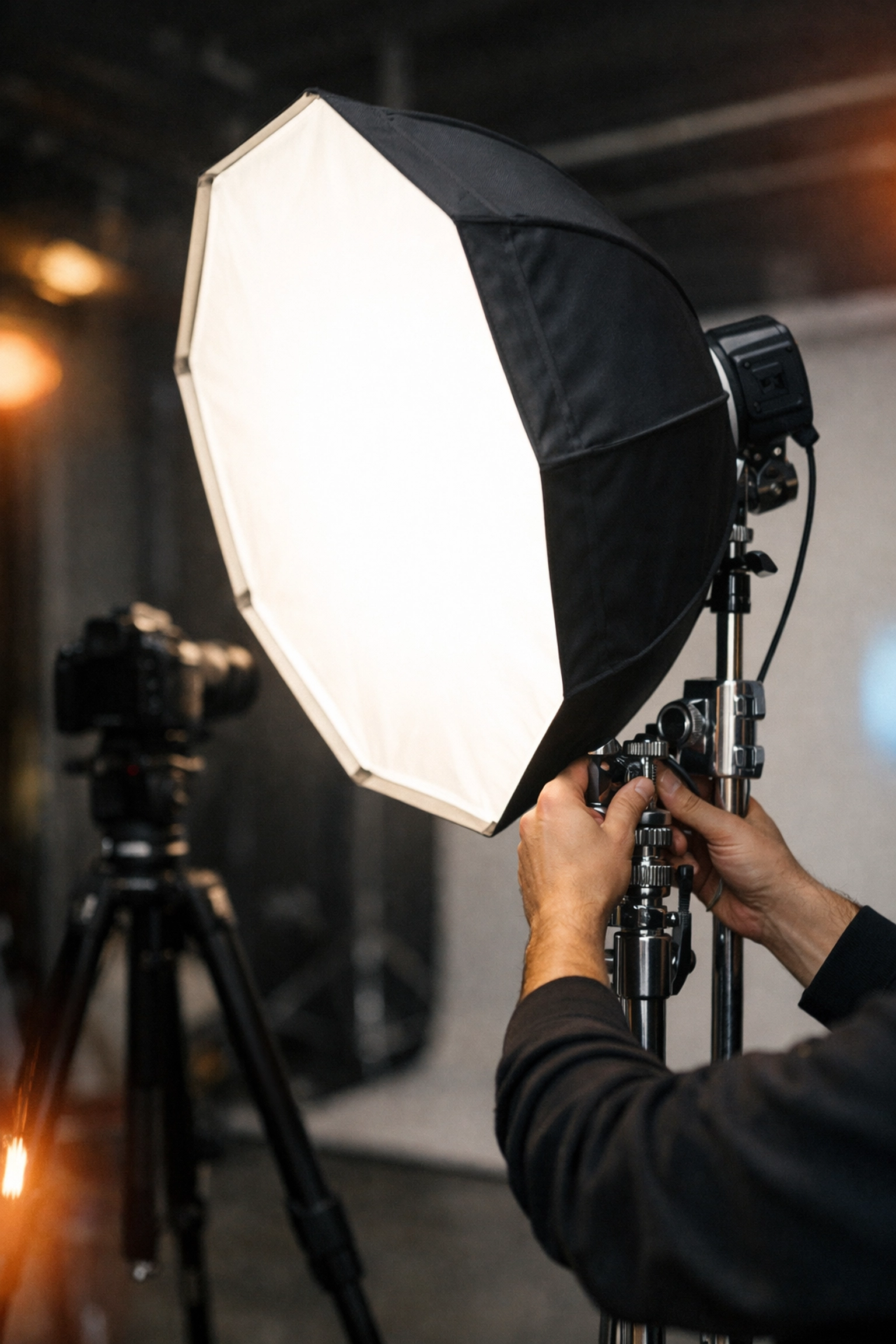
Alt Text: A professional photographer adjusting a softbox light in a studio, showing the preparation required for the best lighting for executive portraits.
Stop settling for "good enough." Your professional identity deserves better. Whether you’re navigating the world of real estate marketing or aiming for the C-suite, your headshot is the foundation of your personal brand. Make it count.