
Street photography is the wild west of the camera world. There are no controlled lights, no models waiting for your "action" cue, and definitely no "can we do that one more time?" from the guy balancing three crates of oranges on his bicycle. It is raw, unpredictable, and, if we’re being honest, intimidating as hell.
Most people pick up a camera, head to a busy intersection, and expect to come home with a Henri Cartier-Bresson masterpiece. Instead, they come home with 400 blurry photos of people’s backs and a lingering sense of social anxiety.
If your street shots feel a bit "meh," don't sweat it. You’re likely falling into the same traps every beginner (and a lot of pros) stumble into. Let’s break down the seven most common street photography mistakes and, more importantly, how to fix them so you can start capturing images that actually tell a story.
1. The Analysis Paralysis (Thinking Too Much)
The biggest enemy of a great street photograph isn't a bad lens or a dark alley; it's your own brain. In the time it takes you to check your exposure, adjust your ISO, and wonder if your shutter speed is fast enough to freeze that skateboarder, the moment has already vanished into the ether.
Street photography happens in fractions of a second. If you’re spending your time analyzing technical details, you aren't watching the world. You’re watching your LCD screen.
How to Fix It:
Simplify your process. Street photography is about reaction, not calculation. Set your camera to Aperture Priority or even Program mode if the light is changing rapidly. Use Auto-ISO with a minimum shutter speed limit so you know your shots will be sharp. By the time you get to 2026, camera tech is so good that you really don't need to be in full Manual mode for street work. Check out our breakdown on whether new camera gear really matters in 2026 to see how automation is changing the game. Trust your instincts. If you see something interesting, press the shutter first and ask questions later.
2. The Sniper Approach (Not Getting Close Enough)
Robert Capa, the legendary war photographer, once said, "If your pictures aren't good enough, you aren't close enough." This is the golden rule of the street.
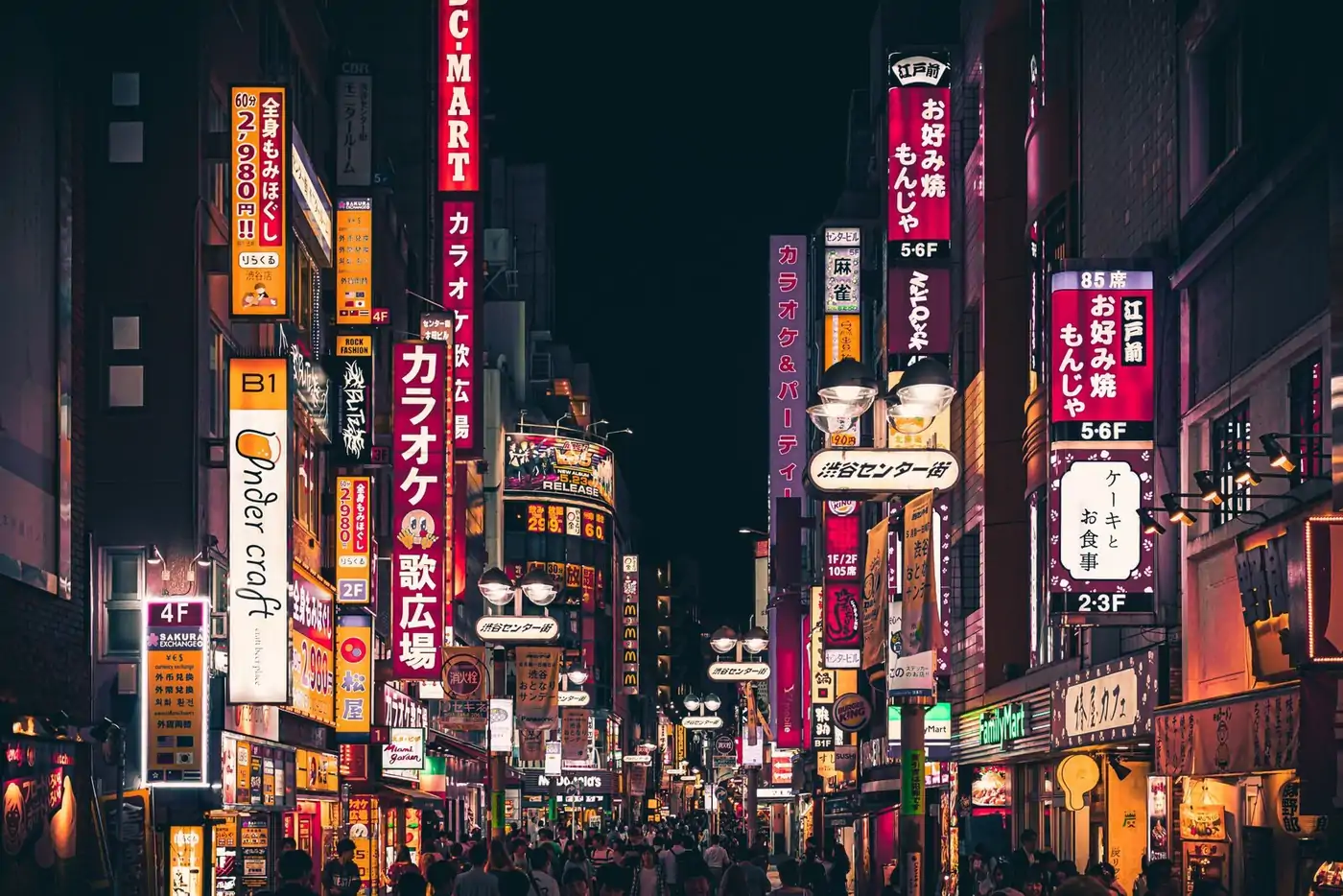
A lot of beginners feel awkward. To compensate, they stand 50 feet away and use a telephoto lens to "snipe" people from a distance. The result? Flat, voyeuristic photos that lack any sense of intimacy or energy. When you use a long lens, the viewer feels like an outsider looking through a telescope. When you use a wide lens and get close, the viewer feels like they are standing right there in the crowd.
How to Fix It:
Put away the 70-200mm. It’s heavy, it’s conspicuous, and it makes you look like a private investigator. Stick to a 28mm or a 35mm prime lens. These focal lengths force you to physically move toward your subject. Getting close doesn't mean being intrusive; it means being part of the environment. If you’re worried about people’s reactions, try "the tourist trick", look at buildings or signs just above or beside your subject after taking the shot. They’ll assume you’re just shooting the architecture. For more tips on how to weave a narrative through your proximity, check out our guide on storytelling in photography.
3. The Pack Mule Syndrome (Traveling Too Heavy)
I see it all the time: photographers hitting the pavement with a massive backpack, two camera bodies, three f/2.8 zooms, and a tripod strapped to their side. Unless you’re looking for a workout, this is a recipe for bad street photography.
Heavy gear slows you down. It makes your shoulders ache after an hour, and it makes you stand out like a sore thumb. In the world of street photography, being invisible is your greatest superpower. A giant DSLR with a battery grip screams "I AM A PHOTOGRAPHER," which instantly changes how people behave around you.

There is a common misconception that street photography is about "hunting", constantly walking and searching for a shot. While that’s part of it, the most successful street photographers are often "fishers." They find a great spot and they wait for the "fish" to swim into the frame.
If you’re constantly moving, you’re likely missing the subtle interactions happening right behind you. You’re also creating more work for yourself by having to adjust to new backgrounds and lighting every ten seconds.
How to Fix It:
Slow down. Find a background with interesting light, a unique texture, or a cool architectural element. Then, park yourself. Let the world revolve around you. Wait for the person in the red coat to walk through that patch of sunlight. Wait for the interaction between the street performer and the bored kid. By staying still, you become part of the furniture, and people stop noticing you, allowing for much more authentic, candid moments. If you're looking for inspiration on finding these "stages," explore our list of hidden gem locations.
5. The Bokeh Obsession (Too Much Shallow Depth of Field)
We all love a blurry background. It’s the "pro look" we crave when we buy our first f/1.8 lens. But in street photography, shooting wide open is often a mistake.
Street photography is documentary in nature. The "street" part of the photo is just as important as the subject. If you shoot at f/1.4 and blur everything out, you lose the context. You could be in Paris, New York, or your own backyard, no one will know because the background is just a mush of colors. Context provides the "where" and "why" of your story.
How to Fix It:
Stop down your aperture. The old street photography mantra is "f/8 and be there." Shooting at f/8 or f/11 ensures that your subject is sharp and the background has enough detail to provide context. It also makes your life easier because it increases your depth of field, making focus much more forgiving. This is especially useful for "zone focusing," a technique where you pre-focus your lens to a certain distance and just shoot anything that enters that zone. For more on technical settings in different environments, check out our mastering water photography guide, the principles of depth and motion apply here too!
6. The "Filter" Overload (Over-Processing Your Images)
We live in an age of presets and one-click "looks," but street photography loses its soul when it’s over-processed. Heavy HDR, selective color (please, just don't), and excessive grain can make a photo look cheap and artificial.
Street photography is about reality. If the sky looks like a radioactive sunset and the shadows are glowing, you’ve pulled the viewer out of the moment. You want people to look at the content of the photo, not your editing skills.
How to Fix It:
Keep it simple. Focus on contrast and basic exposure. If you want to enhance your images without making them look like a CGI movie, I recommend using Luminar. It has some great AI tools that help bring out details in shadows or balance the sky while maintaining a natural feel. The goal should be to make the digital file look like what you saw with your eyes: or at least what a classic roll of Tri-X film would have captured. For more deep dives into the philosophy of clean editing, you can check out some great resources at Shut Your Aperture.
7. Spray and Pray (Shooting Burst Mode Indiscriminately)
With modern cameras capable of shooting 20 or 30 frames per second, it’s tempting to just hold the shutter down and hope for the best. This is called "spray and pray," and it’s the fastest way to kill your growth as a photographer.
When you shoot 1,000 photos in an afternoon, you’re not making decisions; you’re letting the camera make them for you. You’ll end up with a massive backlog of mediocre images to sort through, which usually leads to "editing fatigue." You’ll miss the best shot because you were busy buffering or because you just got lucky rather than being intentional.
How to Fix It:
Turn off burst mode. Try shooting in single-shot mode for a day. This forces you to watch for the "peak" of the action. It forces you to anticipate the moment. When you only have one chance to click the shutter, you become hyper-aware of composition, timing, and expression. You’ll take fewer photos, but the ones you do take will be infinitely better. If you want to see how this intentionality works in other genres, like landscapes, check out 7 mistakes you’re making with landscape photography.
The Final Take
Street photography isn't about having the most expensive camera or the "coolest" presets. It’s about curiosity. It’s about looking at a mundane street corner and seeing the magic in the everyday.
Avoid these seven mistakes, and you’ll find that the "fear" of the street starts to fade. You’ll stop worrying about your dials and start noticing the light reflecting off a puddle or the way two strangers briefly make eye contact.
If you're looking for more ways to level up your game, head over to proshoot.io for some technical deep dives, or browse edinfineart.com to see how these principles look in practice.
Now, grab your camera (just one!), put on some comfortable shoes, and get out there. The street is waiting. For more inspiration on urban shooting, don't miss our guide on how to unlock secrets to enchanting urban photography. Keep it simple, keep it honest, and most importantly, shut your aperture and shoot.

</a></a></p>
<h3>How to Fix It:</h3>
<p>Travel light. One camera, one lens. That’s it. Small, mirrorless cameras or compact point-and-shoots are the kings of the street. They are discreet, lightweight, and surprisingly powerful. If you’re looking for the right tool for the job, take a look at <a href=)