To turn these ideas into a fast, repeatable edit, our Lightroom presets library gives you a head start you can build on.
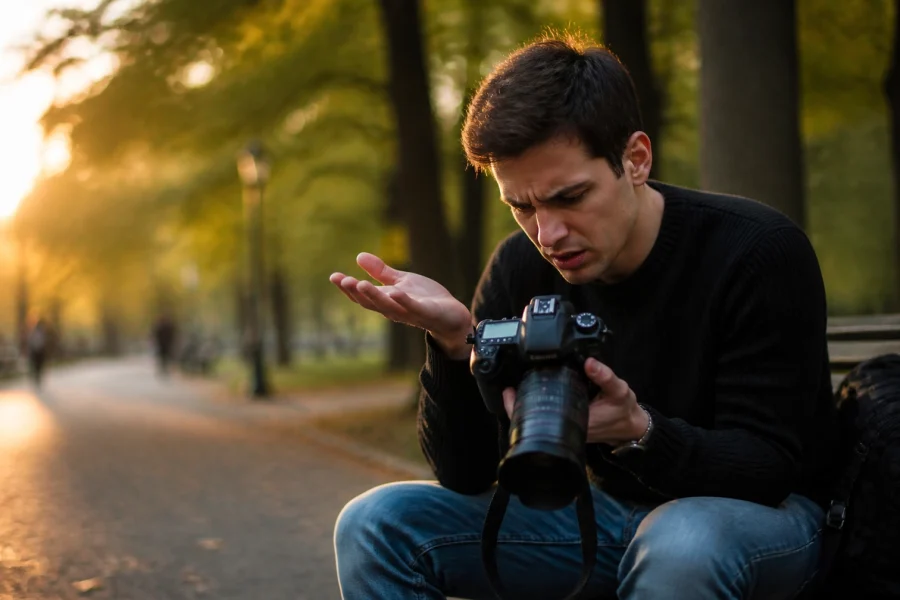
Street photography is probably the most frustratingly beautiful genre in the world. You’re out there, camera in hand, trying to capture "the moment," but more often than not, you come home with a memory card full of "almosts." Almost a good shot. Almost a great subject. Almost interesting.
Most photographers think the problem is their gear, their city, or just plain bad luck. But usually, it’s none of those. It’s the ideas behind the shots that are falling flat. We get caught in patterns that feel safe, and safe is the death of street photography. If you want to stop taking boring snapshots and start creating images that actually make people stop scrolling, you have to break these seven common habits.
1. Chasing "Cool Looks" Instead of Strong Ideas
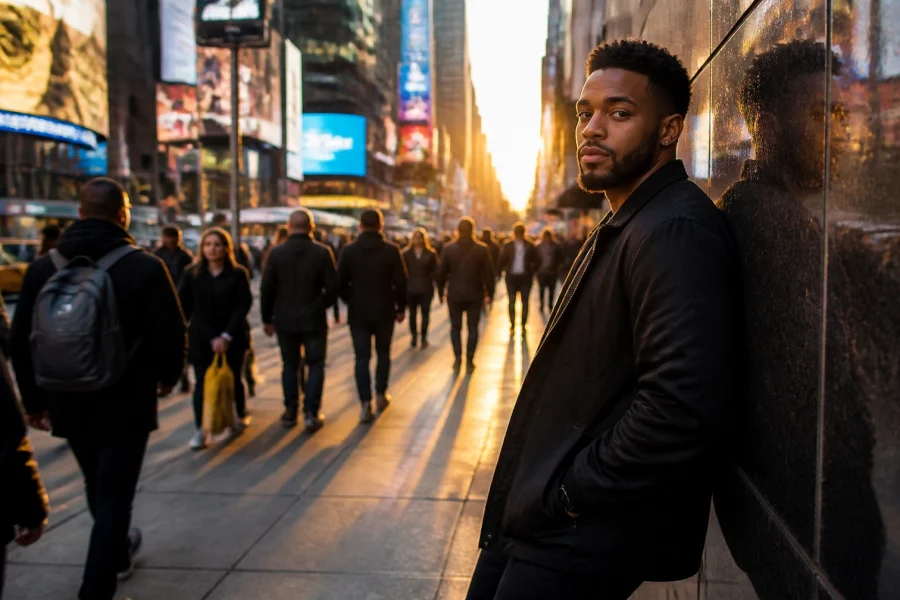
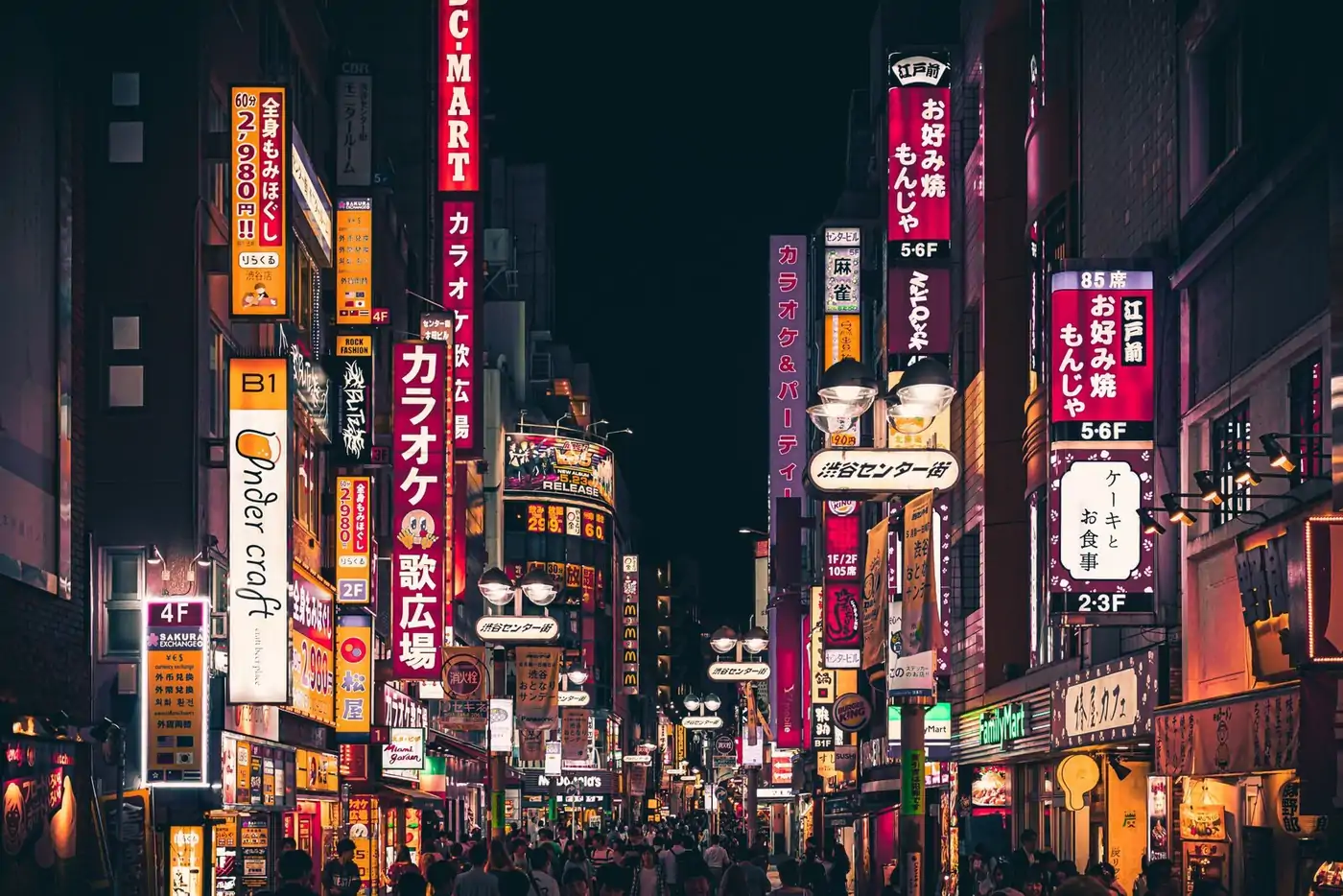
We’ve all seen the trend: heavy grain, crushed blacks, neon signs reflected in a puddle, and enough bokeh to make the subject look like they’re floating in a soup of blurry lights. It looks "cinematic," right?
The mistake here is putting the aesthetic before the narrative. You’re focusing on how the photo looks before you’ve decided what the photo is actually about. If you strip away the heavy editing, would the photo still be interesting? If the answer is no, you don’t have a street photo: you have a Lightroom experiment.
How to Fix It:
Start with content first. Before you press the shutter, ask yourself what the story is. Is it a gesture? A weird juxtaposition? A moment of tension between two strangers? Once you have a strong core idea, then you can use tools like Luminar to enhance that story, not hide the lack of one. Use editing to guide the viewer’s eye to the important part of the frame, rather than just slapping a "gritty" filter over a mediocre shot.
If you're struggling with the basics of how light and composition work together, check out the resources at learn.shutyouraperture.com to build a solid foundation before you get lost in the presets.
2. Staying Too Far Away from the Action
There’s an old saying by Robert Capa: "If your pictures aren't good enough, you're not close enough." In street photography, this is gospel.
Most beginners shoot from across the street or use a telephoto lens because they’re afraid of being noticed. They want to be a "fly on the wall," but they end up being a fly in the nosebleeds. When you shoot from a distance, your subjects look small, their expressions are lost, and the viewer feels like a detached observer rather than a participant in the scene.
How to Fix It:
You have to get physically closer. Put down the 85mm or 70-200mm and pick up a 28mm or 35mm lens. These wider focal lengths force you to step into the scene.
Try the "Distance Drill": For your next hour of shooting, force yourself to get close enough that a person’s head takes up at least one-third of the frame. It’s going to feel awkward at first. You might feel like you’re invading someone’s space. But that proximity creates energy and intimacy that you simply cannot fake with a zoom lens. For more tips on getting the right framing, our ultimate guide to portrait photography techniques has some great crossovers that apply to street work too.
3. Photographing the Same "Safe" Subjects
If I see one more photo of a person walking past a colorful wall or a street performer with a hat full of change, I might lose my mind.
We gravitate toward these subjects because they are easy. A street performer expects to be photographed. A person walking past a mural provides a nice graphic element. But these are the "low-hanging fruit" of street photography. They’ve been done a billion times, and unless there is something truly extraordinary happening, they usually result in a "so what?" image.
How to Fix It:
Create a "No-Go List" for your next walk. Tell yourself you aren't allowed to photograph:
- People from behind.
- Buskers/Street performers.
- People looking at their phones.
- Homeless people (it’s often exploitative and rarely adds to a creative narrative).
By removing these easy targets, you force your brain to look for unscripted behavior. Look for a businessman having a meltdown, a kid seeing something for the first time, or two strangers whose outfits accidentally match. These are the moments that feel human and authentic.
4. Treating Every Frame as a Single-Subject Portrait
A common mistake is finding one interesting-looking person, centering them in the frame, and calling it a day. While a street portrait can be great, street photography is often about the environment and how the people interact with it. If you just blur out the background, you’re losing half the story.
This is a mistake many people make when transitioning from other genres. We actually see this a lot in landscape work too: people focus on one thing and forget the rest of the frame. You can read about similar errors in our post on 7 mistakes you're making with landscape photography.
How to Fix It:
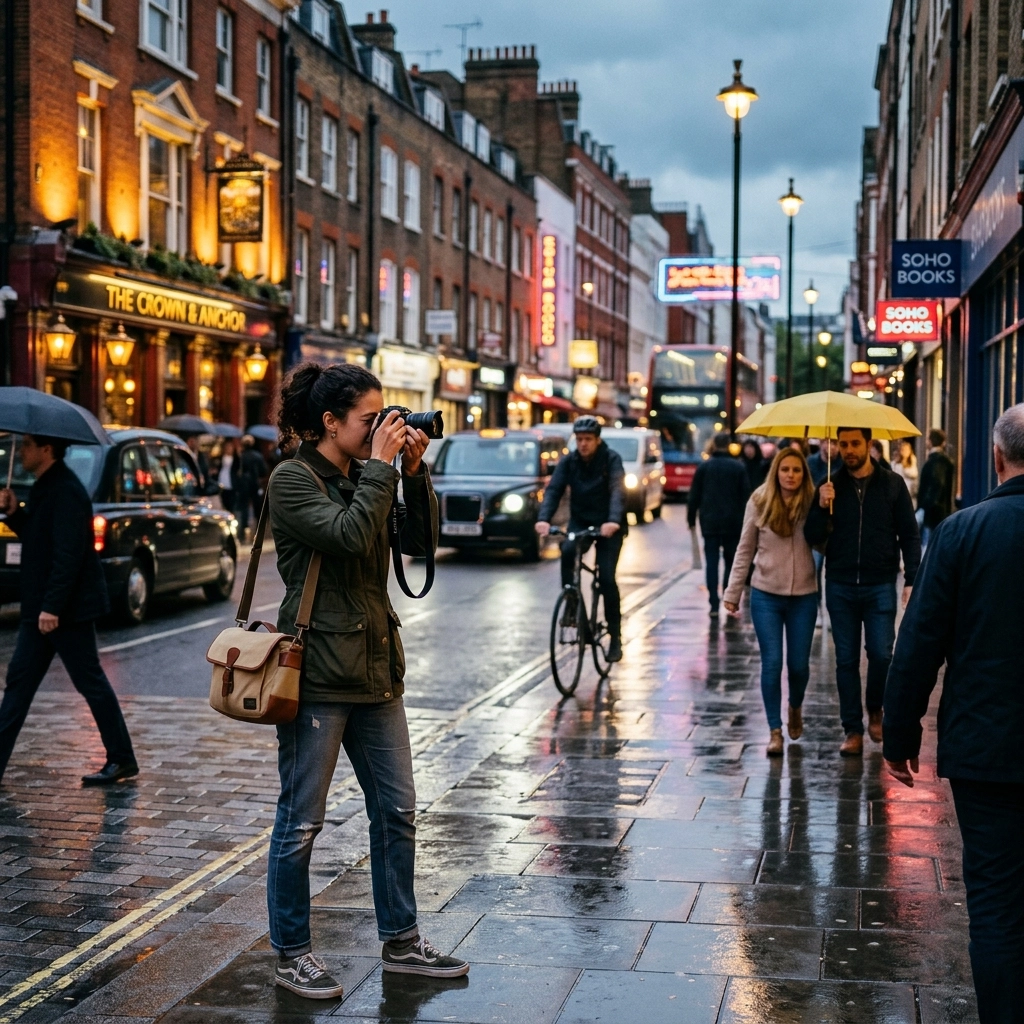
Aim for "layers." Try to include at least three elements in your frame that relate to each other.
- The Subject: The person doing something interesting.
- The Context: Something in the environment (a sign, a shadow, a car) that adds to the story.
- The Layer: A foreground element or a background element that creates depth.
Think of your frame like a stage. You don't just want the lead actor; you want the set design and the supporting cast to work together. This is where monochrome photography can really shine, as it helps the viewer focus on shapes and layers rather than being distracted by clashing colors.
5. Shooting Everything from Eye Level
We spend our whole lives seeing the world from about 5 to 6 feet off the ground. If you take all your photos from that same height, your images are going to feel… normal. And normal is boring.
When you shoot from eye level, the horizon often cuts the frame in half, and you’re seeing things the same way everyone else on the sidewalk sees them. There's no "photographic vision" there; it's just a point-of-view shot.
How to Fix It:
Change your altitude.
- Get Low: Crouch down and shoot from the hip or lower. This makes your subjects look more heroic and can help you clear up a cluttered background by using the sky as a backdrop.
- Get High: Look for stairs, balconies, or even just hold your camera above your head. This gives you a "god’s eye view" that can reveal patterns in a crowd that aren't visible from the ground.
If you’re photographing in a city with impressive architecture, use those heights to your advantage. Check out our tips on how to photograph large structures to see how perspective can change the entire mood of a scene.
6. Reacting Instead of Anticipating
The biggest difference between a pro street photographer and a beginner is where their eyes are. Beginners are usually looking through the viewfinder, frantically swinging the camera around at anything that moves. They are reacting to life, which means they are almost always a split second too late.
The pro is looking with their eyes, scanning the street 20 feet ahead, and predicting what is about to happen.
How to Fix It:
Switch from "hunting" to "fishing."
- Find the Stage: Find a spot with great light, a cool background, or interesting shadows. (If you’re near water, you might even try photographing moving water as a backdrop).
- Compose the Shot: Frame up the empty scene exactly how you want it.
- Wait: Don’t move. Wait for the right person to walk into your frame.
By letting the action come to you, you have already solved the problems of composition and lighting. All you have to do is wait for the "decisive moment." This technique allows you to be much more discreet and results in much cleaner images. For more on these kinds of techniques, keep an eye on PhotoGuides.org for deep dives into street methodology.
7. Keeping Everything Instead of Editing Ruthlessly
In the age of digital photography, it’s easy to come home with 500 photos and feel like you had a productive day. But if you show a friend 500 "okay" photos, they’ll be bored by the tenth one.
The mistake is being too precious with your work. You remember how hard it was to get that shot, or how much you liked the person’s outfit, so you keep the photo even if the focus is soft or the composition is messy. This dilutes your portfolio and stops you from seeing where you actually need to improve.
How to Fix It:
Be a ruthless editor. After a shoot, go through your photos and "kill your darlings."
- The First Pass: Delete anything that is out of focus, poorly exposed, or just plain boring.
- The Second Pass: If you have five versions of the same scene, pick the best one and delete the other four.
- The Final Test: Ask yourself, "Would I be proud to show this to a stranger?"
If you want to build a following on social media, this is the secret. Quality always beats quantity. Look at how people curate their Best Nine on Instagram: it’s about the collective strength of the images, not just dumping everything you have. You can find more inspiration on Edin’s fine art site to see how a professional selects only the most impactful work.
Putting it All Together
Street photography is a skill that takes years to master, but fixing these idea-level mistakes will put you ahead of 90% of the people out there with a camera. It’s about being intentional. It’s about moving past the "pretty picture" and trying to capture a piece of the human experience.
Remember:
- Focus on the idea, then use Luminar to polish the look.
- Get closer than you think you need to be.
- Skip the clichés and look for real moments.
- Add depth with layers.
- Move your body to find a new angle.
- Anticipate the action instead of chasing it.
- Only show your absolute best work.
Next time you head out, don't just "go for a walk." Pick one of these mistakes and spend the whole day focusing on the fix. If you want more inspiration or the latest news on gear that can help your street game, check out our photography news and tutorials or dive into Edin Chavez’s blog for more personal insights from the field.
Street photography is a journey. Every "mistake" is just a lesson in disguise: as long as you’re willing to see it and change your approach. Now, grab your camera, get out there, and stop being safe. The best shots are waiting just outside your comfort zone.