Photography is an art form that thrives on confidence and creativity. To elevate your skills and enhance your unique style, it’s crucial to develop a set of effective habits that inspire you to explore new perspectives and techniques. By embracing these habits, you’ll not only strengthen your photography skills but also ignite your creative vision. This guide will help you cultivate these crucial practices, empowering you to capture compelling images with ease and flair.
Key Takeaways:
- Establish a consistent photography routine to develop skills and enhance confidence.
- Experiment with different techniques and styles to discover personal artistic voice.
- Seek feedback and mentorship to gain fresh perspectives and improve creatively.
- Set specific goals for each photography session to focus efforts and track progress.
- Stay inspired by exploring various art forms and engaging with other creative communities.
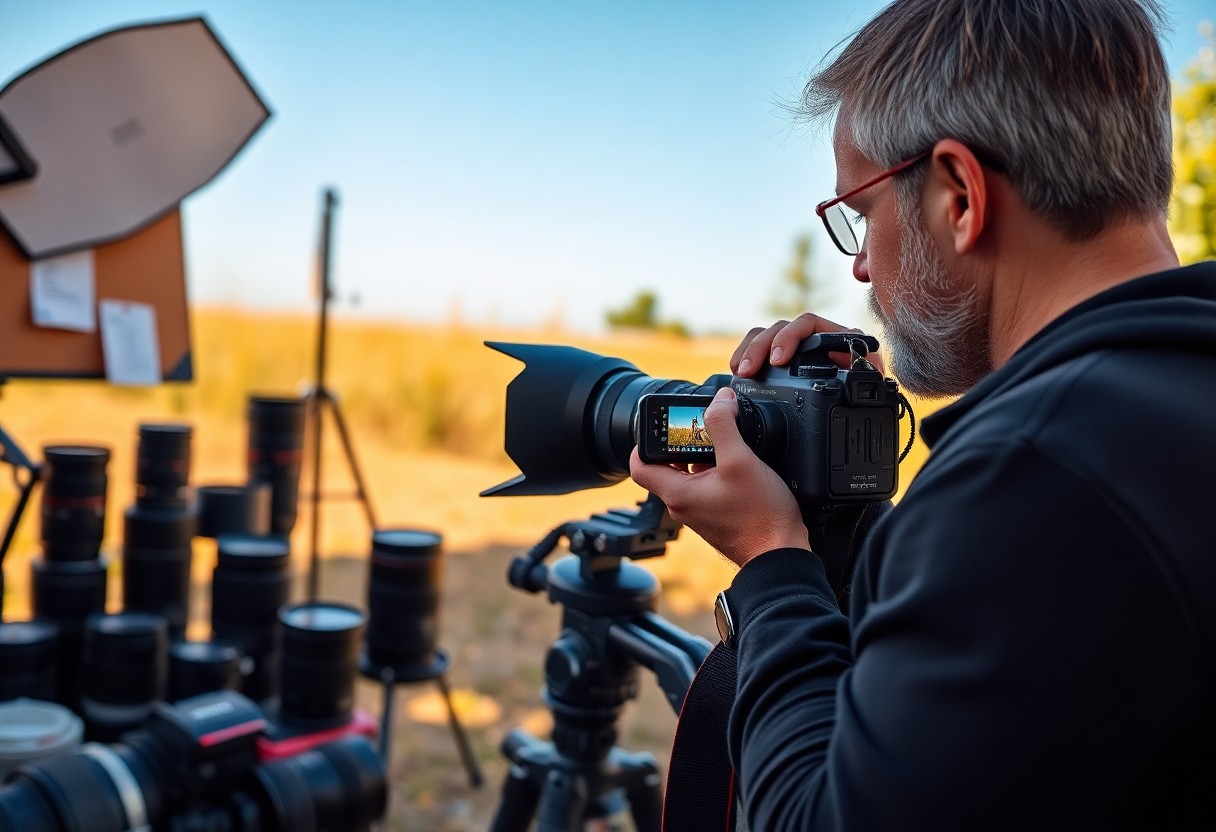
Understanding Confidence in Photography
In photography, confidence acts as a catalyst for creativity, enabling you to explore and express your unique vision. When you are self-assured, your artistic choices become bolder, making every capture more nuanced and intentional. With strong confidence, even challenging situations transform into opportunities for growth and learning.
The Importance of Confidence
Your confidence directly affects not only your photography skills but also your willingness to experiment and take creative risks. A strong sense of self-assurance allows you to approach each shoot with enthusiasm, leading to more authentic and captivating images. Confidence can even impact how you interact with your subjects, creating a relaxed environment that fosters natural expressions and moments.
Factors That Affect Your Photography Confidence
Multiple factors can influence your photography confidence, including experience, feedback from others, and self-perception. Continuous practice improves your skills, allowing you to feel more secure in your abilities. Critiques and encouragement from peers play a significant role as well, shaping your belief in what you can achieve. Self-doubt is often fueled by comparing yourself to others, leading to hesitancy in making creative choices. Thou.
- experience
- feedback from others
- self-perception
- comparison
To further understand the factors affecting photography confidence, consider your previous experiences in photography. If you’ve faced challenges in the past, it may have led you to doubt your instincts or decisions. Regularly reviewing your growth, acknowledging achievements, and embracing constructive criticism can build a more robust sense of confidence. Cultivating a supportive network of fellow photographers can also provide a great source of encouragement. Thou.
- past experiences
- growth acknowledgment
- constructive criticism
- supportive network
Building Core Photography Skills
Strengthening your imperative photography skills lays the groundwork for your creative expression. As you become adept with your camera, you’ll confidently explore a variety of styles and techniques. Focus on refining your abilities through consistent practice and experimentation, which will unlock new avenues for creativity, helping you to develop your signature style.
Mastering the Basics: Camera Settings
Understanding shutter speed, aperture, and ISO is fundamental to capturing stunning images. Each setting interacts with the others to define your exposure, clarity, and artistic vision. Experimenting with these settings in various lighting conditions allows you to see their direct impact on your photos, helping you to gain confidence in making quick adjustments in diverse environments.
Composition Techniques That Enhance Creativity
Mastering composition is imperative for drawing viewers into your images. Techniques such as the rule of thirds, leading lines, and framing can transform ordinary scenes into visually striking photographs. By intentionally positioning elements within your frame, you guide the viewer’s eye and evoke emotion. Explore unconventional angles and perspectives to challenge the norm, allowing your unique vision to shine through in every shot.
For instance, utilizing the rule of thirds involves dividing your frame into a grid of nine equal parts and placing significant elements along these lines or intersections. This technique inherently enhances balance and interest in your photographs. Additionally, consider incorporating leading lines—such as roads, rivers, or architectural elements—that naturally draw the viewer’s gaze into the depth of the image. When you combine these techniques with experimentation, you not only boost your creativity but also develop a more personal and compelling photographic style.

Developing a Personal Style
Defining your personal style in photography involves a deep understanding of your preferences and the unique elements that resonate with you. It’s about crafting a visual language that reflects your narrative. Begin by analyzing your favorite photographs—what themes, colors, and compositions attract you? Invest time in interpreting your artistic voice, capturing what speaks to you on a personal level, and letting that guide your creative journey.
Finding Inspiration: Tips for Exploration
To discover inspiration, explore a mix of environments, from bustling cities to serene nature. Attend galleries, follow fellow photographers on social media, and study diverse styles. Consider these tips:
- Visit local art galleries to absorb different perspectives.
- Engage with online photography communities to share ideas.
- Experiment with photo walks in unfamiliar locations.
- Keep a visual journal of everything that inspires you.
Assume that inspiration can strike unexpectedly; staying open to new experiences can give birth to innovative ideas.
Experimenting with Different Genres
Diving into various photography genres broadens your skill set and enhances your creative versatility. You might explore portrait, landscape, street, or abstract photography, each bringing different challenges and opportunities. Engaging with diverse settings allows you to uncover strengths and preferences you didn’t realize you had, ultimately enriching your style. Selecting a subject and stepping outside of your comfort zone transforms your understanding of composition, lighting, and emotion. Whether it’s capturing candid street moments or tranquil landscapes, experimenting helps to define your niche and influence your method.
Creating a Supportive Environment
Your creative journey flourishes within a supportive environment. Cultivating an atmosphere that encourages exploration and risk-taking can dramatically enhance your photography skills. Surround yourself with inspiring visuals, whether through artwork, photography books, or nature. Ensure your workspace is organized and free from distractions, allowing for focused creative sessions. Keep in mind, a positive mindset is key; practice mindfulness techniques to keep your creativity flowing and block out negative self-talk.
Joining Photography Communities
Engaging with photography communities provides a sense of belonging and motivation. By connecting with like-minded individuals, you can share experiences, exchange knowledge, and gain inspiration from diverse perspectives. Seek out local clubs, online forums, or social media groups tailored to your specific interests. These supportive networks often host challenges and events that push you to innovate and refine your skills.
Seeking Feedback and Constructive Criticism
Actively seeking feedback can sharpen your vision and technique. Engaging with peers for constructive criticism helps you identify areas of improvement and reinforces your strengths. This collaborative approach fosters a growth mindset, allowing you to transform challenges into opportunities for learning.
By soliciting feedback, you deepen your understanding of your photographic style and the technical aspects of your work. Consider sharing your images in photography communities or critiquing sessions where you can learn from peers and professionals alike. Aim for specific feedback; instead of asking, “What do you think?” try “How can I improve the composition in this shot?” This focused approach yields actionable insights that can elevate your artistry.

Establishing a Consistent Practice Routine
Building confidence in photography requires a structured practice routine. By dedicating specific times during the week for shooting, editing, and exploring new techniques, you create a rhythm that fosters growth. Aim for at least three short sessions each week, focusing on different themes or skills. This consistency not only sharpens your eye but also encourages experimentation, which is crucial for creativity.
Setting Realistic Goals
When establishing your practice routine, set realistic goals that align with your lifestyle. Instead of aiming to master every aspect of photography at once, break your objectives into manageable tasks. For instance, commit to learning one new technique a week or completing one photo project each month. These smaller, focused goals will keep you motivated and prevent overwhelm.
Daily Habits to Ignite Creativity
Incorporating daily habits into your routine can significantly boost your creative output. Simple activities like carrying your camera everywhere, observing everyday scenes, or participating in photography challenges can enhance your visual thinking. Each moment you engage with your surroundings opens up new ideas and insights, driving your artistic vision forward.
To further ignite creativity, consider starting a photography journal. Document your daily observations, thoughts, and shooting experiences. This practice not only reinforces your commitment but also provides a valuable resource for reflection. Additionally, dedicate 10-15 minutes each day to review and analyze work from your favorite photographers. This daily reflection and inspiration will spark ideas and help you develop a unique perspective in your own photography journey.
Overcoming Creative Blocks
Creative blocks can be frustrating, halting your photographic progress and dampening your enthusiasm. It’s imperative to recognize that these moments are normal and can happen even to the most seasoned photographers. Identifying the root of these blocks—whether it’s fear of failure, perfectionism, or external pressures—is the first step towards overcoming them and reigniting your passion for photography.
Identifying Common Obstacles
Common obstacles include self-doubt, burnout, or feeling uninspired by your surroundings. When you begin to feel that your creativity is stifled, assess the factors contributing to your lack of motivation. Are you allowing outside opinions to sway your confidence? Are you overexerting yourself without adequate rest? Acknowledging these barriers can empower you to take proactive steps toward overcoming them.
Strategies to Reinvigorate Your Passion
To reignite your interest in photography, consider experimenting with new techniques, styles, and subjects. Taking a break from your usual routine by visiting different locations or collaborating with other photographers can provide fresh perspectives. Engaging in photography challenges, like a 30-day photo project, can also push you out of your comfort zone and encourage experimentation.
Exploring new techniques can mean venturing into genres outside your norm, such as street photography if you’re used to landscapes, or trying macro photography to capture the minute details often overlooked. Additionally, joining photography communities or forums can foster inspiration and support. Many photographers share their work and techniques, sparking innovative ideas and renewed enthusiasm. Embrace these opportunities to experiment confidently; you might uncover a hidden passion that reshapes your artistic journey.
To wrap up
Ultimately, building confident photography habits starts with understanding your unique vision and instinctively capturing it. By consistently practicing these habits—experimenting with techniques, analyzing your work, and seeking feedback—you will enhance not only your skills but also your creativity. Embrace challenges as learning opportunities and allow your passion for photography to guide you. With dedication and a willingness to grow, you can cultivate a style that reflects your artistic voice and boosts your creative confidence.
FAQ
Q: What are the best practices to cultivate a consistent photography habit?
A: Start by setting aside dedicated time for photography each week. Create a structured schedule that includes practical exercises, like focusing on a specific theme or technique. Engage in daily photo challenges to encourage creativity and consistency.
Q: How can I enhance my creativity in photography?
A: Explore different genres and styles of photography. Experiment with various angles, lighting conditions, and subjects. Incorporate storytelling into your images to evoke emotions and ideas. Taking inspiration from other art forms can also spark creative thoughts.
Q: What role does keeping a photography journal play in building confidence?
A: Keeping a photography journal helps track progress, ideas, and lessons learned. Documenting experiences allows for reflection on growth and creativity. Analyzing past work can also boost confidence by highlighting improvements over time.
Q: How can I overcome self-doubt in my photography journey?
A: Surround yourself with supportive communities and seek constructive feedback. Focus on personal growth rather than comparing your work to others. Celebrate small achievements and remind yourself that improvement is a continuous process.
Q: What are some techniques to improve my composition skills?
A: Study the rule of thirds, leading lines, and framing techniques. Practice by taking photographs of the same subject from different perspectives. Analyzing well-composed images can also provide insights for your own work.