So, you’ve decided to pick up a camera. Maybe you’re tired of your phone’s "Portrait Mode" looking a bit too fake, or maybe you just want to capture your travels in a way that actually does the view justice. Whatever the reason, welcome to the club.
Photography in 2026 is a weird, beautiful mix of high-tech AI and a massive resurgence of retro aesthetics. It’s easier than ever to take a "good" photo, but it’s still just as hard to take a great one. If you feel overwhelmed by all the buttons, dials, and technical jargon, don't sweat it. We’ve all been there.
This guide is designed to strip away the fluff and give you the essential tools to go from "clueless with a camera" to "confident creator." Let’s get into it.
Does the Gear Actually Matter?
Before we talk about f-stops and shutter speeds, let’s address the elephant in the room. You’re probably wondering if you need to drop five grand on a new setup to be "real."
The short answer: No.
The long answer: It depends on what you’re trying to do.
In 2026, the gap between professional gear and entry-level setups has narrowed significantly. However, understanding the tool in your hand is more important than the price tag attached to it. If you’re still on the fence about what to buy, check out our breakdown on whether new camera gear really matters in 2026.
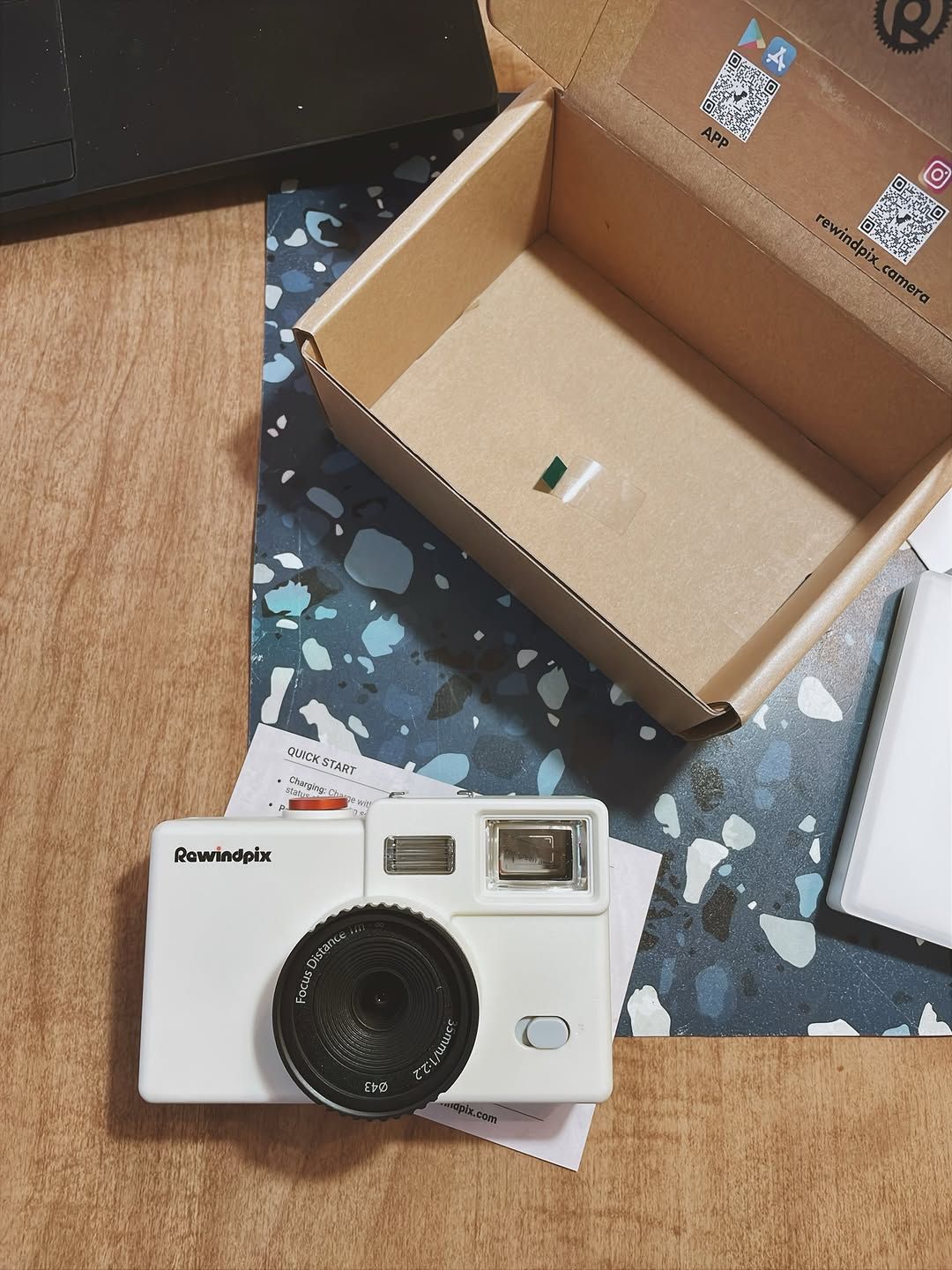
If you are looking for a dedicated machine, we usually recommend a mirrorless system. They are lighter, faster, and the electronic viewfinders show you exactly what your photo will look like before you even press the button. For a deep dive into the current market, see our guide on how to choose the best mirrorless camera for 2026.
The Holy Trinity: The Exposure Triangle
If there is one thing you absolutely must master to succeed in photography, it’s the Exposure Triangle. This is the relationship between Aperture, Shutter Speed, and ISO. These three settings determine how bright or dark your image is (exposure) and how it actually looks (aesthetic).
1. Aperture (The "Eye")
Think of aperture as the pupil of your eye. It’s the opening in the lens that lets light in.
- Large Opening (Small f-number like f/1.8): Lets in tons of light and gives you that blurry, "creamy" background (bokeh). This is perfect for portraits or using rare textures for tangible aesthetic photography.
- Small Opening (Large f-number like f/16): Lets in very little light but keeps everything from the foreground to the background in sharp focus. This is the go-to for landscape photography.
2. Shutter Speed (The "Blink")
This is how long the camera’s sensor is exposed to light.
- Fast Shutter (e.g., 1/1000s): Freezes motion. If you’re shooting a fast-moving car or a bird in flight, you need speed.
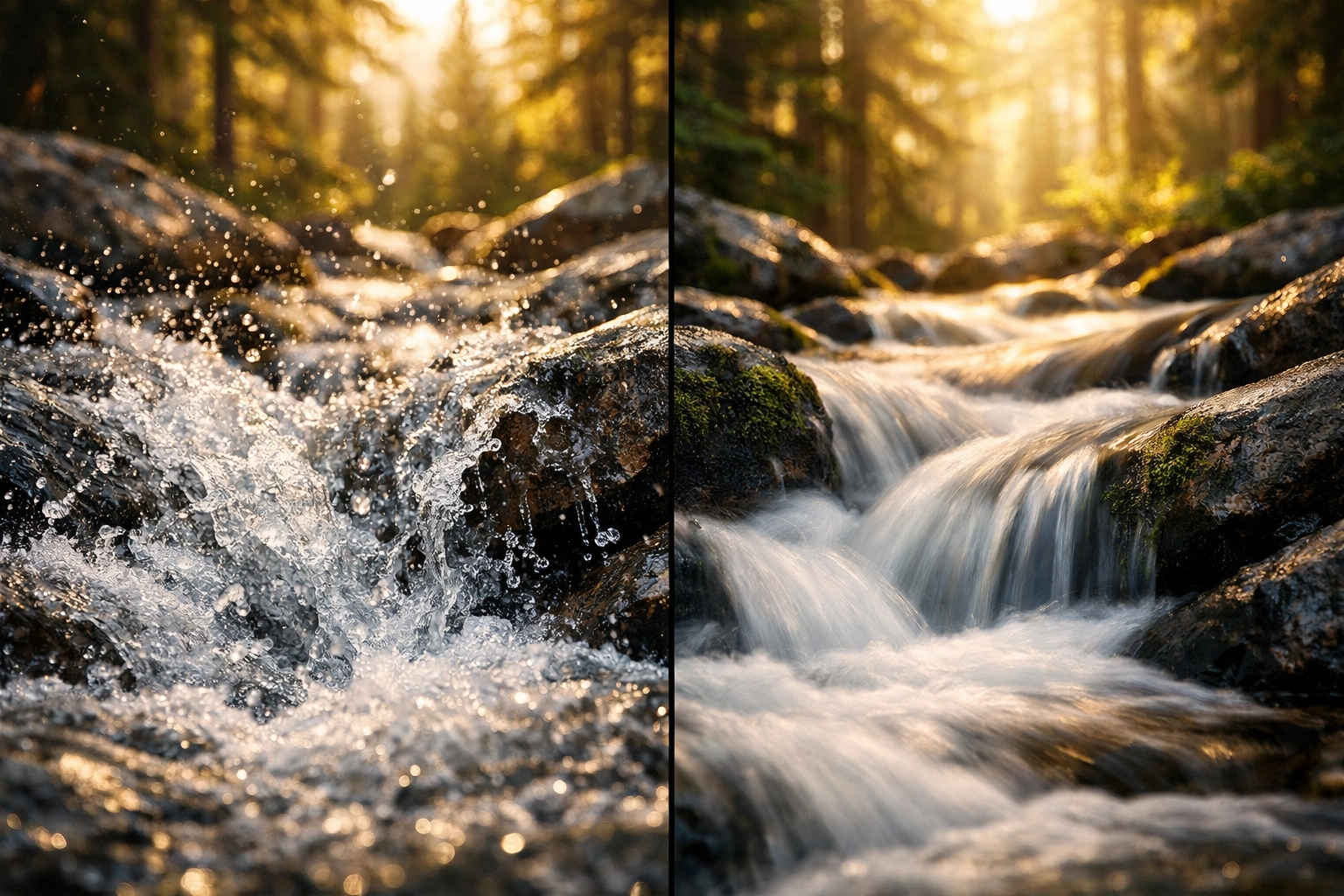
- Slow Shutter (e.g., 1/10s or longer): Blurs motion. This is how photographers get those silky-smooth waterfall shots. If you're interested in that look, we have a massive resource on techniques for stunning water photography.
3. ISO (The "Sensitivity")
ISO is your camera’s sensitivity to light.
- Low ISO (100-400): Use this when it’s bright outside. It produces the cleanest, highest-quality images.
- High ISO (3200+): Use this in low-light situations (like a dim restaurant or an alleyway at night). The trade-off? You’ll get "noise" or grain in your photo.
Composition: How to Lead the Eye
You can have the most expensive camera in the world, but if your composition sucks, your photo will suck. Composition is simply how you arrange the elements within your frame.
The Rule of Thirds
Imagine a tic-tac-toe grid over your viewfinder. Instead of putting your subject dead-center (which can be a bit boring), try placing them on one of the four intersections where the lines meet. This naturally feels more balanced and engaging to the human eye.
Leading Lines
Use roads, fences, or even shadows to "lead" the viewer’s eye toward your main subject. This creates a sense of depth and journey within a static image.
Framing
Look for "frames" within your environment: like a window, an archway, or some overhanging tree branches. This adds a layer of sophistication and helps focus the viewer's attention. For more on how to tell a story with these elements, check out our tips for storytelling in photography.
Mastering Light
Light is everything. The word "photography" literally means "writing with light." If you want to succeed, you have to become obsessed with where the light is coming from.
- The Golden Hour: The hour just after sunrise and just before sunset. The light is soft, warm, and makes everything look like a movie. This is the prime time for majestic sunset photography.
- The Blue Hour: The period just before sunrise or after sunset when the sky turns a deep, moody blue. This is great for enchanting urban photography.
- Harsh Midday Sun: Usually a photographer’s nightmare because it creates heavy shadows. But if you have to shoot then, try to find shade or use the shadows creatively to add contrast.
For those looking for more expert advice on lighting in specific environments, Shut Your Aperture is a fantastic external resource to bookmark.
Finding Your Subject: Where to Go?
As a beginner, you might feel like your hometown is "boring." Trust me, it’s not. It’s just familiar. Part of being a photographer is learning to see the extraordinary in the ordinary.
However, if you need a change of pace, scouting for locations is half the fun. Whether you're looking for hidden gem locations for travel photography or picturesque coastal escapes, the key is to arrive early and explore on foot.
Don't just go where everyone else goes. Use tools like Google Earth or local hiking blogs to find secluded paradises that haven't been over-Instagrammed yet.
The "Secret" to Professional Photos: Post-Processing
Here is a truth most pros don't lead with: The photo out of the camera is only about 70% of the way there. The remaining 30% happens in the edit.
Editing isn't about "fixing" a bad photo; it's about enhancing the mood you felt when you took it. You don't need to be a Photoshop wizard to get great results. In 2026, AI-powered tools have made editing incredibly intuitive.
We highly recommend using Luminar for its powerful, user-friendly AI features that can replace a sky, enhance skin, or add atmosphere with just a couple of clicks. It’s a game-changer for beginners who want professional results without spending years learning complex software.
For those who want to see the heights of what digital editing and fine art can achieve, take a look at EdinFineArt.com or EdinStudios.com.
Common Beginner Mistakes (And How to Avoid Them)
We’ve all made them. The key is to stop making them as quickly as possible.
- The "Everything" Photo: Trying to fit too much into one frame. If your photo feels messy, simplify. Get closer to your subject.
- Ignoring the Background: You might have a beautiful subject, but if there's a trash can or a telephone pole "growing" out of their head, the photo is ruined. Check your edges!
- Over-Editing: It’s tempting to slide every bar to 100. Don't. If it looks like a neon fever dream, back it off.
- Not Backing Up Your Work: Gear breaks. SD cards fail. Always have a backup.
If you’re specifically into landscapes, you should definitely read our guide on 7 mistakes you’re making with landscape photography.
A Note on Water Photography
One of the most popular subjects for beginners is water. Whether it's the ocean, a lake, or a local fountain, water offers endless creative possibilities. However, it’s also one of the trickiest things to expose correctly because it’s often reflective and moving.
To really nail it, you need to understand your best camera settings for water landscapes. Whether you want to freeze a crashing wave or make a stream look like mist, mastering water photography will give you a huge confidence boost.
Moving Forward
Photography is a marathon, not a sprint. You are going to take a lot of bad photos. That’s okay. Even the pros have "deleted" folders thousands of images deep.
The most important thing you can do is keep your camera with you. Join a community, share your work on platforms like ProShoot.io, and don't be afraid to experiment. If you want to keep up with the latest trends and daily inspiration, I always recommend checking out blog.edinchavez.com.
Now, get off your computer, grab your gear, and go shut your aperture. The world is waiting to be captured.