It’s Monday, March 16, 2026, and the sun is starting to dip below the horizon here in New York. While most people are heading home to catch the evening news on TV, we’re looking at a different kind of "evening news." If you’ve spent any time scrolling through photography forums lately, you’ve probably noticed a lot of chatter about "revolutionary" sensors and "game-changing" AI.
But here’s the thing: most of the "experts" out there are still reading from the 2024 script. They’re telling you that you need a $6,000 body and a bag full of f/1.2 glass to capture a decent sunset or a sharp city street at night. They’re wrong.
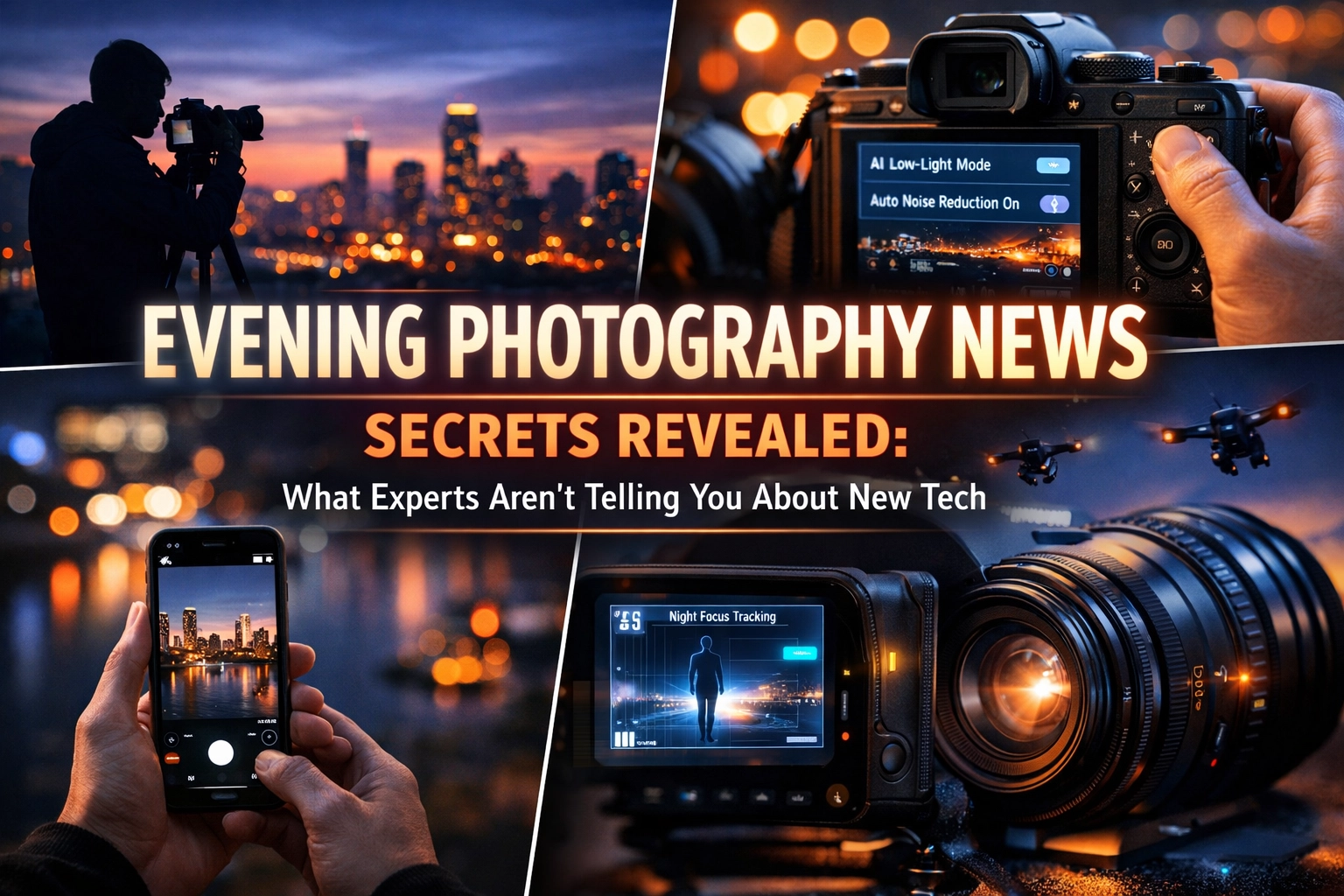
In this evening update, we’re pulling back the curtain on the industry shifts that are actually happening right now. We’re talking about the gear that matters, the software secrets they aren't sharing, and why the most viral trends of 2026 are actually leaning toward simplicity.
The Death of the Megapixel War (And What Replaced It)
For years, the industry was obsessed with resolution. But as we move further into 2026, the "megapixel war" has officially ended. High resolution is great for billboards, but for the average pro or enthusiast shooting in low light, it’s actually a liability.
The real secret experts are keeping quiet? Computational Dynamic Range.
Today’s most advanced mirrorless systems aren't just capturing one frame; they’re capturing a stream of data and using on-board neural engines to reconstruct shadows in real-time. This is why you might be wondering, does new camera gear really matter in 2026? The answer is yes, but not for the reasons the marketing brochures tell you. It's about the silicon, not just the glass.
When you’re out there shooting majestic sunset photography, your camera is now doing the heavy lifting that used to require three different graduated ND filters. If you aren't using these internal stacking features, you're essentially shooting with one hand tied behind your back.
The Retro-Tech Viral Trend: Rewindpix
While the big players like Sony and Canon are pushing for ultimate clinical perfection, a viral movement has taken over the evening photography scene: the return of the "imperfect" digital.
The Rewindpix system has become a cult favorite for photographers who are tired of images looking too "clean." It’s a compact point-and-shoot that prioritizes tactile feedback and a specific "analog" color science that AI can’t quite replicate yet without looking fake.
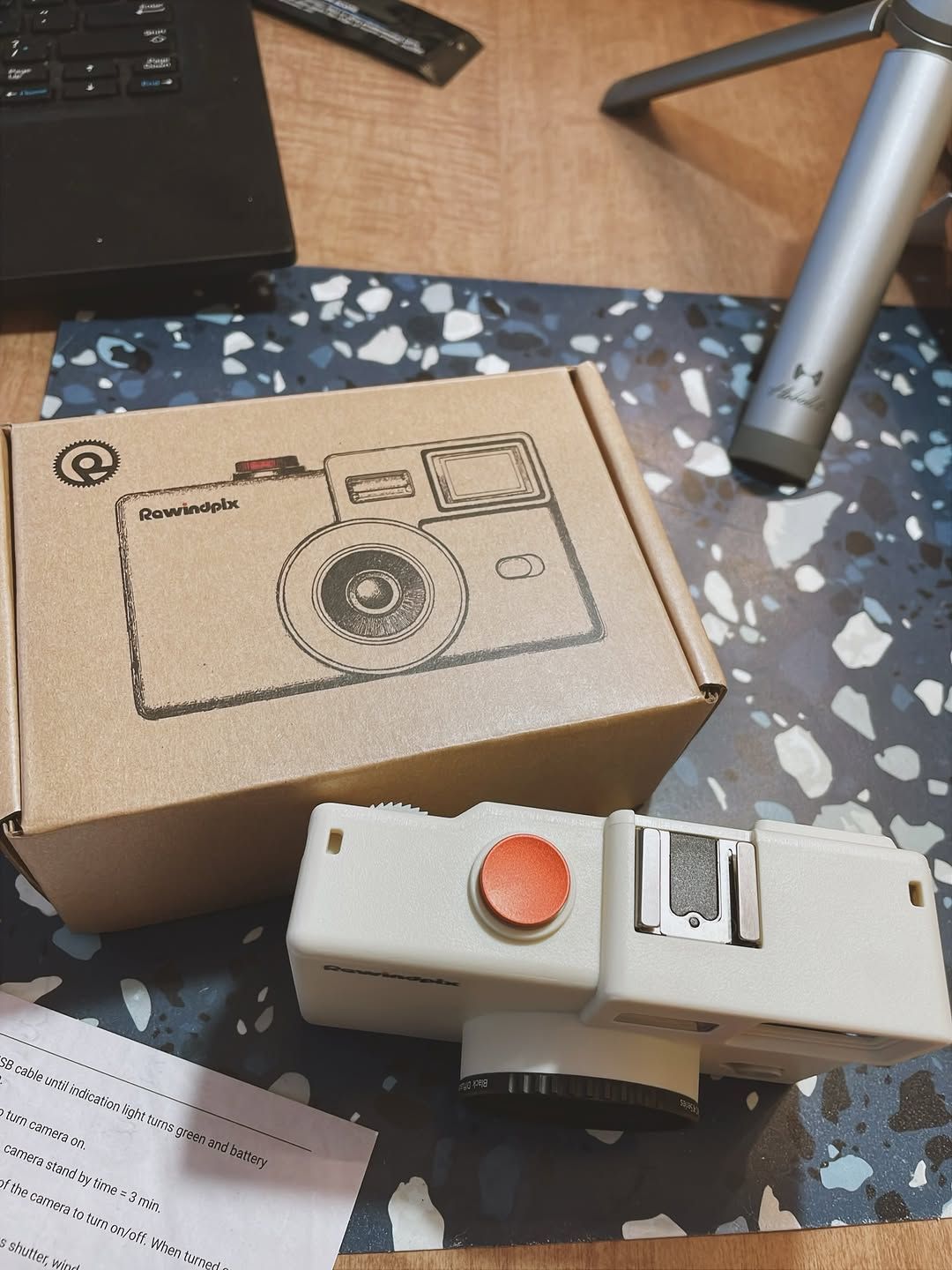
This gear isn't about having the sharpest corner-to-corner resolution. It’s about using rare textures for tangible aesthetic photography. Experts aren't telling you about this because it challenges the "buy more expensive gear" narrative. Sometimes, the best tool for an evocative evening shot is the one that lets you feel the grain.
If you're still trying to figure out your setup, check out our guide on how to choose the best mirrorless camera for 2026. You might find that a smaller, more tactile kit actually improves your workflow.
The Software Secret: Post-Processing is the New Sensor
Let’s talk about the elephant in the room. In 2026, your camera sensor is only about 40% of the final image. The rest is software.
The experts will tell you to spend hours masking in Photoshop, but the pros who are dominating search rankings and social media are using advanced AI tools to do the heavy lifting. Luminar has become an industry standard for evening shooters because of its ability to relight a scene based on 3D depth mapping.
What they aren't telling you is that many "perfectly timed" golden hour shots were actually captured in the flat light of mid-afternoon and transformed later. It’s not "cheating": it’s modern digital artistry. If you want to dive deeper into how to make your images stand out, mastering these tools is non-negotiable. You can learn more about high-end techniques at Shut Your Aperture.
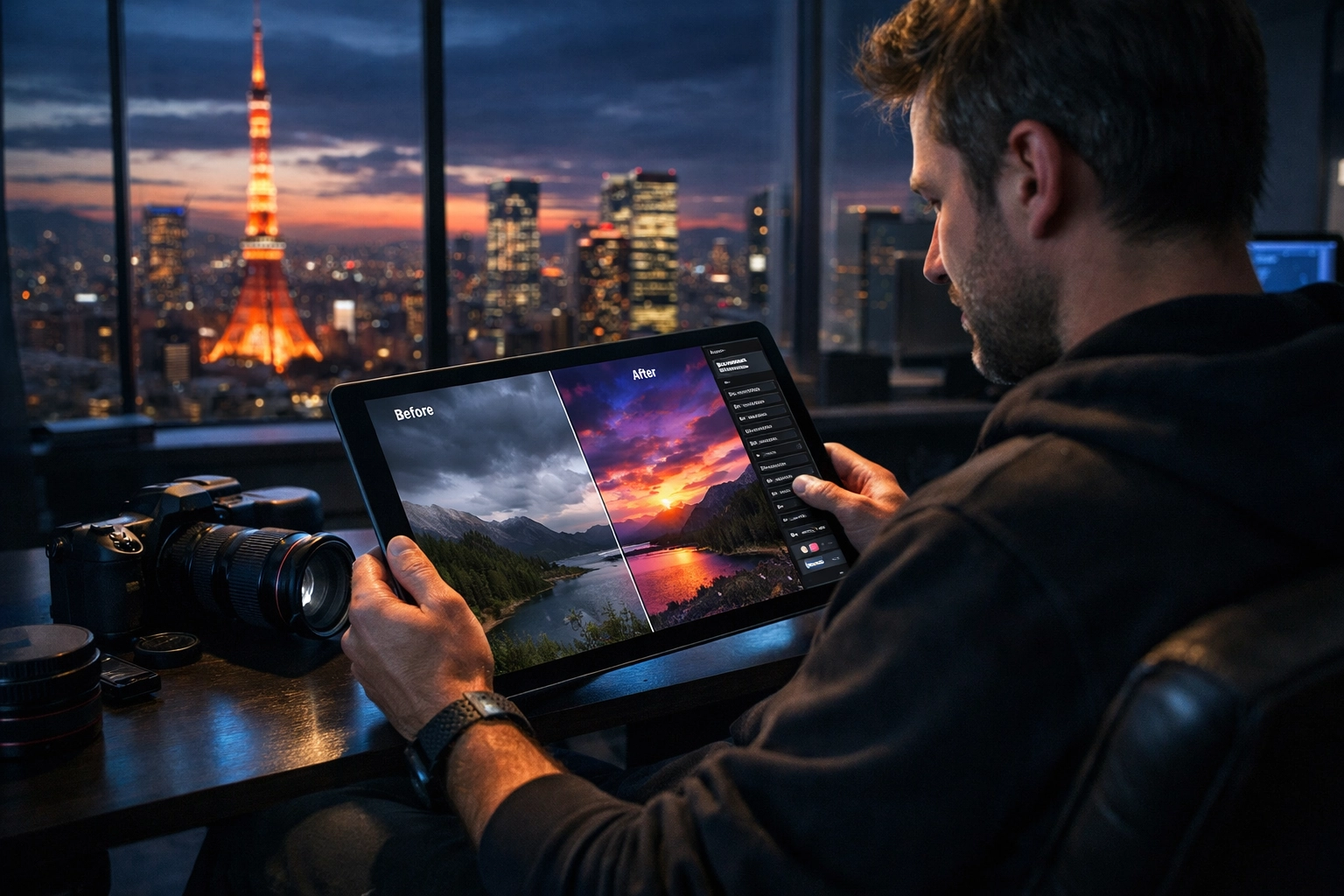
SEO Alt Text: An ultra-realistic wide-angle shot of a photographer using a tablet to edit a vibrant blue hour cityscape, showing AI-driven sky replacement and light balancing software in action.
Mastering the "Expose-to-the-Right" Myth in 2026
If you’ve been around photography for a while, you’ve heard of ETTR (Expose-to-the-Right). The idea was to overexpose slightly to maximize the signal-to-noise ratio.
In 2026, this advice is mostly obsolete. With the current generation of sensors, "Protect the Highlights" is the new golden rule. Modern cameras have such a massive recovery range in the shadows that blowing out a sunset highlight is a much bigger sin than having a dark foreground.
When you are finding hidden gems for stunning travel photography, especially near the coast, you have to be careful with the water reflections. The best camera settings for stunning water landscapes now favor underexposure by about 0.7 stops to ensure that the glittering highlights on the waves don't clip.
The Minimalist Gear Shift
There’s a growing trend toward "essentialist" gear. Look at the latest minimalistic retro digital cameras hitting the market. They don't have 50 buttons. They have a shutter, an aperture ring, and an ISO dial.
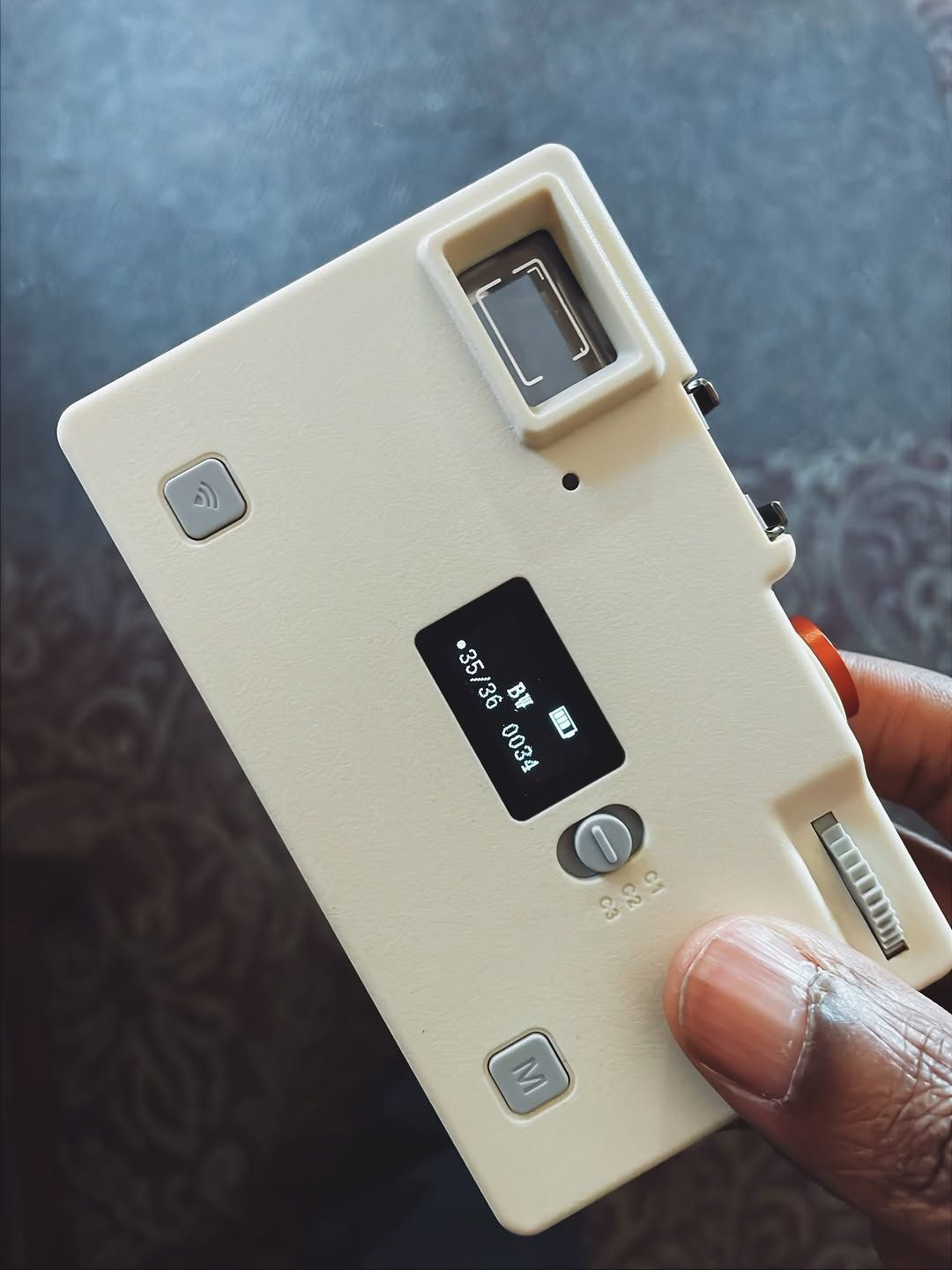
The secret experts won't tell you? These cameras often produce better work because they force you to think about storytelling in photography rather than menu settings. When you aren't fiddling with 400 autofocus points, you’re looking at the light.
I’ve been working with Sonny, our Social Media Manager, on a series about this "less is more" approach. He’s seeing a massive spike in engagement for photos that feel "raw" and "unfiltered," even if they were shot on high-end tech. The aesthetic of 2026 is "Authentic, not Perfect."
Breaking News: The Industry Shift Toward "Experience" Gear
We’re seeing a massive pivot in how companies like Sony, Nikon, and the boutique brands are marketing. They aren't selling specs anymore; they’re selling the "experience" of the hunt. This is why hidden gem locations for travel photography are becoming more valuable than the gear itself.
If you want to truly dominate the industry, stop looking at spec sheets and start looking for secluded paradises to enhance your photography portfolio. The market is oversaturated with "perfect" shots of the Eiffel Tower or the Grand Canyon. What people want to see are the lesser-known vistas for enigmatic photos.
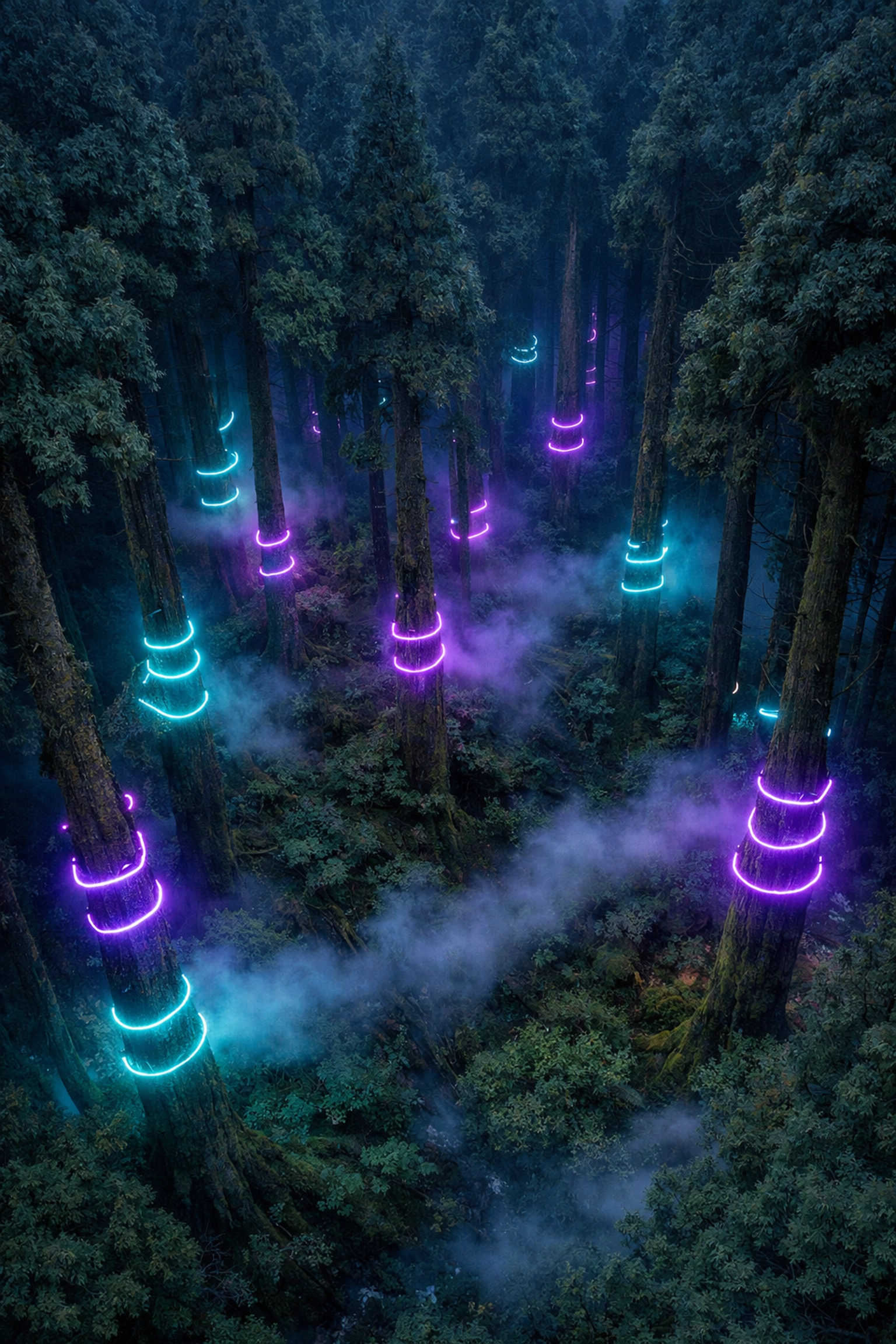
SEO Alt Text: An ultra-realistic shot of a drone-eye view of a remote, neon-lit forest in Japan at twilight, capturing the intersection of nature and modern light technology.
Avoid These Common "Evening Expert" Mistakes
Before you head out for your next night shoot, let's debunk some of the bad advice circulating in the industry news cycle.
- "You always need a tripod." Wrong. With the 8-stop In-Body Image Stabilization (IBIS) standard in 2026, you can handheld shots for up to 2 seconds if you have a steady breath.
- "ISO 6400 is too noisy." Only if you aren't using neural de-noising. Today's ISO 12800 looks cleaner than ISO 800 did ten years ago.
- "Night photography is only for cityscapes." Some of the most compelling evening work right now is happening in ethereal landscapes or during coastal escapes.
Don't fall for the 7 mistakes you’re making with landscape photography. The biggest one is thinking your gear limits your creativity.
The Future is Portable
The most significant industry shift we’re seeing this evening is the move toward high-performance portables. Photographers are ditching the heavy backpacks for gear that fits in a jacket pocket but performs like a medium-format rig.
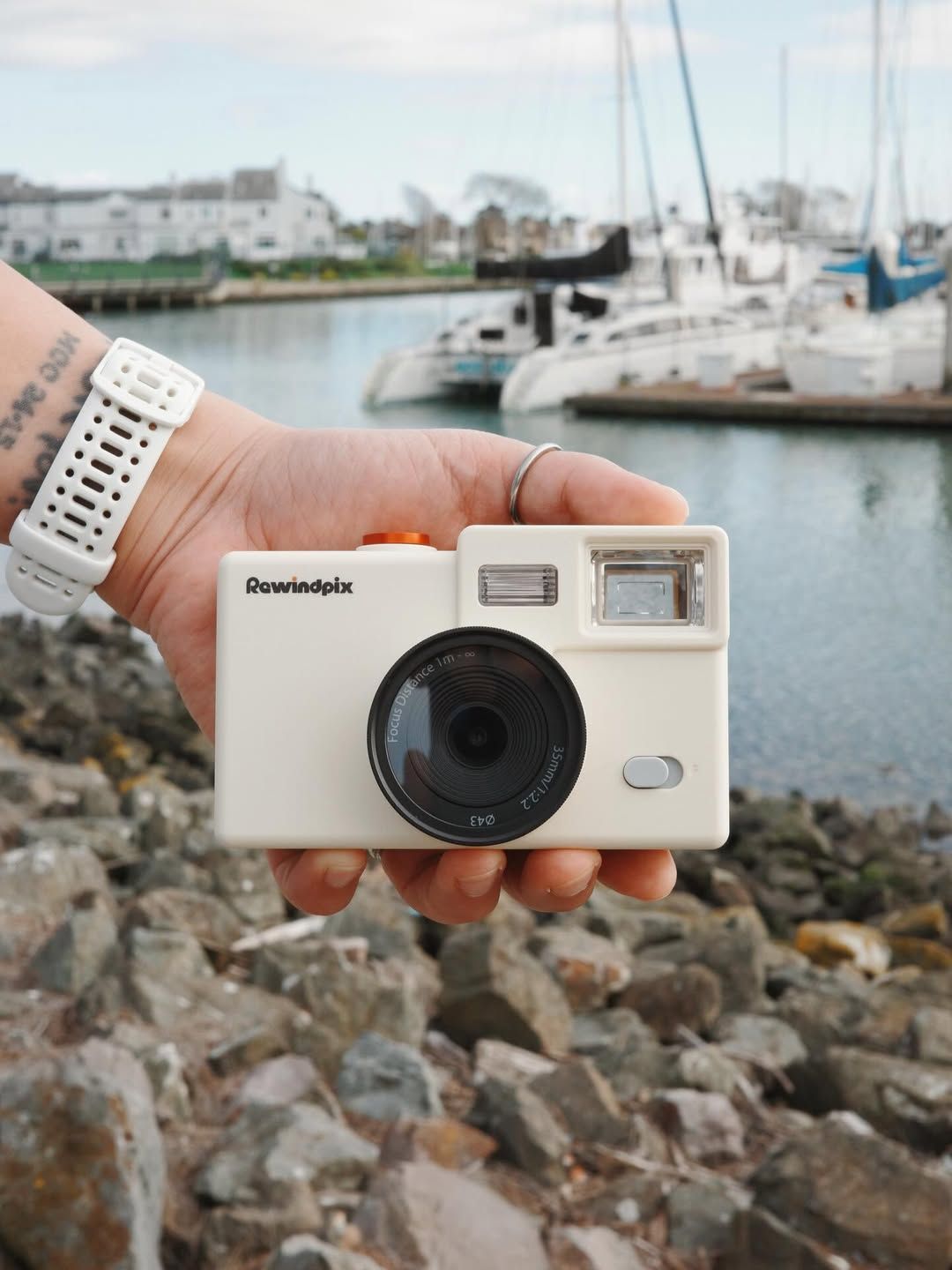
Whether you're mastering water photography in any environment or exploring urban photography, the goal is to remain mobile. The best evening photography news of the year is that the "barrier to entry" for pro-level low-light shots has finally crumbled.
Wrapping Up the Evening Update
The "secrets" of evening photography aren't about hidden settings or secret firmware. They’re about understanding that the industry has moved past the era of pure hardware. We are in the era of Vision + Software.
If you want to keep up with the latest shifts, make sure you're checking in with www.proshoot.io for technical breakdowns, and keep an eye on our internal news cluster here at Shut Your Aperture.
Whether you're capturing water photography from lakes to oceans or just trying to get a sharp shot of your cat in the living room, remember: the best tech is the tech that gets out of your way.
For more inspiration on where to take your gear tonight, check out our list of top spots for stunning nature imagery. Now get out there and shut your aperture!