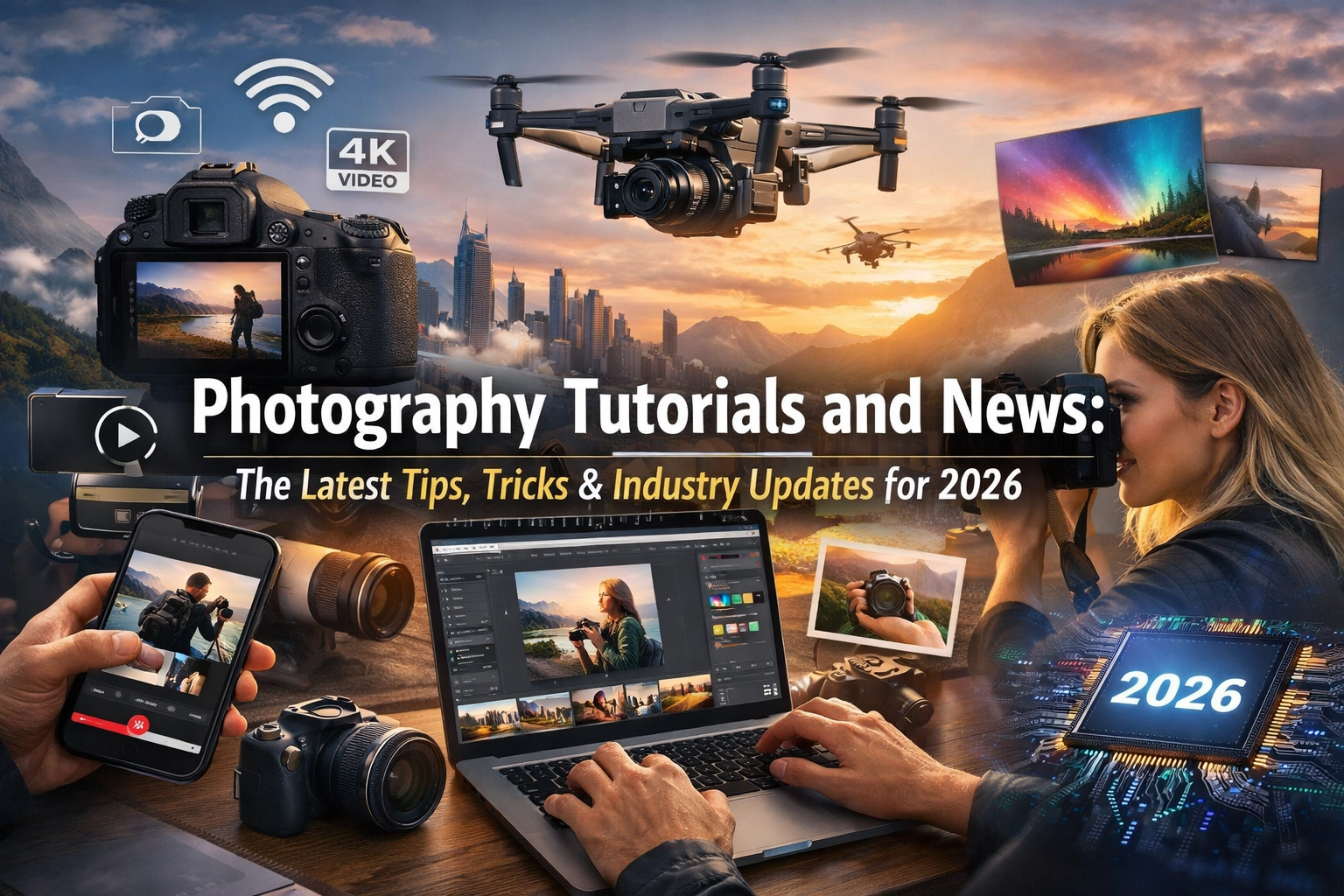
Look, 2026 is shaping up to be a wild year for anyone holding a camera. We’ve moved past the "is AI going to kill photography?" debate and entered a phase where we’re actually using these tools to make our lives easier while craving the soul of analog more than ever. Whether you’re a pro looking for the latest industry shifts or a beginner just trying to figure out why your photos look blurry, we’ve got you covered.
At Shut Your Aperture, we believe photography should be simple. It’s about the shot, the story, and the feeling you get when you finally nail the exposure. Today, we’re diving into the state of the industry, some gear updates that are shaking things up, and the tutorials you need to master to stay ahead of the curve this year.
Why Everyone is Talking About 2026 News
If you’ve been keeping an eye on the headlines, you know that the photography world is moving fast. We’re seeing a massive resurgence in tactile, physical gear. People are tired of everything being hidden behind a screen. This shift toward "tangible photography" is why everyone is talking about today’s photography news. It’s a mix of high-tech AI processing and low-tech film vibes.
The big news this year? The "Focal Point Photoclass 2026" has officially launched. It’s a six-month deep dive that covers everything from the basics to advanced post-processing. If you’re looking to get serious without spending a fortune on a degree, that’s where you want to be. Industry updates are also pointing toward more "hybrid" cameras, devices that look like they’re from 1970 but think like they’re from 2050.
The Gear Shift: Retro Meets Reality
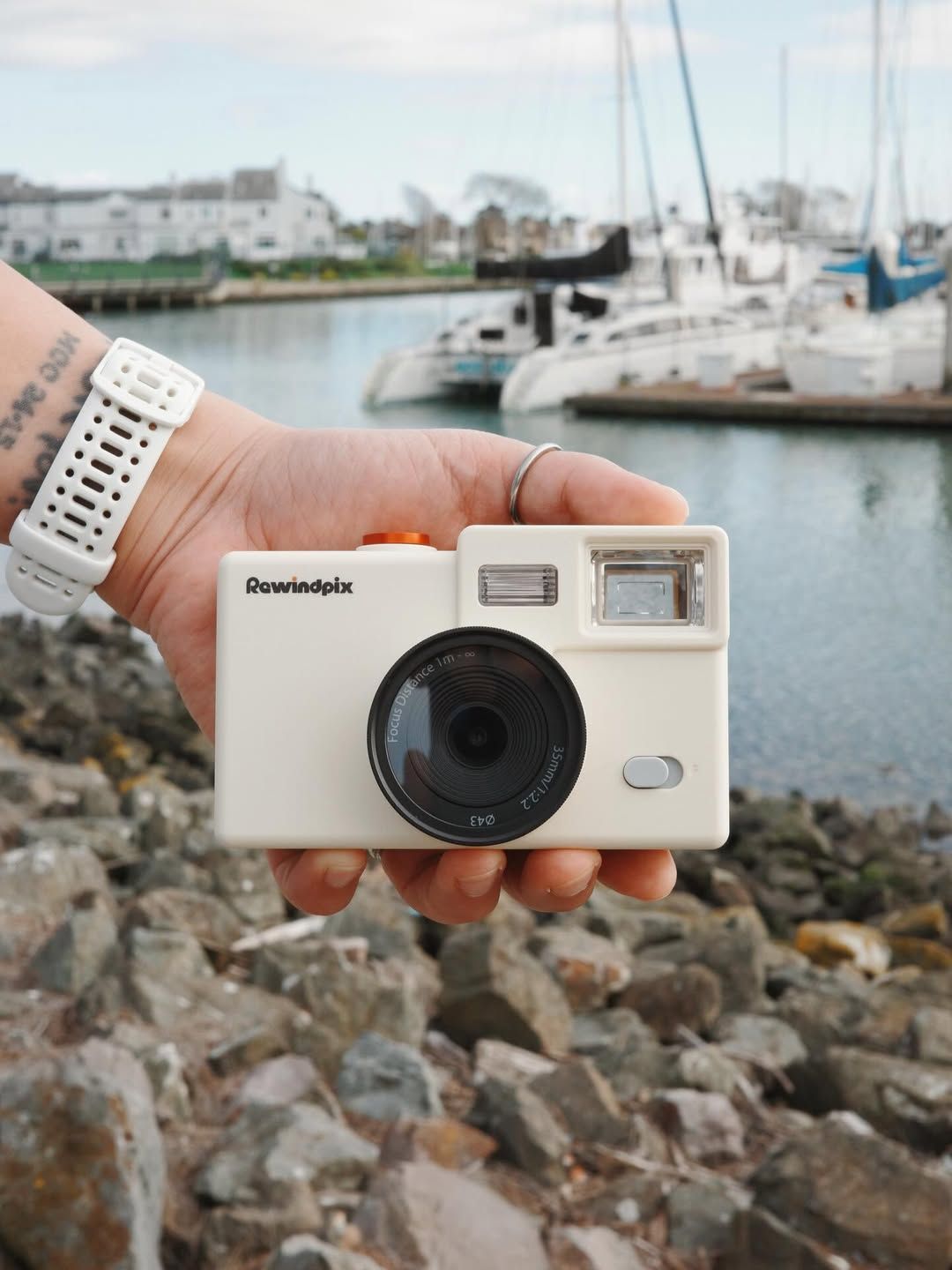
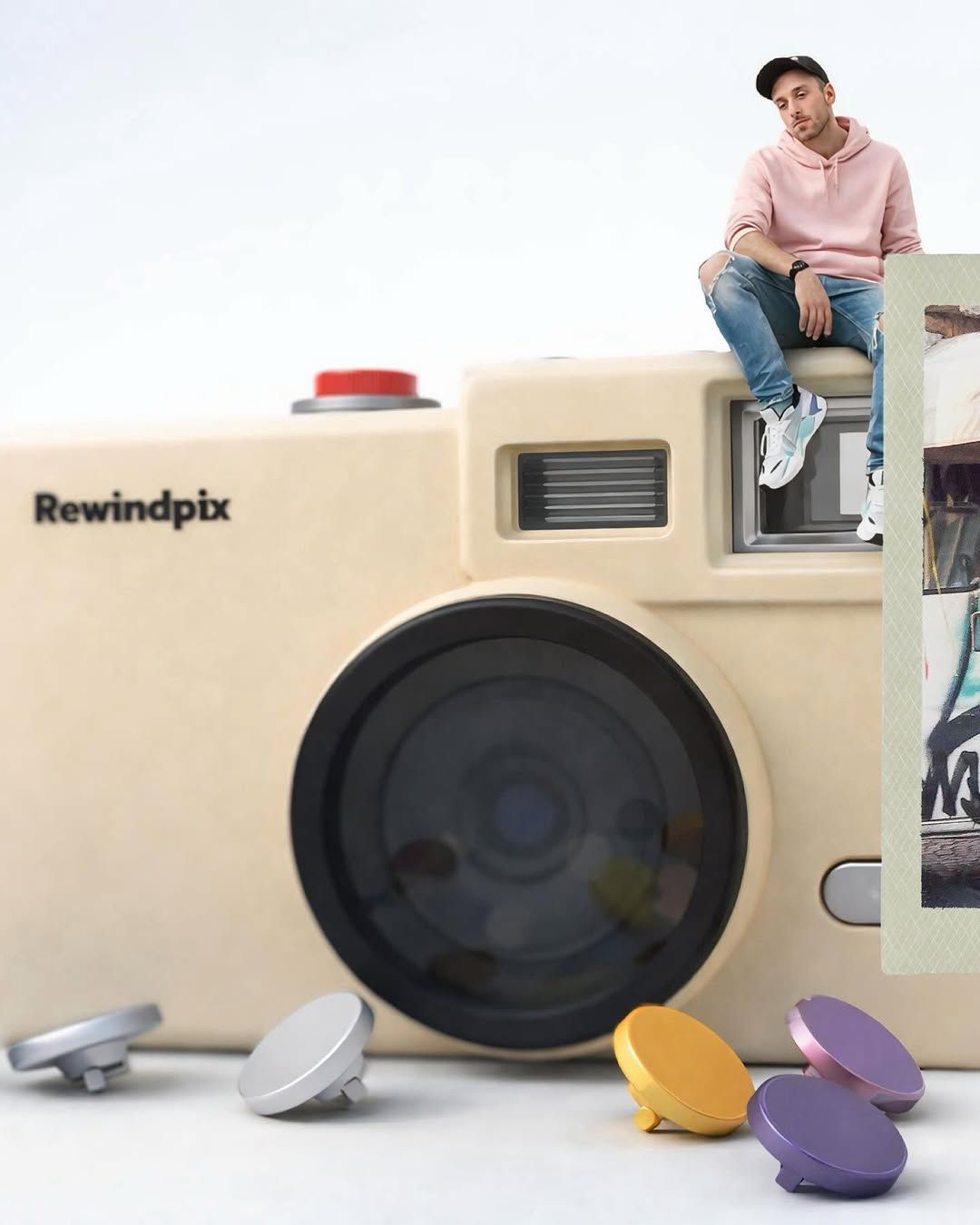
Speaking of gear, the RewindPix trend isn't slowing down. We’re seeing more photographers move away from the massive, heavy DSLRs of the past and toward compact, intentional setups. There’s something special about unboxing a camera that feels like a tool rather than a computer.
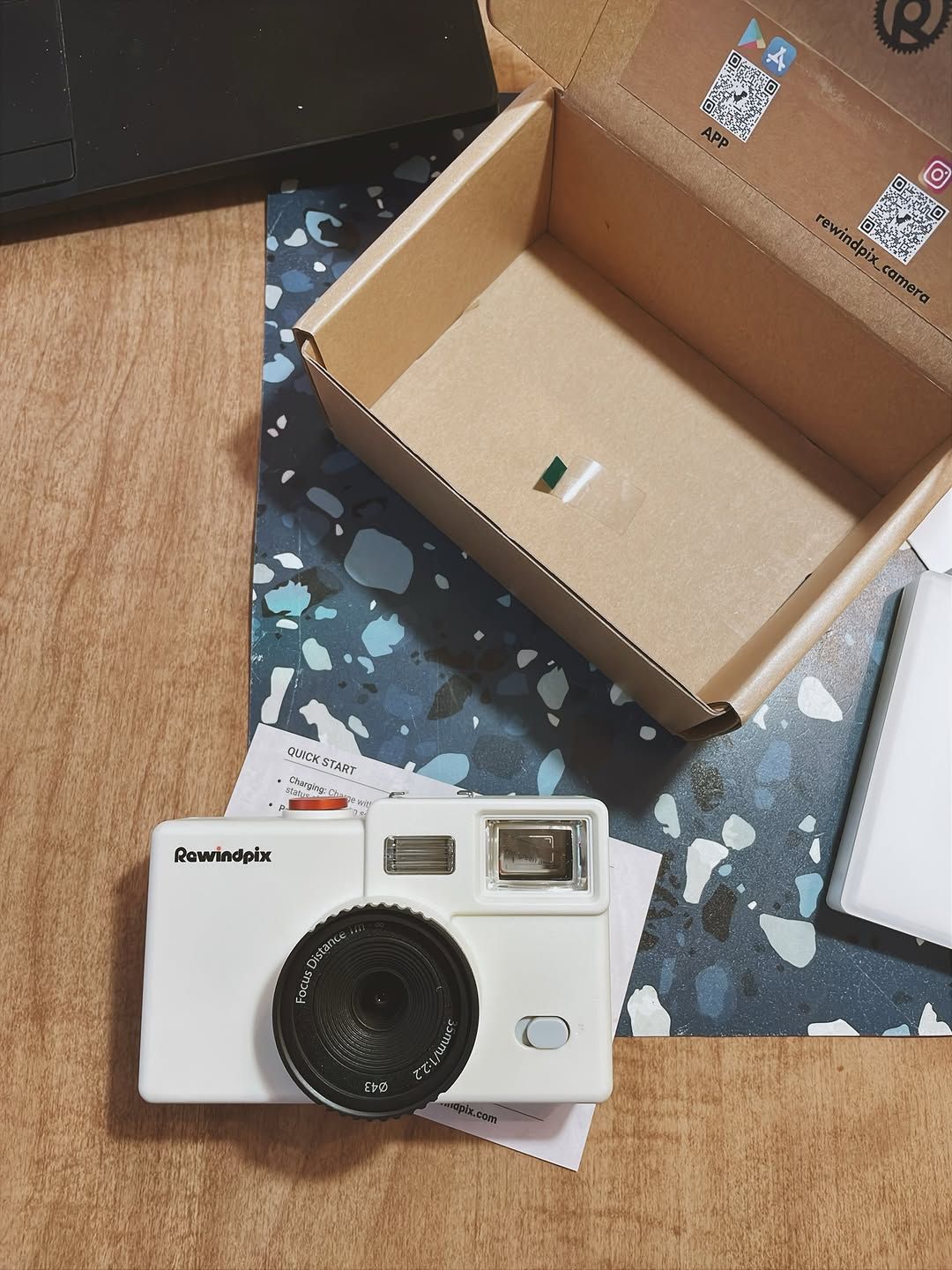
The unboxing experience of the RewindPix cameras highlights exactly where the industry is heading: simplicity. A microSD card, a quick start guide, and a camera that just works. No 500-page manual required. This is a huge win for beginners who used to get intimidated by the technical barrier of entry. If you're looking for more gear insights, Shut Your Aperture has some great breakdowns on what to pack for your next trip.
Mastering the Basics: Back to Manual
I know, I know. Your phone does a great job on "Auto." But if you want to create something truly unique, you have to take control. Mastering manual mode is the single most important step in your photography journey. It’s the difference between taking a snapshot and creating art.
The good news? You don't need a year to learn it. You can actually master your camera’s manual mode in 5 minutes. It comes down to three things: Aperture, Shutter Speed, and ISO.
- Aperture: This controls your depth of field. Want that blurry background? Open it up (lower f-stop).
- Shutter Speed: This controls motion. Want to freeze a bird in flight? Make it fast.
- ISO: This is your light sensitivity. Keep it low for clean shots, higher for dark environments (but watch out for grain).
Once you get these three working together, the world opens up. You stop fighting your camera and start collaborating with it.

Capturing Beauty in Motion: Water Photography
One of the biggest trends we’ve seen in 2026 is the obsession with water. There’s something about the movement of a river or the crashing of an ocean wave that challenges even the best photographers. Water photography is about capturing beauty in motion, and it requires a specific set of skills.
If you’re standing by a lake or an ocean, you need to decide: do you want to freeze the spray or blur the flow? To get those silky, ethereal waterfalls, you’ll need a tripod and a slow shutter speed. If you’re out in the elements, make sure you check out our essential water photography gear guide to keep your camera dry while you get the shot.
Mastering light and water for perfect shots is all about timing. The "Golden Hour" isn't just a cliché; it’s the time when water reflects the sky in ways that look like a painting. For more technical tips, check out proshoot.io for advanced lighting setups.
Composition and Textures: The Tangible Aesthetic
In a world full of perfectly smooth AI-generated images, photographers are leaning into "grit." We’re seeing a massive rise in using rare textures for tangible aesthetic photography. Whether it’s the peeling paint on an old door or the rough bark of a tree, these details give your photos a sense of place.
Composition is also evolving. The "Rule of Thirds" is still a great starting point, but in 2026, we’re seeing more "Enigmatic" framing. This means using lesser-known vistas for enigmatic photos and playing with shadows to hide as much as you reveal. It’s about creating a mystery that the viewer wants to solve.
Finding Hidden Gems
If you’re tired of the same three spots you see on every travel blog, you’re not alone. The best photos of 2026 aren't being taken at the Eiffel Tower. They’re being taken in hidden gem locations for travel photography.
Think secluded paradises, quiet coastal escapes, and urban alleys that most people walk right past. When you find these secluded paradises to enhance your portfolio, you’re not just taking a photo; you’re sharing a secret. If you’re looking for more inspiration on where to go next, Edin Chavez’s personal blog at blog.edinchavez.com is a goldmine for travel stories.
Post-Processing: The Luminar Era
Let’s talk about editing. In 2026, we don’t spend five hours editing a single photo unless we really want to. Tools like Luminar have completely changed the game. With AI-driven sky replacement and portrait enhancement, you can get a professional look in minutes.
The key to using Luminar is subtlety. You don’t want your photo to look like a CGI movie (unless that’s your vibe). You want it to look like the best version of reality. Focus on enhancing the natural light and cleaning up the distractions. If you want to see how high-end editing looks in the fine art world, take a look at edinfineart.com.

Urban vs. Nature: Choosing Your Path
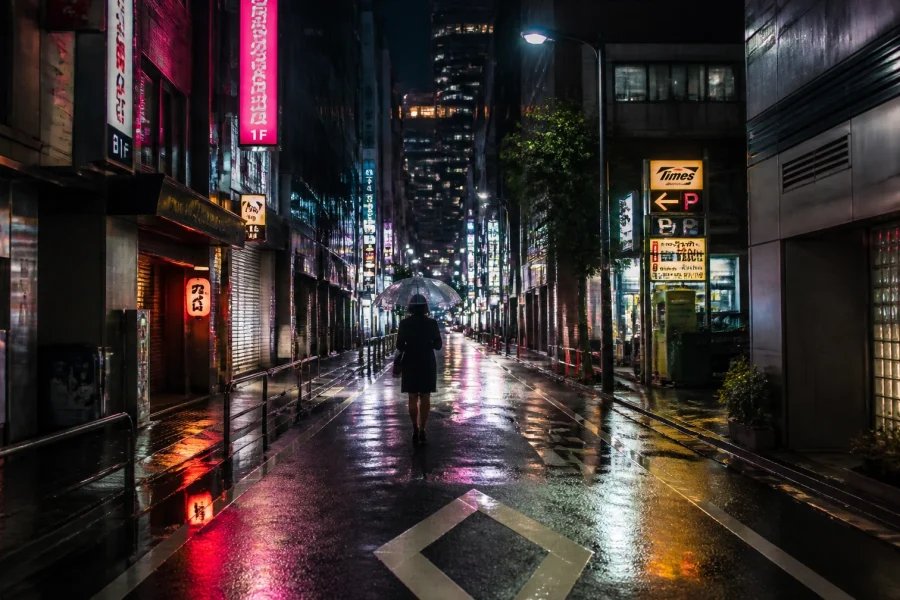
Are you an urban explorer or a nature lover? In 2026, the lines are blurring. "Urban Nature" is a growing genre where photographers unlock secrets to enchanting urban photography by finding the green spaces inside the concrete jungle.
On the flip side, nature photography is getting more majestic. We’re seeing incredible work coming from the top spots for majestic sunset photography. Whether you’re shooting a skyscraper or a sequoia, the principles remain the same: light, composition, and a bit of luck. If you need a professional space to shoot your urban projects, edinstudios.com has some of the best setups in the industry.
The Future is Collaborative
One of the coolest things about the 2026 photography scene is the community. We’re moving away from the "lone wolf" photographer mentality. Platforms are making it easier to share tips, tricks, and even raw files for others to practice editing.
I’ve been chatting with Sonny, our Social Media Manager, and we’re aligning our blog content with what you’re seeing on our social channels. If you see a reel about finding hidden gems for stunning travel photography, you can bet there’s a deep-dive tutorial waiting for you here.
Photography in 2026 is about more than just gear. It’s about the way you see the world. Whether you’re using a high-end digital mirrorless or a simple RewindPix point-and-shoot, the goal is the same: tell a story that matters.
So, grab your camera, find some picturesque coastal escapes for discerning travelers, and start shooting. The light is perfect, and the industry is waiting to see what you create. Keep it simple, keep it witty, and most importantly, keep your aperture open to new possibilities. Wait, actually, Shut Your Aperture when it's too bright. You get what I mean.