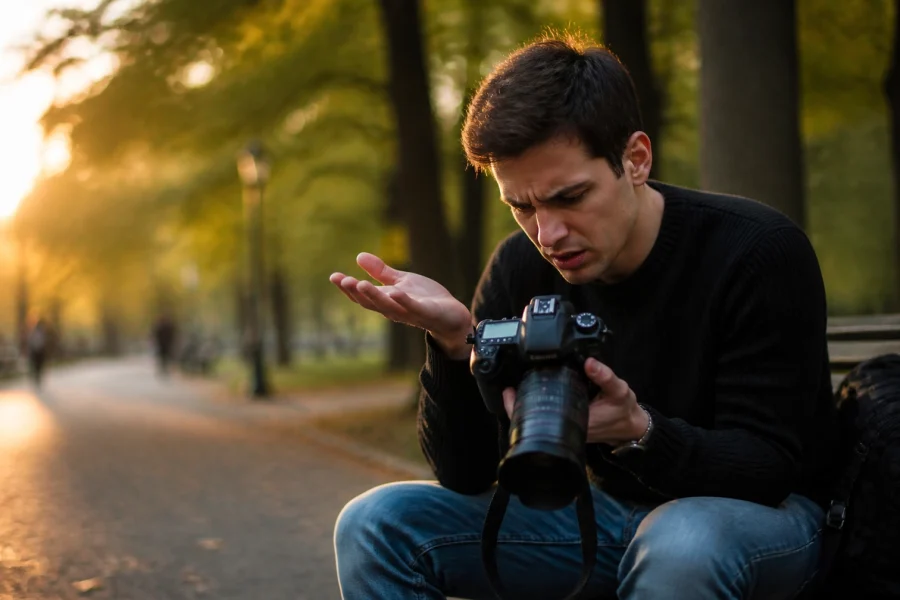

Remember the days when removing a stray power line from a landscape shot meant squinting at your monitor for forty-five minutes, clicking the clone stamp tool like a caffeinated woodpecker? Yeah, those days are officially in the rearview mirror.
If you’ve spent any time on social media or photography forums lately, you’ve seen the buzz. Everyone, from hobbyists with a smartphone to seasoned pros, is obsessed with AI photo editing tutorials. And honestly? They should be. We aren’t just looking at a "cool new filter" phase. We are witnessing the biggest shift in photography since the move from film to digital.
At Shut Your Aperture, we’ve seen a lot of trends come and go, but AI isn’t a trend. It’s the new engine. Whether you’re trying to master photography with essential tips or you’re trying to figure out how to make a living in real estate, AI is the tool that’s going to get you there faster.
The "Magic" Is Now Math (And It’s Accessible)
The reason everyone is hunting down tutorials right now is that the barrier to entry has completely collapsed. You used to need a degree in graphic design to understand layers, masks, and frequency separation. Now, you just need to know how to type.
AI-powered tools have become the industry standard. Adobe Photoshop and Lightroom aren't just photo editors anymore; they are AI-assisted workspaces. Features that used to be "experimental" are now core functions. We’re talking about automatic subject detection that actually works, intelligent masking that knows the difference between a tree branch and a mountain, and generative fill that can add a whole forest where there was only a parking lot.
But here’s the catch: because these tools are so powerful, they’re also a bit intimidating. That’s why tutorials are exploding. People want to know how to harness the "magic" without making their photos look like a cheap sci-fi movie poster.
Why Tutorials Are the New Photography School
In 2026, the way we learn photography has flipped. We used to spend years learning the technical "how" of editing. Now, the "how" is handled by the software, so we need to learn the "what" and the "why."
Tutorials today aren't just about showing you which sliders to move. They are teaching you how to prompt the AI, how to refine generative results, and how to maintain a natural look. If you look at the techniques behind Peter Lik’s landscape photography, you’ll see that vision has always been more important than the specific tool. AI just makes it so your vision isn't limited by your mouse-clicking speed.
If you’re looking for a place to start with a more intuitive approach, Luminar has been leading the charge in making complex edits feel like a breeze. Their tutorials are a great gateway because they focus on the result rather than the technical headache.
The Big Players: Photoshop vs. Luminar vs. The World
When you dive into these tutorials, you’ll notice two names coming up constantly: Adobe and Skylum.
Adobe has integrated Firefly (their AI model) directly into Photoshop. The tutorials for this usually focus on "Generative Fill." You can literally highlight a section of a photo, type "add a vintage red truck," and boom, there it is. It’s wild. If you want to dive deeper into how this impacts professional workflows, check out Shut Your Aperture for some deep dives into the software side.
Then you have Luminar. What makes Luminar tutorials so popular is that they cater to people who want professional results without spending four hours on a single image. They use "AI Augmented Sky" or "AI Skin Enhancer." It’s about enhancing what’s already there rather than building a new world from scratch.
For many of us, especially those doing high-volume work like real estate, this efficiency is a godsend. Imagine applying the role of luminosity in real estate photography across fifty photos in minutes instead of hours. That’s the power we’re talking about.
Creative Freedom: Breaking the Rules of Reality
The most exciting (and controversial) part of AI photo editing is the creative freedom. We are no longer bound by what the camera saw.
Tutorials are teaching photographers how to:
- Replace backgrounds: Keep the subject but move them from a backyard to a Parisian street while maintaining the lighting and shadows.
- Extend canvases: If you shot a vertical photo but need a horizontal one for a website banner, AI can "outpaint" the rest of the scene.
- Re-stage scenes: In real estate, this is a game-changer. You can take an empty room and use AI to "virtually stage" it with modern furniture. This is why is photography essential for real estate marketing is a question that now has a very different answer than it did five years ago.
This kind of "scene restaging" is incredibly popular in current tutorials because it saves thousands of dollars in physical staging costs. You can see how these cinematic techniques could transform your property showcases without ever moving a piece of furniture.
Workflow Efficiency: Saving Your Sanity
Let’s talk about the "boring" stuff that’s actually the most important: workflow. Professional photography is 10% shooting and 90% sitting in a dark room staring at a screen. AI is changing that ratio.
New tutorials are showing photographers how to use AI for "culling." If you’ve ever come home from a wedding with 3,000 photos, you know the pain of picking the best ones. AI can now scan your batch, find the ones where everyone's eyes are open, the focus is sharp, and the composition is balanced, and present you with a "best of" list in seconds.
Once you’ve culled, you can use AI to batch-edit. If you’ve nailed the look on one photo, the AI can analyze that look and apply it to the rest of the set, adjusting for slight changes in exposure or white balance automatically. This is a massive leap forward for anyone trying to elevate their real estate listings with ethereal imagery.
The Ethics Question (And Why It’s in Every Tutorial)
You can’t talk about AI photo editing without talking about the "is it still photography?" debate. Every good tutorial nowadays includes a section on ethics.
Is it "cheating" to use Luminar to sky-swap a grey Tuesday into a vibrant sunset? Most pros would say no, it’s just another tool in the belt, much like the darkroom techniques used by masters for decades. However, there’s a line, especially in journalism or documentary work.
The consensus in the community (and what most tutorials teach) is transparency. If you’ve completely changed the reality of the image, tell people. But if you’re using AI to remove a trash can or fix the lighting, that’s just good editing. Even Peter Lik’s iconic works through the years have always leaned into the "extraordinary" versions of reality. AI is just making that level of polish available to everyone.
Why You Specifically Need to Start Now
If you’re a photographer and you aren’t looking into AI tutorials, you’re basically trying to win a NASCAR race with a horse and buggy.
- Competitiveness: Your clients (whether they are brides or real estate agents) expect a certain level of perfection. If your competitor can deliver AI-polished images in 24 hours and you take two weeks to do it manually, you’re going to lose that business.
- Price of Entry: Many of these tools are now included in the subscriptions you’re already paying for. Photoshop’s AI features are part of the Creative Cloud. Luminar is an affordable one-time or subscription cost. The cost is low, but the payoff is high.
- Creative Burnout: Manual editing is exhausting. By automating the tedious parts, you get back to the fun part of photography, the creation. You can find more inspiration on this over at Edin’s fine art site or read about his creative process on blog.edinchavez.com.
Real-World Applications: From Landscapes to Luxury
Let's look at how this applies to different niches.
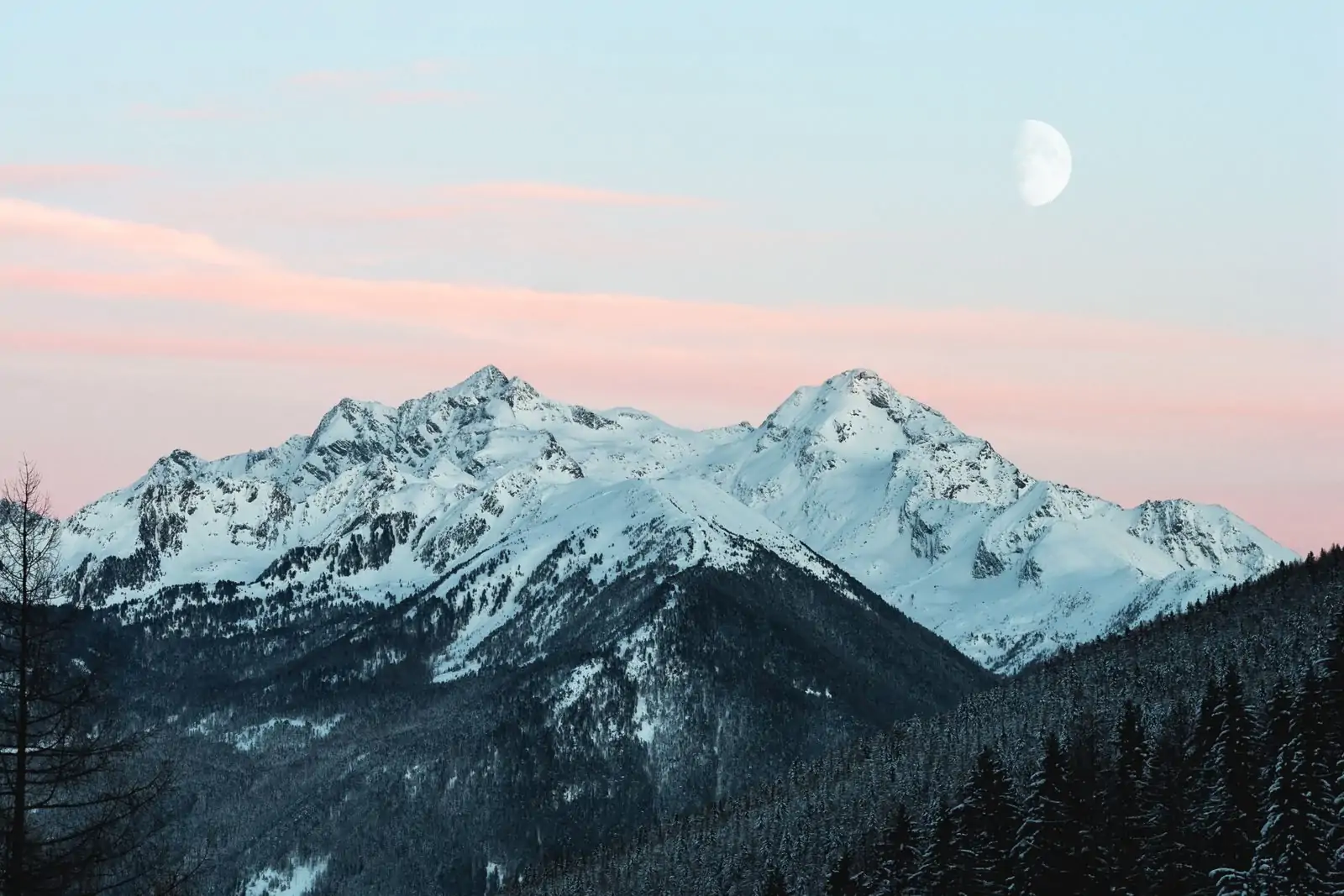
In Landscape Photography, AI allows us to handle extreme dynamic range without the "fake HDR" look of the 2010s. You can take lessons from the best, like Peter Lik’s favorite locations for adventure, and use AI to make sure the light you saw in person is exactly what the viewer sees on the screen. It’s about closing the gap between the camera’s limitations and your eyes' capabilities.
In Real Estate, the impact is even bigger. Aerial photography is great, but often the sky is blown out or the grass looks dead. AI can fix those environmental factors in seconds, ensuring shot composition’s impact on buyer attraction isn't ruined by a brown lawn.
Even in Commercial and Food Photography, AI is being used to clean up reflections in wine glasses or fix the steam on a plate of food. If you’re shooting at the world’s most exclusive restaurants, you don't always have control over the lighting. AI gives you that control back after the fact.
How to Get Started (Without Getting Overwhelmed)
If you’re ready to jump in, don’t try to learn everything at once. The "AI world" moves fast. Here’s a simple roadmap:
- Step 1: Start with what you know. If you use Lightroom, look up a tutorial specifically on "AI Adaptive Presets." It will change your life.
- Step 2: Play with Generative Fill. Open a photo in Photoshop, select an area, and type something crazy. See how the AI handles it. Learning how to talk to the AI (prompting) is a skill in itself.
- Step 3: Check out Luminar. It’s probably the most user-friendly way to see what AI can do for your portraits and landscapes without needing a manual the size of a phone book.
- Step 4: Follow the pros. Watch how people like Edin Chavez are integrating these tools into high-end workflows. Check out Edin Studios or ProShoot.io for professional-grade inspiration.
The Future of the "Edit"
The conversation about AI photo editing tutorials isn't going away. If anything, it’s just getting started. We are moving toward a world where the "tutorial" might eventually just be you telling the computer, "Make this look like a 1970s film shot in the style of a moody noir," and the AI handling the rest.
But for now, the human element is still required. The AI provides the "muscles," but you provide the "brain." You still need to understand vistas and perspectives and how distinctive elements of real estate photography work.
The tutorials are simply the bridge. They help you take the raw potential of AI and turn it into actual art. So, if you’ve been sitting on the fence, it’s time to hop off. The water is fine, the tools are incredible, and your photos are about to look better than they ever have.
Final Thoughts on the AI Evolution
Photography has always been a blend of technology and soul. When the first digital cameras came out, people said it wasn't "real" photography. When Photoshop became a thing, they said the same. Now, AI is the new "threat" to the purists.
But at the end of the day, a photo is an emotion captured in a frame. Whether you used a darkroom chemical or a Luminar slider to get there doesn't matter as much as the impact the image has on the person looking at it.
The reason everyone is talking about AI tutorials is that we are finally realizing that these tools don't replace the photographer, they liberate them. They take away the "grunt work" and leave us with the "dream work."
So go ahead, find a tutorial, break some rules, and see what you can create. And hey, if you need more inspiration on how to take your photography to the next level, we’ve got plenty of lessons in landscape photography and guides to success right here at Shut Your Aperture.
The future is here, and it’s looking pretty sharp.
Skylum’s Luminar Neo runs as a Lightroom plugin and adds AI-powered sky replacement, portrait retouching and noise reduction to your existing workflow. Tagged as affiliate per FTC.