Look, we all know the feeling. You spend months researching the perfect setup, finally drop the cash, and three weeks later, the "new and improved" version drops. It’s enough to make you want to throw your SD cards into the ocean. But here’s the good news: 2026 isn't about making your current gear obsolete. It’s a year of refinement.
We’re seeing better autofocus, smarter software, and lenses that won’t break your back (or your bank account). If you’re looking for the quick hits on what’s happening in the photography world right now, you’ve come to the right place. Grab a coffee, and let’s dive into the latest updates that actually matter.
Sigma Steals the Spotlight at CP+ 2026
The CP+ show in Japan just wrapped up, and if there was one brand that walked away with the crown, it was Sigma. They aren't just making "alternative" lenses anymore; they are setting the pace.
Sigma expanded its legendary Art lineup with three heavy hitters. First up is the 85mm f/1.2 DG Art. If you’re a portrait photographer, this is basically the holy grail. The bokeh is creamy, the sharpness is surgical, and it handles chromatic aberration like a pro.
For the crop-sensor crowd, the 15mm f/1.4 DC Contemporary is a game-changer for ultra-wide work. Whether you’re shooting architecture or vlogging in tight spaces, this lens offers a fast aperture that we rarely see in APS-C wide-angles.
But the real crowd-pleaser? The 35mm f/1.4 DG II Art. Sigma managed to make this version 20% lighter than the original. In a world where gear seems to get heavier every year, seeing a brand prioritize portability without sacrificing glass quality is a breath of fresh air.
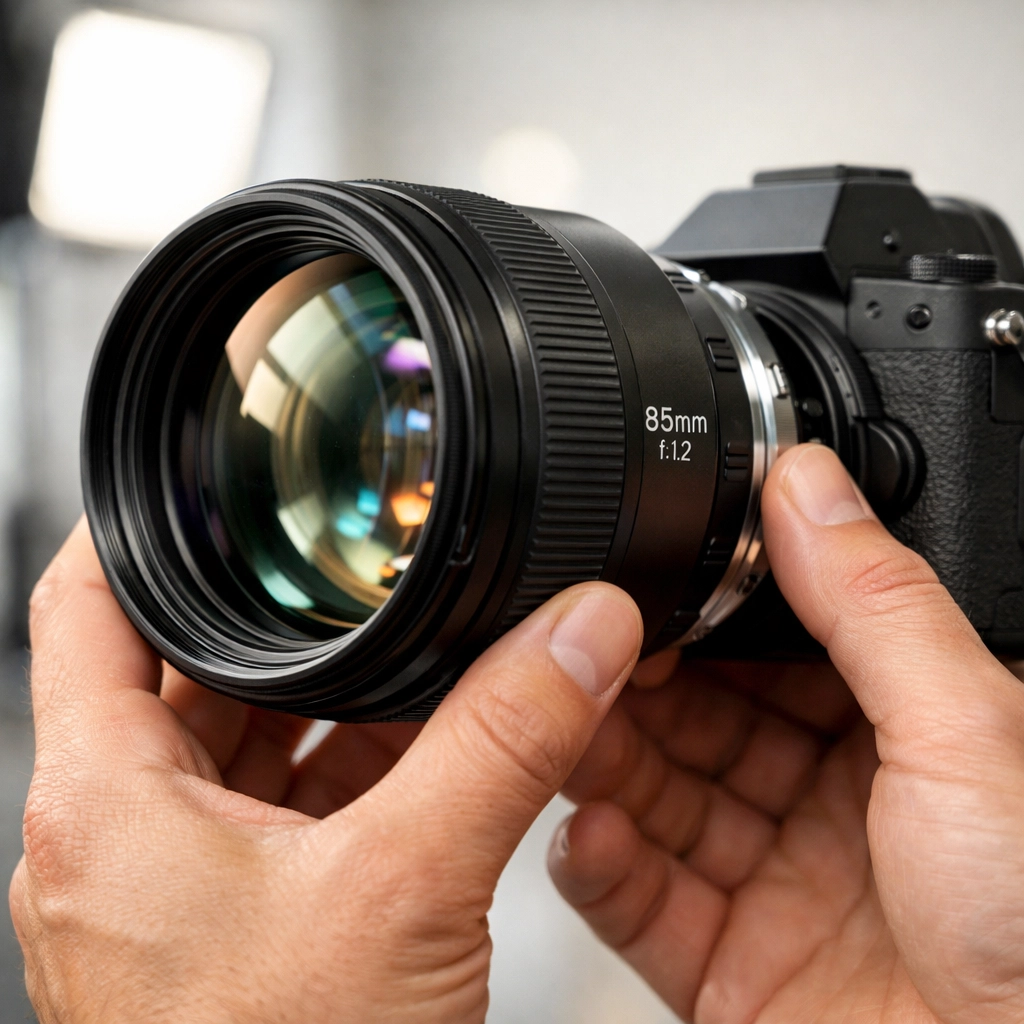
Alt Text: A professional photographer in a sunlit studio swapping a Sigma 85mm f/1.2 DG Art lens onto a mirrorless camera body.
The Budget Kings: 7Artisans and Megadap
Not everyone has five grand sitting around for a single lens. That’s why I love seeing brands like 7Artisans disrupt the market. They just released a 40mm f/2.5 autofocus lens for full-frame cameras priced at: wait for it: $159.
Is it going to beat a $2,000 Sony G-Master? No. But for everyday street photography or a lightweight travel setup, it’s incredible. It’s tiny, it’s sharp enough for most social media and print work, and it actually has decent autofocus. If you're just starting out, check out some of our landscape photography tips to see how you can make even budget gear look like a million bucks.
Speaking of making things work, Megadap just dropped a bombshell: the world’s first Leica M to Canon RF autofocus adapter. This means you can take those legendary, manual-focus Leica lenses and get electronic focusing on your Canon R5 or R6. It’s a bridge between old-school soul and new-school tech.
Video is Getting a Major Face-Lift
If you’re moving more into the video world (and let’s be honest, we all are), there are two big things you need to know about.
First, Atomos released the Ninja RAW monitor. This thing is a beast. It supports ProRes RAW recording and gives you full camera control directly from the monitor. It streamlines the workflow for hybrid creators who are tired of menu-diving on tiny camera screens.
Second, the industry is still buzzing about Nikon’s acquisition of RED Digital Cinema. We are finally seeing the fruits of that labor. Firmware updates for the Nikon Z6 III, Z8, and Z9 are expected any day now, bringing RED RAW NE support. This is massive. Having RED’s color science and raw capabilities inside a Nikon body is a dream for indie filmmakers. If you’re interested in how high-end video can change your business, take a look at how cinematic techniques can transform property showcases.
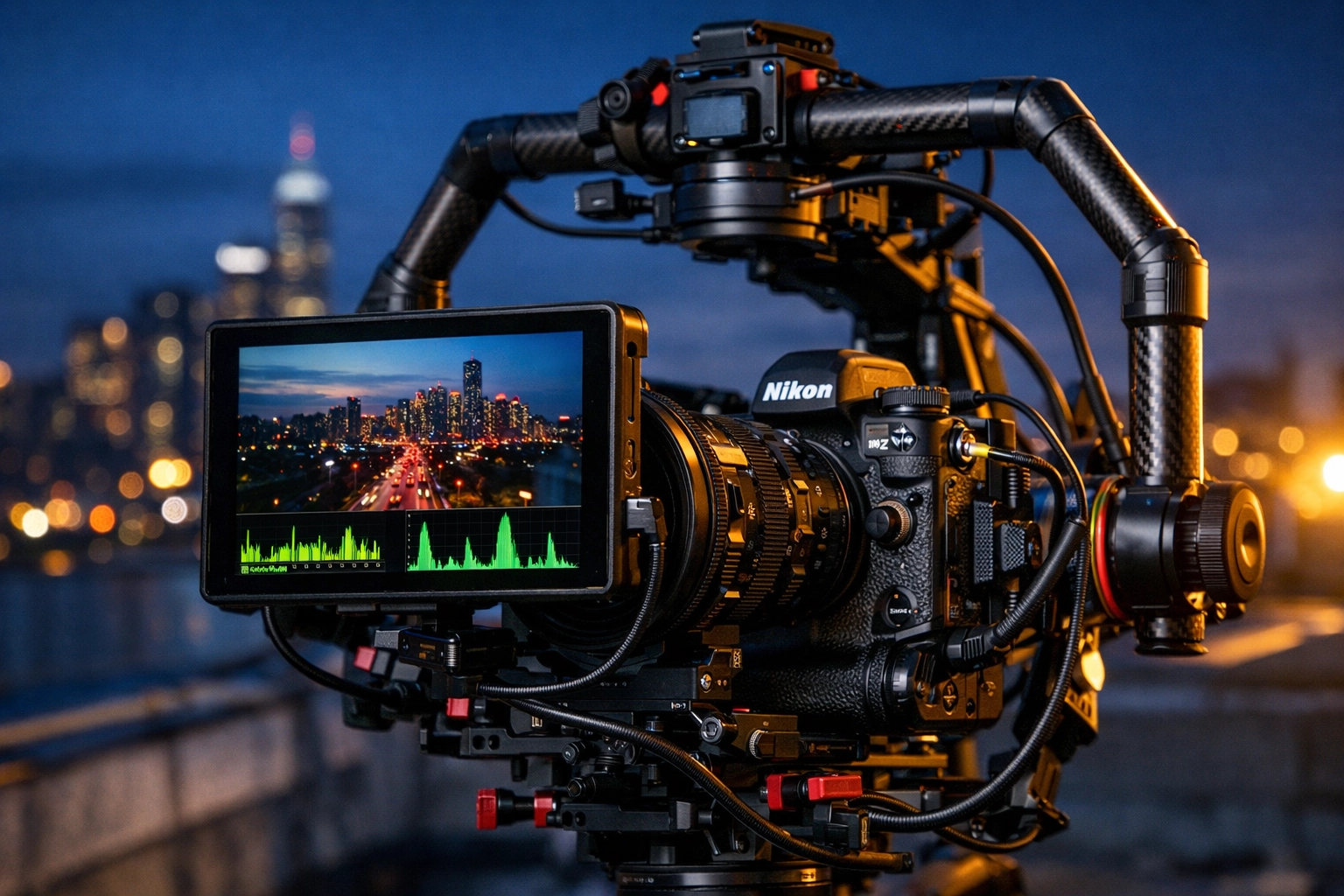
Alt Text: A high-end cinematography rig featuring a Nikon Z9 camera equipped with an Atomos Ninja RAW monitor on a gimbal.
Software Secrets: Luminar and the AI Revolution
Hardware is only half the battle. If your editing workflow is stuck in 2015, you’re working too hard. Luminar continues to push the boundaries of what AI can do for photographers.
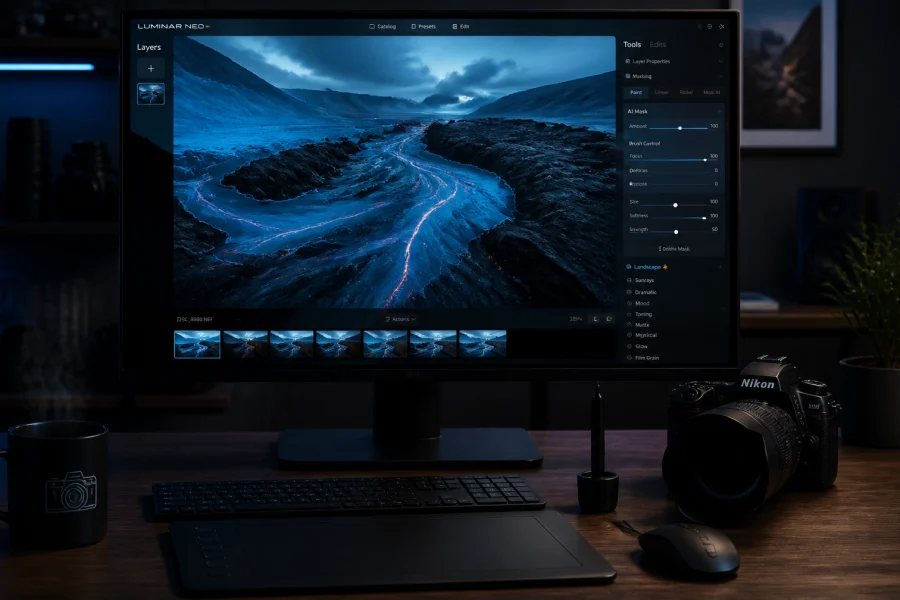
The latest updates to Luminar focus on "Generative Expand" and "Generative Erase," which are getting spookily good. Imagine being able to fix a composition by simply dragging the borders of your frame and letting the AI fill in the landscape perfectly. It’s a huge time-saver for those of us who would rather be out shooting than staring at a computer screen for ten hours.
We’ve also been experimenting with the role of luminosity in real estate photography, and the new masking tools in Luminar make balancing exposures in tricky lighting situations easier than ever.
What’s Next? The Rumor Mill
We can’t talk about gear without a little speculation, right? Here’s what’s on the horizon for the rest of 2026:
- Canon EOS R7 Mark II: Canon has been very vocal about their commitment to APS-C. Expect the R7 Mark II to drop later this year with a focus on reducing rolling shutter and improving high-speed bursts for wildlife and sports.
- The Leica In-House Sensor: Leica’s chairman confirmed they are working on their own advanced sensor. Moving away from off-the-shelf parts could give Leica even more control over that "Leica Look" we all crave (but usually can’t afford).
- Nikon Z9 Refresh: It’s been four years since the Z9 changed the game. With the RED tech now in their pocket, a "Z9s" or "Z9 Mark II" with even deeper video integration seems like a sure bet.
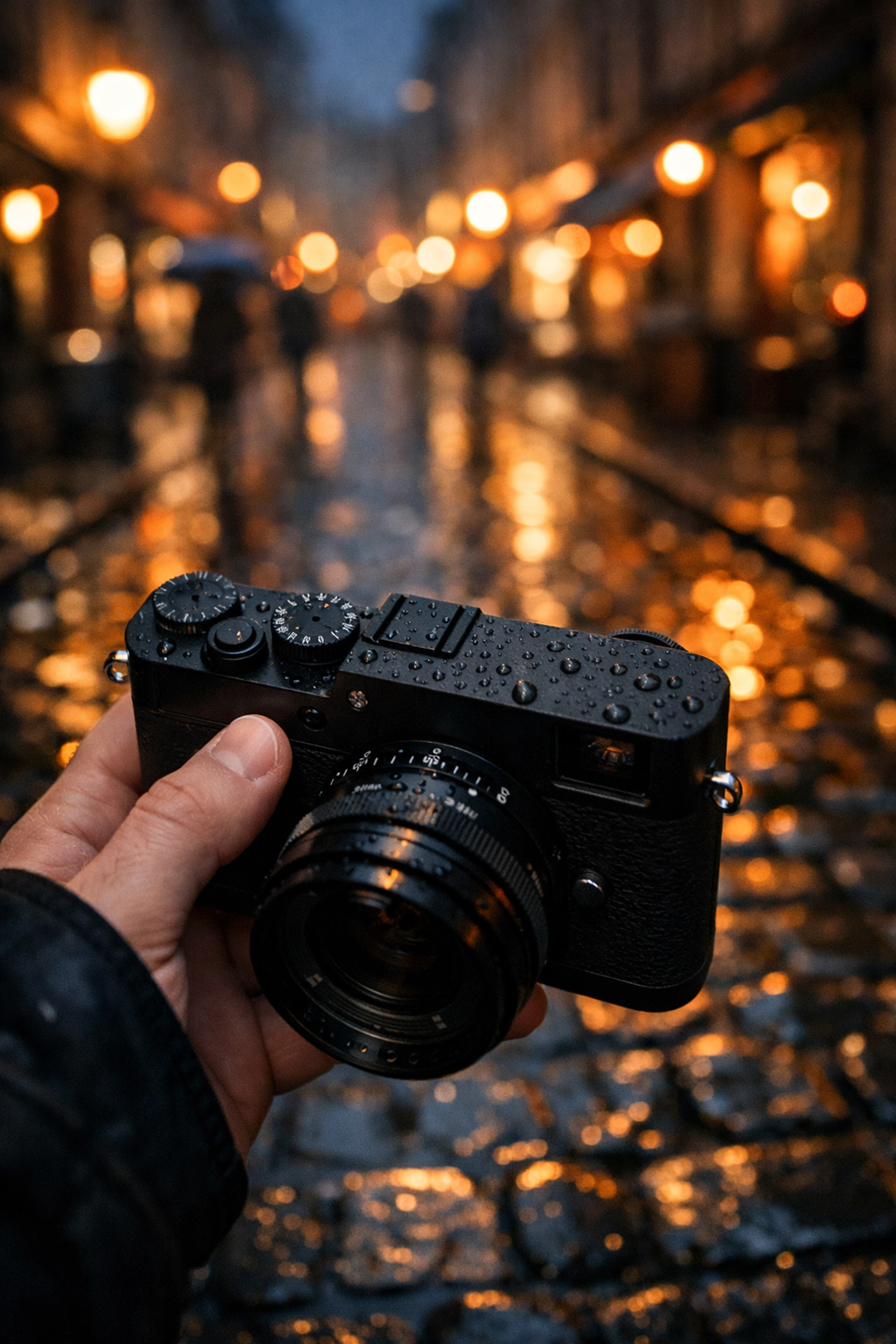
Alt Text: A close-up of a hand holding a sleek, modern Leica mirrorless camera against a blurred urban background.
Practical Advice for 2026
With all these updates, it’s easy to get "Gear Acquisition Syndrome" (GAS). My advice? Don't buy something just because it’s new. Buy it because it solves a problem.
If your current camera struggles in low light, the new Sigma primes are a great investment. If you’re tired of heavy bags, look at the 7Artisans or the new Sigma 35mm. And if you want to level up your professional game, head over to www.proshoot.io to see how pros are actually using this gear in the field.
I was chatting with Sonny, our Social Media Manager, earlier today. He’s going to be breaking down the real-world Sigma vs. Canon lens tests over on our Instagram and TikTok. If you’re a visual learner, make sure to check out his reels: they’re the perfect companion to this guide. We’re working together to make sure you get the most out of every piece of kit you own.
The Peter Lik Factor
When we look at the evolution of gear, I’m often reminded of the greats. We’ve talked before about lessons in landscape photography from Peter Lik. He didn't become a world-renowned photographer just because he had a Phase One camera; he became famous because he understood light and scale.
The tech we have in 2026: like the Luminar AI tools or the insanely fast Sigma glass: is just a tool to help you achieve that vision faster. Don't let the specs distract you from the art.

Alt Text: A wide-angle landscape shot of a desert canyon, reminiscent of Peter Lik's style, showing extreme detail and vibrant colors.
Final Thoughts (for now)
The photography industry is in a weirdly great place. The "Megapixel Wars" are mostly over, and now we’re in the "Usability Era." Cameras are getting smarter, lenses are getting lighter, and software is doing the heavy lifting.
Whether you’re shooting with a $159 7Artisans lens or a $6,000 Nikon Z9, the goal is the same: tell a story. For more tips on how to tell those stories: especially when the light gets tough: check out our guide on ethereal imagery for real estate.
Stay tuned to Shut Your Aperture for more daily updates. We’re here to cut through the marketing fluff and give you the facts. If you want to keep learning about the industry, head over to Shut Your Aperture for deep dives into technique.
Now, quit reading and go take some photos. The gear is ready when you are.