Street photography gets stale when you only hunt “interesting people” in “interesting places.” The fix isn’t buying new gear, it’s giving yourself better constraints. Below are 25 creative street photography prompts (with settings + quick execution notes) built to help you leave with a set, not just random singles.
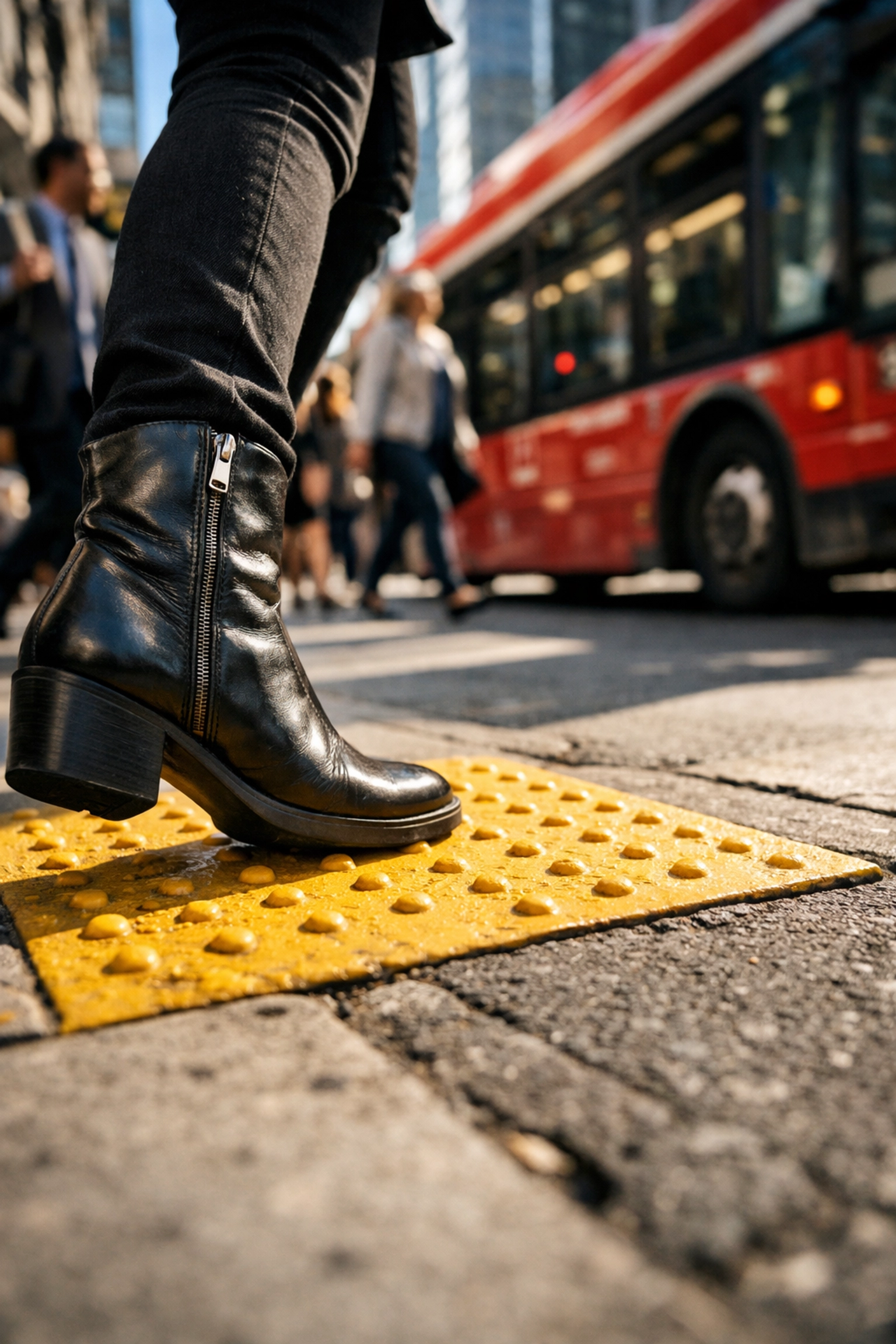
1) Shoot From the Hip (But Do It Intentionally)
Goal: candid energy without the “camera-up” tension.
How: set a wide lens (24–35mm), f/8, 1/250, auto ISO, and zone focus around 5–8 feet. Walk parallel to your subject, keep the camera at waist level, and fire a short burst.
Pro tip: practice on storefronts first so you learn where your frame lands.
2) The “One Block, 50 Frames” Micro-Documentary
Goal: turn a boring block into a story.
How: pick one block and don’t leave until you’ve shot 50 frames: wide scene, details, portraits, signage, hands, shoes, interactions, negative space.
Long-tail keyword fit: street photography storytelling ideas.
3) Reflections Only (No Direct Subjects)
Goal: make the city feel like a double exposure without editing.
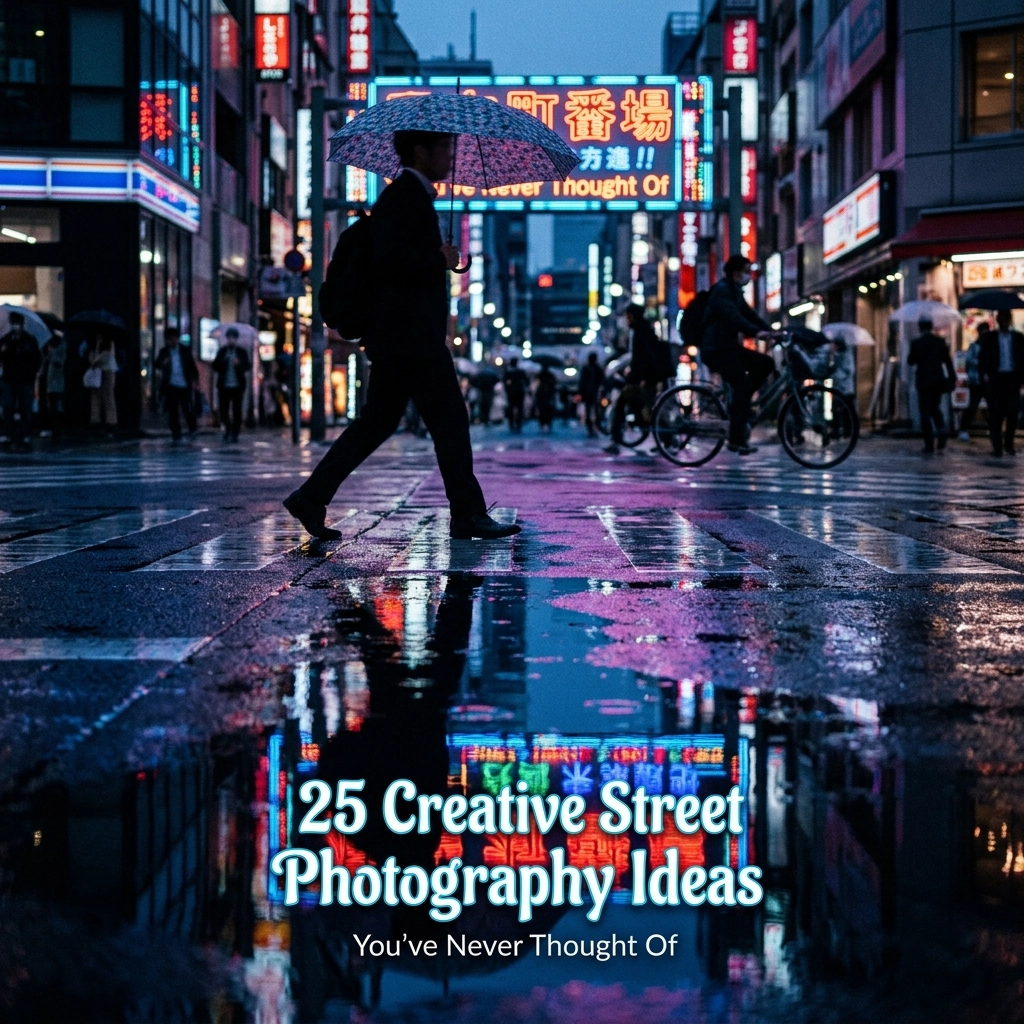
How: shoot only reflections in windows, bus shelters, polished cars, puddles. Wait for layers, subject + typography + interior objects.
Settings: start at f/2–f/4 to separate layers, adjust from there.
4) Puddle Flip: Shoot the Reflection, Not the World
Goal: upside-down street scenes that stop the scroll.
How: crouch low, fill the frame with the puddle, then wait for a footstep or bike wheel to distort the reflection.
Tip: underexpose slightly so the reflection pops.
5) Silhouette Hunting (Golden Hour, Hard Rules)
Goal: shape over identity.
How: shoot into the light. Expose for the background, let the subject go dark. Look for hats, hair shapes, umbrellas, shopping bags, anything recognizable by outline.
Settings: spot meter on bright sky, -1 to -2 EV.
6) Midday Shadow Geometry (Yes, Harsh Light)
Goal: dramatic, graphic frames when everyone else goes home.
How: look for “pockets of light” between buildings. Wait for a subject to enter the bright patch.
Composition trick: build the frame first (lines + shadows), then add the human.
7) The Color Walk (Pick One Color, No Cheating)
Goal: train your eye to see patterns fast.
How: choose one color (red is easy, yellow is harder) and shoot only scenes where that color is dominant.
Extra constraint: only one lens.
Long-tail keyword fit: color-based street photography exercise.
8) Two-Color Clash (Complementary Palette Challenge)
Goal: high-impact frames with simple design.
How: hunt combos like blue/orange, red/green, yellow/purple: signage, clothing, painted walls, ads.
Tip: stand near a colored wall and wait for the opposite color to walk by.
9) Photograph People Photographing
Goal: instant narrative and modern life in one frame.
How: look for tourists, influencers, parents, anyone holding a phone/camera. Frame them with what they’re shooting if possible.
Bonus: they’re usually too focused to notice you.
10) The “Hands-Only” Street Series
Goal: portraits without faces (still human, less confrontational).
How: photograph hands doing things: paying, carrying, texting, smoking, cooking, holding flowers, gripping a rail.
Settings: 1/500 if hands are moving, f/2–f/4 for separation.
11) Feet, Shadows, and the Ground-Level World
Goal: create rhythm and repetition.
How: shoot at knee level. Focus on steps crossing lines, crosswalk stripes, puddles, sidewalk textures, shadows.
Tip: use burst mode at crosswalks: timing becomes everything.
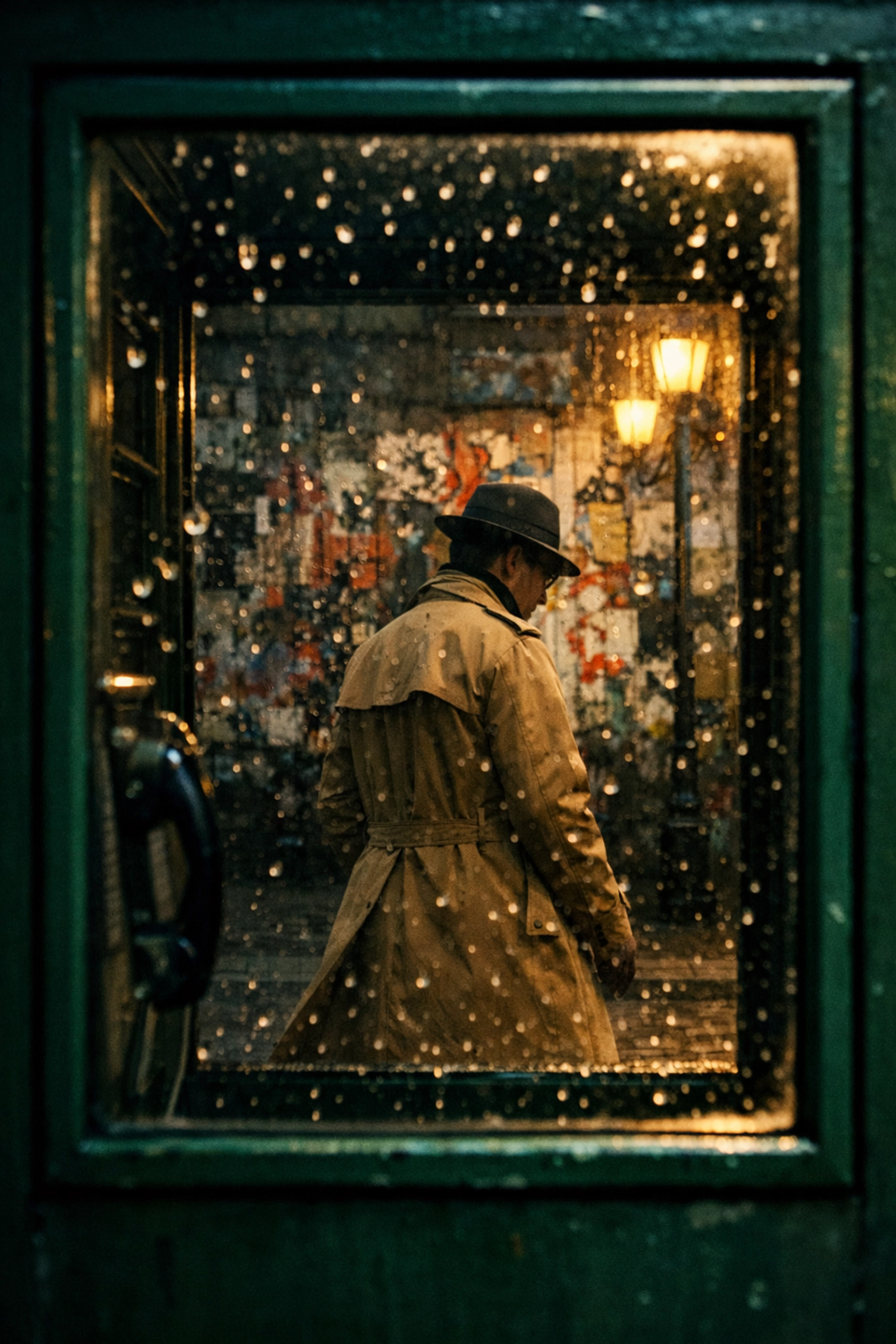
12) “Frame Within a Frame” With Doorways + Windows
Goal: instant composition structure.
How: shoot through doorways, gates, bus doors, subway windows, café windows. Wait for a subject to occupy the inner frame.
Internal link (related technique): If you like structured portraits, borrow a few ideas from our portrait breakdown: Portrait Photography Techniques Revealed: What Experts Don’t Want You to Know.
13) The “Sticker Wall” Texture Hunt
Goal: gritty, layered backgrounds that feel like a city’s fingerprints.
How: find stickered poles, layered posters, chipped paint, graffiti tags. Then add a subject for scale: hand, shoe, face, bike wheel.
Tip: shoot square compositions; texture loves symmetry.
14) Street Food Steam + Hands in Motion
Goal: make viewers smell the photo (almost).
How: find a hot cart or open grill. Shoot steam backlit if possible. Focus on hands plating, flipping, pouring.
Settings: 1/320+ for action, or go slow (see idea #19).
15) Urban Wildlife (Animals in the City)
Goal: personality without permission stress.
How: dogs, pigeons, squirrels, cats: wait for interaction with humans (leash pull, owner laugh, bird swarm, dog in a costume).
Tip: get low. Animals look bigger (and funnier) from their level.
16) “Same Spot, Different People” Triptych
Goal: build a set that feels curated.
How: choose one background and photograph three different subjects crossing the same spot.
Editing idea: present them as a 3-image row; it reads like a mini study.
17) Neon + Nightlife Layers
Goal: cinematic street photos without a “cinematic” preset.
How: shoot near neon signs, LED billboards, convenience stores. Use the sign as the key light.
Settings: start 1/125, f/2, ISO as needed.
Editing note: keep skin tones believable; don’t nuke everything magenta.
18) “Only Artificial Light” Night Challenge
Goal: force yourself to see light sources.
How: no flash, no daylight: only street lamps, phone screens, headlights, shop windows.
Tip: look for mixed lighting (warm lamp + cool storefront) and use it intentionally.
19) Slow Shutter Street (Motion as a Subject)
Goal: show speed, chaos, and time.
How: shoot 1/10–1/30 handheld for blur, or pan a cyclist at 1/20–1/60.
Tip: keep one element sharp (a face, a sign) to anchor the blur.
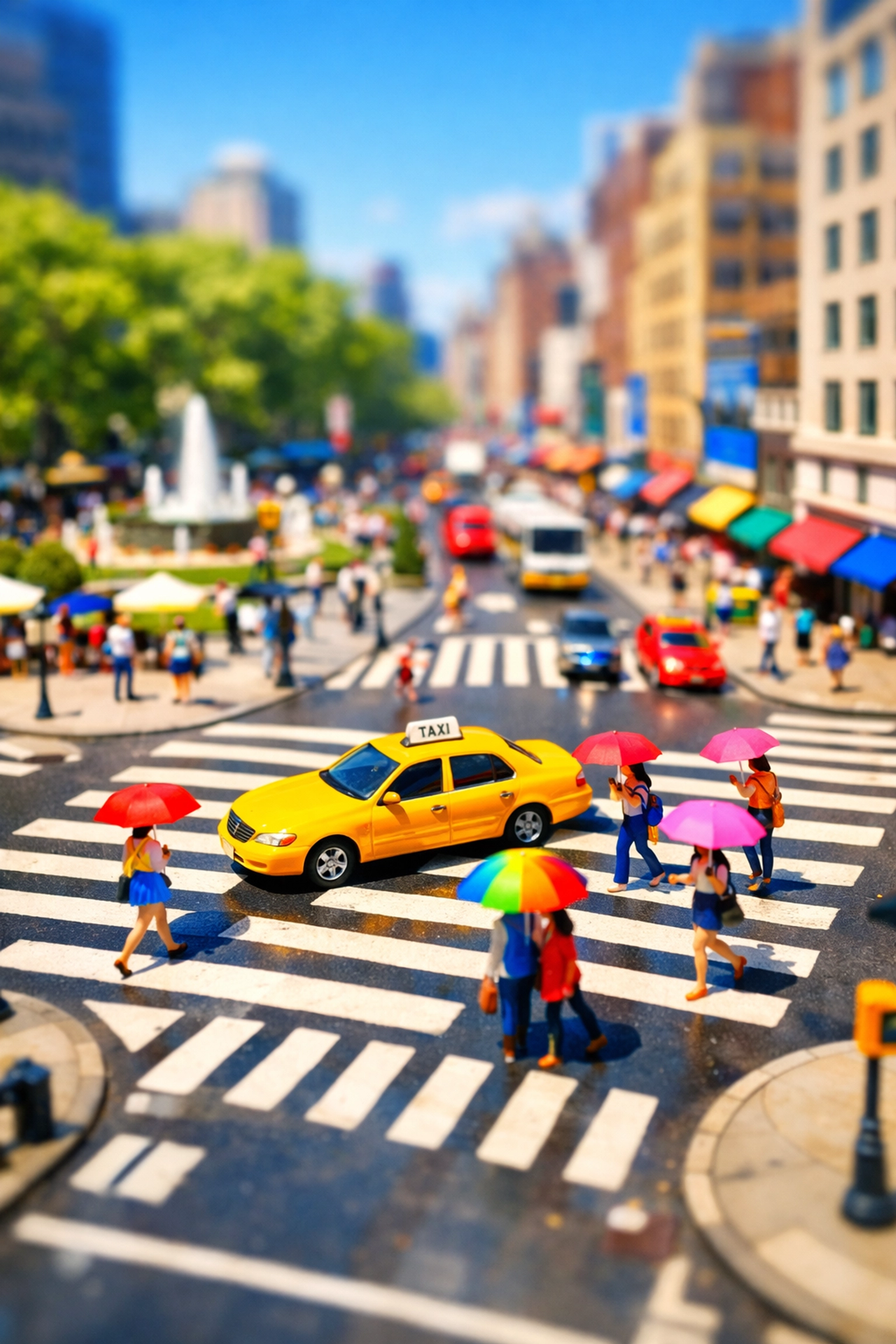
20) The Miniature City (Toy-World Look)
Goal: make a familiar street feel unreal.
How: shoot from above (parking garages, bridges) with a longer focal length, then emphasize contrast and micro-detail in post.
Editing tools: you can fake the tilt-shift vibe too, but don’t overdo the blur.
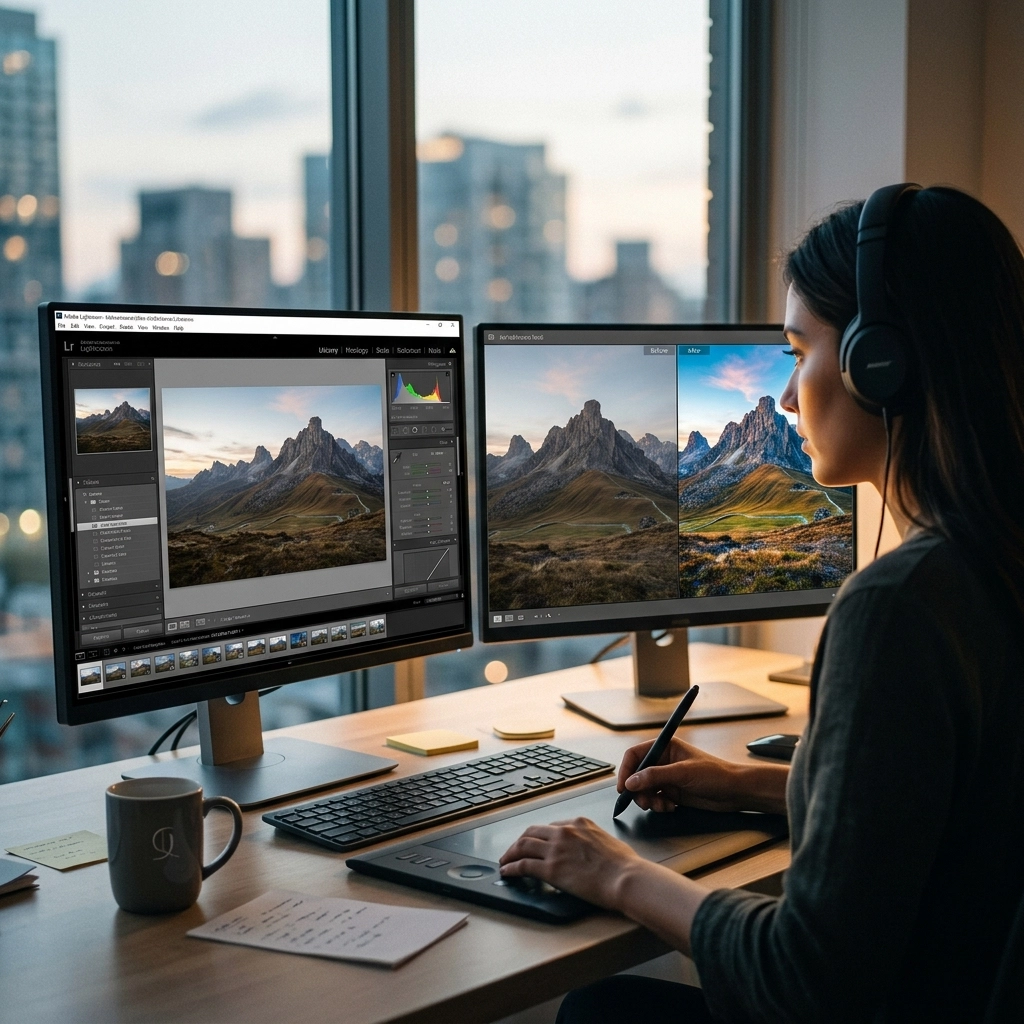
If you edit with Luminar: try selective structure on midtones and subtle vignette; keep it clean.
21) Abstract Geometry (Make the Street Not Look Like a Street)
Goal: fine-art street without trying too hard.
How: hunt triangles of light, repeating rectangles, diagonal shadows, curved stair rails. Remove obvious context.
Tip: shoot tight and let the viewer work a little.
22) “Typography Everywhere” (Letters as Subjects)
Goal: graphic design meets street life.
How: focus on type: shop signs, decals, warnings, menu boards. Build frames where letters interact with people (a “STOP” behind a running kid, etc.).
Long-tail keyword fit: typography street photography ideas.
23) The Poster Face Swap (Accidental Humor)
Goal: visual jokes without staged setups.
How: find large ads with faces. Wait for someone to walk in front so the ad face “becomes” their head, or aligns with their body.
Tip: use a slightly longer lens (50–85mm) to compress layers.
24) HDR Cityscapes (But Keep It Real)
Goal: handle extreme contrast scenes (sun + shadow, bright signs + dark alleys).
How: bracket exposures for architecture-heavy scenes, then merge gently: avoid the crunchy “HDR look.”
Quick workflow: expose for highlights, lift shadows carefully, protect midtones.
If you use Luminar: keep HDR tools subtle; the goal is detail, not glow.
25) The “No Faces” Street Day (Privacy-Friendly Creativity)
Goal: build strong street photos while staying respectful.
How: shoot from behind, crop at shoulders, use silhouettes, reflections, hands, feet, shadows. You’ll learn composition faster because you can’t rely on expressions.
Result: a cohesive, modern set that still feels human.
Quick Setup Cheatsheet (So You Can Actually Use These Today)
- Candid walkaround (day): 24–35mm, f/8, 1/250, auto ISO, zone focus
- Graphic shadows: f/5.6–f/11, expose for highlights
- Night neon: f/1.8–f/2.8, 1/125, ISO 1600–6400
- Motion blur: 1/10–1/30, stabilize your stance, shoot bursts
- Reflections: watch angles; small shifts change everything
For gear readiness (because street days are long), keep your kit clean and predictable: this guide helps: Camera Maintenance Guide.
A Simple “Creative Street Photo” Workflow (Repeatable)
- Pick 2 prompts from the list (not 10).
- Pick 1 neighborhood with foot traffic + light contrast.
- Shoot for 45 minutes per prompt.
- Cull hard: keep only images that match the prompt.
- Edit as a set (consistent contrast + color). If you use Luminar, save a look for the whole series, then tweak per image.
Coordination Note (for Sonny / Social)
Sonny: this post pairs well with short reels like “Color Walk challenge,” “Midday shadows are underrated,” and “Poster face swap in 10 seconds.” I’d clip 3–5 examples from our next street outing and link back to this article from the captions.
A Few Helpful Resources (External)
- Street photography project planning and workflow ideas: https://www.proshoot.io
- General photography how-tos and location guides: https://www.photoguides.org
- More photo work + inspiration sets: https://www.edinfineart.com
- Extra notes and behind-the-scenes writing: https://blog.edinchavez.com