Street photography is often described as the purest form of the craft. It’s raw, it’s unpredictable, and it’s completely unposed. But let’s be honest: after a few hours of walking the same three blocks in your city, everything starts to look like a cliché. You’ve seen the "person walking past a mural" shot a thousand times. You’ve done the "blurry taxi" thing. You’re stuck.
The good news? The street is a living, breathing organism that never runs out of stories; you just need a new way to read them. If you want to stop taking "snapshots" and start creating art, you have to change your visual vocabulary.
At Shut Your Aperture, we believe that the best shots come from the ideas no one else is looking for. Whether you’re shooting with a high-end Sony or just your phone, these 25 creative street photography ideas will help you see your city through a completely different lens.
1. The Single Color Scavenger Hunt
Most street photographers look for subjects: a person, a car, a dog. Instead, look for a color. Pick a vibrant hue, like "Electric Yellow" or "Deep Red," and refuse to press the shutter unless that color is the dominant force in the frame. This forces you to ignore the "noise" of the street and focus purely on composition and palette. It’s a great way to unlock secrets to enchanting urban photography by training your brain to see patterns rather than people.
2. Shooting the Backs of Heads
Faces tell stories, but the back of a head creates a mystery. By capturing people from behind, you remove the "identity" of the subject and turn them into an archetype. Where are they going? What are they looking at? It adds a voyeuristic, cinematic quality to your work that feels much more intentional than a standard head-on portrait.
3. Reflections in Unexpected Places
Forget the classic puddle reflection (though those are great too). Look for reflections in polished car hoods, the chrome of a motorcycle, a pair of sunglasses, or the brass plate of a fancy hotel entrance. These distorted surfaces act as a natural filter, warping the reality of the street into something surreal.

4. Silhouette Storytelling
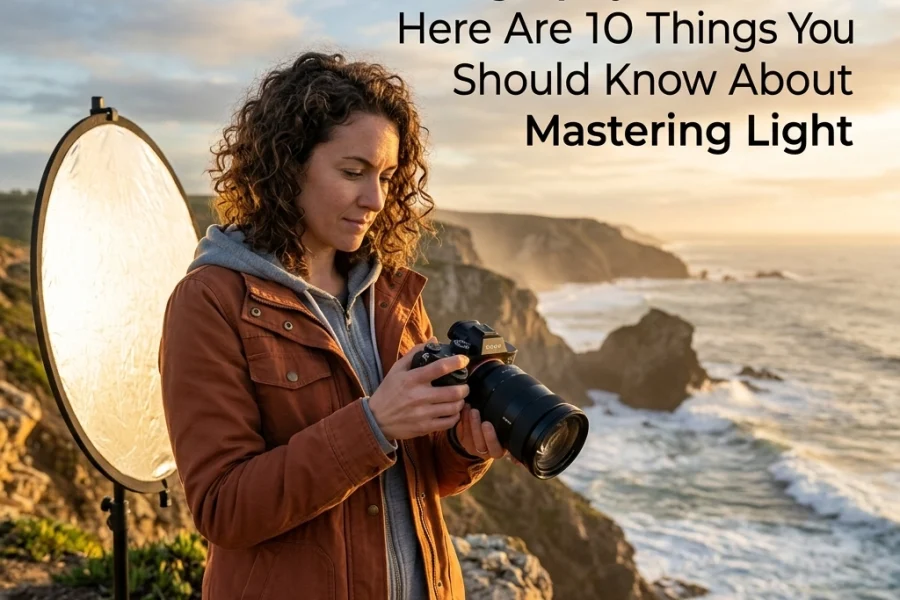
Find a strong light source: the setting sun hitting a gap between buildings or a bright neon sign at night: and underexpose your shot. By turning your subjects into pitch-black shapes, you emphasize their "gesture." A silhouette of someone running looks completely different from someone slouching. It’s all about the outline. For more on managing light, you might find our ultimate guide to photography tutorials helpful.
5. Shooting Through Glass
Whether it’s a steamed-up cafe window, a dirty bus pane, or a shop front with heavy glare, shooting through glass adds layers to your image. It creates a "frame within a frame" and adds a sense of depth that a clear shot lacks. If the glass has raindrops, even better: it adds a tactile, gritty texture to the scene.
6. The "Low Angle, High Impact" Shot
Most people shoot from eye level. It’s comfortable, but it’s boring. Get your camera as close to the pavement as possible. This "worm’s eye view" makes ordinary pedestrians look like giants and gives the architecture a towering, slightly intimidating presence. It’s a simple shift that changes the entire power dynamic of the photo.
7. Street Animals as Protagonists
Humans aren't the only ones living in the city. Focus your entire session on the animals. A stray cat guarding an alleyway or a pigeon mid-flight against a skyscraper can be just as compelling as any human subject. Animals are unpredictable, which adds a much-needed element of chaos to your portfolio.
8. Leading Lines in the Alley
Alleys are the veins of the city. They are naturally filled with leading lines: power cables, brick patterns, and trash cans. Use these lines to lead the viewer’s eye toward a specific subject, like a shaft of light hitting a doorway. If you’re looking for more inspiration on using lines and natural vistas, check out these lesser-known vistas for enigmatic photos.
9. Night Neon and Low-Light Grit
When the sun goes down, the city changes color. Use the harsh, artificial light of neon signs to create high-contrast images. The goal isn't to make it look "natural"; it’s to lean into the cinematic, "Blade Runner" aesthetic. If your colors look a bit flat straight out of the camera, using a tool like Luminar can help pop those neon tones and manage the digital noise that often comes with night shooting.

10. Direct Flash in Daylight
This is a bold move. Using a direct flash in broad daylight creates a "paparazzi" style that is very popular in modern art photography. It flattens the image, creates harsh shadows, and makes the colors incredibly saturated. It’s not for everyone, but if you want your street photos to look like a high-fashion editorial, this is the way to do it.
11. Juxtaposition: Nature vs. Urbanity
The city is constantly trying to swallow nature, but nature fights back. Look for wildflowers growing through sidewalk cracks, vines overtaking a brick wall, or a single tree standing against a massive glass skyscraper. This contrast highlights the resilience of the natural world. For more tips on this, check out top spots for stunning nature imagery.
12. People Photographing People
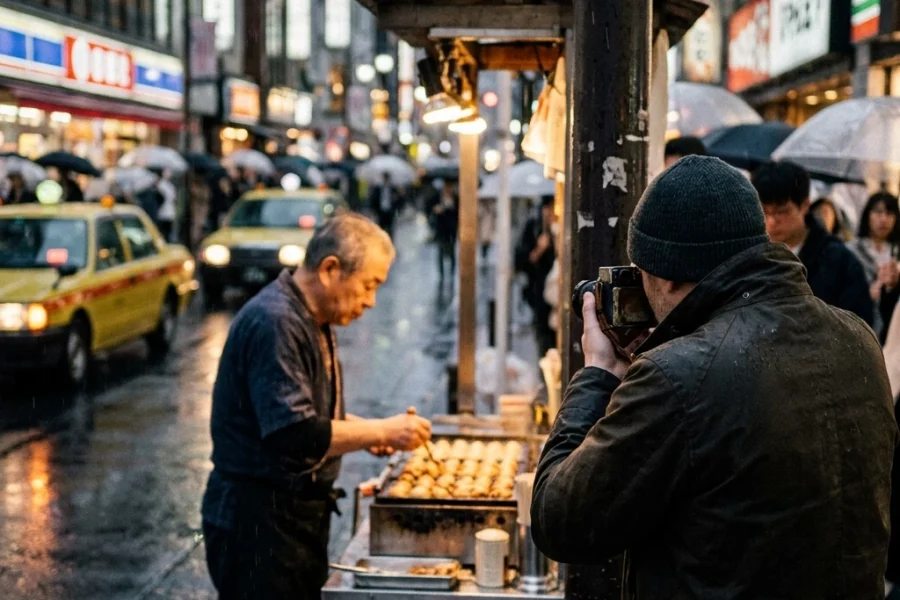
In the age of the smartphone, everyone is a photographer. Capture people taking selfies, influencers posing for TikToks, or tourists struggling with their DSLRs. It’s a meta-commentary on our modern world and often results in some pretty hilarious or poignant moments.
13. Intentional Camera Movement (ICM)
Who says your photos have to be sharp? Set a slower shutter speed and move your camera vertically or horizontally as you take the shot. This turns the busy street into a wash of colors and shapes. It’s "painterly" street photography that captures the feeling of the city's energy rather than its literal details.
14. Focusing on Hands and Feet
Sometimes, a person's face is the least interesting thing about them. A pair of worn-out boots, hands clutching a coffee cup, or a child’s hand holding onto an adult's finger can tell a much more intimate story. It’s about finding the "micro-moments" in the macro environment.
15. The "Fishing" Technique
Instead of walking around, find a great background: maybe an interesting piece of graffiti or a beautiful patch of light: and just wait. Stand there for 20 minutes. Eventually, the perfect subject will walk into your frame. This requires patience, but it ensures your composition is perfect before the subject even arrives.
16. Minimalist Street
Most street photos are busy. Try the opposite. Find a massive, blank wall and wait for a single person to walk past. The sense of scale will make the person look tiny and emphasize the loneliness or vastness of the urban landscape. This approach works incredibly well in black and white.

17. Rain and the "Glossy" City
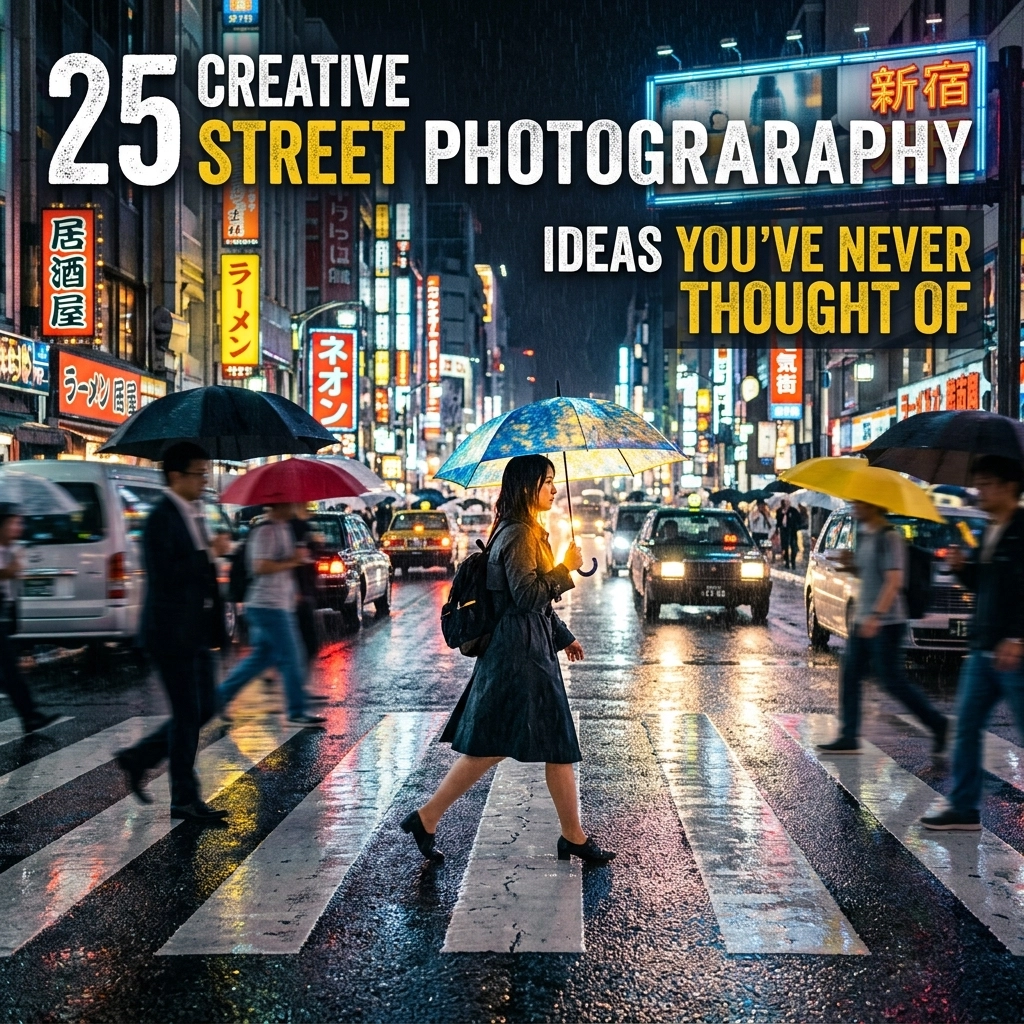
Don't stay inside when it rains. Rain turns the asphalt into a mirror and makes colors pop. The umbrellas also provide a great geometric element to your shots. Just make sure your gear is protected: or use a rugged camera like the one mentioned in our Panasonic Lumix S5 II vs. Sony A7 IV comparison.
18. Abstract Shadows
During the "Golden Hour," shadows become long and dramatic. Sometimes, the shadow is more interesting than the object casting it. Try photographing only the shadows of people walking by, or the patterns created by a fire escape against a wall. It’s a great exercise in seeing light as a physical object.
19. Shooting from the Hip
If you want truly candid shots, stop bringing the camera to your eye. Keep the camera at your waist, use a wide-angle lens, and click as you walk. It takes practice to get the framing right, but the results are incredibly natural because the subjects don't know they are being photographed. It’s the ultimate "stealth" move.
20. Motion Blur in Broad Daylight
Use a Neutral Density (ND) filter to allow for a long exposure during the day. Capture a person standing perfectly still while a crowd of people blurs past them. It creates a "ghostly" effect that symbolizes the fast-paced nature of city life. For more on capturing movement, read our guide on water photography and beauty in motion.
21. The "Ugly" Aesthetic
Not everything has to be pretty. Street photography is about reality. Capture the trash, the cracked windows, the rust, and the grit. There is a specific kind of beauty in the "unpolished" parts of a city. This is often where the most "human" stories live. You can even experiment with using rare textures for tangible aesthetic photography to emphasize these gritty details.
22. Double Exposures
Many modern cameras have a built-in double exposure mode. Overlay a texture of a brick wall with a portrait of a stranger, or combine a skyline with a close-up of a flower. If your camera doesn't do this, you can easily stack images in post-processing. Again, Luminar makes this incredibly simple with its layer masking tools.
23. Focus on Architecture as a Character
Treat the buildings like people. Give them a personality. Is the building imposing? Grumpy? Modern and sleek? Use the architecture to frame your human subjects, making the city itself a character in the narrative of your photo.
24. High-Contrast Black and White
Strip away the color and focus entirely on light and shadow. In street photography, B&W helps remove distractions. It makes the viewer focus on the shapes, the textures, and the emotions. Look for "Chiaroscuro" lighting: extreme contrasts between light and dark.

25. The Direct Street Portrait
Finally, the bravest idea of all: talk to people. If you see someone with an incredible look, ask them if you can take their photo. Most people are flattered. This isn't "candid" in the traditional sense, but the connection between the photographer and the subject creates a powerful image that you simply can't get by hiding in the shadows.
Putting It All Together
Street photography is as much a mental game as it is a technical one. It’s about being present and staying curious. When you find yourself getting bored, it’s usually because you’ve stopped looking for the "new" and started looking for the "easy."
Don't be afraid to fail. For every 100 shots you take using these ideas, you might only get one that you truly love: and that’s okay. That’s the nature of the street. If you want to dive deeper into improving your overall technique, check out Shut Your Aperture for more in-depth tutorials.
The most important thing is to keep moving. Whether you’re exploring hidden gem locations for travel photography or just walking down your own driveway, there is always a story waiting to be told. You just have to be the one to tell it.
For more inspiration on capturing the world around you, check out Edin Chavez’s personal work at blog.edinchavez.com or see his fine art collections at edinfineart.com. Now, grab your camera, get out there, and shut your aperture!