Before going further, make sure your aperture fundamentals are locked in: our aperture photography guide walks through it shot by shot.
Street photography is the ultimate test of a photographer's reflexes, patience, and eye for the mundane. It’s about finding the extraordinary in the ordinary. But let’s be real: sometimes you step out onto the pavement, camera in hand, and the city just feels… quiet. Or maybe it’s too loud, and you don’t know where to point your lens.
We’ve all been there. You’re walking the same three blocks, looking for that "decisive moment" Cartier-Bresson talked about, but all you’re seeing are gray sidewalks and people staring at their phones. That’s why I put together this list. Whether you’re a total beginner or a seasoned pro looking to shake off some creative rust, these 30 street photography ideas will give you a reason to hit the shutter.
Before you dive in, remember that mastering your gear is half the battle. If you’re still fumbling with settings while the perfect shot walks past you, check out our guide on how to master manual mode. It’ll save you a lot of heartbreak.
The Human Element: Capturing Life in Motion
People are the heartbeat of the city. But getting close to strangers can be intimidating. Here are a few ways to capture the human element without feeling like a creep.
1. Shoot the Backs
If you’re nervous about pointing a camera at someone’s face, start with their back. Look for interesting silhouettes, unique jackets, or someone carrying something strange. A person walking away from the camera can create a sense of mystery. Where are they going? What’s their story? It’s a great way to practice your framing without the pressure of a direct confrontation.
2. People Photographing People
In the age of Instagram and TikTok, the city is full of people taking photos. Capture the "meta" moment. Someone taking a selfie, a tourist struggling with a tripod, or a professional fashion shoot on a street corner. These moments are often candid and full of natural expressions.
3. Focus on the Hands
Sometimes a person's hands tell a better story than their face. Look for a street vendor’s weathered hands, someone nervously clutching a bag, or two people holding hands. Isolate the subject. This is a great time to use those portrait photography techniques we talk about, even if you aren't shooting a full headshot.
4. The "Anonymous" Street Portrait
Find someone with an incredible look, maybe a wild hat or a vintage suit, and ask for their photo. Most people are flattered. If you're shy, look for people who are "busier" than you, like street performers. They are used to the lens. If you want to take your portrait game to the next level, I always recommend checking out PhotoGuides.org for some deep dives into lighting and composition.
5. Pairs and Groups
Instead of looking for individuals, look for interactions. A couple arguing, friends laughing, or a parent chasing a toddler. These dynamics add layers to your images that a single subject often lacks.
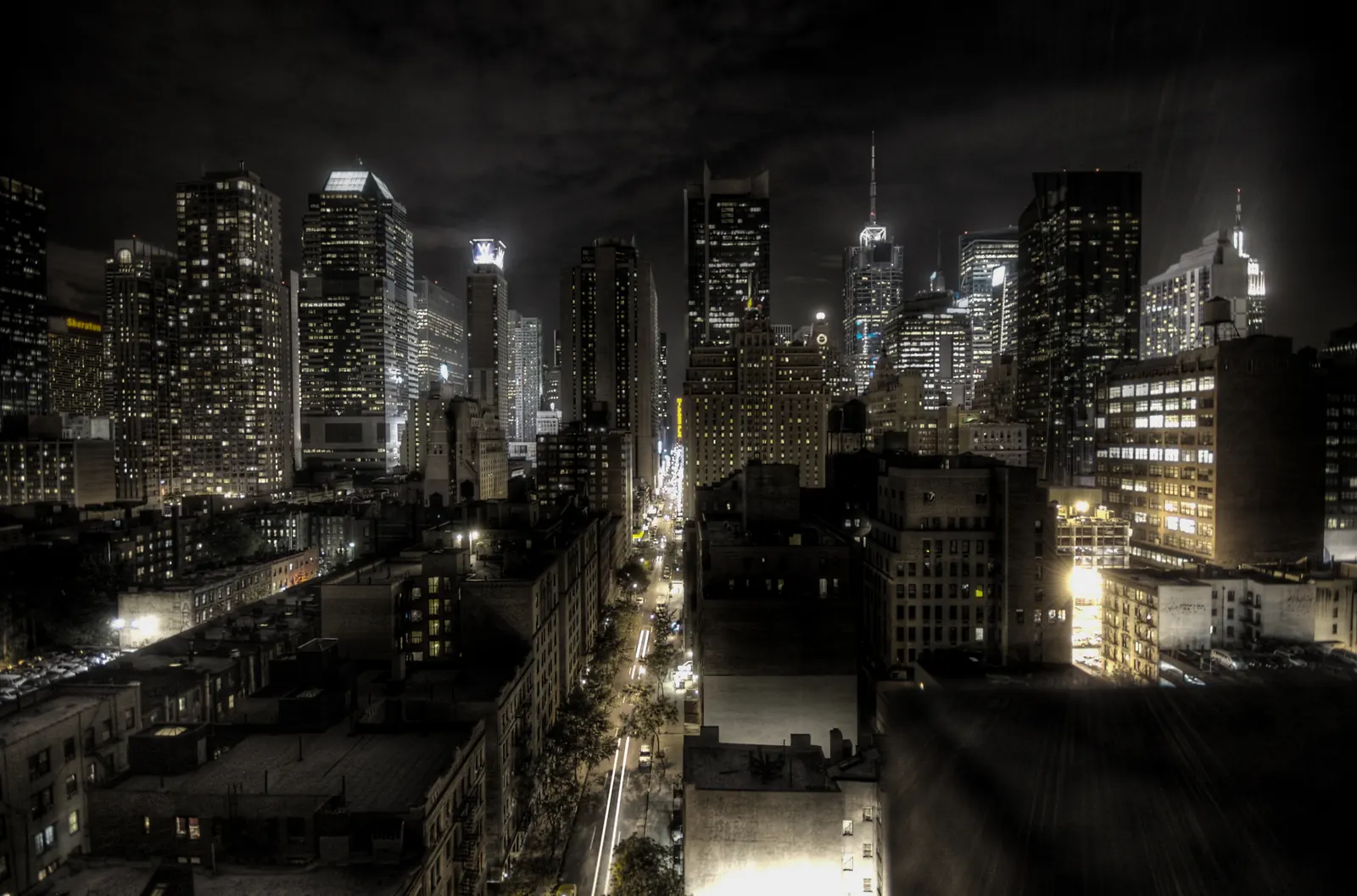
Playing with Light and Shadow
Light is everything. In an urban environment, the "golden hour" isn't the only time to shoot. The city creates its own light.
6. High-Contrast Silhouettes
Find a bright patch of light hitting a dark wall. Wait for someone to walk through it. Expose for the highlights, and let the shadows go completely black. This creates a graphic, minimalist look that’s classic street photography.
7. Neon Nightmares
Wait for the sun to go down and find the nearest neon sign. Neon light provides amazing color saturation and a cinematic vibe. If the light is too harsh, you can always clean it up later in post. I’ve been using Luminar lately to really make those colors pop without making them look fake.
8. Reflections in Puddles
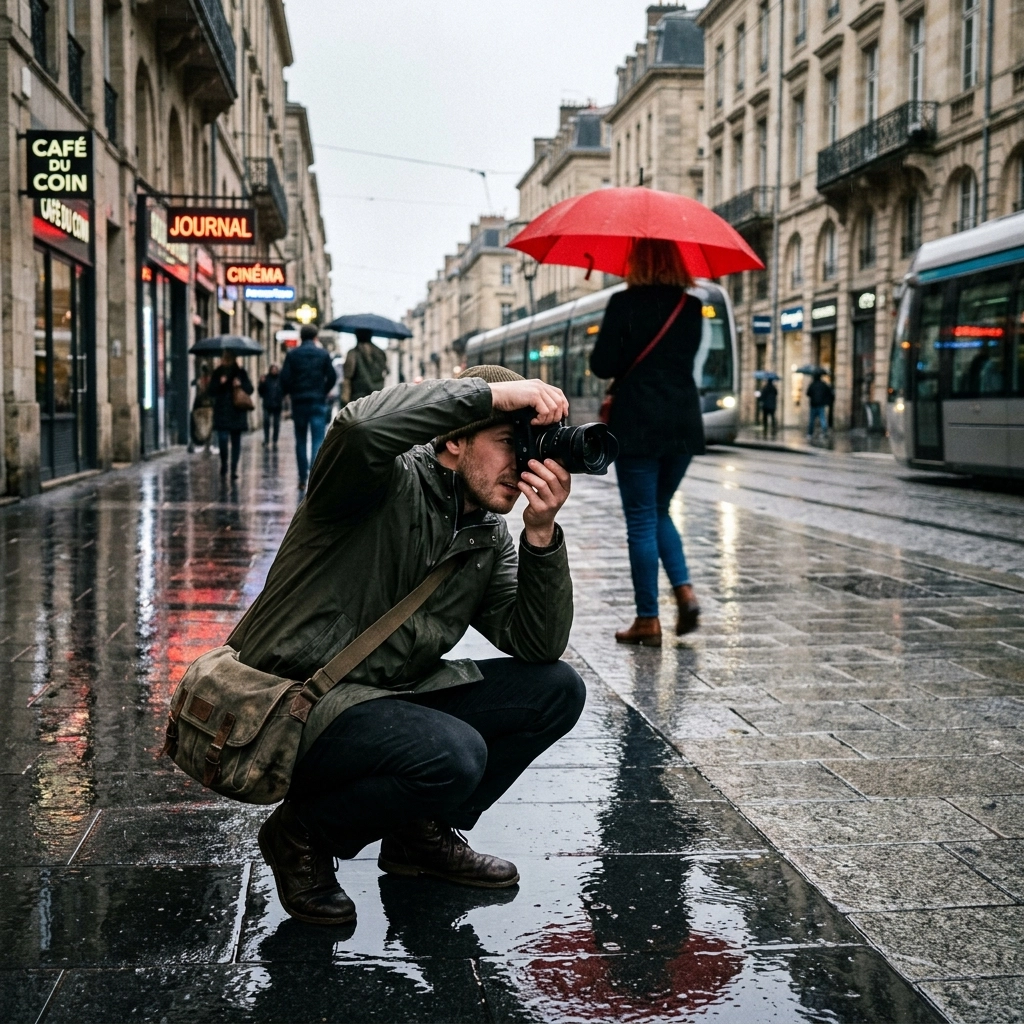
After a rainstorm, the city transforms. Use puddles as mirrors. Get your camera low, I mean, practically touching the water, and capture the upside-down world of the city. This is where a flip-out screen on a modern mirrorless camera becomes your best friend. If you’re thinking about upgrading, read our thoughts on choosing the best mirrorless cameras for 2026.
9. Shooting Through Glass
Windows are your friends. Whether it’s a cafe window with condensation or a shopfront reflecting the street behind you, shooting through glass adds texture and layers. It blurs the line between the interior and exterior worlds.
10. Long Exposures of Traffic
Grab a tripod (or a steady trash can) and slow down your shutter speed. Capture the light trails of buses and taxis. This adds a sense of "hustle and bustle" to your urban landscapes. If you're struggling with blurry shots that should be sharp, you might be making one of these common landscape photography mistakes.
Perspective and Composition
Stop shooting everything at eye level. It’s boring. The city is three-dimensional; use it.
11. Look Up
We spend so much time looking at the sidewalk that we miss the architecture. Point your lens straight up between skyscrapers. The "canyon" effect of buildings against the sky creates powerful leading lines.
12. Get High (Legally)
Find a parking garage, a rooftop bar, or a pedestrian bridge. Shooting from a high vantage point turns people and cars into miniature models. It allows you to see the patterns of the city that aren't visible from the ground.
13. Frame Within a Frame
Look for arches, doorways, or even gaps between parked cars. Use these to "frame" your subject. It draws the viewer's eye exactly where you want it to go.
14. Minimalism in the City
Find a blank wall with a single pipe or a lone window. Wait for one person to enter the frame. Simple, clean, and effective. Sometimes less really is more.
15. The Wide-Angle Context
While many street photographers love the 35mm or 50mm "nifty fifty," try going wider. Show the person in the environment. How small do they look compared to the giant billboards or the vast subway station? If you're new to this, our photography 101 guide covers why lens choice matters so much.
Texture, Color, and Urban Decay
The city isn't always pretty. Sometimes the beauty is in the rust and the peeling paint.
16. Color Blocking
Pick a color, let's say red. Spend the next hour only taking photos of things that are red. A red fire hydrant, a red umbrella, a red dress. This forces your brain to stop looking for "subjects" and start looking for "elements."
17. Street Art and Graffiti
Street art is a gift to photographers. But don’t just take a photo of the art, that’s someone else's work. Incorporate a person walking past the mural to add scale and a "moment" to the frame.
18. Urban Decay
Old factories, rusted fences, and abandoned storefronts have so much character. They tell the story of a city’s past. These shots look incredible in black and white, where the focus is on texture rather than color.
19. Patterns and Repetition
Look for stairs, rows of windows, or even a line of rental bikes. Repetition creates a sense of order in a chaotic city. Break the pattern by waiting for a person to walk through the shot.
20. Macro in the City
You don't need a forest to do macro photography. Focus on the textures of a concrete wall, the bolts on a bridge, or the way oil sits on a puddle. For more on this, check out Edin’s Fine Art to see how he turns simple textures into gallery-worthy prints.
Technical Challenges
Sometimes you need to gamify your photography to stay sharp.
21. The "One Spot" Challenge
Find a busy street corner and stay there for one hour. Do not move. Your goal is to find 10 different photos from that exact spot. It forces you to look closer and notice the things most people walk right past.
22. Panning for Gold
Set your shutter speed to something slow (like 1/30th or 1/15th) and track a moving subject, like a cyclist or a car, as they pass you. If you get the timing right, the subject will be sharp while the background is a beautiful, streaky blur. It takes practice, but the results are worth it. If you're hitting a wall, we have a whole course on these kinds of tricks over at Shut Your Aperture Academy.
23. The "No Viewfinder" Technique (Hip Shooting)
Hold your camera at waist level and shoot without looking through the viewfinder. It’s a classic street photography technique that helps you stay unnoticed. It’s hit or miss, but the "misses" often have a raw, energetic feel that perfectly framed shots lack.
24. Black and White Only
Set your camera to "Monochrome" mode. By removing color, you’re forced to focus on light, shadow, and composition. It’s the best way to train your "photographer's eye."
25. Intentional Camera Movement (ICM)
Twist, tilt, or zoom your camera while the shutter is open. This turns the city into an abstract painting. It’s not for everyone, but it’s a great way to break out of a creative rut.
Storytelling and Series
A single photo is great, but a series of photos does real work for the viewer.
26. The Diptych
Take two photos that are related and display them side-by-side. Maybe it’s a close-up of a person’s shoes and then a wide shot of the street they’re walking on. It adds a narrative layer to your work.
27. Document Your Neighborhood
Don’t feel like you have to travel to New York or Tokyo to take great street photos. Your own neighborhood has stories. Document the local characters, the changing seasons, and the small details that make it home. Sonny, our Social Media Manager, always says that local stories perform the best because they feel authentic.
28. The Commute
Capture the exhaustion and the routine of the morning commute. The crowded subway, the lonely bus stop, the frantic pace of the train station. These are universal experiences that resonate with everyone.
29. Shadows as the Subject
Sometimes the shadow is more interesting than the object casting it. Look for long, distorted shadows during the late afternoon. Make the shadow the "main character" of your frame.
30. Return to the Same Spot
Visit the same street corner in the rain, in the snow, at noon, and at midnight. See how the "mood" of the city shifts. This is a great project for building a cohesive portfolio. You can see how Edin does this with his urban series over on his personal blog.
A Note on Ethics and Gear
Street photography lives in a bit of a legal and ethical gray area. Generally, in most public places, you have the right to take photos. However, just because you can doesn't mean you should be a jerk. If someone asks you not to take their photo, or asks you to delete one, just do it. It’s not worth the fight.
As for gear, keep it simple. A small, fast prime lens is usually better than a giant zoom. You want to look like a guy with a camera, not a "Photographer" with a capital P. If you’re worried about people noticing you, maybe stay away from the big flashes and tripods during peak hours.
If you’re just starting out and feeling overwhelmed by all the tech, don’t sweat it. We’ve got a beginner's guide to mastering your first camera that breaks it all down into plain English.
Final Thoughts
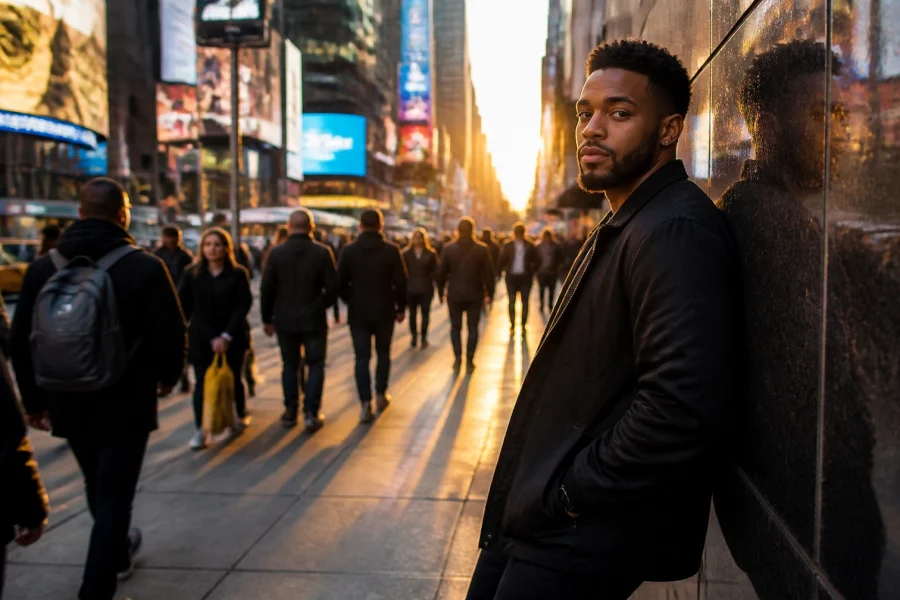
The best street photography idea is the one that gets you out of the house. Don't worry about being the next Henri Cartier-Bresson right out of the gate. Just go out, walk until your feet hurt, and keep your eyes open.
The city is constantly changing. Every second is a new opportunity for a shot that will never happen again. That’s the magic of street photography. It’s a hunt, a dance, and a history lesson all rolled into one.
So, grab your camera, make sure your batteries are charged, and head out. And hey, if you catch something amazing, tag us! We’re always coordinating with Sonny to feature the community's best work on our socials.
Now, quit reading and go shoot. The street is waiting.