

Landscape photography is much more involved than a hobby; it is a profound love affair with the Earth. It is an intrinsic desire to freeze a moment where the sun dances with the horizon or where the mountains stand in stoic silence against a gathering storm. When we venture out into the wild, we aren't just taking pictures: we are using light as our paintbrush and the environment as our canvas to capture the ethereal and the ephemeral.
However, even the most seasoned shutterbugs can fall into traps that turn a potentially breathtaking masterpiece into a digital disappointment. If you’ve ever come home from a grueling hike only to find your shots lack that certain "magic," don't worry. We’ve all been there. Today, we are going to dive deep into the most common pitfalls and provide you with some essential landscape photography tips to elevate your work from snapshots to fine art.
Whether you are shooting on a Nikon D850 or a modern mirrorless marvel, these principles remain the same. Let’s explore how to refine your craft and treat the natural world with the reverence it deserves.
1. The Blurry Burden: Missing the Mark on Focus
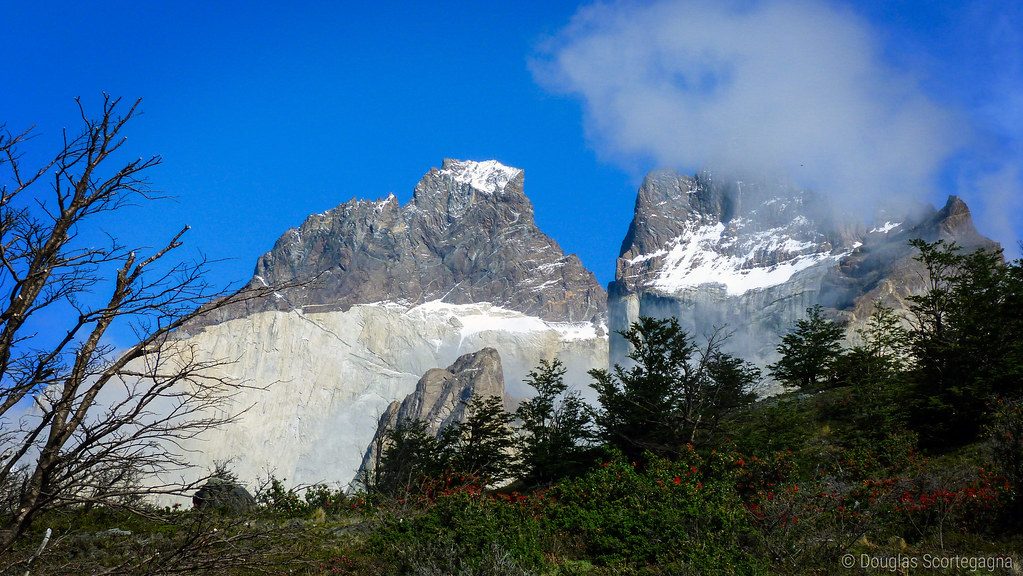
There is nothing more heartbreaking than capturing a perfect composition only to realize, upon returning to your studio, that the focus is soft. In the realm of landscape photography, sharpness is often the "unsung hero" that provides the texture and detail necessary for a truly immersive experience.
The Mistake: Many photographers rely solely on autofocus. While modern AF systems are incredible, they often struggle when the light is low: such as that "Blue Hour Brilliance" just before the sun peaks over the ridge. When your camera "hunts" for focus in the shadows, it might lock onto a distant tree when you really wanted the foreground rocks to be tack-sharp. Furthermore, using a very narrow aperture like f/22 to get everything in focus can actually lead to "diffraction," which softens the entire image.
The Fix: Switch to manual focus. This is a game-changer. Use your camera’s "Live View" and zoom in 10x on the most critical part of your scene. Adjust your focus ring until the details are crisp. If you are aiming for total sharpness from the blades of grass at your feet to the peaks in the distance, consider mastering nature photography through focus stacking. This involves taking multiple shots at different focus points and blending them later.
Venture forth and check your LCD screen after every shot! Zoom in to ensure that your "stoic" subjects are as sharp as they deserve to be. You can find more detailed techniques on focus over at www.photoguides.com.
 Save
Save
2. The Slanted Soul: The Curse of the Crooked Horizon
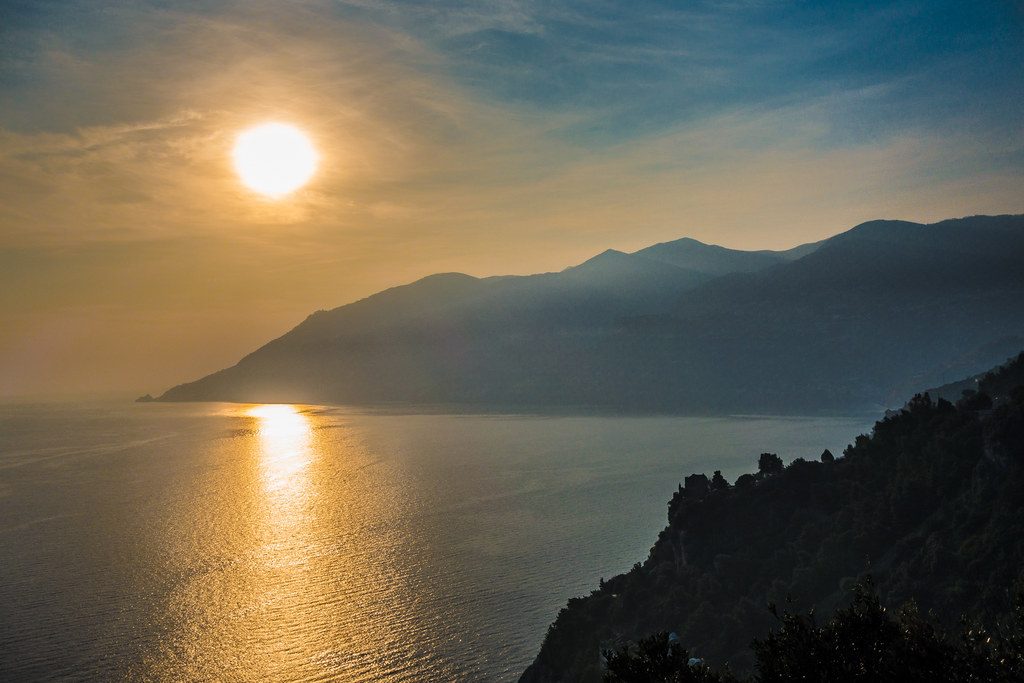
The horizon is the backbone of your image. It provides the viewer with a sense of place and stability. When that line is even slightly tilted, it creates a sense of "visual vertigo" that can ruin the most beautiful sunset.
The Mistake: It’s easy to get caught up in the excitement of a "Golden Hour Glory" moment and forget to level your tripod. A crooked horizon feels unnatural: it’s as if the ocean is about to drain right out of the side of your frame.
The Fix: Most modern cameras have a built-in electronic level. Use it! It is an intrinsic part of a professional workflow. If your camera doesn’t have one, use the grid lines in your viewfinder to align the horizon with a horizontal rule. If you still manage to miss it in the field, don't panic. You can easily fix this in post-processing using the crop tool, but remember that straightening a photo always requires a slight crop, which might cut out essential elements of your composition.
For those looking to sell their work on sites like www.edinfineart.com, a level horizon is non-negotiable. It demonstrates a professional reverence for the scene.
3. The Corner Chaos: Ignoring the Frame Edges
When we look through the viewfinder, our eyes are naturally drawn to the center: the dramatic peak, the crashing wave, or the solitary tree. But the true story of a photograph is often told at the edges.
The Mistake: We often ignore the "intruders" at the periphery. A stray branch poking in from the left, a bright white rock in the bottom right corner, or even a piece of trash left by a less-respectful traveler can pull the viewer’s eye away from your subject. These distractions break the "ethereal" spell of your image.
The Fix: Before you press the shutter, perform a "perimeter scan." Move your eye deliberately around all four corners and the four edges of the frame. If something doesn't belong, adjust your position. Sometimes, moving your tripod just six inches to the left can hide a distracting element behind a foreground bush.
Remember, the goal is to lead the viewer's eye into the scene, not out of it. If you're looking for inspiration on how to frame complex scenes, check out the incredible work on blog.edinchavez.com.
4. The Dynamic Dilemma: Blown Highlights and Crushed Shadows
Nature doesn't always play fair with light. The sky can be incredibly bright while the foreground remains draped in deep, "stoic" shadows. Cameras, unfortunately, do not have the same dynamic range as the human eye.
The Mistake: Relying on the camera's light meter to make the final decision. Often, this results in a "blown out" sky (pure white with no detail) or "crushed" shadows (pure black with no texture). These details are gone forever; you cannot recover what was never recorded.
The Fix: Use your histogram! The histogram is a graphical representation of the tones in your image. If the graph is touching the far right side, your highlights are blown. If it's touching the far left, your shadows are lost.
To combat this, I highly recommend learning about exposure bracketing. Take one shot for the shadows, one for the highlights, and one for the mid-tones. You can then blend these using an HDR tutorial to create a balanced, professional image. This is how the pros at www.proshoot.io ensure every bit of detail is preserved in high-contrast environments.
 Save
Save
5. The Neon Nightmare: The Trap of Over-Processing
We live in an age of incredible software. Tools like Luminar 4 allow us to do things we never dreamed possible. However, with great power comes the responsibility to remain grounded in reality.
The Mistake: Many "fellow enthusiasts" fall into the trap of cranking the saturation and clarity sliders to 100. This results in "radioactive" grass, neon-blue skies, and crunchy, over-sharpened textures that look more like a video game than a photograph. It strips away the "ephemeral" beauty of the natural world and replaces it with something artificial.
The Fix: Practice restraint. My personal rule is to find the level of saturation I think looks "good," and then dial it back by 10%. Use HSL (Hue, Saturation, Luminance) sliders to target specific colors rather than boosting the entire image. If you want to add some punch, focus on contrast and "Dehaze" rather than just piling on the color.
If you want to see examples of post-processing done right, look at the portfolios of Marek Kijevsky or Valerie Millett. Their work maintains a sense of wonder without losing its soul.
6. The Chromatic Confusion: Misunderstanding White Balance
Light has a temperature. The warm, golden glow of a sunrise is very different from the cool, blue tones of a rainy afternoon.
The Mistake: Leaving your camera on "Auto White Balance" (AWB). While AWB is getting better, it often tries to "neutralize" the very colors that make a landscape special. It might try to turn a vibrant, orange sunset into a dull, grey scene because it thinks the light is "too warm."
The Fix: Take control! For sunrises and sunsets, try the "Cloudy" or "Shade" presets to enhance the warm tones. Better yet, shoot in RAW format. RAW files give you the "intrinsic" power to change the white balance in post-processing without any loss in quality.
Setting a custom white balance in the field helps you visualize the final result on your screen, keeping you inspired while you wait for the "perfect moment." For more technical deep dives, check out our tutorials category.
7. The Contrast Crisis: Poor Cropping and Compositional Laziness
Finally, we come to the final brushstrokes of our digital canvas: composition and contrast.
The Mistake: Thinking that the work is done once you've clicked the shutter. Many photographers settle for the first composition they find or fail to use the crop tool to refine the story. Additionally, many images suffer from being too "flat" (not enough contrast) or too "harsh" (too much contrast).
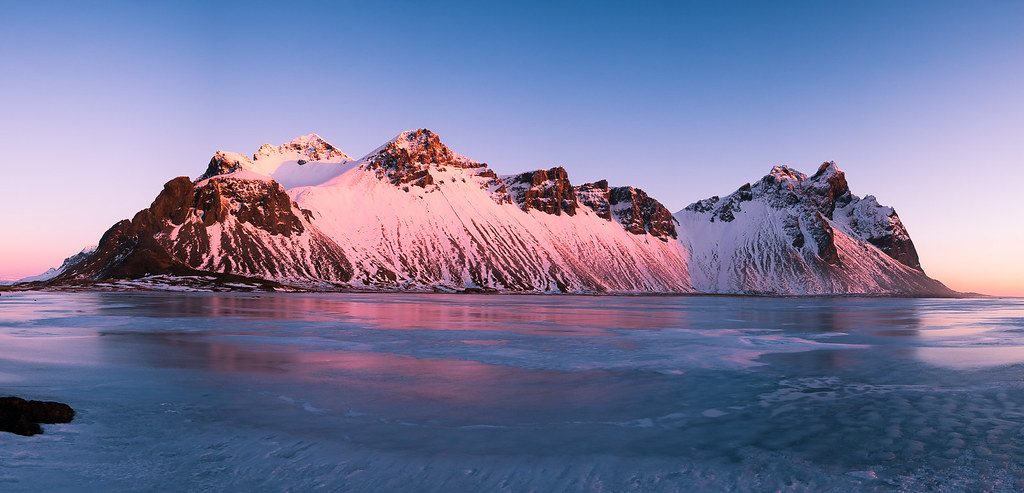
The Fix: Don't be afraid to experiment with different aspect ratios. Sometimes a beautiful mountain range looks better in a 16:9 panoramic crop than a standard 3:2. Regarding contrast, try using "S-curves" in your editing software to add depth without losing detail.
I have tried every compositional "rule" in the book, from the Rule of Thirds to the Golden Ratio, but nothing compares to simply spending time with your subject. Let the landscape speak to you. If the weather "whispers" a certain mood, lean into it with your edit. You can even find inspiration in abstract photography to see the world in a new way.
 Save
Save
The Spiritual Reward of the Craft
Now that we’ve delved into the technicalities, it’s time to get down to the "why." Landscape photography isn't just about the megapixels or the gear: though our unsung heroes certainly help. It is about the connection we feel when we are standing alone in a vast wilderness, waiting for the sun to "dance" with the earth.
Every mistake you make is simply a stepping stone toward a more profound understanding of your art. Each blurry photo or crooked horizon is a lesson that sharpens your eye and prepares you for the next great adventure. Seize these moments! Venture forth with your camera and a spirit of curiosity.
If you are looking for more ways to improve, consider our downloads section for presets and guides that can streamline your workflow. And if you've captured something you're particularly proud of, we'd love to see it! Check out our submissions page and share your vision with the world.
For more inspiration on professional photography and high-end production, visit www.edinstudios.com.
Summary of Landscape Photography Tips:
- Focus: Use Manual Focus and Live View zoom for "tack-sharp" results.
- Horizon: Always use an electronic level or grid lines.
- Edges: Scan the perimeter of your frame for "intruders."
- Exposure: Use the histogram and bracket your shots for high dynamic range.
- Processing: Keep it natural; less is often more.
- White Balance: Shoot in RAW and use presets to capture the "true" mood.
- Composition: Don't be afraid to crop and refine your "visual story."
Dear hobbyists and fellow enthusiasts, the world is waiting for your unique perspective. Don't let these common mistakes hold you back. The next time you find yourself under a vast, "ethereal" sky, remember these tips and let your creativity soar.
Drop me a line below if you have any questions or want to share your own landscape photography tips! Keep shooting, keep exploring, and most importantly: shut your aperture and open your mind.
Luminar Neo’s Sky AI, atmosphere AI and SuperSharp are designed for landscape work — replace flat skies, add depth, and recover detail in seconds. Tagged as affiliate per FTC.