shutyouraperture-20). Buying through these links costs you nothing extra and helps fund our free guides.
It is 2026, and if you haven’t made the jump to mirrorless yet, you’re basically trying to win a Formula 1 race in a horse and buggy. Don’t get me wrong, DSLRs had a legendary run, but the tech inside modern mirrorless bodies has reached a level of "science fiction" that we only dreamed about a few years ago.
Choosing the best mirrorless cameras for your kit isn't just about megapixels anymore. It’s about AI-driven autofocus, incredible dynamic range, and video capabilities that make Hollywood directors sweat. Whether you are looking for photography for beginners or you're a seasoned pro looking to upgrade your landscape photography tips, picking the right body is the foundation of everything you do.
In this guide, we’re going to break down the heavy hitters of 2026, compare the top brands, and help you decide which piece of glass-topped tech belongs in your bag.
Why Mirrorless is the Only Way Forward in 2026
The debate is over. Mirrorless won. By removing the mirror box found in traditional DSLRs, manufacturers have been able to make cameras smaller, faster, and much smarter. The biggest shift we've seen lately is the integration of specialized AI chips. These cameras don't just "see" subjects; they recognize them. Whether it’s a bird’s eye, a racing car, or a bride through a veil, the hit rate for sharp photos has gone through the roof.
If you are following the latest photography news, you know that firmware updates are now just as important as the hardware itself. Companies are constantly pushing out updates that make your "old" 2024 camera feel brand new in 2026.
The Best Mirrorless Cameras for Landscapes
Landscape photographers are a picky bunch. We want every single leaf and distant mountain peak to be tack-sharp. For this, resolution is king.
The Sony A7R V remains a powerhouse in 2026, offering a massive 61MP sensor that captures ridiculous amounts of detail. However, the Nikon Z8 and Nikon Z9 have taken a huge chunk of the market because of their incredible weather sealing and "indestructible" build quality. When you're out in the elements, you don't want to worry about a little rain or dust.
Quick Landscape Photography Tips:
- Use a Tripod: Even with 8-stop in-body image stabilization (IBIS), a tripod is still your best friend for long exposures.
- Focus Stacking: Use your camera's built-in intervalometer to take multiple shots at different focus points.
- Post-Processing: Use Luminar to enhance the sky and bring out the natural textures of the earth.
If you want to see what world-class landscapes look like when the gear and the vision come together, check out the fine art work over at Edin Fine Art. You can also learn some lessons in landscape photography from Peter Lik to see how the pros handle composition.
 Save
Save
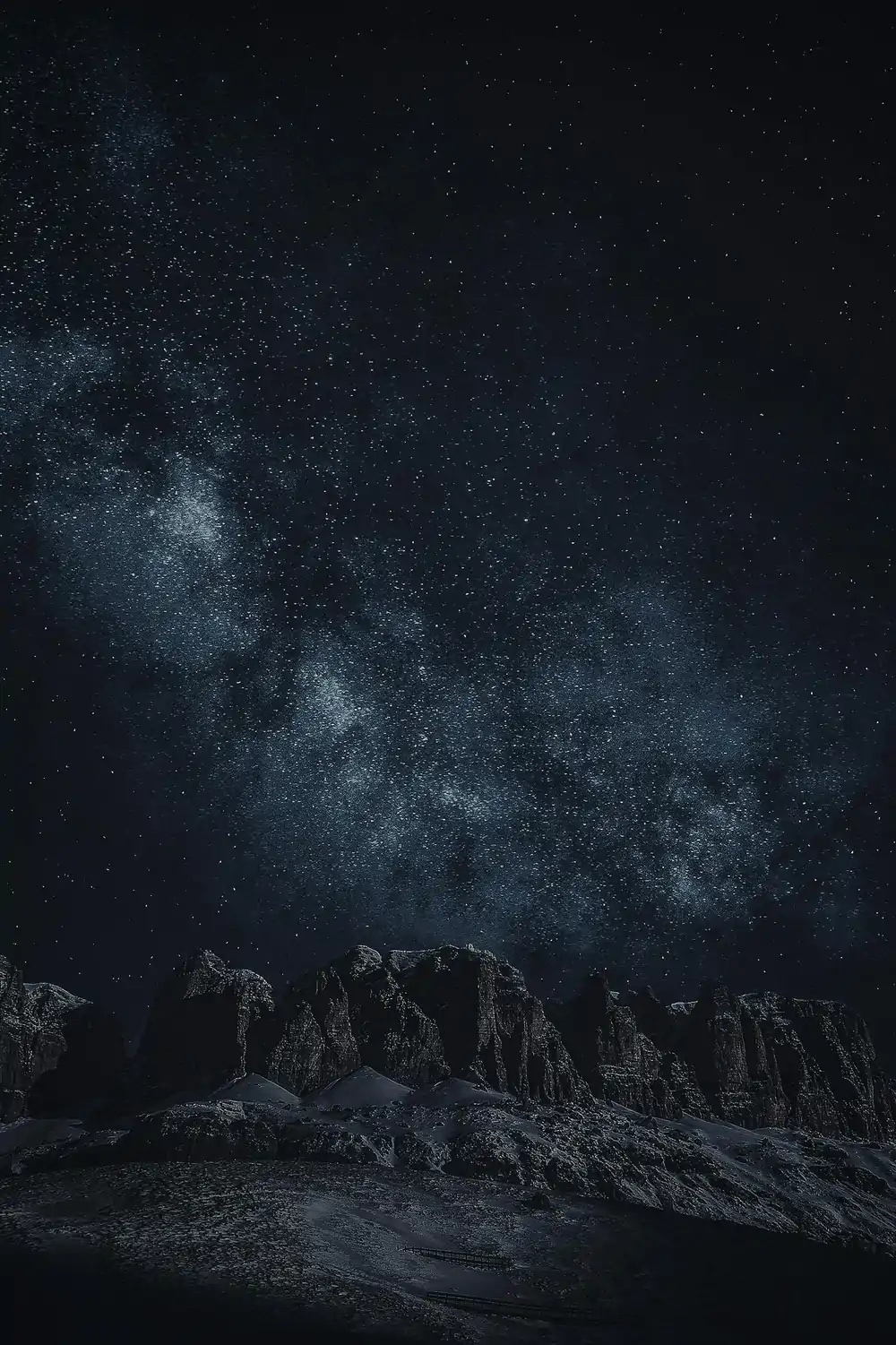
SEO Alt Text: A high-end mirrorless camera on a tripod overlooking a dramatic mountain sunrise, capturing the essence of landscape photography.
Mastering the Portrait: Autofocus is Your Best Friend
For years, portrait photographers lived and died by the "focus and recompose" method. In 2026, that feels like using a rotary phone. Modern portrait photography techniques rely heavily on Eye-Autofocus.
The Canon EOS R5 Mark II and the Sony A7 IV are the current champions here. Canon’s Dual Pixel CMOS AF II is almost telepathic. It locks onto the eye and stays there, even if the model is moving or if there’s hair blowing across their face.
When you aren't fighting your gear to get the focus right, you can spend more time connecting with your subject. This is where the real magic happens. If you're looking to level up your studio game, Edin Studios is a great place to see how professional lighting and gear come together.
Street Photography: Stay Small and Fast
Street photography is all about being a fly on the wall. If you show up with a giant camera and a 70-200mm lens, people are going to notice you. For street photography ideas, you need something discreet.
The Nikon Zf has become a cult favorite in 2026. It looks like a vintage film camera from the 80s, but inside it’s a modern beast. The tactile dials make it fun to use, and the compact size means people don't find it intimidating.
Another top pick is the Sony A7C II. It’s basically a full-frame pro camera squeezed into a body that fits in a large jacket pocket. This allows you to capture candid moments without drawing a crowd.
Save
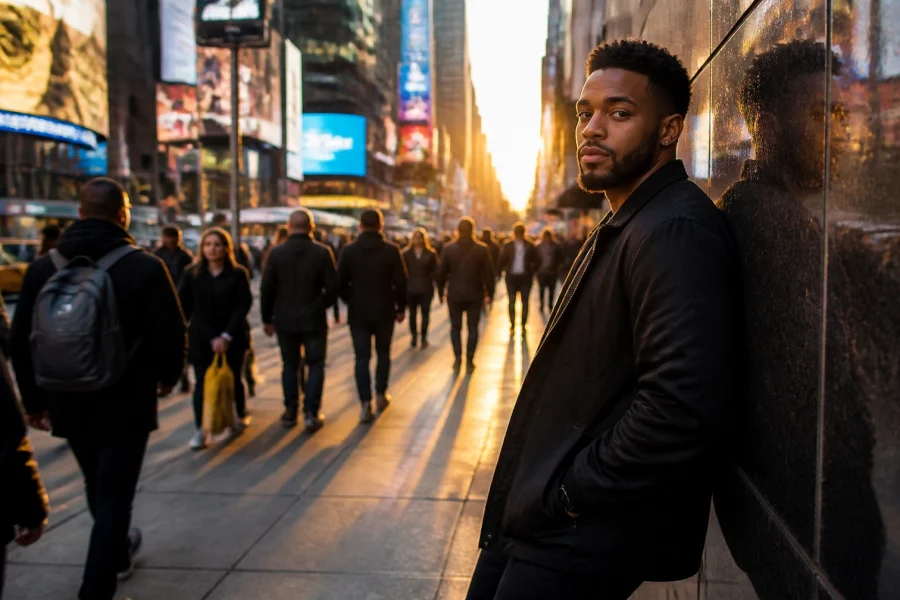
SEO Alt Text: A street photographer using a compact mirrorless camera to capture a candid moment in a busy neon-lit city street.
Photography for Beginners: Where to Start in 2026
If you’re just starting out, don’t feel like you need to drop $5,000 on a flagship body. The "mid-range" of 2026 is better than the "pro" range of five years ago.
For photography for beginners, we highly recommend the Canon EOS R10 or the Sony a6400. These use APS-C sensors, which are slightly smaller than full-frame sensors, making the cameras and lenses much more affordable and lighter.
The most important thing for a beginner isn't the gear: it's learning how to use manual mode camera settings. Once you understand the relationship between ISO, Shutter Speed, and Aperture, you can take a great photo with any camera. We’ve put together a guide on how to use manual mode without getting overwhelmed that is perfect for anyone just starting their journey.
The Big Comparison: 2026 Flagships
| Feature | Sony A1 II | Canon EOS R1 | Nikon Z9 |
|---|---|---|---|
| Megapixels | 50.1 MP | 24 MP | 45.7 MP |
| Max Burst Rate | 30 FPS | 40 FPS | 20 FPS (Raw) / 120 FPS (JPEG) |
| Video | 8K 60p | 6K 60p | 8K 60p |
| Best For | All-around Professional | Sports & Photojournalism | Landscape & Wildlife |
As you can see, each brand has a "flavor." Sony is the king of technology and lens options. Canon has the best ergonomics and color science. Nikon has the best ruggedness and "bang for your buck" in the high-end market.
If you're ever in doubt about which one to pick, head over to Shut Your Aperture for in-depth camera gear reviews.
Save
SEO Alt Text: Close up of the top dials and electronic viewfinder of a modern mirrorless camera, showing the complexity of the 2026 technology.
Photo Editing: The Second Half of the Story
Buying the camera is only half the battle. In 2026, the "SOOC" (Straight Out Of Camera) look is rarely the finished product. To truly make your images pop, you need to dive into photo editing tutorials.
Software like Luminar has changed the game by using AI to automate the boring stuff. Instead of spending hours masking a sky, you can do it in one click and spend your time on the creative aspects of the edit. This is especially useful for real estate photographers who need to make listings look ethereal and inviting.
I’ve been working closely with Sonny, our Social Media Manager, to make sure our photography tutorials are easy to follow on both the blog and our social channels. If you see a cool trick on Instagram, check back here for the long-form breakdown.
Lenses: Where the Real Money Should Go
Here is a pro tip: a $1,000 camera with a $2,000 lens will almost always take better photos than a $2,000 camera with a $500 lens.
When building your 2026 kit, prioritize the "Trinity" of zoom lenses:
- 16-35mm f/2.8: For wide landscapes and architecture.
- 24-70mm f/2.8: Your everyday workhorse.
- 70-200mm f/2.8: For portraits and compression.
If you are more into the fine art side of things, check out ProShoot.io for recommendations on prime lenses that offer that creamy bokeh everyone loves.
Save
SEO Alt Text: A collection of high-quality mirrorless lenses arranged on a wooden table, representing a complete professional photography kit.
Real-World Performance: Beyond the Spec Sheet
It’s easy to get caught up in the numbers, but how do these cameras feel in the hand? When I’m out shooting for Edin Chavez’s blog, I care about battery life and the EVF (Electronic Viewfinder).
In 2026, blackout-free viewfinders are standard on high-end models. This means when you take a photo, the screen doesn't go dark. This is huge for sports and wildlife because you never lose sight of your subject.
Also, don't ignore the importance of "Photography News Explained." Things move fast. One day a camera is the king of the hill, and the next day a new firmware update makes its competitor even better. Keeping an eye on today's photography news is essential to ensure you aren't buying a "dead" system.
Making Your Choice
So, how do you choose?
- Identify your primary genre: Landscapes? Portraits? Street?
- Set a realistic budget: Remember to leave room for lenses and Luminar.
- Think about the future: Are you planning to go pro? If so, buy into a system with a strong lens ecosystem like Sony E-mount or Canon RF-mount.
- Don't overcomplicate it: At the end of the day, a camera is just a tool. The person behind the shutter is what makes the art.
Whether you're looking for creative street photography ideas or you want to learn how to use manual mode camera, the best camera is the one that stays in your hand and out of the bag.
Save
SEO Alt Text: A beginner photographer smiling while holding their first mirrorless camera, ready to start their photography journey.
The world of mirrorless cameras in 2026 is exciting, slightly overwhelming, but ultimately more accessible than ever. Take your time, do your research, and then get out there and start shooting. The light won't wait for you!
Quick Amazon shortcuts for the camera categories covered in this guide. Use them if Prime shipping or your existing Amazon credit makes more sense than B&H. As an Amazon Associate ShutYourAperture earns from qualifying purchases.