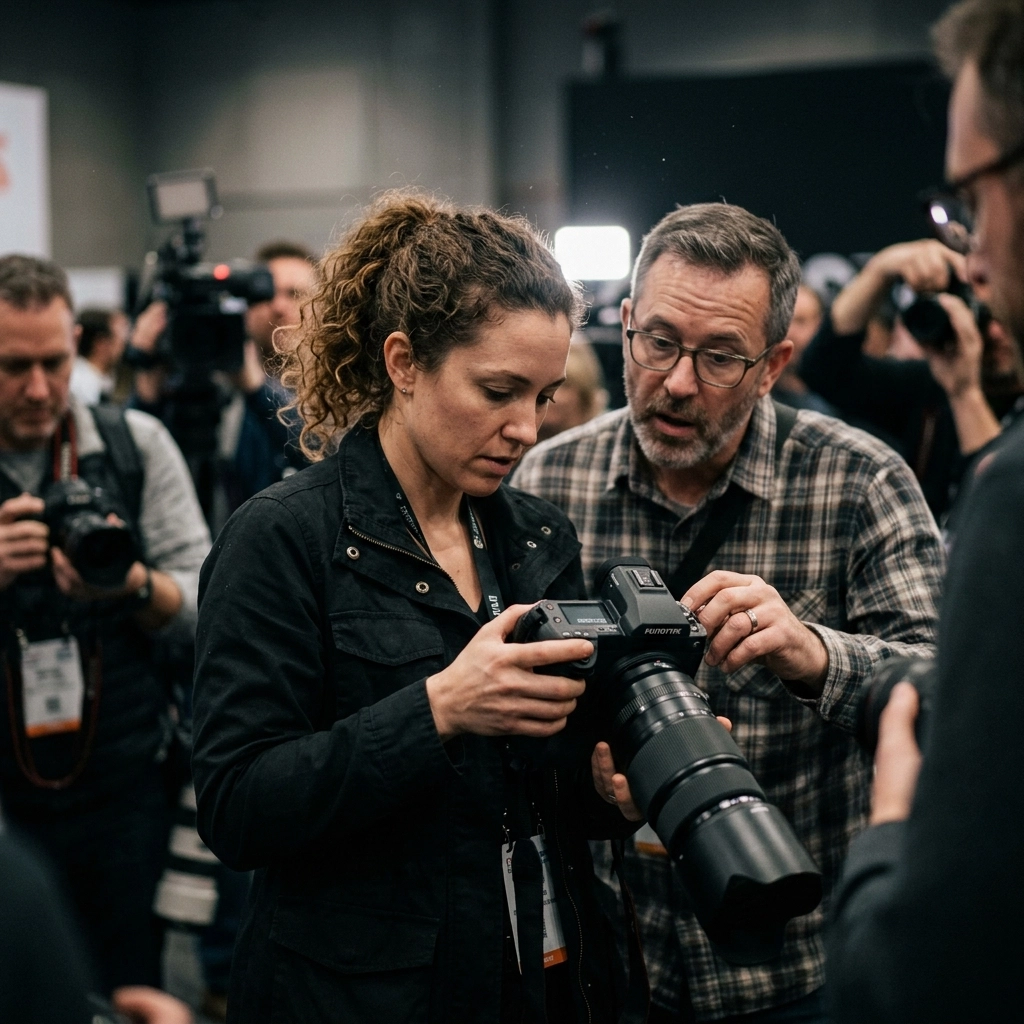
It is May 2026, and the photography world is currently in a state of absolute chaos: the good kind. If you’ve been following the latest photography news, you’ve probably seen the headlines about 1tb-per-second transfer speeds, sensors that can see in total darkness, and AI that practically takes the photo for you. But here is the thing: the people selling you this gear are rarely the ones telling you the whole truth.
I’ve spent the last few months digging into the "secrets" of the industry. I’m talking about the stuff that manufacturers whisper about in boardrooms but don’t put on the spec sheets. We are living in a new era of digital art, and if you want to stay ahead, you need to know which parts of the hype are real and which parts are just clever marketing designed to part you from your hard-earned cash.
The AI Mirrorless Revolution: It’s Not Just Autofocus Anymore
For the last couple of years, everyone has been obsessed with AI autofocus. We thought "Eye-AF" for birds and cars was the peak. We were wrong. In 2026, the best mirrorless cameras aren't just tracking subjects; they are predicting them.
The secret experts won't tell you? The hardware inside these cameras hasn't actually improved as much as the software has. We’ve reached a plateau in sensor manufacturing. To keep you buying new bodies, companies are leaning entirely into "Computational Photography." This is why everyone is talking about AI-powered mirrorless tech and you should too.
Your camera is now essentially a supercomputer with a lens attached. It’s analyzing the scene, recognizing lighting patterns, and even suggesting compositions in real-time. But here is the kicker: you don’t always need a $6,000 body to get these features. A lot of the "new" tech is being back-ported via firmware updates to older models, but brands aren't advertising that because they want you to upgrade.

SEO Alt Text: A high-tech mirrorless camera showing a digital interface with AI subject recognition squares over a busy street scene, 2026 photography technology.
Photography for Beginners: Don’t Buy the 2026 Hype Yet
If you are just starting out, the sheer volume of camera gear reviews hitting the internet right now is enough to make your head spin. You’ll hear that you "need" a global shutter or "stacked" CMOS sensors to take a decent photo of your cat.
You don’t.
In fact, the best piece of advice for photography for beginners in 2026 is to look backward. The "secrets" the industry hides are found in the used market. A professional camera from 2023 or 2024 is still a beast today. If you are learning, check out our photography 101: a beginners guide to mastering your first camera.
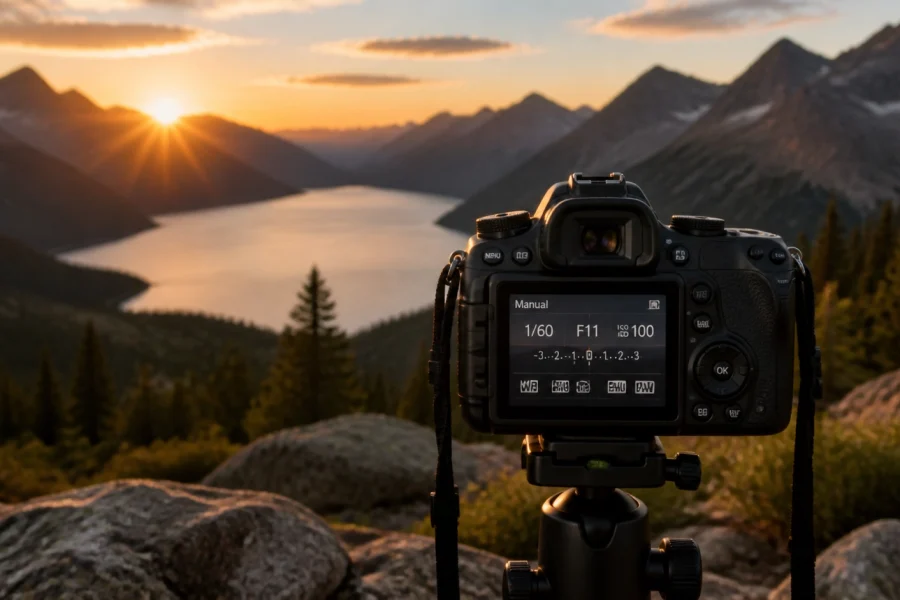
The real secret? Mastering how to use manual mode camera settings will always be more valuable than a camera that tries to do it for you. When you understand the exposure triangle: ISO, Shutter Speed, and Aperture: you have the keys to the kingdom. No AI can replicate the specific creative intent of a human who knows how to manipulate light. If you want to dive deeper into the basics, PhotoGuides.org has some incredible resources that cut through the fluff.
The Truth About Lenses: Why They Are Hiding the "Character"
In 2026, we’ve reached "perfect" sharpness. Manufacturers are now making lenses so sharp they actually look clinical and boring. The secret experts are keeping is that many pro photographers are actually moving back to older glass or "character" lenses.
When you read camera gear reviews today, they focus on MTF charts and corner-to-corner sharpness. But in the real world, a bit of lens flare or a softer fall-off in the bokeh (the blurry background) is what makes a photo feel "real."
If you’re looking for portrait photography techniques that stand out, stop worrying about having the sharpest lens on the planet. Instead, look for lenses that have a soul. Sometimes the best lens for a portrait is an old manual focus 50mm f/1.4 that you found for $100. It creates a vibe that 2026 "perfect" glass simply can’t touch.
Street Photography Ideas: Staying Low-Key in a High-Tech World
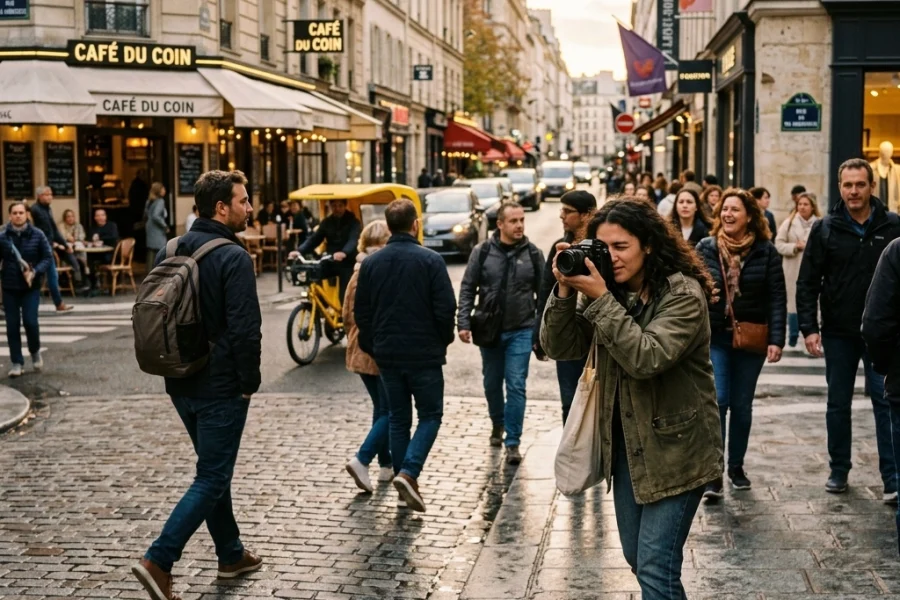
Street photography has changed. In 2026, cameras are everywhere, and privacy is a bigger deal than ever. The "expert" advice is usually to buy a tiny, expensive fixed-lens camera like the latest Fuji or Ricoh.
The secret? Your smartphone is likely the best street photography tool you own. The latest sensors in the 2026 flagship phones have caught up to the 1-inch sensor cameras of yesterday. If you combine that with a solid app, you can blend in like never before.
However, if you’re a purist, you’ll want to look into Nikon Z8 settings for street photography to see how to make a larger pro-body work in a candid environment. The trick is speed and invisibility. The new "silent shutters" are truly silent now: no mechanical parts moving at all. That is a game-changer for capturing raw, unfiltered moments without being noticed.

SEO Alt Text: A street photographer holding a compact camera in a rainy city at night, neon lights reflecting in puddles, cinematic street photography style.
Landscape Photography Tips: The Drone Secret
Landscape photography used to mean hiking for 10 miles with a 50-pound tripod. In 2026, the secret is that the "landscape" has moved to the sky.
If you want the best landscape photography tips, you have to talk about drones. The new regulations in 2026 have actually made it easier for hobbyists to fly in more places, provided their tech is "compliant." Modern drones now have Hasselblad-level sensors that fit in your pocket.
But here’s the "pro" secret: don’t just fly high. The best landscape shots are often taken just 10-15 feet off the ground, giving you an angle you could never get with a tripod, but without looking like a "satellite view" map. For more inspiration on high-end landscape work, you should definitely check out the galleries at Edin Fine Art. Seeing how a pro handles light in nature will change how you look through your viewfinder.
The Megapixel Myth: Why You’re Being Lied To
"Our new camera has 150 megapixels!"
Cool. Do you have a computer from NASA to edit those files?
One of the biggest secrets in the photography news cycle is that high megapixels are actually a disadvantage for 90% of photographers. They take up massive amounts of storage, slow down your workflow, and often result in more "noise" in low-light situations because the individual pixels on the sensor have to be smaller.
Unless you are printing billboards for a living, 24 to 45 megapixels is the "Goldilocks" zone. Anything more is usually just a way for companies to force you into buying more expensive memory cards and faster computers.
Photo Editing Tutorials: The Power of AI Post-Processing
This is where the real magic happens in 2026. If your gear is "just okay," your editing can make it "spectacular."
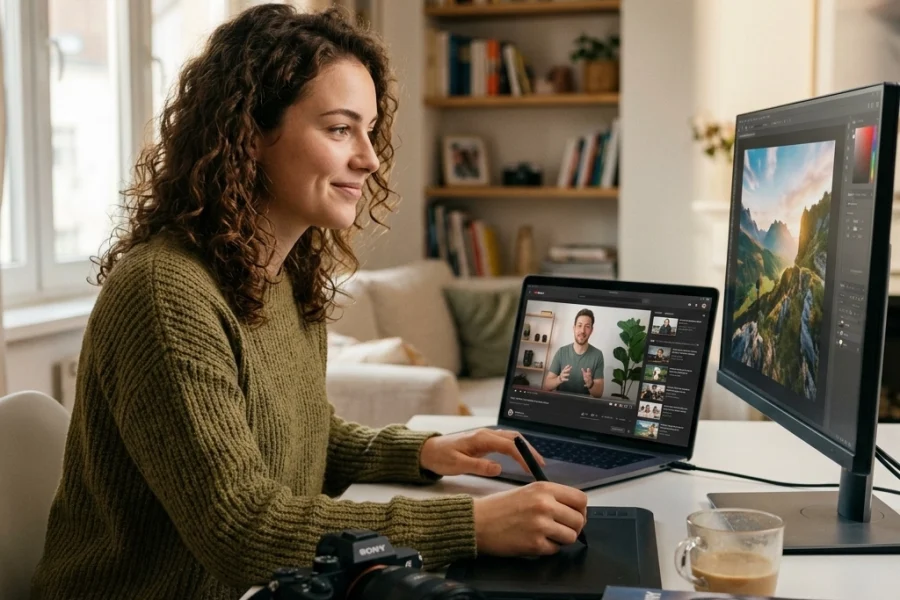
We’ve moved past the days of spending five hours clicking "undo" in Photoshop. Modern photo editing tutorials now focus on tools like Luminar, which uses AI to handle the tedious stuff. Want to swap a boring gray sky for a sunset? One click. Need to relight a portrait because you didn't have a flash? Done.
The secret experts don't want you to know is that many of the "impossible" shots you see on Instagram weren't "caught in camera." They were built in post-processing. And that’s okay! Photography is art, not just a document of reality. If you want to master these modern workflows, I highly recommend checking out photography tutorials where we break down exactly how to use these tools without making your photos look "fake."

SEO Alt Text: A photographer's desk with a large monitor showing an AI-based photo editing software interface, transforming a landscape photo.
Portrait Photography Techniques: Beyond the "Blurry Background"
In 2026, everyone can get a blurry background. Even a cheap phone can do "Portrait Mode." So, how do you stand out?
The secret is lighting.
Experts will tell you that you need a $2,000 strobe setup. The truth? Some of the best portraits are being shot with constant LED lights that you can control from your phone. The secret to professional portraits in the 2026 era is "Mix-Lighting." This is where you use the natural light of the room and "paint" in extra light using handheld LED bars.
If you are looking for professional corporate headshot tips, remember that the gear is secondary to the connection with the subject. A camera that can track an eye at 30 frames per second doesn't matter if your subject looks uncomfortable.
Video is No Longer Optional
If you consider yourself a "stills only" photographer in 2026, you are essentially a silent movie director in the age of "talkies."
The biggest photography news isn't about cameras: it's about "Hybrid Content." Clients now expect a few video clips alongside their photo galleries. The secret here is that your mirrorless camera is likely a better video camera than most dedicated cinema rigs from five years ago.
You don't need to learn complicated color grading or buy a gimbal. Modern internal stabilization is so good that you can shoot handheld and it looks like it’s on rails. If you want to stay relevant, start playing with the video button. It’s not a secret anymore; it’s a requirement.
The Secret "Vintage" Tech: Why 2024 Gear is the Sweet Spot
If you are on a budget, here is the biggest secret of all: The "Golden Age" of gear happened around 2024.
The cameras released that year: like the ones mentioned in our ultimate guide to photography tutorials and news: hit a point of diminishing returns. The autofocus became "perfect enough," the dynamic range became "wide enough," and the battery life became "long enough."
In 2026, those 2024 models are hitting the used market at 40% of their original price. If you want the "expert" results without the "expert" price tag, go buy a used flagship from two years ago. It will do 99% of what the 2026 models do for a fraction of the cost.

SEO Alt Text: A close-up of a vintage-looking 2024 mirrorless camera body sitting on a wooden table next to a cup of coffee, symbolizing the value of older gear.
How to Stay Informed (Without Getting Scammed)
The world of photography news is designed to keep you in a state of "FOMO" (Fear Of Missing Out). Every week there is a "revolutionary" new accessory or a "must-have" sensor technology.
To stay grounded, you need to follow voices that don't just parrot press releases. I always keep an eye on Edin Chavez’s blog because he’s out there actually shooting, not just reading spec sheets in a studio.
The real secret to being a great photographer in 2026 isn't about knowing the gear; it's about knowing your vision. Gear is just a tool. A hammer doesn't build a house, and a camera doesn't take a photo. You do.
Summary of the "Secrets"
To wrap this up, let’s look at the facts that the marketing departments would rather you ignore:
- AI is a Tool, Not a Replacement: It makes life easier, but it doesn't replace the need to understand how to use manual mode camera settings.
- Megapixels are Overrated: Most of the time, they are just a burden on your hard drive.
- Lenses Matter More Than Bodies: A great lens on an old body will always beat a bad lens on a new body.
- Software is the New Hardware: Tools like Luminar can fix almost any gear-related limitation.
- The "Old" Gear is Great: 2024 tech is the best value for money right now.
If you are looking for more landscape photography tips or want to see how the industry is shifting, keep exploring. The more you know, the less you have to spend on gear you don't actually need.

SEO Alt Text: An over-the-shoulder shot of a photographer looking at a stunning sunset through their camera's electronic viewfinder, highlighting the connection between artist and scene.
Final Thoughts for 2026
The "secrets" of 2026 gear aren't hidden in a vault; they are hidden in plain sight. The industry wants you to think that the gear makes the photographer. We know better.
Whether you are into street photography ideas or deep-diving into portrait photography techniques, the best camera is the one you know how to use. Don't let the 2026 hype cycle discourage you. Grab whatever camera you have, master the basics, and go create something that only you can see.
For the latest updates and to keep your skills sharp, make sure to visit our full collection of photography tutorials. The gear will always change, but the art of seeing is forever.