

It’s Friday evening, March 20, 2026. If you’re like most of us at Shut Your Aperture, you’ve spent the last few hours dodging social media spoilers for the latest "revolutionary" camera sensor leak while trying to finish up your final edits for the week. The photography world moves fast, but in 2026, it feels like it’s moving at the speed of light: or at least at the speed of a high-end fiber optic connection.
The big question we’re tackling tonight: Does gear hype actually matter anymore? Or have we finally reached "peak camera"?
We’ve seen the cycles. Every six months, a new flagship drops. It promises better autofocus, higher dynamic range, and more megapixels than your computer can realistically handle. But as we look at the industry landscape today, the buzz is changing. The hype isn't just about the specs; it’s about how these tools fit into our lives and our businesses.
The Shortening Hype Cycle of 2026
If you’ve been keeping an eye on market trends, you’ve probably noticed that the excitement around new releases is hitting a fever pitch faster than ever, but it’s also burning out just as quickly. In the past, a new camera could hold the "king of the hill" title for a year or two. Now? You’re lucky if people are still talking about your $6,000 body three months after launch.
Research into consumer behavior shows that hype cycles are contracting. This isn't just happening in photography; we see it in everything from high-end running shoes to smartphones. Consumers are becoming more selective. They aren't just looking for the next shiny object; they’re looking for brand differentiation and a clear value proposition.
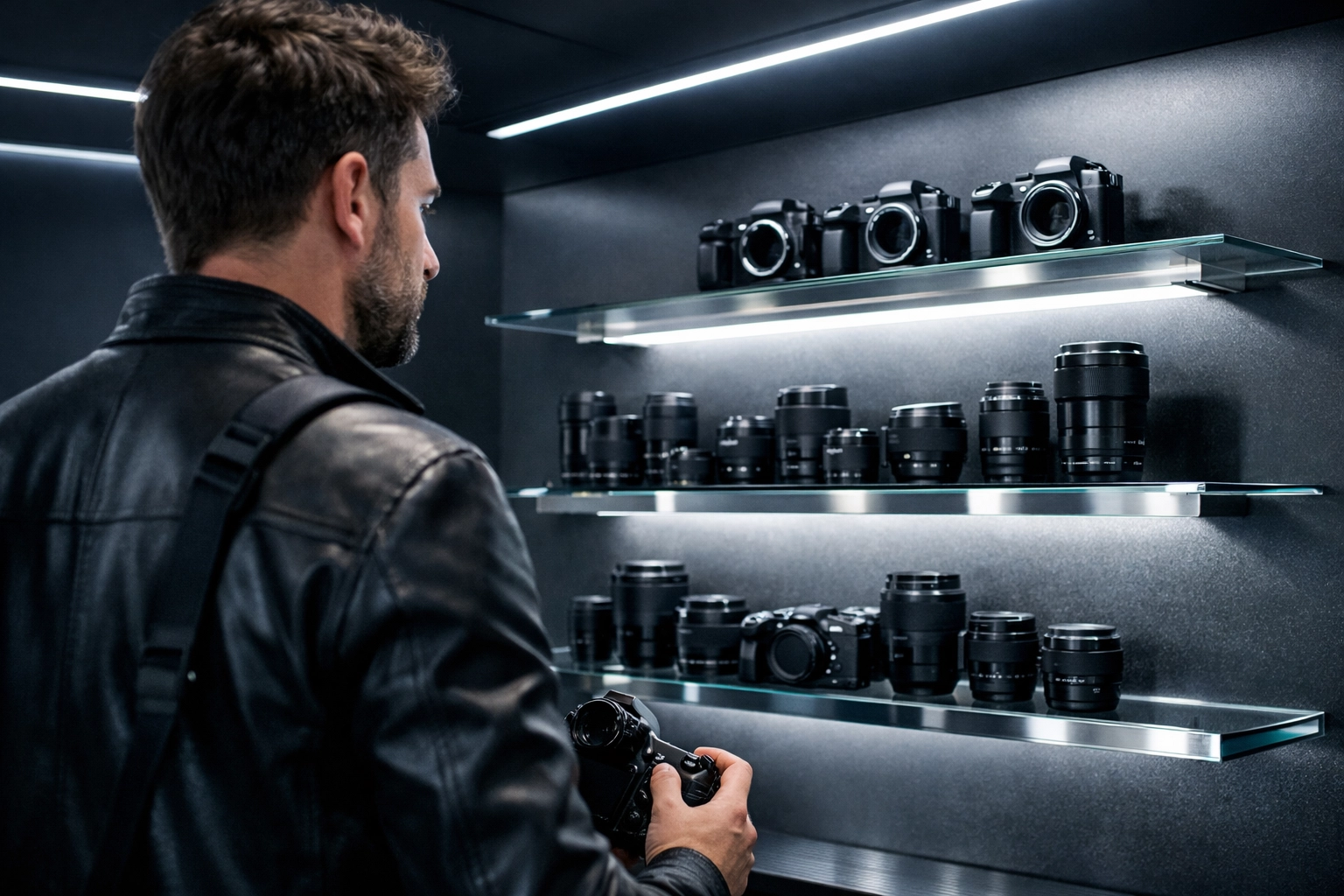
Alt text: A professional photographer looking at a wall of modern mirrorless cameras in a high-tech studio setting.
For us in the photography world, this means the "spec war" is losing its punch. Whether a camera has 60 megapixels or 100 megapixels doesn't matter much if the workflow doesn't improve your bottom line. We’re seeing a shift where high-income photographers and Gen Z creators are pairing their trend-driven purchases with practical, value-led considerations. They want gear that connects them to a community, not just gear that has a faster frame rate.
Breaking News: The Evening Gear Update
As we head into the weekend, a few major stories are shaking up the industry.
First, rumors are swirling about a new firmware update for the major mirrorless players that integrates deep-level neural processing directly into the RAW files. This would essentially allow cameras to "see" lighting scenarios and suggest exposure adjustments in real-time based on millions of analyzed professional photos.
Secondly, the "minimalist gear" movement is going viral. More creators are ditching the heavy backpacks for single-lens setups, focusing on the "one camera, one lens" philosophy. This ties back to the idea that authenticity and community engagement matter more than having every focal length covered. If you want to dive deeper into how to make the most of what you already have, check out our 10 essential tips for mastering photography.
Why Brand Identity Trumps Tech Specs
In 2026, the brands winning the market aren't just the ones with the best sensors. They are the ones cultivating a lifestyle. Much like how Alo Yoga succeeded by building a "like-minded community," camera companies are realizing they need to offer more than just hardware.
Leica has been doing this for decades, but now we see brands like Sony and Fujifilm leaning heavily into the "creator lifestyle." It’s about the aesthetic, the ease of sharing, and the identity that comes with the brand. When you pick up a camera today, you aren't just buying a tool; you’re joining a tribe.
This shift is huge for pros. If you’re running a business, you need to think about your own brand identity. Are you the high-tech, ultra-sharp real estate photographer, or are you the moody, cinematic storyteller? Your gear should reflect that, but it shouldn't define it. For those looking to sharpen their business edge, ProShoot.io offers incredible resources for leveling up your professional game.
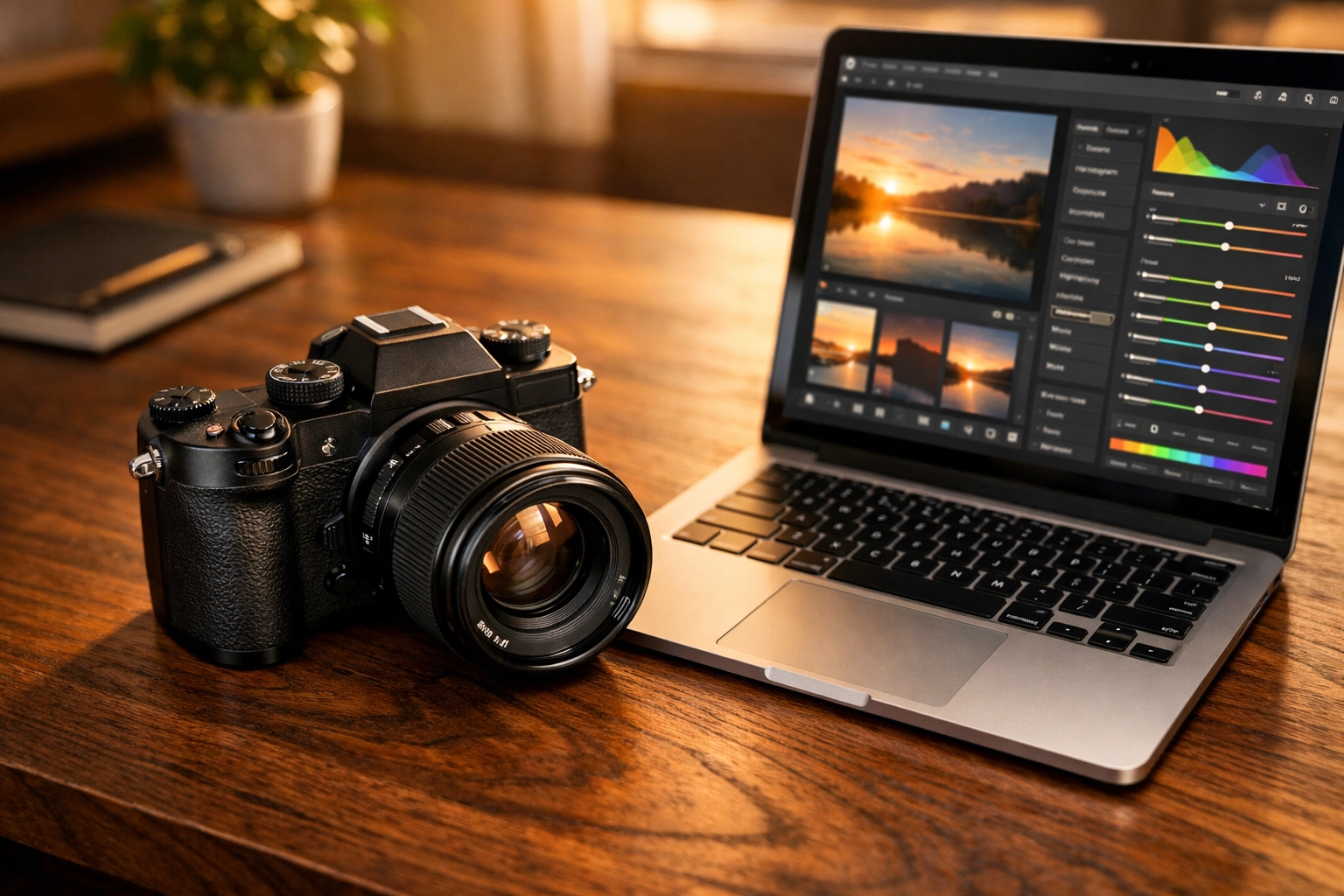
Alt text: A sleek, minimalist camera setup on a wooden desk with a laptop showing advanced photo editing software.
Real Estate Photography: The Hype vs. The Reality
One area where gear hype often clashes with reality is real estate photography. We often get asked: "Do I need the latest 16K drone to sell a house?"
The short answer? No. The long answer? It depends on your market. While aerial photography is definitely a game-changer: as we’ve discussed in our post about elevate your real estate with aerial photography: the most important factor remains the quality of the light and the composition.
In 2026, the biggest trend in real estate isn't actually a new camera; it’s the use of luminosity and cinematic techniques to create an emotional connection with the buyer. Whether you're using a three-year-old body or the latest flagship, if you don't understand how to manipulate perspectives, you’re going to lose out to the photographer who does.
Is photography essential for marketing in 2026? More than ever. But the "essential" part is the skill, not just the gear. You can read more about why photography is essential for real estate marketing to see how the industry has shifted toward high-quality visuals as a standard, not a luxury.
The AI Revolution in Post-Processing
We can't talk about gear hype without talking about the software that makes that gear look good. In 2026, AI isn't just a buzzword; it’s the backbone of the editing workflow.
While some purists still shy away from it, most of us have embraced tools that save us hours of tedious masking. Luminar continues to lead the pack here, offering features that would have seemed like magic just a few years ago. The ability to relight a scene or swap a sky in seconds has changed the "hype" from "how many megapixels do I have?" to "how quickly can I deliver this project?"
If you're still doing everything manually, you’re likely falling behind. Integrating AI-driven tools into your workflow allows you to focus on the creative side: the part that actually makes your work stand out. For more technical deep dives, I always recommend checking out PhotoGuides.org.
Learning from the Legends: Peter Lik and the Power of Style
When gear hype starts to feel overwhelming, I like to look back at the photographers who built empires before "AI" and "Eye-Autofocus" were things. Peter Lik is a prime example. Regardless of what you think of his marketing, his impact on photography trends is undeniable.
Lik’s work isn't famous because he used the newest camera every six months. It’s famous because of his creative process and his ability to capture stunning landscapes in a way that feels larger than life.
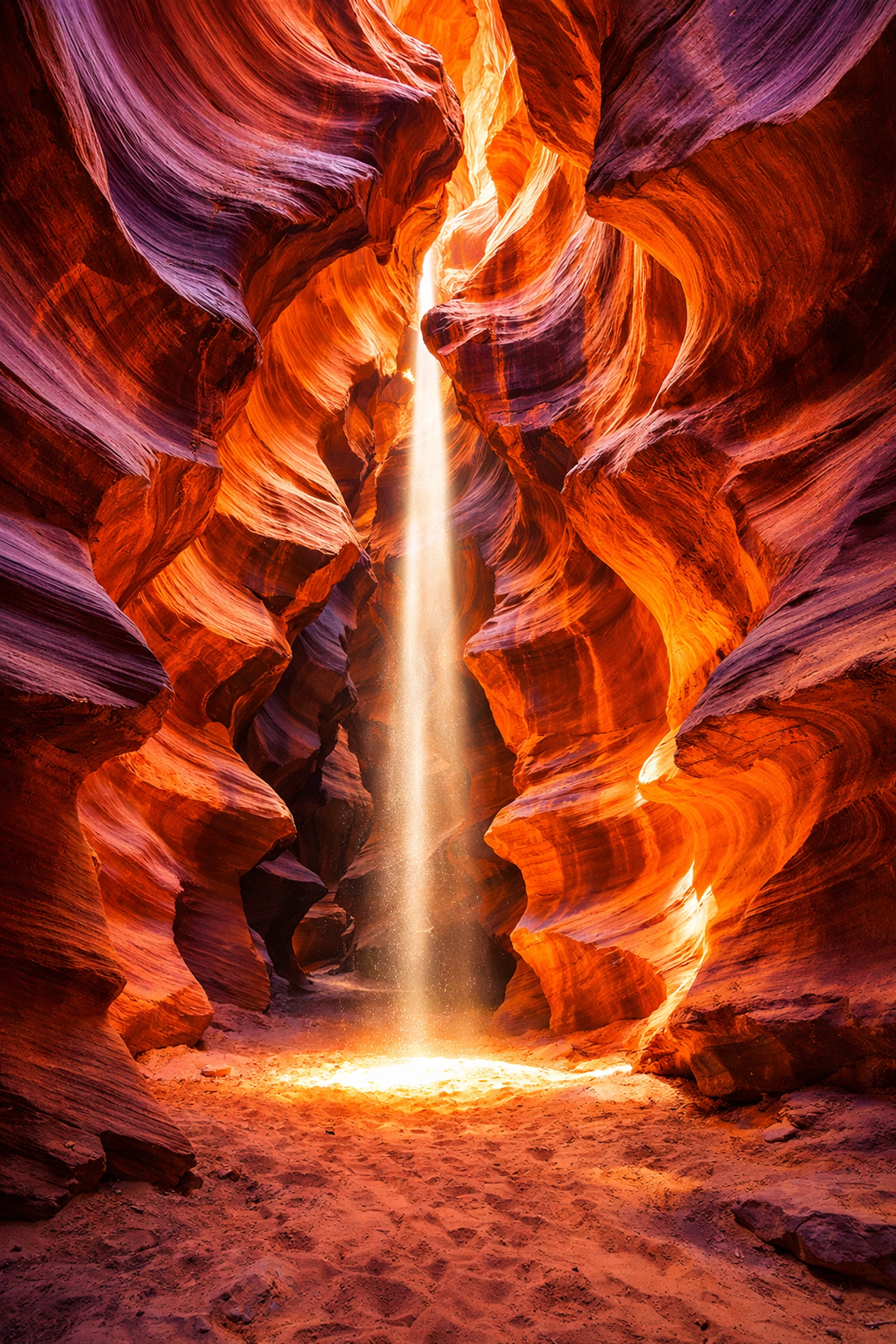
Alt text: A vast, vibrant landscape photograph in the style of Peter Lik, showing a sunlit canyon with deep oranges and purples.
His success proves that a distinctive style and a mastery of technique: like manipulating perspectives: will always outlast a gear cycle. Whether he was shooting film or digital, the core elements of his work remained consistent. That’s a lesson every modern photographer needs to hear: Build a style that gear can’t replicate.
Viral Trends and the "Influencer" Effect
In 2026, 46% of Gen Z creators are looking to influencers and bloggers for their gear inspiration. This has created a weird phenomenon where a specific "vintage" digital camera from 2015 can suddenly become more expensive than a new one because it went viral on a social platform.
This "aesthetic-led" hype is a double-edged sword. On one hand, it’s great to see people appreciating the unique look of older sensors. On the other hand, it drives prices up for gear that might not actually be practical for professional work.
If you're chasing a trend, ask yourself: Is this helping me create better work, or am I just buying into a vibe? For a look at how I manage my own gear and creative projects, you can always peek at blog.edinchavez.com.
The Practical Side: Gear That Actually Matters
So, what gear actually matters in 2026?
- Reliability: If your camera overheats or the dual-slot recording fails, it doesn't matter how pretty the image is.
- Ergonomics: We’re seeing a move away from "tiny" cameras back to bodies that actually fit a human hand comfortably for an 8-hour wedding or a long real estate shoot.
- Connectivity: In an era of instant delivery, cameras that can sync to the cloud via 6G or Starlink-integrated modules are the real winners.
- Glass: Lenses still matter more than bodies. A great piece of glass will last you a decade; a digital body is lucky to last four years before it feels dated.
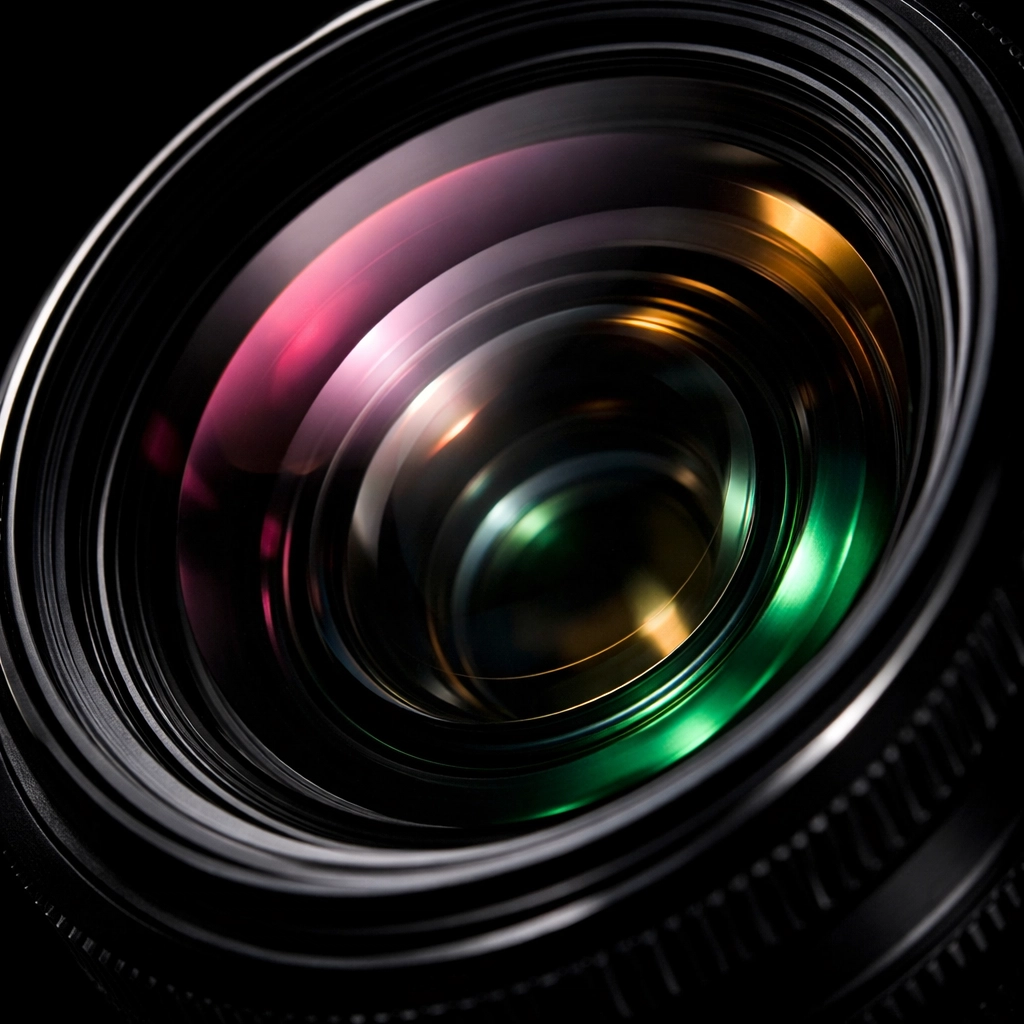
Alt text: A close-up of a high-end camera lens showing the intricate glass elements and light reflections.
If you want to see some of the high-end results of top-tier gear used correctly, take a look at the fine art prints over at www.edinfineart.com. You'll notice that the focus is always on the light and the subject, not the technical specs of the sensor.
The Evening Wrap-Up
As we close out this Friday industry update, the takeaway is clear: Gear hype in 2026 is a distraction if you don't have a solid foundation. The industry is shifting away from "more" and moving toward "meaning."
Whether you’re exploring Peter Lik’s favorite locations or trying to figure out if cinematic techniques can transform your property showcases, remember that the most important piece of gear is the person behind the viewfinder.
The hype will come and go. The brands will release a "Mark VI" and a "Mark VII." But the ability to tell a story, to capture the ethereal imagery that buyers crave, and to build a community around your work: that’s what will keep you in business.
If you’re looking for a commercial space to bring your next big vision to life, don’t forget to check out www.edinstudios.com. We’ve got the space and the tech to help you ignore the hype and focus on the craft.
Stay creative, keep shooting, and don't let the 4 PM hype-drop ruin your weekend. See you on Monday for the morning briefing.




