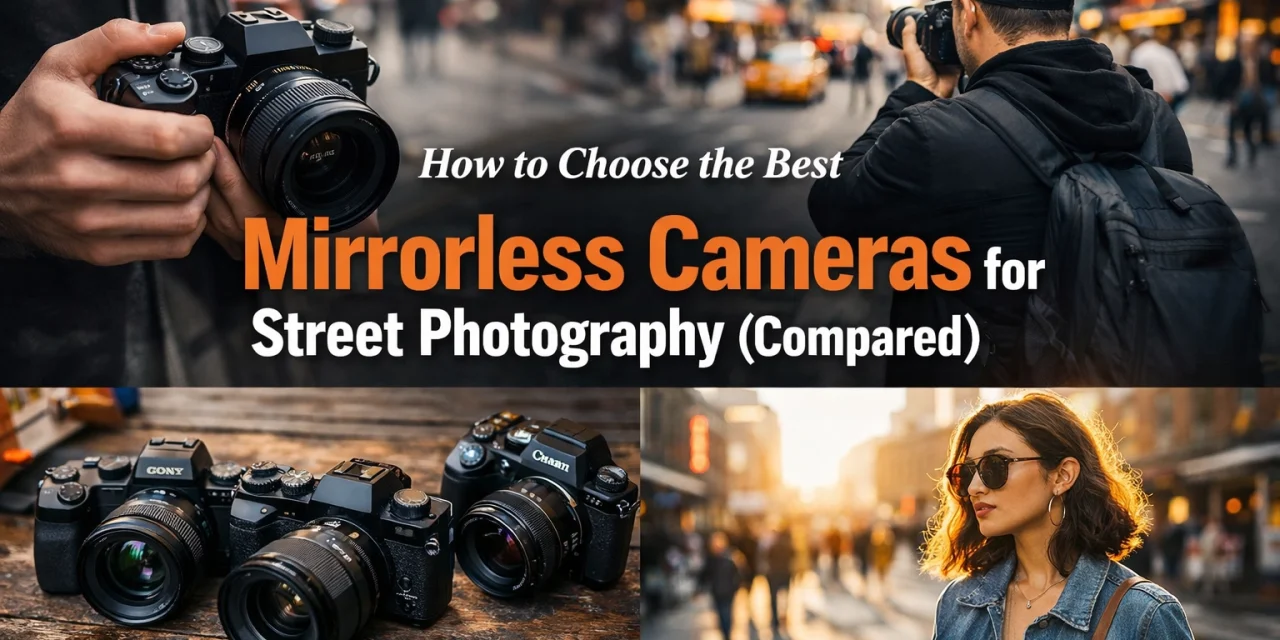
Street photography is about as raw as it gets. It’s you, your camera, and the unpredictable chaos of the sidewalk. There’s no lighting crew, no models hitting poses, and definitely no "can we try that again?" if you miss the shot. In 2026, the tech has caught up to the art form in ways we couldn’t have imagined a decade ago.
Choosing the right tool for the job isn't just about megapixels anymore; it’s about how that camera feels in your hand when you’re trying to look invisible. If you’re walking through a crowded market or a quiet alley, the last thing you want is a giant DSLR screaming, "I’m a professional photographer!"
That’s where mirrorless cameras changed the game. They’re smaller, faster, and way more discreet. But with so many options on the market, how do you pick the one that won't just sit in your bag? Let’s dive into the world of street-ready gear and figure out what actually matters.
The Secret Sauce: What Makes a Street Camera "Good"?
Before we start comparing models, we need to talk about the "why." You can technically shoot street photography with a tablet if you really wanted to (please don't), but if you want to excel, you need a specific set of features.
1. Discretion is Your Best Friend
In street photography, once people notice the camera, the moment is usually gone. People start acting for the lens, they stiffen up, they look away, or they get annoyed. You want a camera that makes you look like a tourist or a casual hobbyist. Smaller bodies and quiet shutters are non-negotiable. If your camera sounds like a stapler every time you take a photo, you’re doing it wrong.
2. Speed and Reliability
The "decisive moment" doesn't wait for your autofocus to hunt. You need a camera that can lock onto a subject instantly. In 2026, AI-driven subject tracking has become standard, but some brands do it better than others. You also need a fast startup time. If you see something amazing and have to wait three seconds for your camera to wake up, you’ve already lost the shot.
3. Low-Light Performance
The street doesn't stop when the sun goes down. Some of the best street photography happens at night, under the glow of neon signs or streetlights. Your camera needs to handle high ISO settings without turning your image into a grain-fest. If you’re curious about gear in the current landscape, check out does new camera gear really matter in 2026.
The Heavy Hitters: Mirrorless Cameras Compared
Let’s look at the top contenders for the street photography crown this year. Each of these has a different philosophy, so the "best" one depends entirely on how you like to shoot.
The Specialist: Ricoh GR III / GR IIIx
The Ricoh GR series is a legend in the street world. It is the only truly "pocketable" APS-C camera that delivers professional results.
- Pros: It fits in your jeans pocket. The "Snap Focus" feature allows you to preset a focus distance so there is zero shutter lag. It’s the ultimate stealth tool.
- Cons: No viewfinder (you have to use the screen), no weather sealing, and the battery life is… well, bring spares.
- Best for: The minimalist who wants to carry nothing but a camera and their keys.
The Icon: Fujifilm X100VI
Fujifilm practically owns the "aesthetic" street photography market. The X100VI is the latest in a line of cameras that people literally wait months to buy.
- Pros: It looks gorgeous. It has a hybrid viewfinder (optical and electronic) and built-in film simulations that make your JPEGs look like they were shot on Kodak Portra 400.
- Cons: It’s almost impossible to find in stock, and the fixed 35mm (equivalent) lens means you’re stuck with one focal length.
- Best for: Photographers who love the tactile feel of dials and want beautiful colors straight out of the camera.
The Modern Powerhouse: Sony α7C II
If you want a full-frame sensor in a body that isn't much bigger than a crop-sensor camera, Sony has the answer.
- Pros: Best-in-class autofocus. Sony’s "Real-time Tracking" is like magic; it sticks to eyes and faces like glue. Excellent low-light performance.
- Cons: The menu system can be a bit overwhelming, and full-frame lenses can quickly make the setup bulky.
- Best for: The technical photographer who wants the highest image quality possible and doesn't mind a slightly more "digital" feel.
The All-Rounder: Fujifilm X-T5
While the X100VI is fixed-lens, the X-T5 gives you the ability to swap glass while keeping that classic Fuji vibe. It’s one of our favorite recommendations when people ask how to choose the best mirrorless camera for 2026.
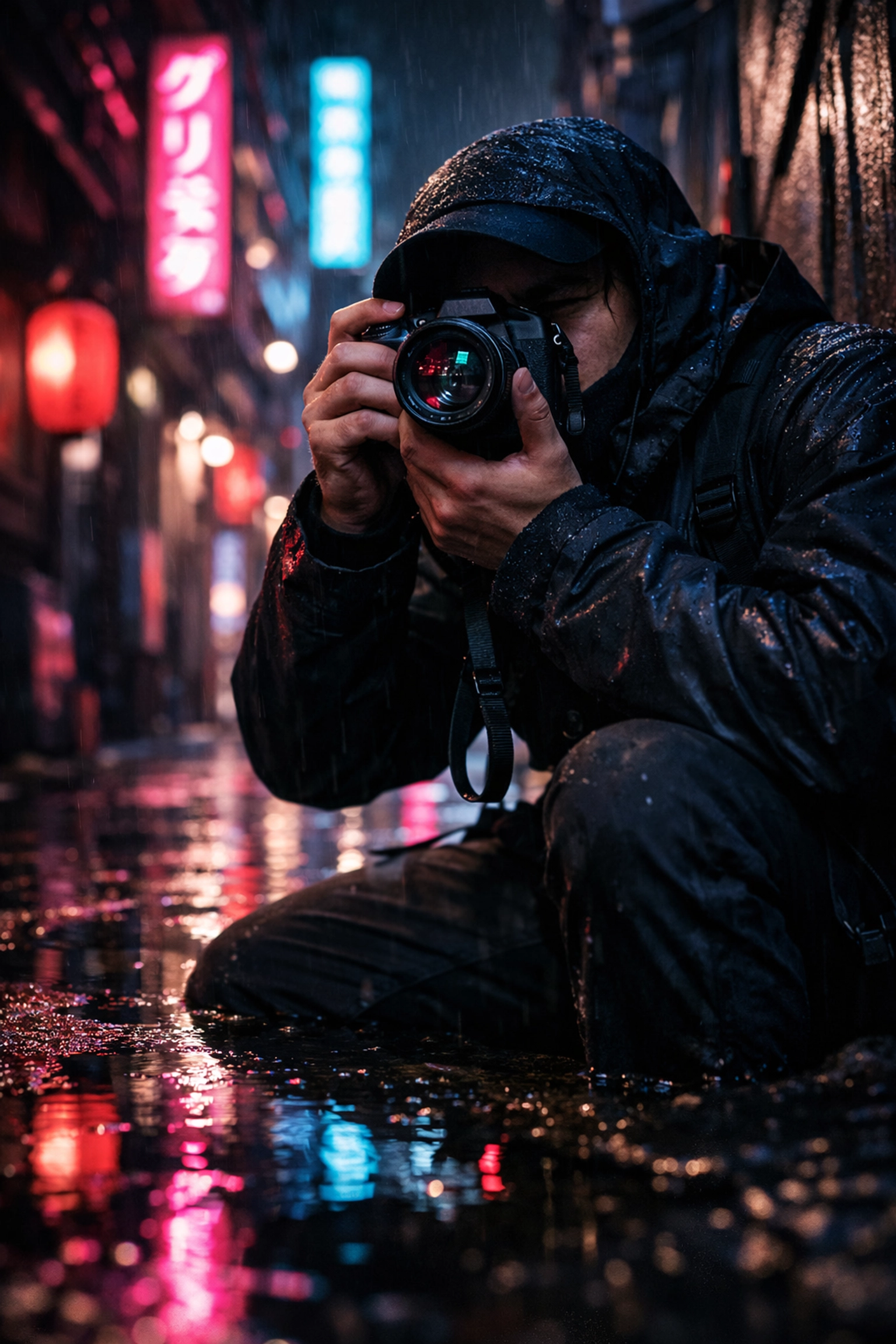
- Pros: 40-megapixel sensor gives you plenty of room to crop. Weather-sealed, so you can shoot in the rain.
- Cons: Larger than the Ricoh or X100VI.
- Best for: Someone who does street photography but also wants to shoot landscapes or portraits.
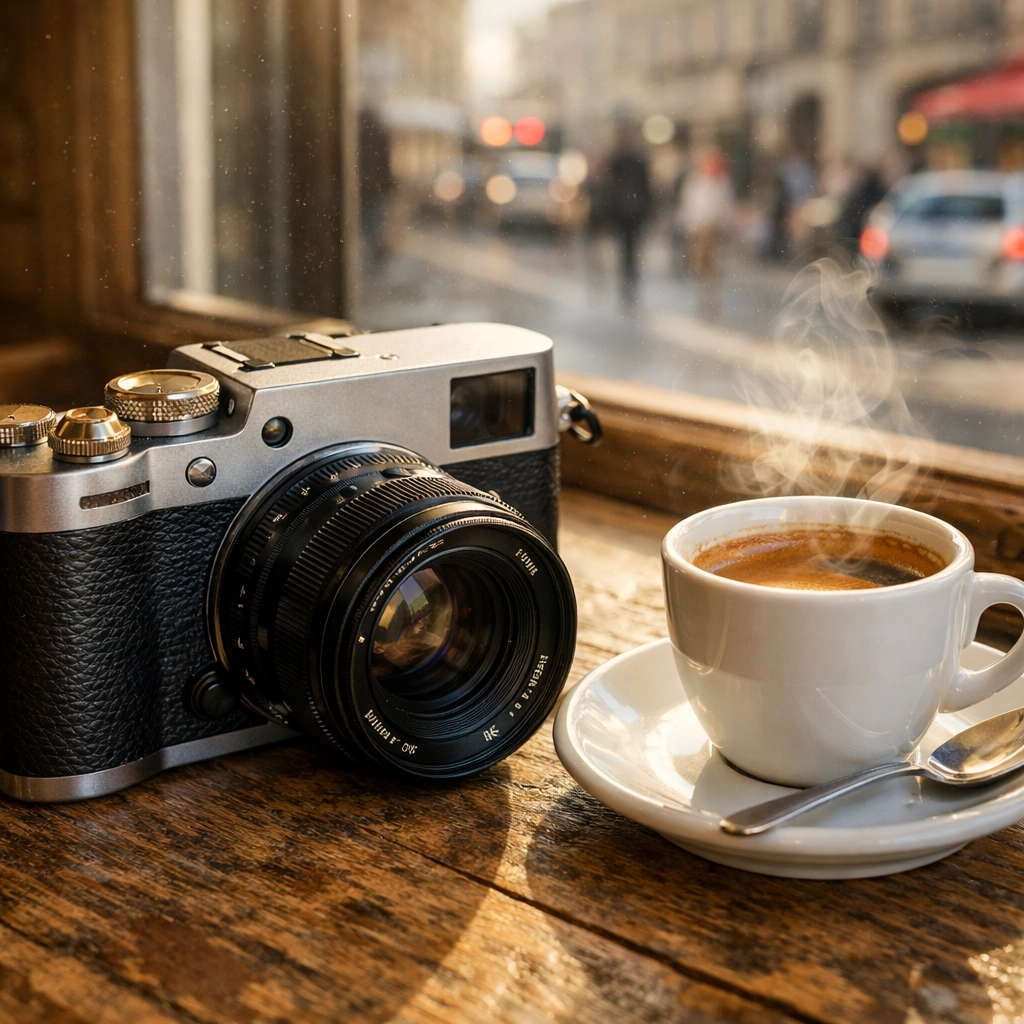
Sensor Size: Does It Actually Matter?
There is a constant debate in the photography community: Full Frame vs. APS-C vs. Micro Four Thirds. For street photography, the answer might surprise you.
Full Frame (like the Sony α7C II) gives you more dynamic range and better performance in the dark. If you’re shooting moody, shadowy night scenes, full frame is king.
APS-C (like the Fujifilm X-series or Ricoh) is often the "sweet spot." You get a significant jump in quality over a smartphone, but the lenses stay small. This is crucial. A small lens is much less intimidating to a stranger on the street than a giant "pro" lens.
Micro Four Thirds (like the Olympus OM-D E-M10 Mark IV) is the portability champion. The lenses are tiny, and the depth of field is deeper, which is actually a benefit for street photography because it’s easier to get your subject in focus.
If you’re just starting out, don't get bogged down in the sensor wars. Focus on the ergonomics. If you want to dive deeper into the basics first, take a look at our guide on how to master your camera’s manual mode in 5 minutes.
Fixed Lens vs. Interchangeable: The Great Debate
When you look at the best street cameras, many of them have fixed lenses (you can’t zoom or change the lens). This sounds like a limitation, but for street photography, it’s a superpower.
A fixed lens (usually a 28mm or 35mm equivalent) forces you to move your feet. You start to "see" in that focal length. You know exactly where to stand before you even put the camera to your eye. It simplifies the process. You stop worrying about zooming and start worrying about the composition.
However, if you’re traveling and you want to capture hidden gem locations for travel photography, having a zoom lens or the ability to swap to a wide-angle can be a lifesaver. It’s all about your personal "mission profile."
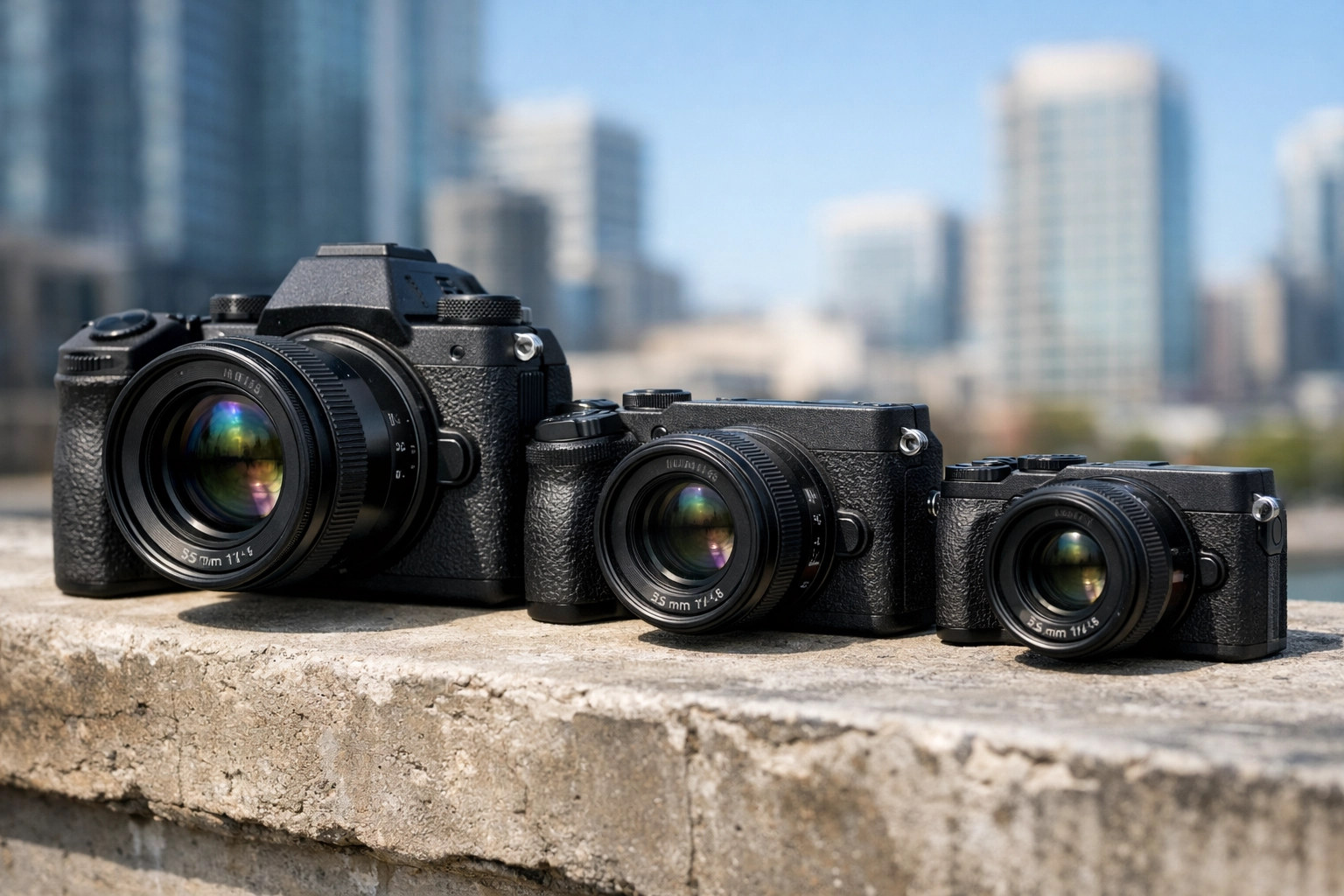
Why You Shouldn't Ignore the Used Market
In 2026, even "old" cameras from 2022 are absolute beasts. If a brand-new Fujifilm X-T5 or Leica Q3 (the dream, but expensive!) is out of your budget, don't sweat it. A used Ricoh GR II or a Sony a6400 will still take world-class photos.
Street photography is less about the technical perfection of the sensor and more about the storytelling in photography. A slightly grainy, imperfect shot of a perfect moment is always better than a boring, sharp shot of nothing.
The Role of Post-Processing
Once you’ve captured that perfect street scene, the work isn't done. Street photography often requires a specific look: maybe high-contrast black and white, or moody, desaturated colors.
To get that "pro" look quickly, we recommend using Luminar. Its AI tools are perfect for street shots where you might need to quickly enhance the lighting on a subject’s face or clean up some distracting elements in the background without spending hours in a dark room.
If you are looking for more tips on how to handle specific environments, like mastering water photography in any environment, checking out the right software is just as important as the hardware.
Quick Comparison Table
| Camera | Sensor Size | Lens Type | Best For |
|---|---|---|---|
| Ricoh GR III | APS-C | Fixed 28mm | Stealth / Pockets |
| Fujifilm X100VI | APS-C | Fixed 35mm | Style / JPEGs |
| Sony α7C II | Full Frame | Interchangeable | Low Light / AF |
| Fujifilm X-T5 | APS-C | Interchangeable | Versatility |
| OM System E-M10 IV | Micro 4/3 | Interchangeable | Budget / Size |
Pro Tips for Your New Street Camera
Once you’ve picked your weapon of choice, keep these tips in mind:
- Set a Minimum Shutter Speed: People move. The street moves. Set your camera to stay at 1/250s or faster to avoid motion blur.
- Use Auto ISO: Lighting changes fast when you turn a corner. Let the camera handle the ISO so you can focus on the frame.
- The Wrist Strap is King: Ditch the neck strap. It makes you look like a tourist and gets in the way. A good wrist strap keeps the camera ready in your palm.
- Smile: If someone catches you taking their photo, a simple nod and a smile go a long way. If you look like you’re doing something wrong, people will treat you like you are.
For more technical guides and deep dives into specific styles, check out PhotoGuides.org or see some real-world examples over at blog.edinchavez.com.
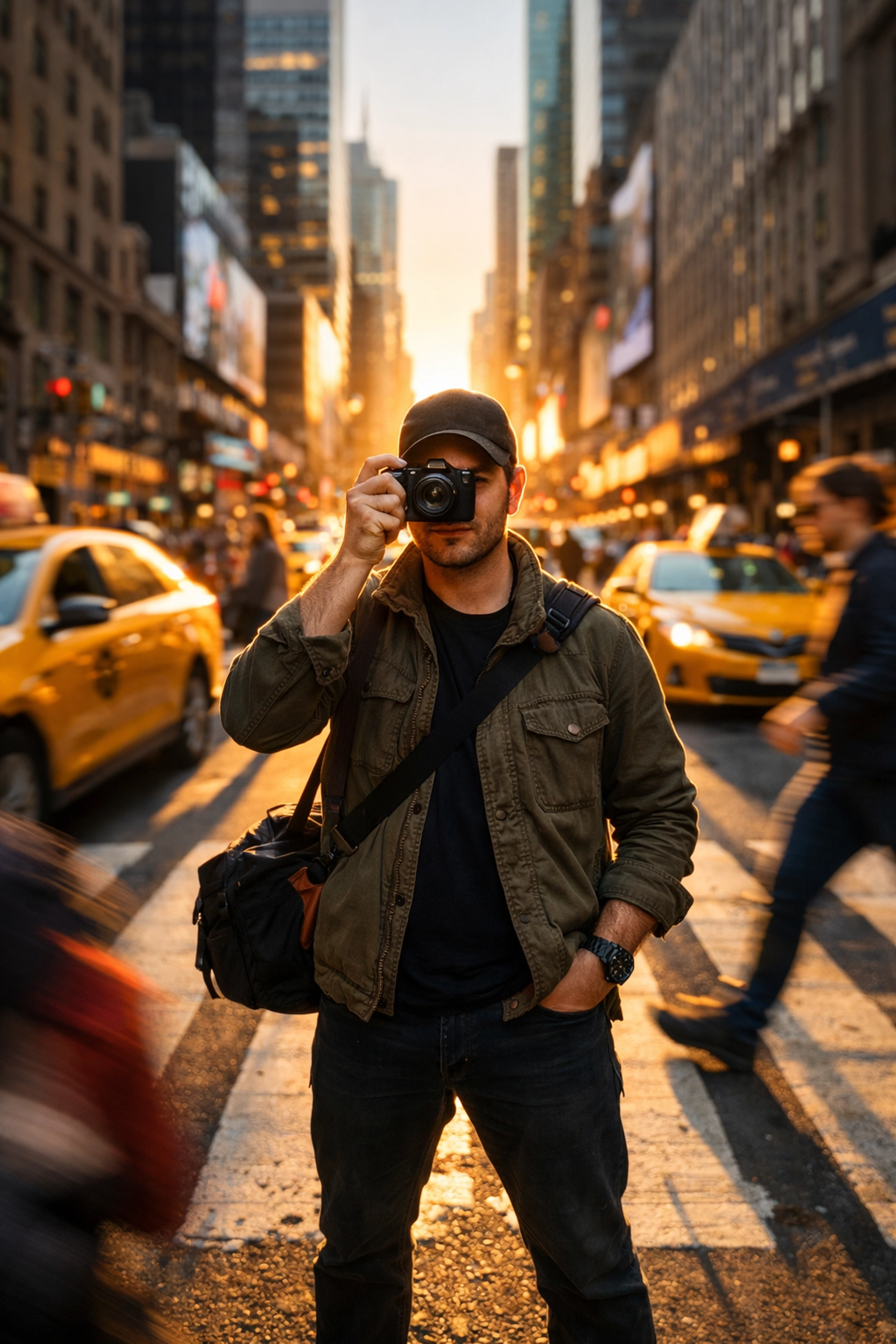
Final Thoughts: It's Not Just About the Gear
At the end of the day, the "best" camera is the one you actually have with you. I’ve seen incredible street shots taken on an old iPhone and terrible ones taken on a $10,000 Leica.
The gear is there to remove the friction between your brain and the shutter. If you find a camera that feels like an extension of your hand, you’ve found the right one. Whether you’re exploring picturesque coastal escapes or the gritty streets of New York, the goal is the same: stay curious and keep shooting.
Street photography is a journey. It’s about unlocking secrets to enchanting urban photography and seeing the world in a way others miss. So, pick a camera, get out there, and start capturing the magic of the everyday. The street is waiting.