

You may find the journey of starting your own photography enterprise daunting, with its twists and turns posing unique challenges. However, with careful planning and a clear roadmap, you can successfully maneuver through this complex landscape. This guide will provide you with important insights and practical steps to establish your photography business, from identifying your niche to marketing your work effectively. Let’s begin on this exciting adventure together, empowering you to turn your passion for photography into a thriving enterprise.

Understanding the Photography Market
The photography market is diverse, with various types of photography services in demand, ranging from weddings to commercial shoots. To succeed, you need to grasp current trends, consumer preferences, and the requirements of your target audience. Analyzing the market can help you position your business effectively, ensuring that your offerings stand out in a competitive landscape.
Identifying Your Niche
At the heart of your photography enterprise lies the need to identify your niche. This means understanding the specific area within photography where your passion and skills intersect. Whether it’s portrait, landscape, or event photography, honing in on a niche will guide your branding and marketing efforts, connecting you with the right clientele.
Assessing Competition
At the outset of your photography journey, evaluating your competition is vital. By analyzing what others in your niche are doing, you can identify gaps and opportunities in the market. This insight will enable you to differentiate your services and create a unique selling proposition that appeals to potential clients.
Due to the saturated nature of the photography industry, assessing competition involves more than just knowing who your rivals are. You’ll want to look into their pricing structures, marketing strategies, and customer feedback. Take note of their strengths and weaknesses, which can inform your approach. By understanding what works for others, you can develop distinctive offerings or innovative techniques that will set you apart and attract your target audience.

Developing a Business Plan
Some entrepreneurs overlook the importance of a solid business plan when starting a photography venture. This foundational document not only outlines your vision but helps you stay focused on your goals, attracting potential investors or partners. A well-structured plan will encompass marketing strategies, operational details, and financial projections, which all contribute to the success of your photography business.
Setting Clear Goals
Besides outlining your creative vision, setting clear goals allows you to track your progress and measure your success. By identifying both short-term and long-term objectives, you create a roadmap for your business, motivating you to achieve specific milestones while maintaining a sense of direction.
Financial Projections
To ensure the viability of your photography business, incorporating financial projections into your plan is crucial. These projections estimate your anticipated income, expenses, and overall profitability, providing a realistic framework for your enterprise.
It’s important to consider various factors when making these financial projections, such as startup costs, ongoing operational expenses, and revenue from services or products. Developing revenue models based on market research can showcase how you expect to sustain and grow your business over time. Regularly updating these projections as you gain more experience will help you make informed decisions and adjust your strategies when necessary.

Building Your Brand
Your brand is the cornerstone of your photography business. It encompasses your style, values, and how you connect with your audience. Creating a strong brand identity helps differentiate you from competitors and establishes trust among potential clients. Start by defining the essence of what you want your photography to convey and how you wish to be perceived in the industry. By investing time in building your brand, you set yourself apart and pave the way for long-term success in your photography enterprise.
Crafting Your Unique Selling Proposition
By identifying your unique selling proposition (USP), you define what makes you stand out in the crowded photography market. Consider the specific style, subject matter, or approach that sets you apart from others. Whether it’s an artistic flair, exceptional client interactions, or specialized services, clearly communicating your USP will attract the right clients and create a memorable impression.
Creating a Professional Portfolio
On your journey to establishing a reputable photography brand, a professional portfolio serves as a visual testament to your skills and style. It is imperative to curate a selection of your best work that showcases your versatility and expertise. Your portfolio should tell a cohesive story, reflecting your unique artistic vision while appealing to the clientele you wish to attract.
To create a compelling portfolio, focus on quality over quantity. Select only your strongest images that highlight your technical proficiency and creative edge. Organize your work by themes or styles, making it easier for potential clients to navigate. Ensuring your portfolio is updated regularly will also keep it relevant and reflective of your evolving skills. A well-crafted portfolio not only builds confidence in your prospective clients but also acts as an imperative tool in marketing your photography services.
Legal Considerations
All aspiring photographers must navigate a variety of legal considerations when starting their own business. From selecting the right business structure to securing the necessary licenses and permits, ensuring compliance with legal requirements will help you protect your investment and maintain your professional reputation.
Choosing the Right Business Structure
Along your journey to establishing a photography enterprise, deciding on the best business structure is necessary. It influences your liability, taxation, and operational flexibility. You may choose between sole proprietorship, partnership, LLC, or corporation, each with its unique advantages and potential drawbacks, so evaluate your needs carefully.
Licensing and Permits
Business licensing and permits are important aspects of launching your photography enterprise. Different regions may have distinct regulations based on your location and the nature of your services.
In fact, your local government may require specific licenses to operate legally, especially if you’re offering commercial photography services. Research zoning laws, sales tax permits, and any industry-specific permits like drone operation licenses. Failing to secure the necessary permits can lead to fines and complications that could jeopardize your business operations. Ensuring that you comply with these legal prerequisites lays the groundwork for your photography venture to thrive.
Marketing Strategies
For your photography enterprise to thrive, effective marketing strategies are crucial. You must establish a strong presence both online and offline. Consider targeting your ideal audience with tailored campaigns, showcasing your unique style and services through various platforms. This approach will undoubtedly help you attract and retain clients, ultimately growing your brand in the competitive photography market.
Utilizing Social Media
Utilizing social media is one of the most powerful ways to promote your photography business. By creating visually captivating content and consistently engaging with your audience, you can build a community around your brand. Platforms like Instagram, Facebook, and Pinterest are particularly effective for showcasing your portfolio, sharing behind-the-scenes moments, and announcing promotions or events that emphasize your skills and creativity.
Networking and Collaboration
To leverage new opportunities for growth, networking and collaboration with fellow photographers and related professionals can significantly benefit your business. Building relationships can lead to referrals, shared resources, and exciting joint projects that enhance your visibility in the industry.
It’s through networking that you can tap into local events, workshops, and photography groups to meet potential clients and partners. Attend community gatherings or online forums to showcase your work and share knowledge. Collaborating with other creatives—such as makeup artists or event planners—can also provide mutual benefits, allowing you to expand your portfolio and reach new audiences while building a strong professional support system.
Managing Finances
Despite the passion you have for photography, managing your finances is important to ensure your enterprise thrives. You need to keep a close eye on your income, expenses, and overall financial health. Establishing sound financial practices from the start will help you avoid pitfalls and allow your creativity to flourish without the stress of financial uncertainty.
Budgeting and Expense Tracking
To establish a successful photography business, you should create a comprehensive budget that accounts for both fixed and variable costs. Use tools or apps to help track your expenses meticulously, ensuring you stay within your budget while also allowing for unexpected costs that may arise in your artistry and equipment. This will help you maintain a clear picture of your financial standing.
Navigating Taxes
Any photographer starting a business must understand the tax implications. As a self-employed individual, you are responsible for filing your taxes, tracking your income, and managing relevant deductions. It’s vital to familiarize yourself with your local tax laws and consider consulting a tax professional to ensure compliance while taking advantage of potential benefits.
For instance, you can deduct costs associated with your photography equipment, marketing, and home office expenses, which can significantly reduce your taxable income. Additionally, keeping meticulous records of all financial transactions will streamline the process when it’s time to file your taxes. Knowing these details not only keeps you compliant but helps optimize your financial situation, allowing you to focus on your artistry.
Conclusion
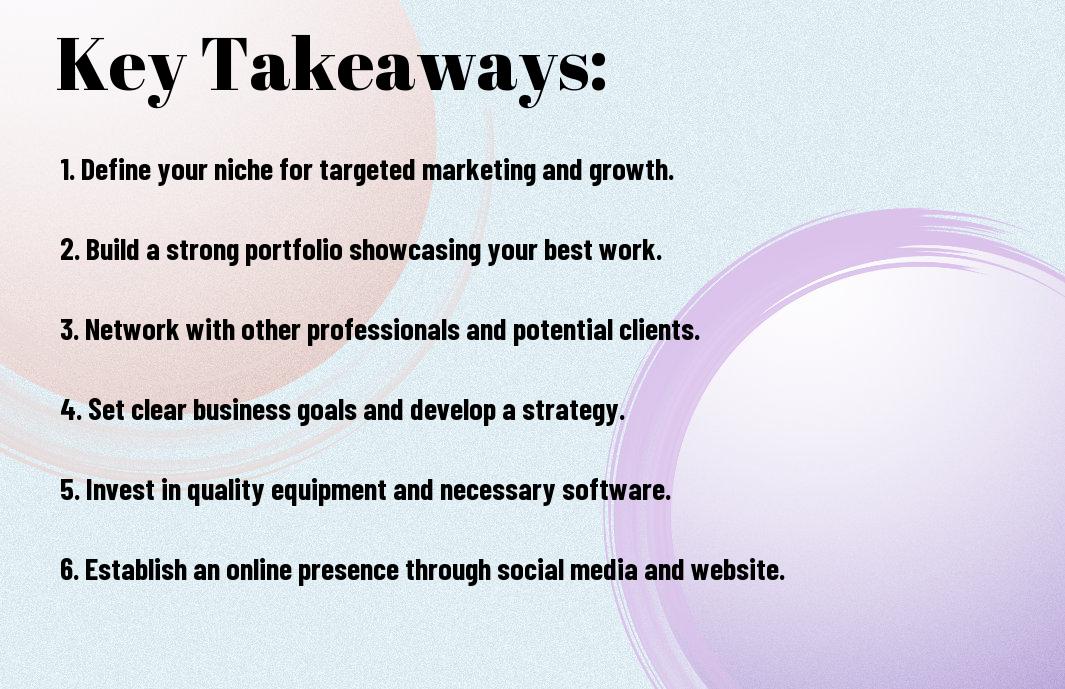
Conclusively, navigating the labyrinth of starting your own photography enterprise requires a blend of creativity, strategic planning, and consistent effort. You need to define your niche, build a robust portfolio, and effectively market your services to stand out in a competitive field. Additionally, understanding the business aspects, from pricing to client relations, will help you create a sustainable model. By staying committed and continually honing your skills, you can successfully transform your passion for photography into a rewarding business venture.




