

You have the opportunity to elevate your sports photography by infusing it with cinematic flair that captivates and engages viewers. Mastering this art requires a blend of technical skills, creative vision, and an understanding of the dynamic nature of sports. In this post, you will uncover effective techniques and tips that will help you capture powerful moments, create compelling compositions, and use light and movement to bring your images to life. Get ready to transform your sports shots into cinematic masterpieces that resonate with passion and energy.

Understanding Cinematic Flair
A cinematic flair in sports photography goes beyond merely capturing the action; it immerses viewers in the emotional and dynamic world of sports. This style combines elements of storytelling, composition, and lighting to convey drama and intensity, resulting in images that resonate deeply with the audience. By mastering this flair, you can elevate your sports photography, making each shot feel like a scene from an epic movie.
Definition and Importance
An understanding of cinematic flair is vital for any sports photographer looking to create impactful imagery. This approach emphasizes not just the athletes and the game, but also the environment and emotions surrounding them, fostering a connection with viewers. Integrating this style into your work can differentiate your portfolio, capturing not only the physicality of the sport but also the narrative behind it.
Historical Context in Sports Photography
Understanding the evolution of sports photography is imperative for recognizing the significance of cinematic flair today.
Consequently, historical advancements in technology and art have shaped how sports are visually represented. Early sports photography primarily focused on documenting events with little stylistic consideration. However, as techniques evolved, photographers began experimenting with composition and lighting to evoke emotions. Over time, iconic images from sports legends inspired a movement towards more dramatic representations. Today, you can draw upon this rich history to infuse your own work with cinematic elements, connecting the past with contemporary style.

Mastering Camera Techniques
Even the most dynamic moments in sports photography can fall flat without the right camera techniques. Mastering exposure, shutter speed, and lens selection will elevate your images, allowing you to capture the adrenaline and energy that define sporting events. By understanding these fundamental aspects, you can enhance your storytelling and achieve that cinematic flair you desire.
Exposure and Shutter Speed
Mastering exposure and shutter speed is pivotal in capturing fast-paced sports action. You need to allow enough light for your sensor while also freezing the action with a fast shutter speed. Aim for a shutter speed of at least 1/1000 second to prevent motion blur, keeping your ISO and aperture in check to maintain a well-exposed image, even in challenging lighting conditions.
Lens Selection and Composition
Composition plays a significant role in capturing compelling sports photographs. The right lens can influence how you frame your image, so selecting a lens that suits the action is important for bringing your vision to life.
For instance, using a telephoto lens allows you to zoom in on the action and isolate subjects from the background, creating a dynamic perspective. A wide-angle lens, on the other hand, can help you capture the environment and context of the sport, adding depth to your photographs. By experimenting with different focal lengths and angles, you can create more engaging compositions that resonate with your audience.
Utilizing Light Effectively
While exploring sports photography, mastering the use of light can elevate your images to a cinematic level. Understanding how light interacts with your subject will not only enhance the mood but also define the overall composition. Whether it’s the warm glow of sunset or the harsh contrast of artificial lights, effective utilization of lighting can draw out the emotion and intensity of the sport you are capturing.
Natural vs. Artificial Lighting
To achieve cinematic flair in your sports photography, it’s imperative to understand the differences between natural and artificial lighting. Natural light, often softer and more dynamic, can add a sense of realism and vibrancy to your images. On the other hand, artificial light provides control and can create dramatic effects, especially in indoor or low-light environments, allowing you to shape the scene to match your vision.
Time of Day Considerations
Utilizing different times of the day can significantly impact the quality of your sports photographs. Each period offers unique lighting conditions that can enhance your images differently. Early mornings and late afternoons, often referred to as golden hours, provide softer, more diffuse light compared to the harsh overhead sun at midday.
Consequently, shooting during the golden hours can result in warm tones and elongated shadows, adding a dramatic flair to your action shots. Conversely, midday photography may require you to compensate for overexposed highlights, but it also opens opportunities for striking silhouettes against bright backgrounds. By strategically timing your shoots, you can create images with rich contrast and evocative moods that resonate with viewers.
Capturing Emotion and Motion
All great sports photography thrives on the ability to convey raw emotion and dynamic motion. You must anticipate the moments that evoke passion, whether it’s the determination on an athlete’s face or the instant of victory. By honing your timing and instinct, you capture not just the action but the spirit of the sport, resulting in images that resonate deeply with viewers.
Freezing Action vs. Blurring Motion
By understanding the balance between freezing action and blurring motion, you can enhance the intensity of your sports images. Fast shutter speeds will freeze the critical moments, providing clarity, while slower speeds can create a sense of movement that emphasizes speed and energy. You should experiment with both techniques to discover which conveys the emotion you wish to capture.
Storytelling Through Imagery
Storytelling is important in sports photography, as each image should narrate a moment beyond the action. A skillfully composed shot captures not only the athlete but also the environment, the fans, and the unique atmosphere surrounding the event. Your images can document triumphs, struggles, and unforgettable moments, offering a narrative that connects with the audience on a personal level.
In fact, effective storytelling through imagery requires a keen eye for detail and the ability to spot the interplay between athletes and their surroundings. You should look for scenes that tell a deeper story, such as the bonds between teammates or the contrasting emotions of victory and defeat. By focusing on these aspects, your photographs can evoke a profound emotional response, making your audience feel as if they are part of the action.

Post-Processing Techniques
Once again, your journey to achieving cinematic flair doesn’t end with capturing the perfect shot. Utilizing effective post-processing techniques allows you to bring your sports photography to life, enhancing mood, atmosphere, and storytelling. Focus on adjusting contrasts, color grading, and fine-tuning sharpness to create that dramatic, film-like quality. Always keep your vision in mind while editing, and let your creativity shine through every pixel.
Editing Software and Tools
The choice of editing software can significantly impact your workflow and results. Popular programs like Adobe Lightroom and Photoshop offer a myriad of tools to help you refine your images seamlessly. Familiarizing yourself with features such as layer masks, selective adjustments, and presets will enable you to channel your artistic vision effectively.
Enhancing Cinematic Quality
On your quest for that cinematic aesthetic, consider implementing specific techniques such as color grading, lens distortion effects, and controlled vignettes. These elements can help create a more immersive experience for the viewer, making the action feel more dynamic and alive.
Enhancing the cinematic quality of your sports photography involves a delicate dance of artistic choices. Experiment with color grading to evoke specific emotions and set the overall tone of your images. Incorporating a slight vignette can draw the viewer’s eye toward the subject, creating a sense of depth. Adding a subtle film grain can also reproduce that nostalgic feeling reminiscent of classic sports films. Ultimately, the goal is to elevate your images, transforming them into compelling visual narratives that resonate with your audience.
Building a Unique Style
Now that you have the technical skills to capture dynamic moments in sports, it’s time to develop a unique style that sets your work apart. Embrace the visual language of your surroundings, and don’t shy away from experimenting with different angles, compositions, and lighting. Your artistic vision will add depth to your images, making them resonate more profoundly with viewers. By consistently honing your style, you’ll establish a recognizable brand that reflects your personality and perspective, elevating your sports photography to cinematic levels.
Finding Your Artistic Voice
Across the vast landscape of sports photography, finding your unique artistic voice is vital for creating images that can stand out. Your experiences, emotions, and personal tastes blend together to form a distinct viewpoint that can be communicated through your work. Take time to explore various genres and techniques, allowing your influences to shape your vision. The more you shoot, the clearer your voice will become, guiding you toward a signature style that defines your approach to capturing sports.
Influences from Film and Visual Arts
Influences from film and visual arts can drastically enhance your sports photography by providing fresh perspectives and inspiring techniques. Drawing upon the visual storytelling methods found in cinema can help you frame your images with a narrative richness that captures the emotion and energy of the moment. You might experiment with lighting similar to films you admire or incorporate elements from famous artworks that resonate with you, creating a fusion of styles that captivates your audience.
This cross-pollination between sports photography and other visual arts can bring added depth to your work. For instance, consider the dramatic compositions of classic films or the vivid colors often found in painting. When you analyze scenes from films, pay attention to framing, movement, and color palettes; these can inspire your own evolution as a photographer. By weaving cinematic elements into your sports imagery, you create storytelling moments that draw the viewer in, adding a layer of intrigue and artistry that’s sure to leave an impression.
Final Words
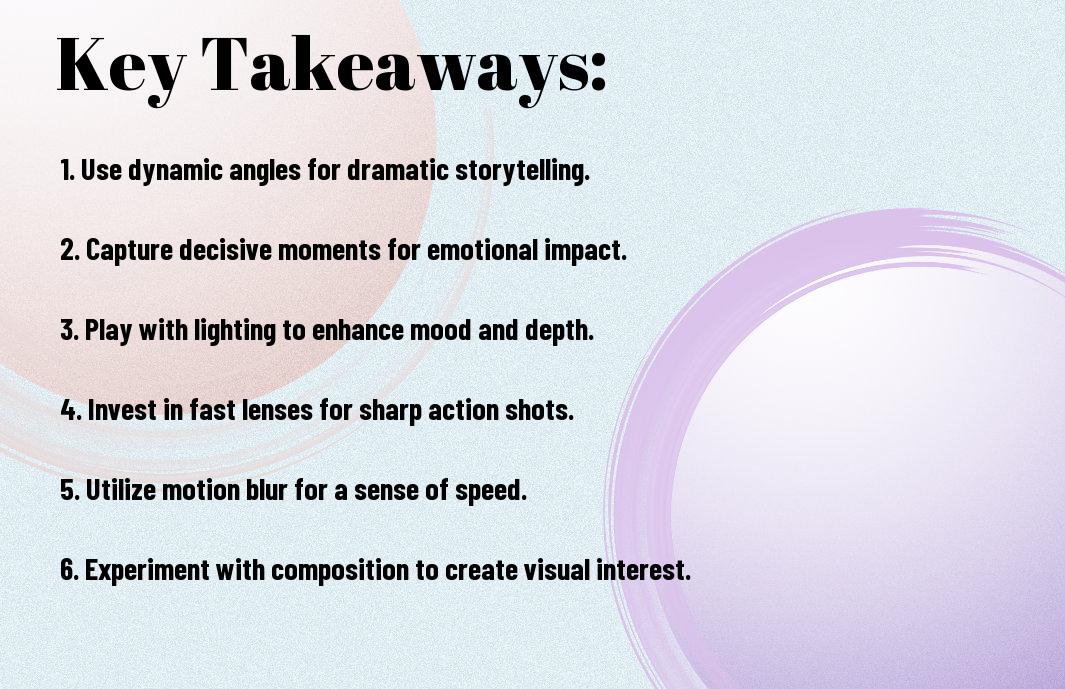
Conclusively, achieving cinematic flair in sports photography requires a blend of technical expertise and creative vision. You should focus on mastering your camera settings, experimenting with different angles, and capturing the emotional highs of the moment. Use natural light to your advantage and consider the composition to evoke drama. Additionally, post-processing techniques can enhance the cinematic quality of your images. By practicing these elements, you can elevate your sports photography, creating powerful visuals that resonate with your audience.




